During World War II, as the Allies planned the invasion of Normandy, there was one major hurdle to overcome—logistics. In particular, planners needed to guarantee a solid supply of fuel to keep the mechanized army functional. Tanks, trucks, jeeps, and aircraft all drink petroleum at a prodigious rate. The challenge, then, was to figure out how to get fuel over to France in as great a quantity as possible.
War planners took a diverse approach. A bulk supply of fuel in jerry cans was produced to supply the initial invasion effort, while plans were made to capture port facilities that could handle deliveries from ocean-going tankers. Both had their limitations, so a third method was sought to back them up. Thus was born Operation Pluto—an innovative plan to simply lay fuel pipelines right across the English channel.
Precious Juice
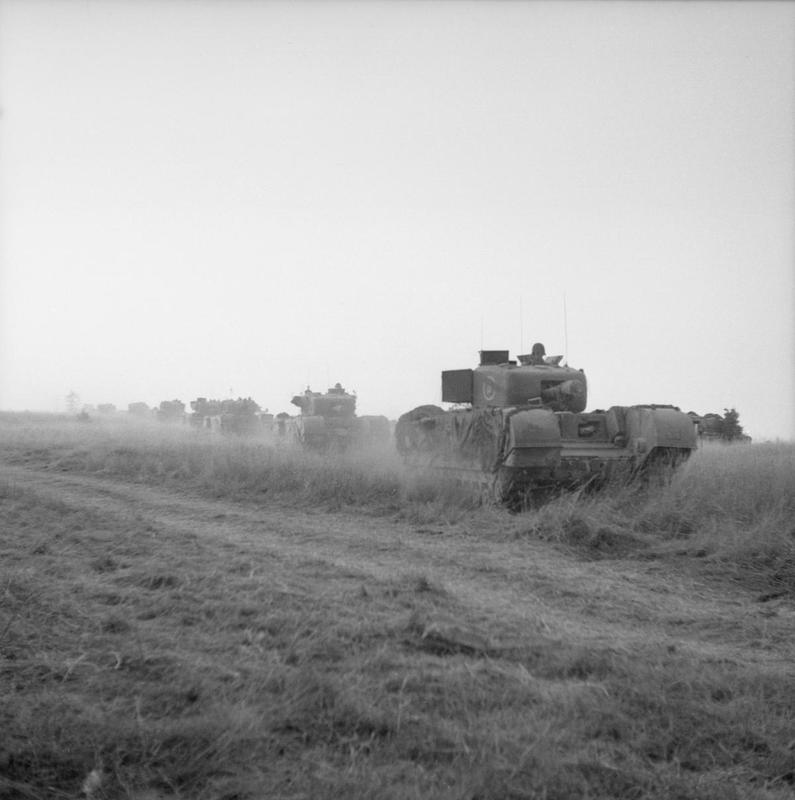
Back in the 1940s, undersea pipelines were rather underexplored technology. However, they promised certain benefits over other methods of shipping fuel to the continent. They would be far more difficult to destroy by aerial attack compared to surface ships or floating pipelines. An undersea pipeline would also be less likely to be damaged by rough sea conditions that were typical in the English Channel.
The idea was granted the codename PLUTO—for Pipe-Line Under The Ocean. Development began as soon as 1942, and the engineering challenges ahead were formidable. The Channel stood a good twenty miles wide at its narrowest point, with strong currents, variable depths, and the ever-present threat of German interference. Any pipeline would need to withstand high pressure from the fuel flowing inside, resist corrosion in seawater, and be flexible enough to handle the uneven seabed. It also needed to be laid quickly and surreptitiously, to ensure that German forces weren’t able to identify and strike the pipelines supplying Allied forces.
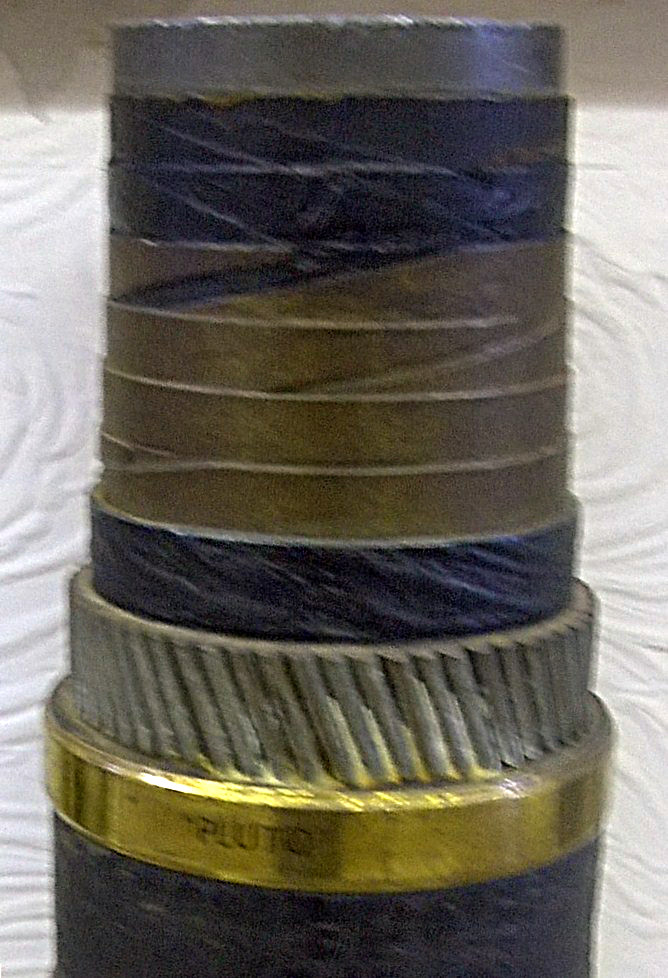
The first pipe developed as part of the scheme was HAIS. It was developed by Siemens Brothers and was in part the brainchild of Clifford Hartley, then Chief Engineer of Anglo-Iranian Oil and an experienced hand at delivering fuel pipelines in tough conditions. Thus the name—which stood for Hartly-Anglo-Iranian-Siemens. It used a 2-inch diameter pipe of extruded pipe to carry the fuel, surrounded by asphalt and paper doused in a vinyl-based resin. It was then wound with a layer of steel tape for strength, and then further layered with jute fiber and more asphalt and paper. The final layers were an armored sheath of galvanized steel wires and a canvas outer cover. The techniques used were inspired by those that had proved successful in the construction of undersea telegraph cables. As designed, the two-inch diameter pipe was intended to flow up to 3,500 imperial gallons of fuel a day when running at 500 psi.
HAIS pipe was produced across several firms in the UK and the US. Initial testing took place with pipe laid across the River Medway. Early efforts proved unsuccessful, with leaks caused by lead from the central core pushing out through the steel tape layer. The steel tape wraps were increased, however, and subsequent testing over the Firth of Clyde was more successful. Trials pushed the pipe up to 1,500 psi, showing that up to 250,000 liters of fuel could be delivered per day. The pipeline also proved robust, surviving a chance attack by a German bomb landing nearby. The positive results from testing led to the development of a larger 3-inch verison of the HAIS pipe to support even greater flow.
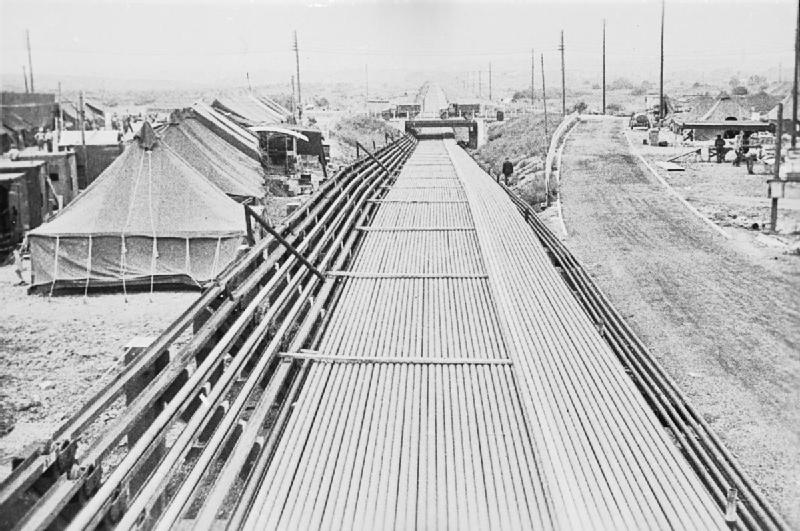
By this point in the war, however, supplies were becoming constrained on all sides. In particular, lead was becoming scarce, which spurred a desire for a cheaper pipe design to support Operation PLUTO. Thus was born HAMEL, named after engineers Bernard J. Ellis and H.A. Hammick, who worked on the project.
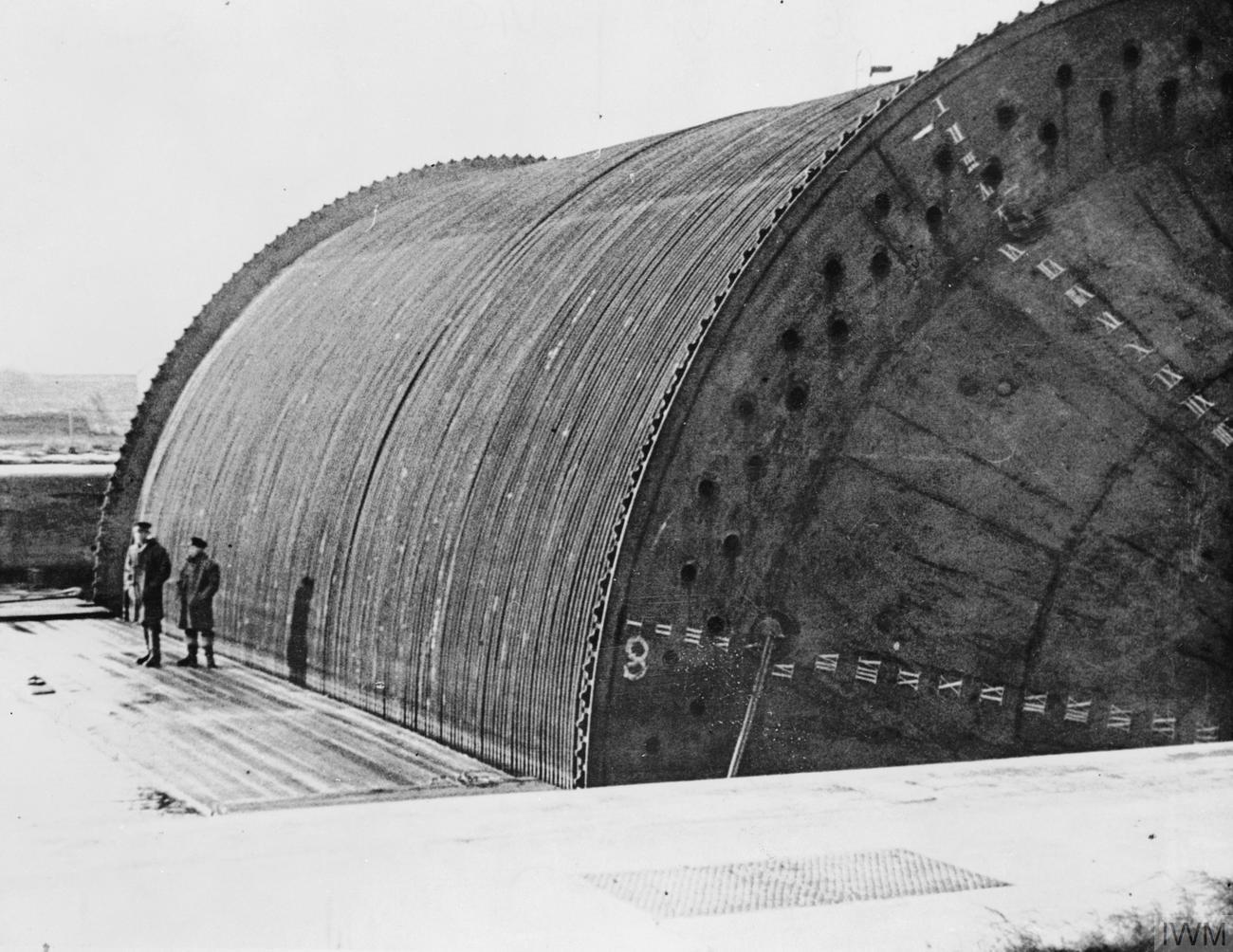
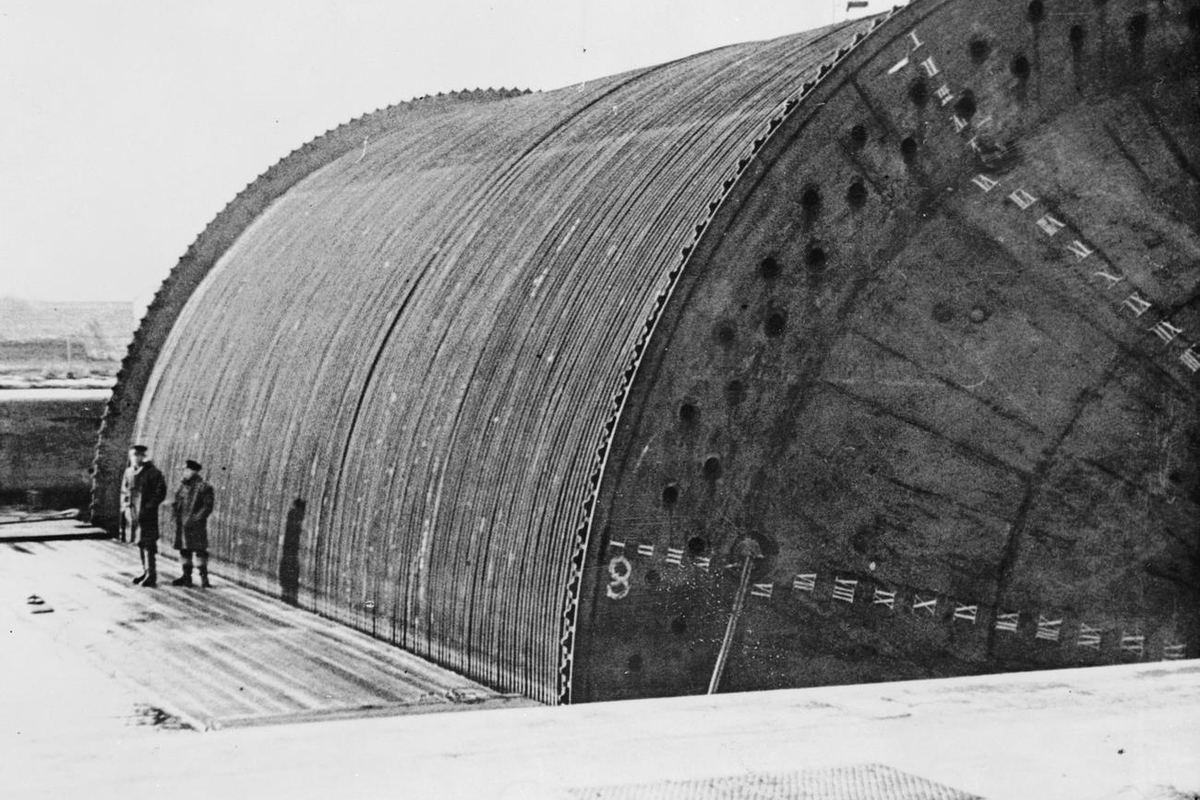
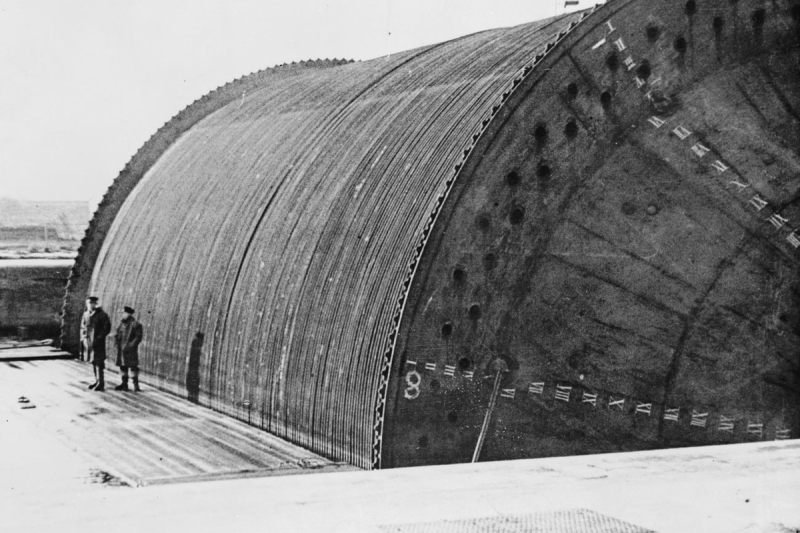
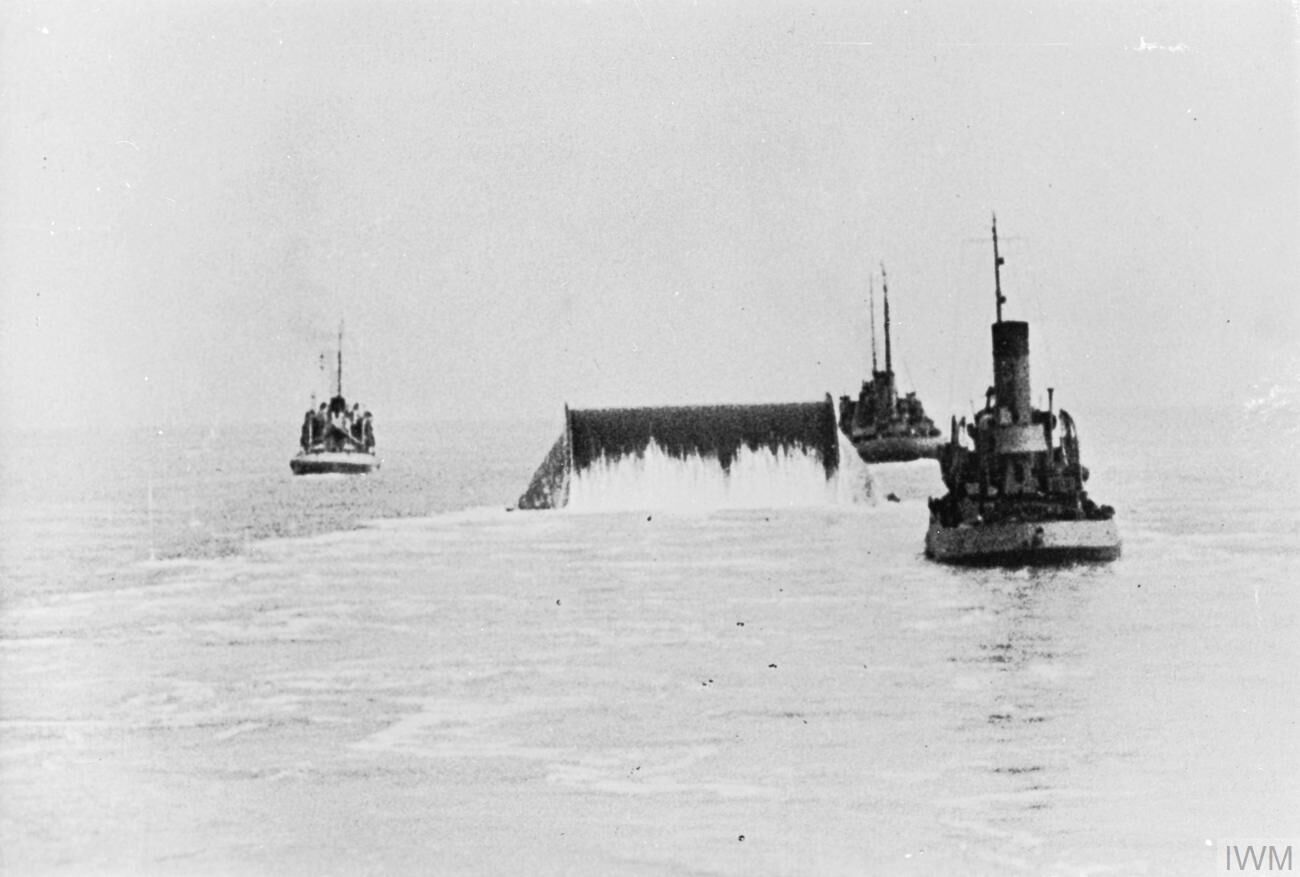
The HAMEL design concerned a flexible pipe constructed out of mild steel, at 3-½ inches in diameter. Lengths of the pipe were produced in 40-foot segments which would then be resistance welded together to create a longer flexible pipeline that could be laid on the seafloor. The steel-based pipe was stiffer than the cable-like HAIS, which caused an issue—it couldn’t readily be coiled up in a ship’s hold. Instead, giant floating drums were constructed at some 40 feet in diameter, nicknamed “Conundrums.” These were to be towed by tugs or hauled by barges to lay the pipeline across the Channel. Testing took place by laying pipelines to the Isle of Wight, which proved the concept was viable for deployment.
Beyond the two types of pipeline, a great deal of work went into the supporting infrastructure for the project. War planners had to build pumping stations to feed the pipelines, as well as ensure that they could in turn be fed fresh fuel from the UK’s network of fuel storage facilities and refineries. All this had to be done with a certain level of camouflage, lest German aircraft destroy the coastal pumping stations prior to the British invasion of the continent. Two main stations at Sandown and Dungeness were selected, and were intended to be connected via undersea pipe to the French ports of Cherbourg and Ambleteuse, respectively. The Sandown-Cherbourg link was to be named Bambi, while the Dungeness-Ambleteuse link would be named Dumbo, referencing further Disney properties since the overall project was called Pluto.
The Big Dance
On D-Day, the initial landings and immediate securing of the beachhead would run on pre-packaged fuel supplies in jerry cans and drums. The pipelines were intended to come later, ensuring that the Allied forces had the fuel supplies to push deep into Europe as they forced back the German lines. It would take some time to lay the pipelines, and the work could only realistically begin once the initial ports were secure.
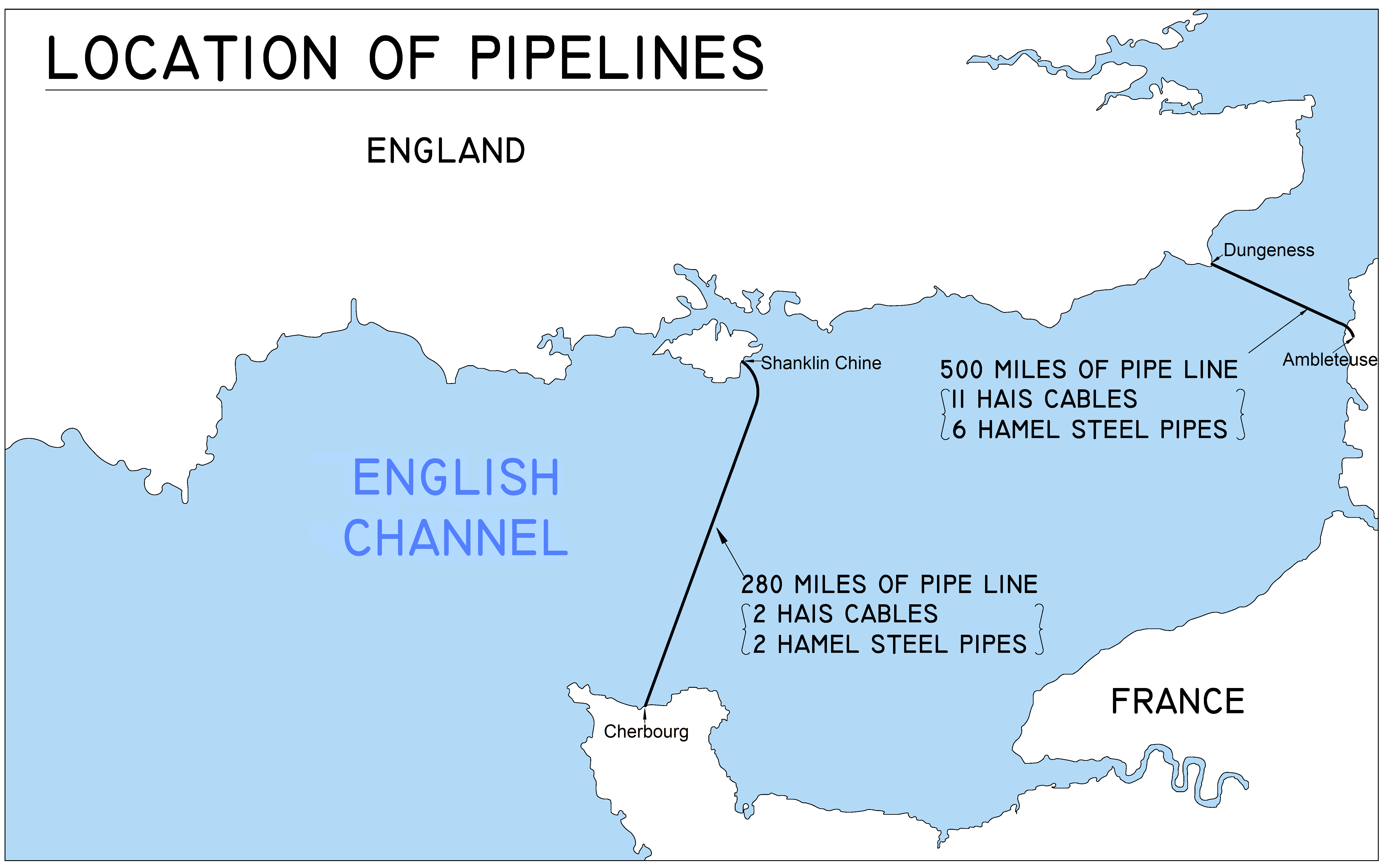
Bambi was intended to go into operation just 75 days after D-Day, assuming that Allied forces had managed to capture the port of Cherbourg within eight days of the landings. This process instead took 21 days due to the vagaries of war. Efforts to lay a HAIS pipeline began as soon as 12 August 1944, just 67 days after D-Day, only to fail due to an anchor strike by an escort destroyer. The second effort days later was scuppered when the piping was wound up in the propeller of a supporting craft. A HAMEL pipelaying effort on 27 August would also fail thanks to barnacles jamming the massive Conundrum from rotating, and while cleaning efforts freed it up, the pipeline eventually broke after just 29 nautical miles of the 65 nautical mile journey.
It wasn’t until 22 September that a HAIS cable was successfully installed across the Channel, and began delivering 56,000 imperial gallons a day. A HAMEL pipe was then completed on the 29 September. However, both pipes would fail just days later on October 3 as pressure was increased to up the rate of fuel delivery, and the Bambi effort was cancelled. Despite the great efforts of all involved, the pipelines had delivered just 935,000 imperial gallons, or 3,300 long tons of fuel—a drop in the ocean relative to what the war effort required.
Dumbo would prove more successful, perhaps with little surprise that the distances involved were shorter. The first HAIS pipeline was completed and operational by 26 October. The pipeline was redirected from Dungeness to Boulogne instead of the original plan to go to Ambleteuse thanks to heavy mining by the Germans, and covered a distance of 23 nautical miles. More HAIS and HAMEL pipelines followed, and the pipeline would later be extended to Calais to use its rail links for delivery further inland.
A total of 17 pipelines were eventually laid between the two coasts by the end of 1944. They could deliver up to 1,300 long tons of fuel per day—soon eclipsing the Bambi efforts many times over. The HAMEL pipelines proved somewhat unreliable, but the HAIS cable-like pipes held up well and none broke during their use until the end of the war in Europe. The pipelines stuck to supplying petrol, while initial plans to deliver other fuels such as high-octane aviation spirit were discarded.

Overall, Operation Pluto would deliver 370,000 long tons of fuel to support Allied forces, or about 8 percent of the total. The rest was largely delivered by oceangoing tankers, with some additional highly-expensive aerial delivery operations used when logistical lines were stretched to their very limits. Bulk fuel delivery by undersea pipeline had been proven possible, but perhaps not decisively important when it came to wartime logistics.
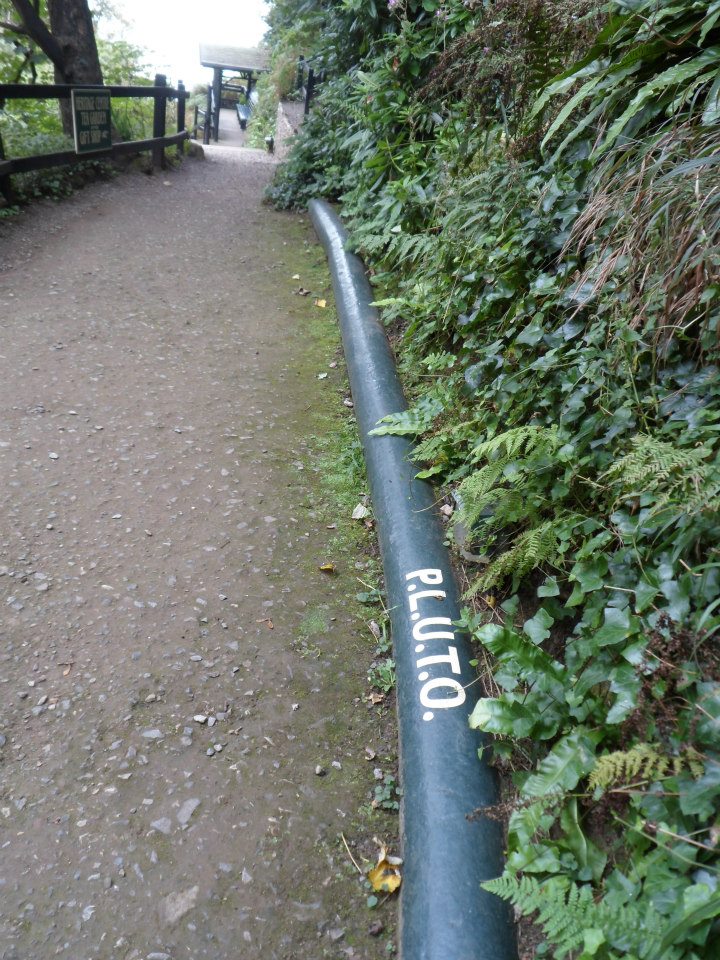
Arguments as to the value of the project abound in war history circles. On the one hand, Operation Pluto was yet another impressive engineering feat achieved in the effort to bring the war to an end. On the other hand, it was a great deal of fuss and ultimately only delivered a moderate portion of the fuel needed to support forces in theatre. In any case, there are still lingering reminders of Operation Pluto today—like a former pumping station that has been converted into a minigolf course, or remnants of the pipelines on the Isle of Wight.
Since World War II, we’ve seen precious few conflicts where infrastructure plays such a grand role in the results of combat. Nevertheless, the old saying always rings true—when it comes to war, amateurs discuss tactics, while professionals study logistics.
This articles is written by : Nermeen Nabil Khear Abdelmalak
All rights reserved to : USAGOLDMIES . www.usagoldmines.com
You can Enjoy surfing our website categories and read more content in many fields you may like .
Why USAGoldMines ?
USAGoldMines is a comprehensive website offering the latest in financial, crypto, and technical news. With specialized sections for each category, it provides readers with up-to-date market insights, investment trends, and technological advancements, making it a valuable resource for investors and enthusiasts in the fast-paced financial world.