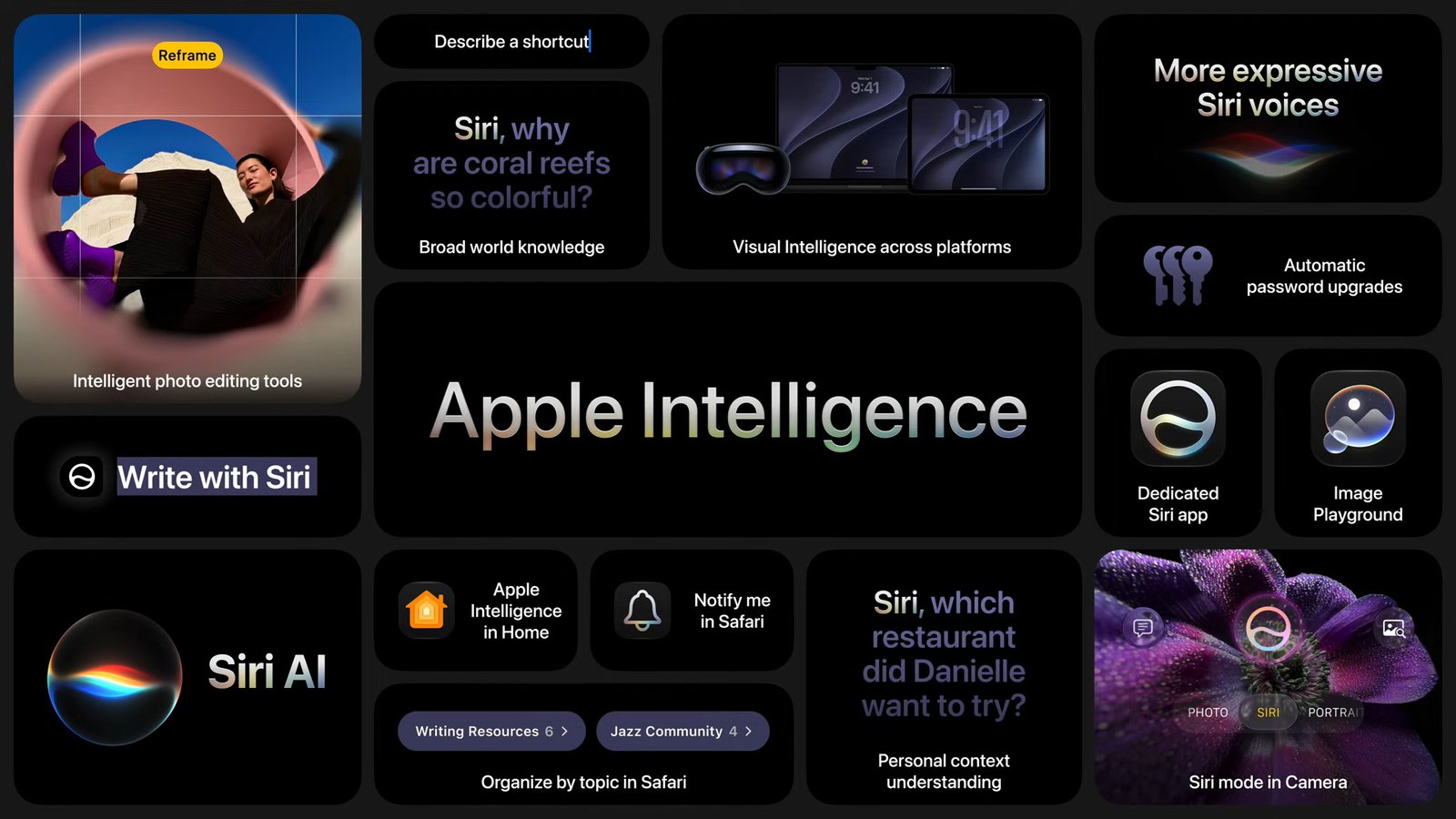
One of the most promising new AI features Apple announced during Monday’s WWDC keynote is also among the scariest: the ability for Apple’s Passwords app to replace your weak and compromised passwords on its own, with the help of AI agents working on your behalf.
Wait a second: AI agents running around with your passwords? That’s crazy! Giving a password to an AI chatbot is, generally speaking, one of the biggest AI no-nos, making Apple’s new agentic Passwords feature a non-starter. Right?
Well, maybe not. One area in which Apple has excelled is privacy, with its iCloud storage service earning a well-deserved reputation for keeping all eyes — including Apple’s — off your data. Personally, I don’t put my bank statements in Google Drive, but I do store them in iCloud.
With Privacy Cloud Compute, a secure cloud-based infrastructure that Apple’s been touting since its original (and botched) Apple Intelligence pitch two years ago, Apple is hoping to extend its reputation for robust privacy to its newest AI features, including those that many of us would otherwise be wary of trusting.
In a nutshell, Privacy Cloud Compute is Apple’s way of keeping your personal data private even when you’re performing AI-related tasks that require the cloud. Apple’s end-to-end encrypted Privacy Cloud Compute servers are designed to be inaccessible to third parties, including Apple, and any data sent there is wiped once it’s no longer needed. Even better, Privacy Cloud Compute won’t keep any of your data for training AI models.
Of course, putting our trust in Privacy Cloud Compute is a big ask, which is why Apple has opened up the system’s architecture to outside researchers to verify its integrity. There are also white papers aplenty that detail Privacy Cloud Compute down to the last bit.
But let’s say, just as a thought experiment for now, that Privacy Cloud Compute can be trusted, meaning we would be able to trust Apple Intelligence with changing our passwords. That would open the door to all kinds of other AI functionality that many everyday AI users, including me, simply refuse to entertain at this point.
Take, for instance, allowing AI to dip into our finances. I’ve already expressed my reluctance to let ChatGPT delve into my banking accounts. But if Privacy Cloud Compute is the real deal, I’d be much more liable to right-click a bank statement on my desktop and select Ask Siri, triggering a conversation with the newly enhanced assistant about my credit card charges.
Then there’s Siri AI’s upcoming ability to search across our email and Message threads, plucking out personal details that our friends or colleagues may have sent us. Personally, I’d feel a lot better about
— and more willing to use — Siri AI with the Messages app if I knew Privacy Cloud Compute was shielding my personal data (and the private details of others) from prying eyes.
There were other Apple Intelligence features that intrigued me during Apple’s strikingly subdued WWDC keynote. (I believe the word “agentic” only came up once or twice, and there was no “AI agent” talk at all.) I thought the ability to essentially vibe-code Safari browser extensions was pretty clever, and I look forward to building Apple Shortcuts (which, up until now, I’ve found impenetrable) with natural language prompts.
Overall, I was impressed by how Apple stuck with the basics in its big Apple Intelligence reintroduction, and for me, privacy is — or should be — one of the basics when it comes to AI.
If Apple can stick the landing with Privacy Cloud Compute, it could change the way we use AI more than an army of AI agents ever could.
This articles is written by : Nermeen Nabil Khear Abdelmalak
All rights reserved to : USAGOLDMIES . www.usagoldmines.com
You can Enjoy surfing our website categories and read more content in many fields you may like .
Why USAGoldMines ?
USAGoldMines is a comprehensive website offering the latest in financial, crypto, and technical news. With specialized sections for each category, it provides readers with up-to-date market insights, investment trends, and technological advancements, making it a valuable resource for investors and enthusiasts in the fast-paced financial world.