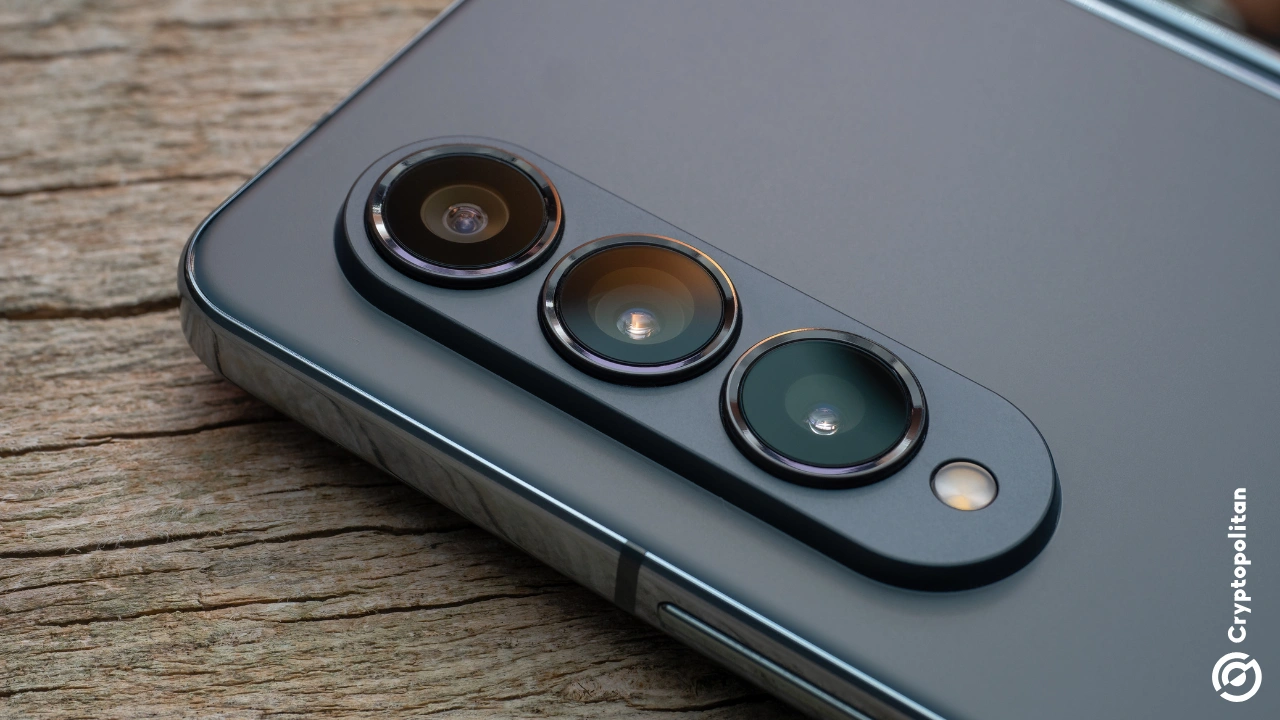
Google has rolled out a series of changes to Android phones, bringing small but meaningful improvements to typing and search functions, while reports suggest the tech company may soon extend a key security feature to Samsung devices.
The most noticeable change affects Gboard, Google’s keyboard application for Android phones. Users who press the apostrophe key will now find themselves back at the letter screen right away, rather than remaining stuck on the symbols page. This brings Gboard in line with what Samsung’s default keyboard and Apple’s iPhone keyboard have done for some time.
Beyond the keyboard fix, Android is getting a bigger visual overhaul through Material 3 Expressive. The update brings several changes to how the operating system looks. Users will notice a split design for notifications and quick settings, increased blur effects throughout the interface, and close to thirty new design elements that change shape. The overall result is meant to feel less crowded with better use of empty space.
Economic pressures drive software polish
These updates come at a difficult moment for the smartphone industry. Reports from January 2026 indicate the worldwide smartphone market faces shrinking sales, with shipments expected to drop 2.1% over the course of the year. The main reason is what analysts call an “AI memory crunch.” Companies running AI data centers are buying up high-bandwidth memory for servers, leaving less available for consumer products. This shortage has pushed RAM and storage component costs up by 40% to 50%.
For Google, making the interface look and work better is about more than just appearance. With hardware expenses climbing, the average selling price for phones is set to jump 6.9% compared to last year. Research firm Counterpoint notes that memory chips now make up 18% to 20% of what it costs to build high-end phones. By closing the gap with Apple through improvements like the Gboard update, Google hopes to give consumers software quality that makes sense with higher prices, especially as people keep their phones longer before upgrading.
Google has also changed how voice search appears on Android. The familiar four-dot pattern that showed up during voice commands is gone. In its place sits a gradient version of Google’s “G” logo. When the system listens to a user, a four-color curved line shows on screen to indicate it’s working.
The feature for identifying music has been redesigned as well. Instead of a globe made of colored dots, users now see a larger button that says “Search a song.” This tool can figure out what song is playing, whether someone plays it, sings it, or hums the tune. These voice features can be accessed through the microphone icon in the Google app, the search widget on home screens, or the Pixel Launcher on Pixel phones.
Sharing security technology
Analysis of Google’s application code by Android Authority has revealed clues that scam detection might soon arrive on Samsung’s Galaxy S26 series. The findings, attributed to the tipster AssembleDebug, point to device codenames within the Google Phone app that hint at which phones will receive the tool next. This security feature currently works only on Pixel devices and uses Gemini artificial intelligence to shield users from fraudulent phone calls. Samsung already features Gemini prominently on phones like the Galaxy S25 when users first set them up.
The tipster reportedly found device codenames in Google’s Phone app code after a recent update that hint at which phones will receive scam detection next. If true, this signals Google spreading its AI-powered safety features beyond its own products to boost Android’s standing against competing platforms. This represents a change in how Google does business. By giving Samsung access to Pixel-exclusive AI tools, Google is putting the overall Android ecosystem’s health ahead of its own phone sales.
In January 2026, Samsung co-CEO TM Roh announced plans to double Gemini-powered Galaxy devices to 800 million units by year’s end. This “Gemini Alliance” responds directly to Apple, which reached a record 20.1% market share in late 2025. With the mobile AI market heading toward a $32.35 billion valuation this year, Google and Samsung recognize they cannot compete with Apple’s integrated approach separately. By combining their software capabilities, they aim to hold onto the premium market segment where customer loyalty runs deepest and profit margins hold up best against ongoing chip supply problems.
The smartest crypto minds already read our newsletter. Want in? Join them.
This articles is written by : Nermeen Nabil Khear Abdelmalak
All rights reserved to : USAGOLDMIES . www.usagoldmines.com
You can Enjoy surfing our website categories and read more content in many fields you may like .
Why USAGoldMines ?
USAGoldMines is a comprehensive website offering the latest in financial, crypto, and technical news. With specialized sections for each category, it provides readers with up-to-date market insights, investment trends, and technological advancements, making it a valuable resource for investors and enthusiasts in the fast-paced financial world.