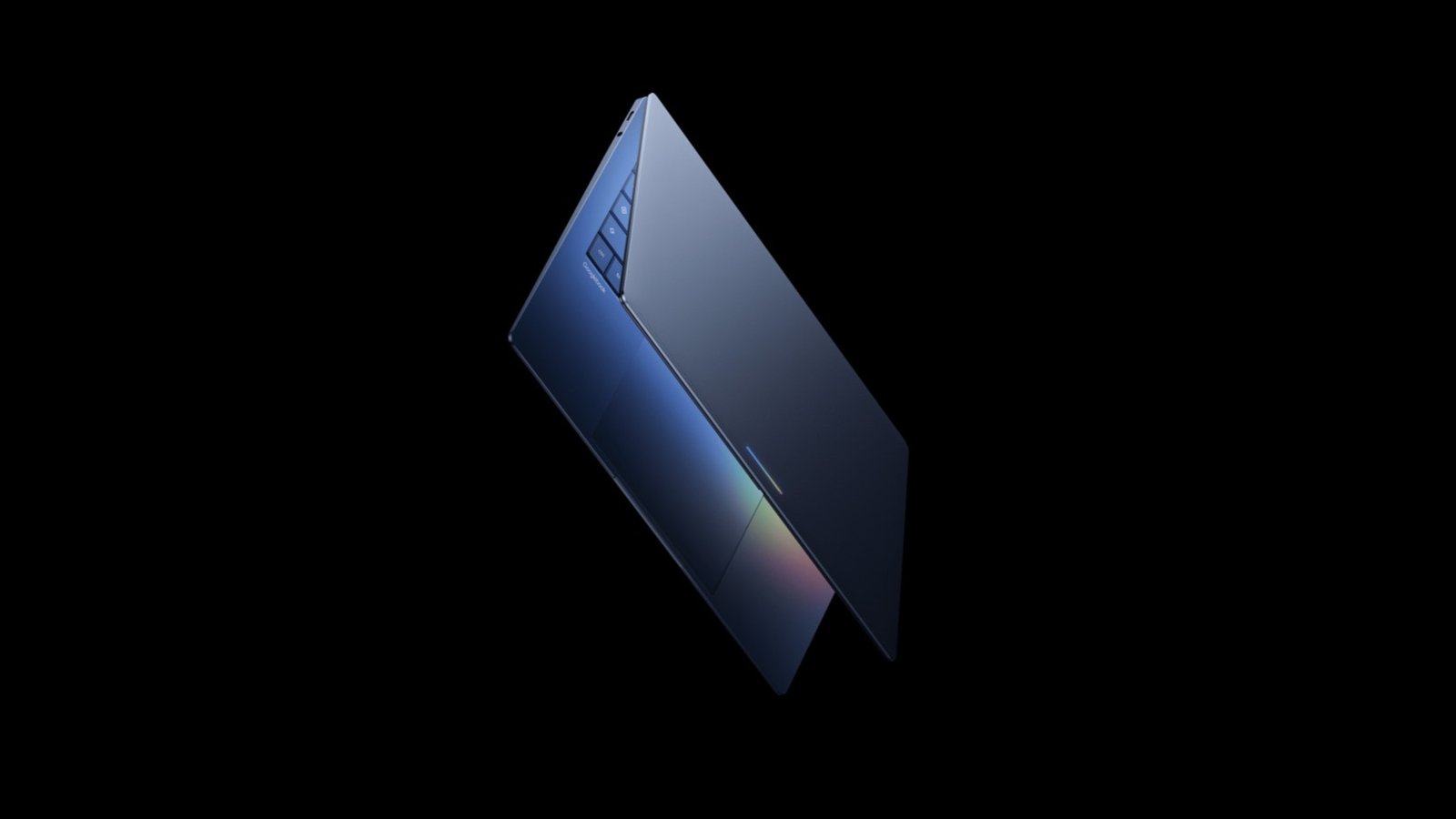
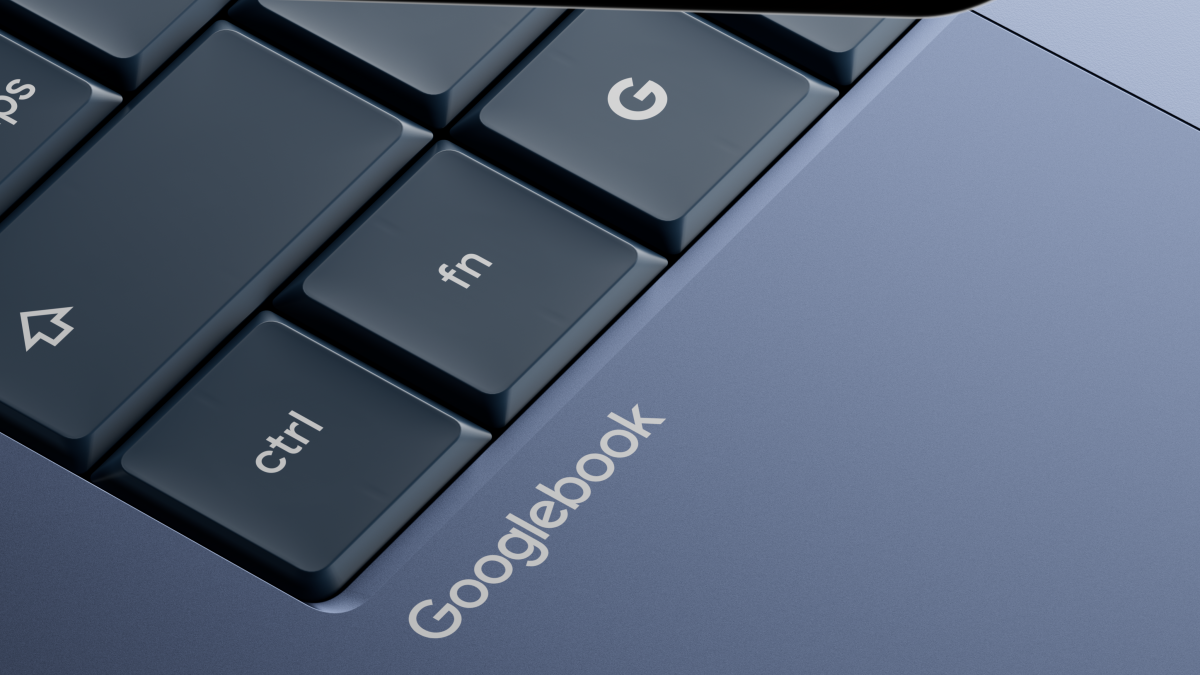
Google just unveiled Googlebooks, a new Gemini-first laptop category that fundamentally rethinks what’s possible from your PC — for better and worse.
For decades, personal computers weren’t smart devices. They were open-ended tools that gave you total control of how you worked with information presented to you. You installed whatever you wanted, deleted whatever you wanted, organized folders how you liked. It was a neutral, passive thing until you told it otherwise. There were no suggestions from the PC itself.
That model is starting to shift, and I’m having a hard time getting on board.
Google is now thrusting Googlebooks out onto the stage. They’re the new generation of AI-first laptops, powered by Android and ChromeOS. And it’s not just upgrades, either. It’s an entirely new philosophy. Instead of waiting for your input, they’re designed to predict your intent and suggest actions before you’ve finished a thought. It is Google’s computer acting on your behalf — not your computer under your control.
That makes these Googlebooks something new: the first truly anti-personal personal computers.
The operating system is anticipatory
As my colleague Michael Crider so succinctly put it, Googlebooks are “a platter for serving you Gemini.” Gemini, Google’s LLM, is embedded throughout the whole system and it’s designed to predict intent and propose actions. A prime example of this is the Magic Pointer tool (which we didn’t love in our initial hands-on).
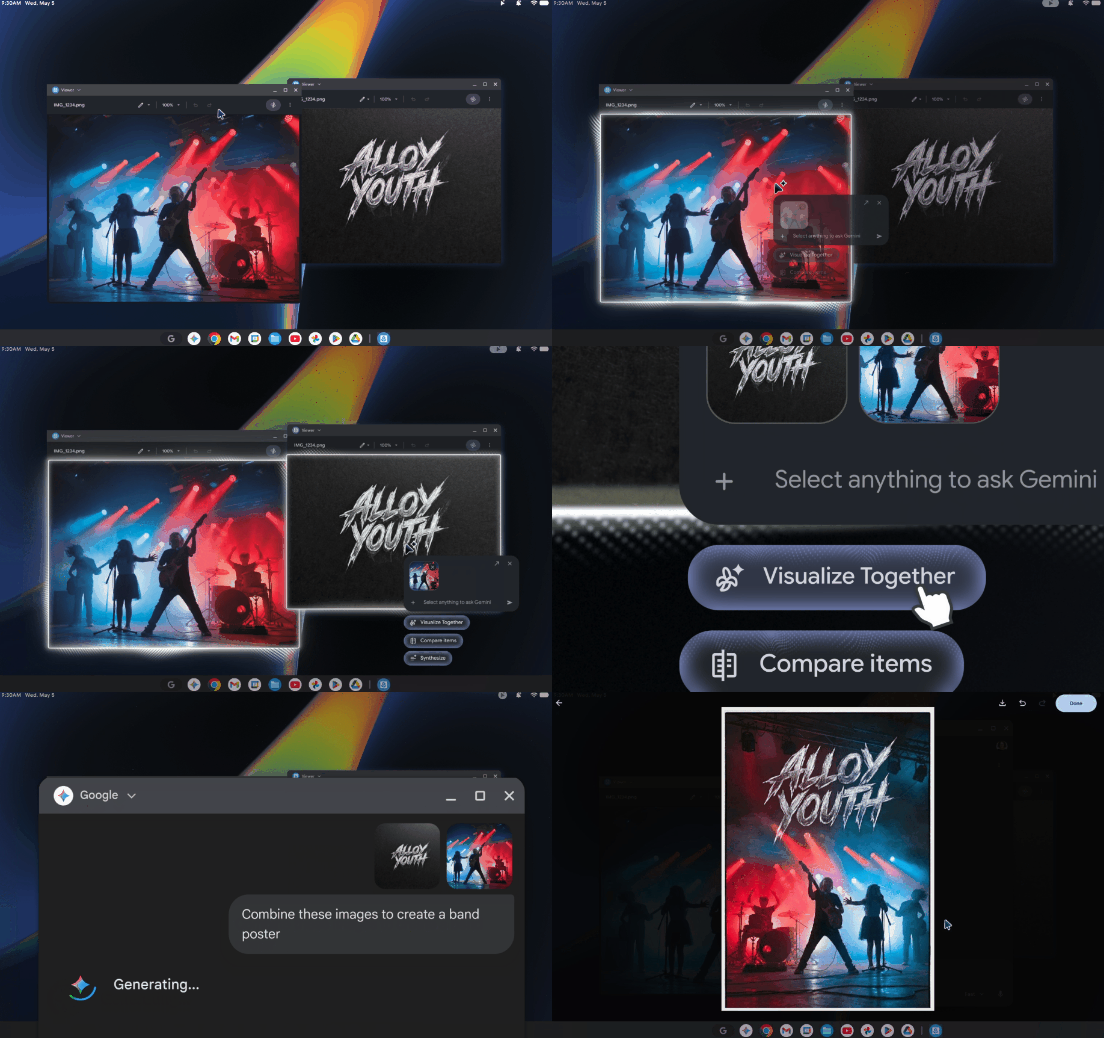
Your mouse cursor is no longer a silent, unobtrusive thing that drifts across a screen. Now it can understand what you’re pointing at and offer contextual suggestions. It doesn’t need a long text prompt to work. All you have to do is wiggle the damn thing to wake it up.
Built by Google’s DeepMind team, the Magic Pointer tool can do a lot of things: it can merge two images together, summarize a highlighted paragraph, reserve a table at a restaurant, add dates to your calendar by clicking on them, and more. The system connects the dots for you, and it thinks faster than you ever will.
This is also where the operating system stops being a passive workspace. It doesn’t just respond to what you do anymore, responding to your inputs, clicks, and button presses. Now it infers.
And if that makes you squirm, welcome to the club! So, why would anyone actually want this?
Why Googlebooks might be appealing
Some folks just don’t want to deal with oodles of apps, tabs, and… decisions. Googlebooks aim to connect everything, which may feel like a sigh of relief to some. Humans are imperfect by design and they often forget things, so this system acts like a safety net in some ways.
But while this system eliminates those daily annoyances, it also weakens our thinking and decision making. If you don’t ever have to manually create a calendar invite anymore because the system just does it for you, what happens to that skill over time? Do you slowly stop remembering how to do certain things because you’re not doing them yourself anymore?
So what happens if we continue to normalize this, and what do we lose?
The cost of offloading
Let’s go back in time for a second.
Traditional personal computers gave you a blank space by default. Nothing was interpreted for you. If you wanted to do something, you had to figure it out with nothing but your brain and the help of fellow forum nerds. Even the simple stuff like finding a file or creating a calendar event consisted of an intentional sequence of steps. You had to move through the process first before you reached the outcome.
This matters.
It’s important to build familiarity with an operating system. You need to know what specific tools do or where certain things live. But with an AI-first system like the new Googlebook, your skills may begin to atrophy.
Is this AI-first system efficient? Sure. But it’s that efficiency that changes the relationship between you and your machine.
The personal computer is changing
The original personal computer gave people unprecedented control over information and tools, with plenty of room to explore and grow. You learned the system by moving through it and making decisions. Googlebooks are entirely different; they don’t wait for your input. Instead, they try to predict what you’ll do and then suggest a course of action based on that. Google’s new laptops promise frictionless assistance, intelligent mediation, and invisible computing.
Honestly? For a lot of people, that’ll probably feel great. But it is not the same vision as the traditional personal computer.
A computer that anticipates your needs while limiting your choices may be highly personalized—yet fundamentally anti-personal.
Googlebook may be the first laptop that knows what you want… and the first one that makes you wonder who is really in charge.
This articles is written by : Nermeen Nabil Khear Abdelmalak
All rights reserved to : USAGOLDMIES . www.usagoldmines.com
You can Enjoy surfing our website categories and read more content in many fields you may like .
Why USAGoldMines ?
USAGoldMines is a comprehensive website offering the latest in financial, crypto, and technical news. With specialized sections for each category, it provides readers with up-to-date market insights, investment trends, and technological advancements, making it a valuable resource for investors and enthusiasts in the fast-paced financial world.