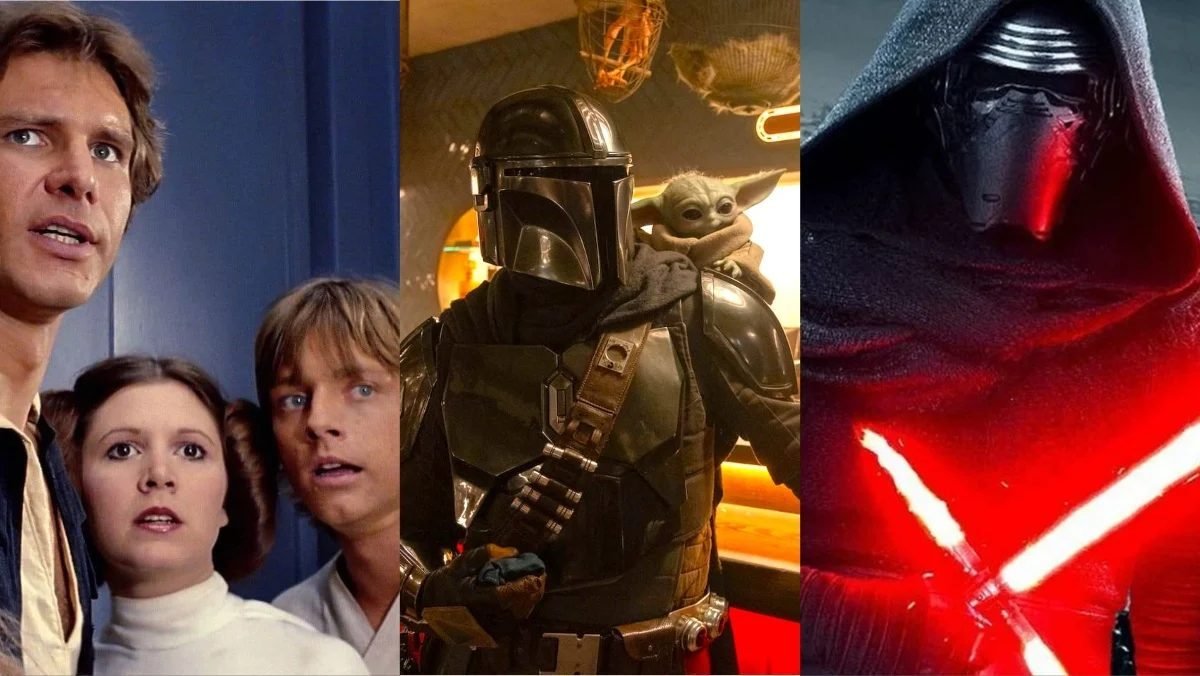
When Star Wars: The Force Awakens arrived in 2015, it was with an air of mystery. The project was so shrouded in secrecy that we didn’t even know character names until after the first teaser, let alone the state of the galaxy post-Return of the Jedi. Once released, many of our biggest questions remained unanswered. It’s only now, more than a decade later, that we’re starting to gain a clearer picture of what happened politically between the original trilogy and the sequels.

When The Force Awakens begins, it’s clear the Empire is gone but replaced by a new Imperial threat called the First Order, a fringe militia ruled by Supreme Leader Snoke, with gifted Force user Kylo Ren—son of Han and Leia, nephew of Luke—as his dark-sided lieutenant. The New Republic exists, but mostly offscreen, with Leia leading a scrappy Resistance instead of a unified government.
The sequel trilogy gave us pieces of the story, but never fully explained what happened in the galaxy after the Rebels successfully destroyed the second Death Star and ended the Empire. What led to the instability we found ourselves in at the beginning of the sequels?

That’s part of what made Disney+’s first live-action Star Wars television show, The Mandalorian, such an exciting prospect. The first season, released in November 2019, was the first big Star Wars project set between the original and sequel trilogies. It begins just a few years after the events of Return of the Jedi and explores what the post-Empire galaxy looks like on the ground. Instead of a clean victory, it revealed a galaxy exhausted by war and still crawling with Imperial loyalists.
Now, The Mandalorian and Grogu—the latest theatrically released Star Wars film and continuation of the TV series—pushes that story forward even more. While the film doesn’t dramatically rewrite what we know about the sequel timeline, nor does it contain any major revelations, it does continue showing the uneasy state of the galaxy after the Empire’s fall. With Din Djarin now working for the New Republic to hunt down Imperial warlords, we’re introduced to goons like Coyne, the leader of a faction of Empire remnants, and others lurking on the edges of society.
The Mandalorian and Grogu may not answer every lingering sequel-era mystery, but it does remind us how many questions still exist about the galaxy that eventually becomes the setting of the sequel trilogy. Here are some of the biggest ones.
5 Questions We Still Have About How We Got From the Original Star Wars Movies to the Sequels
How Did the New Republic Become So Ineffective?

One of the biggest things The Mandalorian establishes early on is that the New Republic is already struggling before the rise of the First Order.
Outer Rim planets are frequently left to fend for themselves. The Adelphi Rangers operate more like messy local law enforcement than a military force. Coruscant’s rehabilitation bureaucracy seems detached from the rest of the galaxy. Pirates and Imperial holdouts operate out in the open. By the time of The Force Awakens, the New Republic is so fragile that the First Order’s Starkiller Base wipes it out almost instantly.
But how did it become that fragile so quickly? We know demilitarization was a deliberate political decision after the Empire’s fall, but the sequels still leave major questions about the Republic. Did the galaxy simply lose faith in centralized power after decades of war? Or were they naive to red flags so quickly after victory?
When Did the Imperial Remnants Become the First Order?
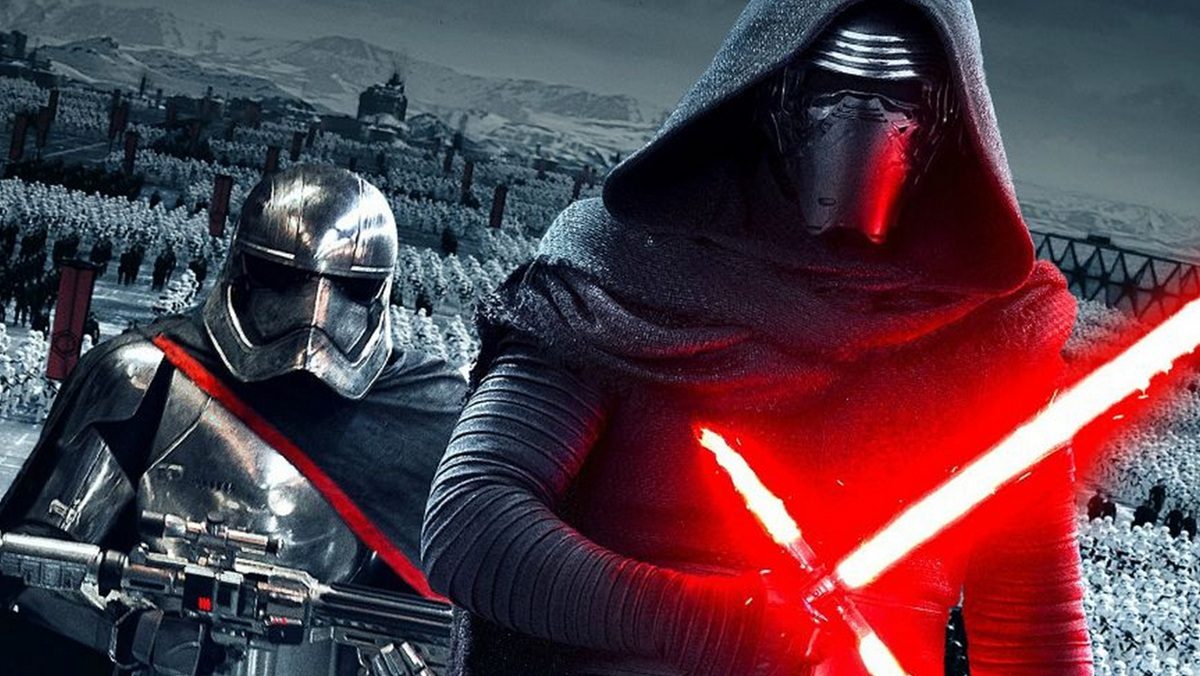
The Mandalorian Season 3’s Shadow Council is probably the closest glimpse of the First Order we’ve had in live action. Following the Empire’s defeat during the Battle of Jakku, surviving leadership scattered into the Unknown Regions as part of Palpatine’s long-laid contingency plans to help the Empire survive and eventually usher in his return. The surviving factions slowly evolved into the First Order.
But there’s still a major gap between scattered Empire loyalists and the massive fascistic military power we see in the sequels. At what point did these hidden factions formally unite? How clued in was the New Republic to what was happening?
Why Didn’t More People Listen to Leia?

A sad implication of the sequels is that Leia Organa is able to recognize the growing threat of the Empire’s resurgence—probably due to her son’s shifting allegiance and dark-side tendencies—but is more or less ignored by the New Republic. When The Force Awakens opens, Leia is leading a Resistance group that is operating more like a side quest instead of a function of the new government.
Why is no one taking the threat as seriously as she is? In the 2016 novel Bloodline, which is part of official canon, we learn that part of Leia’s political downfall is a result of the public discovering Darth Vader was her father. But the galaxy’s larger indifference to the conflict still feels unresolved. Was the Republic too consumed by political infighting to notice, or was something else going on that had them distracted?
What Exactly Was Going On With Imperial Cloning?

What started as a mystery about Grogu’s blood has become one of the biggest connective threads between The Mandalorian and The Rise of Skywalker, the final film in the sequel trilogy.
The Mandalorian introduces us to Dr. Pershing and the cloning facilities on Nevarro, and to Gideon’s Force-sensitive clone bodies that are suspended in tanks, much like Snoke’s in The Rise of Skywalker. In the third season, we learn about the aptly named “Project Necromancer”, the clearest live-action hint yet that Palpatine’s contingency plans are underway.
But there are still some major missing pieces. Who is overseeing all of these experiments? How directly connected are they to the planet Exgeol? And what is Palpatine’s involvement at this stage of the game?
Why Is Anyone Still Loyal to the Empire?
This is one of those things that probably won’t be answered in full, because it’s more of an emotional question than a logical one. But it’d still be great to learn more about the human conditions that create Imperial loyalism. In The Mandalorian, we see that the Empire isn’t just revered for its former military status but because of its ideology.
Former Imperialists blend easily into Republic society. Characters like Elia Kane operate from inside the system, while regular Outer Room citizens seem less concerned with who rules them than with their ability to maintain stability and safety. The First Order did not emerge in a vacuum; in many corners of the galaxy, it seems like the conditions for authoritarianism never quite disappeared. But why, exactly? What else was going on in the galaxy that kept this loyalism alive? If Snoke was able to court Ben Solo and turn him to Kylo Ren, surely there were other deceptive recruiters snaking their way through the galaxy, looking for fresh blood.
The Mandalorian, as well as its cinematic continuation The Mandalorian and Grogu, are packed full of all sorts of ideas—about found family, bravery, sacrifice, love. But it’s also a timeline that’s quite revealing about the status of the galaxy post-Empire. The bad guys might have lost the war, but the galaxy never fully escaped its shadow. Here’s hoping future seasons of the show bring us even closer to the truth about how this cycle was able to repeat so soon.
The Mandalorian and Grogu is now streaming in theaters.
The post 5 Questions We Still Have About the Rise of the First Order in STAR WARS’ Sequel Trilogy appeared first on Nerdist.
This articles is written by : Nermeen Nabil Khear Abdelmalak
All rights reserved to : USAGOLDMIES . www.usagoldmines.com
You can Enjoy surfing our website categories and read more content in many fields you may like .
Why USAGoldMines ?
USAGoldMines is a comprehensive website offering the latest in financial, crypto, and technical news. With specialized sections for each category, it provides readers with up-to-date market insights, investment trends, and technological advancements, making it a valuable resource for investors and enthusiasts in the fast-paced financial world.