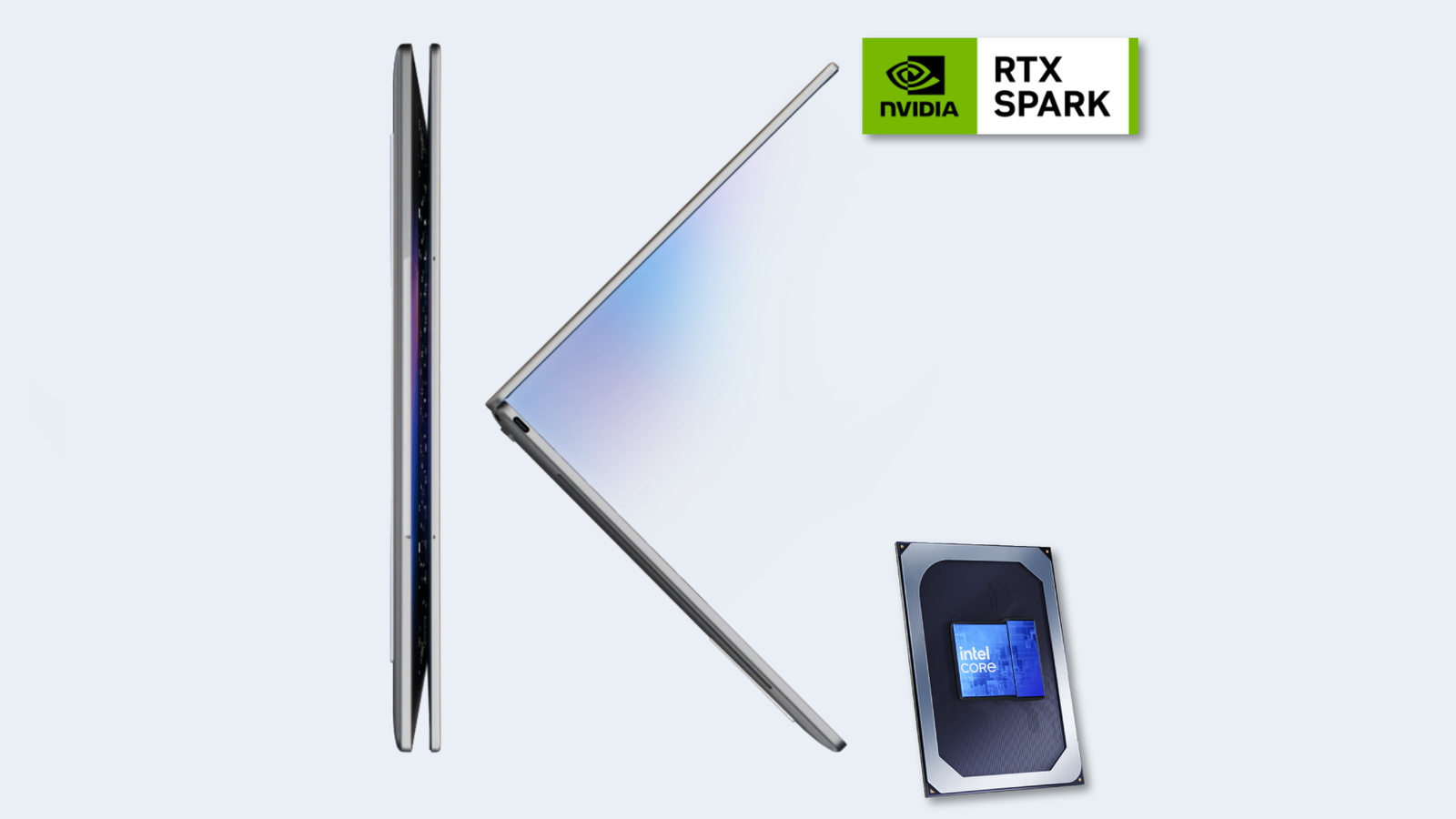
Being a techy person in 2026 — or even someone who just needs a new laptop — is hell. Performance is amazing, but devices that used to be affordable are beginning to balloon in price. And “affordable” is now a rapidly moving target, with computers of the same price getting less capable for the first time in living memory. The “K-shaped economy” appears to be hitting the PC space hard.
If you’re unfamiliar with the term, K-shaped economy means that the market separates into two broad segments: those with enormous wealth buying high-cost goods and services, and a far greater group who can barely afford the basic necessities. Expressed as a graph, it looks like the letter K, with the wealthy group getting constantly wealthier while the poor get poorer, as the middle ground — the middle class — disappears. It’s come into common parlance post-COVID.
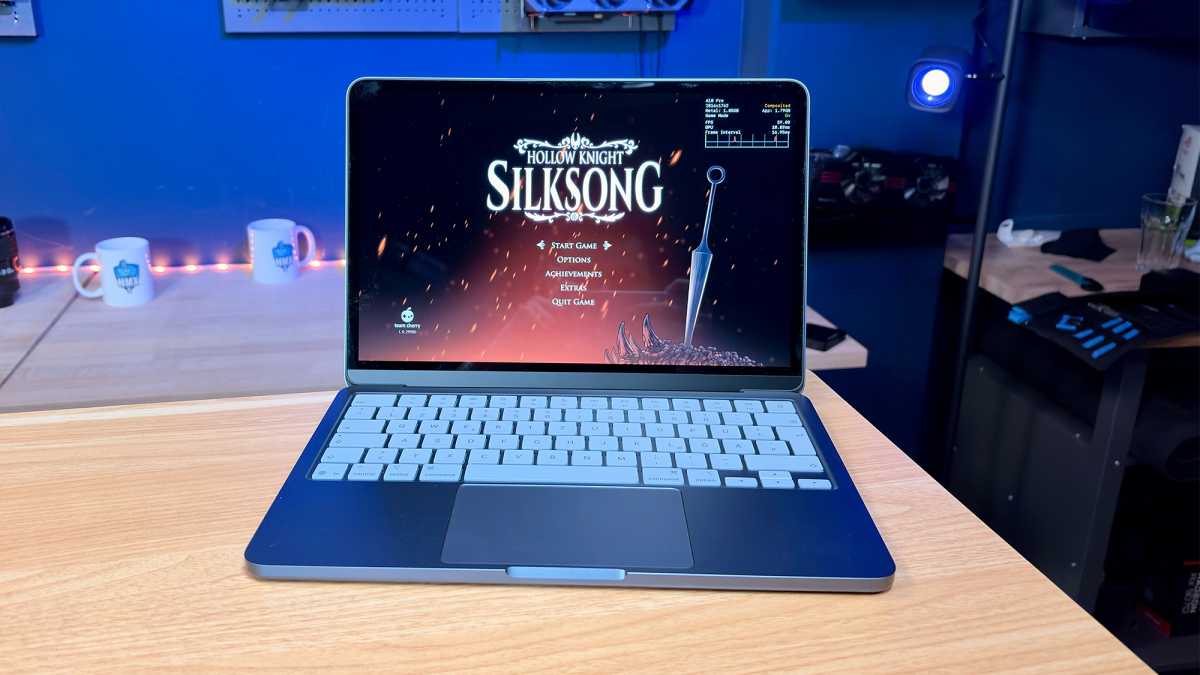
Computex is a great demonstration of this idea, with PC manufacturers scrambling to match the surprise smash hit that is the MacBook Neo while also developing more expensive models, with very little in between. The Neo is an ingenious little laptop, a way for Apple to repurpose older iPhone processors into an affordable Mac. But it’s also an incredible stroke of luck on Apple’s part — the company happened to be developing its most affordable laptop in over a decade, just as the “AI”-induced RAM crisis hits, and inflation bites down hard in many countries. It makes the MacBook Neo the obvious choice for anyone on a budget, provided they don’t insist on Windows.
Windows makes affordable laptops almost impossible
Ah yes, Windows. If there’s an albatross around the current laptop market, besot as it is by inflation and supply-chain woes, then it’s Windows. The Neo can be a good (if not amazing) laptop at a $600 entry-level price, with just 8GB of RAM, because MacOS handles memory much better than Windows does. (So do Linux and ChromeOS, apropos of nothing.) With decades of code bogging it down, and the modern internet and browsers long glutted on plenty of hardware power, using a Windows 11 laptop with just 8GB of memory is an exercise in frustration.
Eugen Wegmann
I don’t recommend anyone buy a Windows laptop with less than 16GB of RAM. And I’ve had that recommendation for years. If you won’t take my word for it, then ask Microsoft itself. Under 16GB cuts off a PC from the Copilot+ program, and all those extra features that the company has been insisting we definitely, absolutely want in our new laptops for the last two years.
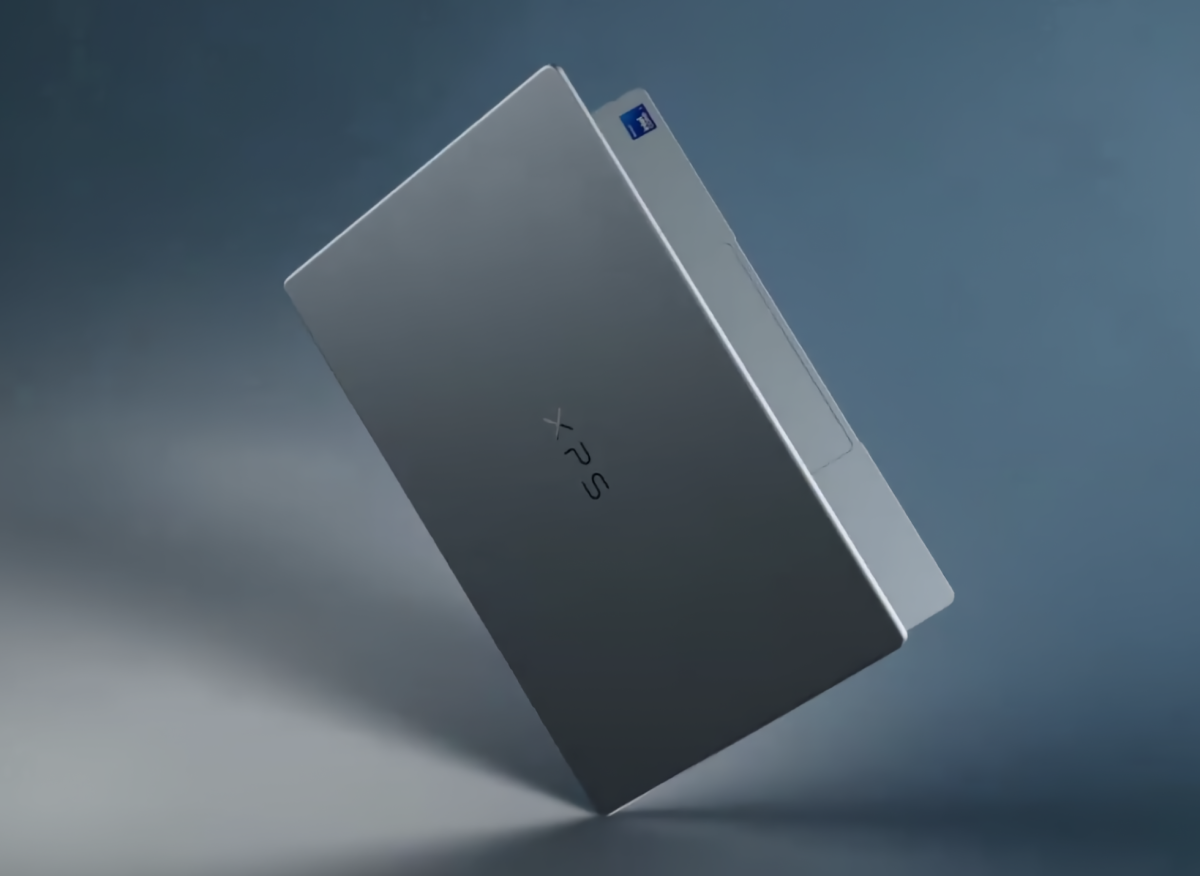
And yet, the first notable new laptop to pop out of Computex is a revived Dell XPS 13. The XPS 13 used to be the “MacBook of Windows” according to many reviewers and users, a hallmark of quality and capability. But instead of bringing back the XPS brand with a flagship, we’re getting a $700 laptop ($600 if you’re a student) with an Intel Core Series 3 “Wildcat Lake” processor, the 2026 equivalent of a Celeron or Atom. And most damning of all, it’s only got 8GB of LPDDR5 RAM at the base model.
Dell
This is not a premium laptop, even if it looks nice and has an aluminum shell. This is a compromise. A Dell representative said “We’re not racing to the bottom on price,” which is good, because they’ve already lost that race to Apple. The XPS features a touchscreen and more storage. It is, on paper, a better laptop. It’s worth keeping in mind that neither of these machines can have their 8GB of memory upgraded by the end user. And that hurts the Windows laptop far more than the Mac. Again, I can’t recommend that any regular user buy a Windows machine that’ll choke on memory past three browser tabs.
Dell isn’t the only one hoping to find space around the $600 to $700 mark. Other brands are equipping their laptops with Wildcat Lake from Intel, and Qualcomm is introducing Snapdragon C for these laptops as well, along with the usual compromises that come with Arm — basically no high-end gaming options, but more battery life and options for lighter weight. But so far as we’ve seen, none of them can get close to the MacBook Neo with its $600 starting price (absent sales or student discounts), and they’re all hamstrung by 8GB of RAM.
If someone has $600 to spend on a laptop today, and they don’t want to hunt for a used or refurbished unit, I’m telling them to buy the MacBook Neo. As a lifelong Windows user, that hurts. As a consumer advocate and someone who wants to give people the best experience they can get for their money, I have to cringe and give the nod to Apple.
Mid-range has a lack of options
What if they have a little more money to spend — say, $1000? Huh boy, we’re in a bit of a ghost town. Four figures used to get you the latest processor from Intel, if not necessarily the fastest in that range. Today that’d be a Core Ultra Series 3 chip, which has been available in retail laptops for a few months. But looking through PCWorld’s last few months of laptop reviews, not a single one of them starts within spitting distance of $1,000 — heck, all of the recent Core Ultra Series 2, AMD, and Snapdragon X2 options exceed that mark, too.
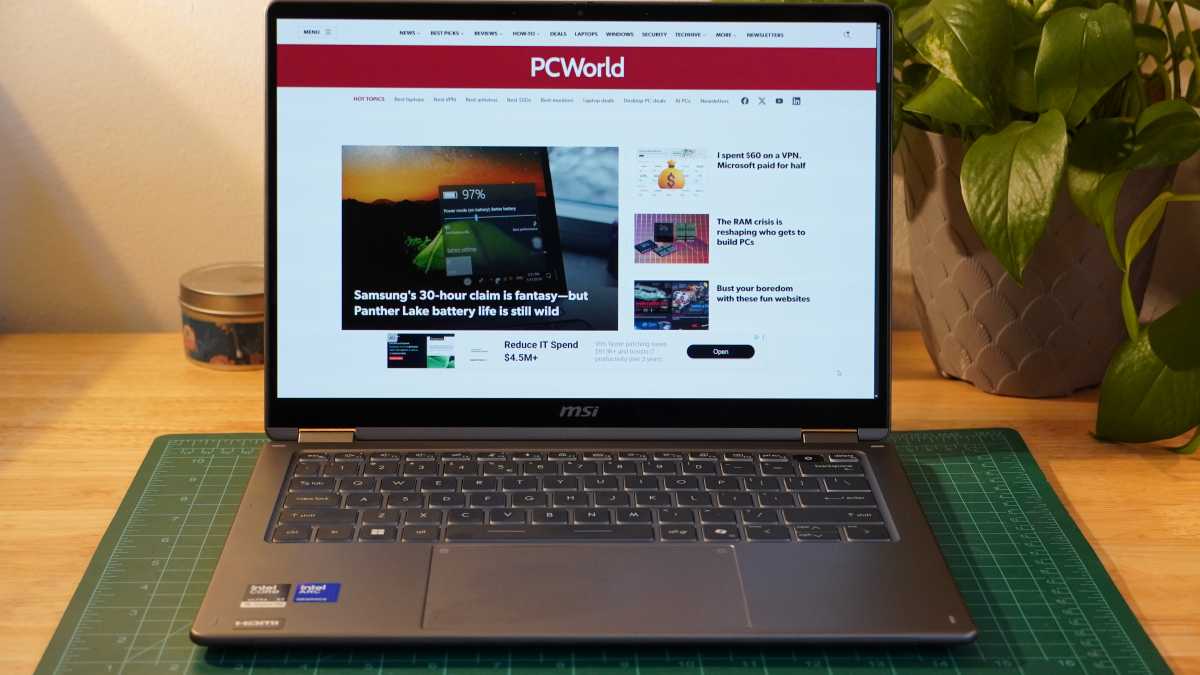
The MSI Prestige Flip 14 AI+ is the cheapest Core Ultra 3 laptop we’ve tested… at $1,530 today.
Foundry / Mark Knapp
In order to get a laptop that used to be mid-range or premium, you’re realistically looking at a starting point of $1,300. That is a lot — most Americans, and I daresay, most people around the world, can’t drop that on a whim. They’re looking at a credit card or financing option, just as a baseline for a new laptop. $1,500 gets you a little more breathing room, 32GB of RAM or more than 1TB of storage. It’s rather telling that for the Googlebook announcement unveiling the Android-based, don’t-call-it-a-replacement-for-Chromebooks, Google was talking about “premium craftsmanship and materials.” Don’t expect any deals there, at least to start.
But if you want a “performance” laptop, something that can handle serious media production or gaming, you’re now looking at around the $2,000 range. And what a coincidence: There’s a new player in the laptop space, one that’s flush with basically infinite cash, and far more interested in corporate clients than consumers. Step forth, Nvidia, with your new RTX Spark chip powering a new generation of high-powered laptops. There’s a lot we don’t know about this new platform, but it is Arm-based (like Qualcomm), and it’ll run Windows (ditto).
Nvidia shoots for the high end
But very much unlike Qualcomm’s Snapdragon, the RTX Spark chip is made for AI, AI, AI (and also maybe some gaming, possibly). The integrated graphics on these things are powerful, allegedly equivalent to a mid-range RTX 5000-series card for the N1X debut chip. Nvidia’s CEO showed off the chips running late-breaking games like Forza Horizon 6 and 007: First Light on stage, games that need some serious compromise to run on other integrated CPU/GPU setups, like the Ryzen Z series found in many pricier handhelds. If you care about performance, and you’ve been waiting for thinner, lighter laptops with serious graphical power, this is some exciting news!
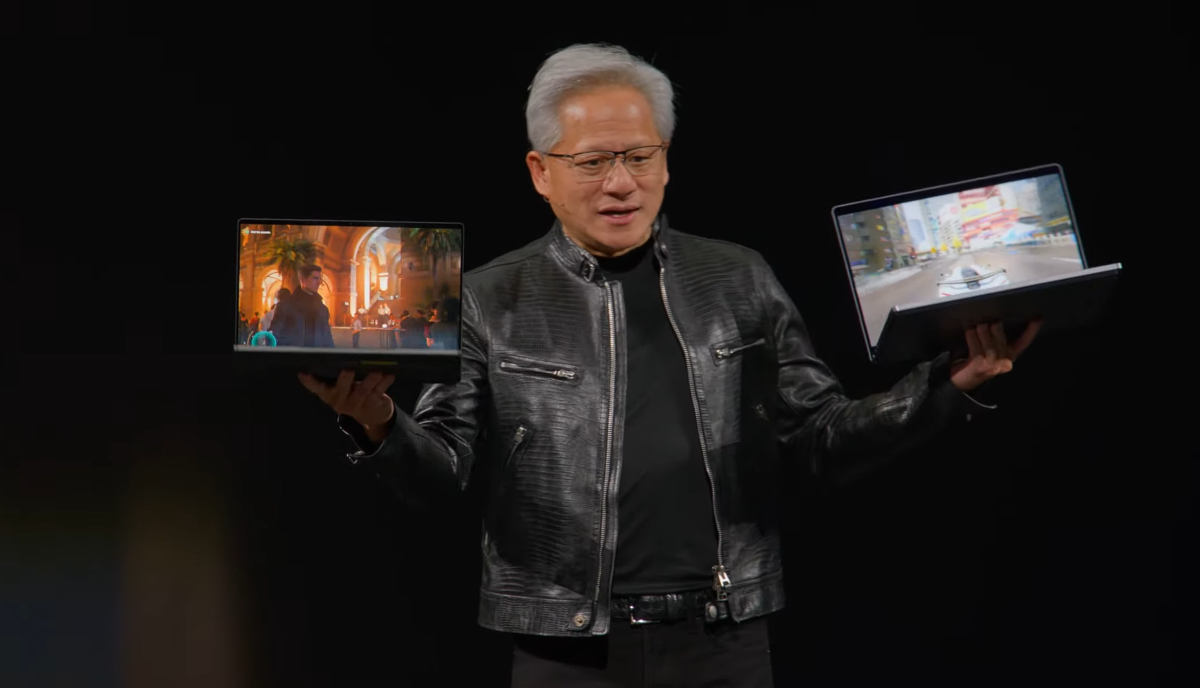
Nvidia
The new Surface Ultra laptop, the first major expansion to Microsoft’s in-house line since Snapdragon, will run on the RTX Spark N1X. And yeah, “Ultra” is a bit of a harbinger in this context. It’ll be far more powerful than the standard Surface machines, at least if you believe the hype. And that means it’ll be far more expensive. You can expect the same for RTX Spark laptops from other vendors, too. These Spark designs will also need a lot more RAM — like handheld gaming PCs and AMD’s impressive Strix Halo series, it shares memory between system RAM and graphics. So the Surface Ultra will be offered with a suitably insane 128GB of RAM…presumably in addition to less bombastic options.
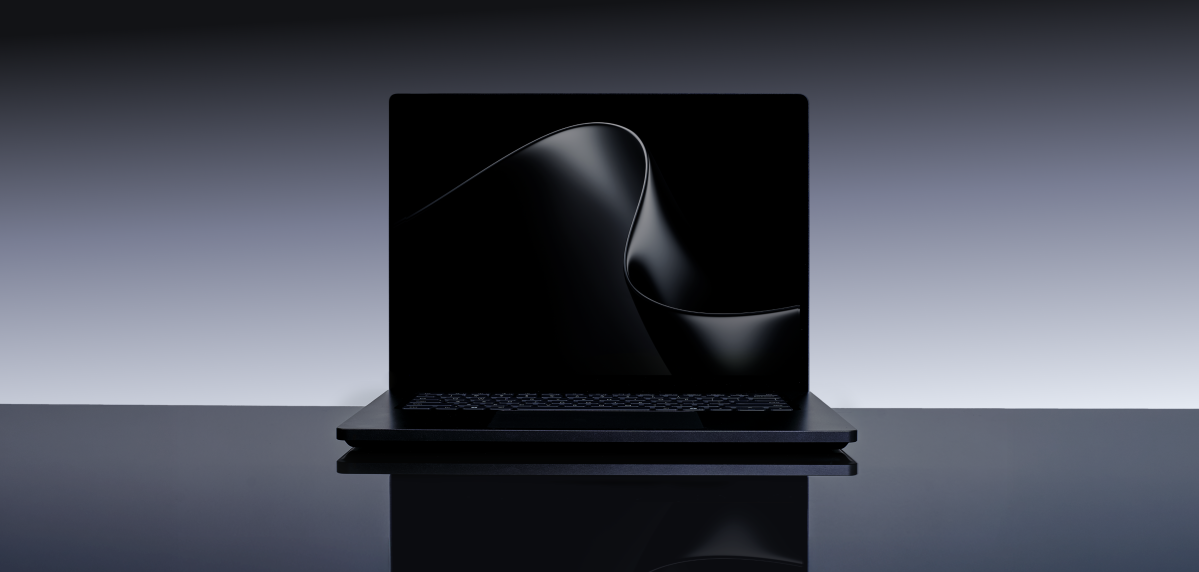
Microsoft
Trying to get your money’s worth out of the RTX Spark laptop platform, in gaming or other GPU-heavy productions (including the “agentic AI” rigamaroll Huang touted on stage) will need at least 32GB of RAM, preferably 64GB. That tells me that none of these Nvidia-powered laptops are aiming for even the mid-range market — it’s premium all the way. Just like Nvidia owns the high end of discrete graphics with a literal monopoly, Nvidia is hoping to swoop in and control the market for the most powerful Windows laptops out there…and isn’t particularly concerned with anything less than the best.
Nvidia hopes to take the top of the K in the increasingly K-shaped laptop market. Apple and Intel duke it out for the bottom, with Qualcomm as a possible dark horse. In a disappearing mid-range, AMD and Intel still fight for the laptop market. In between $600 and $2,000, options are drying up fast.
A bleak future for budget PCs
Options for new laptops at $500 or less are still technically there, but they’re so bad that I’d recommend just not considering it. Doubly so if you want Windows. If that’s your budget, you’ll want to hunt for a new or refurbished model. Thanks to the RAM crisis, we’re in sight of a future where new laptops, just like new cars, are a functional impossibility for anyone who isn’t wealthy.
I’m guessing a lot of people are going to start squeezing out more functionality from their phones…many of which are already financed. Google and Samsung are pushing hard on desktop interfaces that pop up when you plug a phone into a display. That makes them, functionally, little PCs…that already have all your apps, photos, contacts, bookmarks.

A desktop-style environment running on an Android phone.
John Brandon
Sure, it’s not an ideal way to do things, especially if you’re used to a full sit-down-and-work experience. And these devices cannot hope to deliver PC- or console-style gaming, not without leaning on other hardware like Xbox Game Pass and GeForce Now. Oh hi, Nvidia, there you are again.
Assuming the “AI” bubble doesn’t pop, or some other miraculous turn of events keeps memory unaffordable for the foreseeable future, you’ll need to get comfortable on one side of the K-shape or the other.
This articles is written by : Nermeen Nabil Khear Abdelmalak
All rights reserved to : USAGOLDMIES . www.usagoldmines.com
You can Enjoy surfing our website categories and read more content in many fields you may like .
Why USAGoldMines ?
USAGoldMines is a comprehensive website offering the latest in financial, crypto, and technical news. With specialized sections for each category, it provides readers with up-to-date market insights, investment trends, and technological advancements, making it a valuable resource for investors and enthusiasts in the fast-paced financial world.