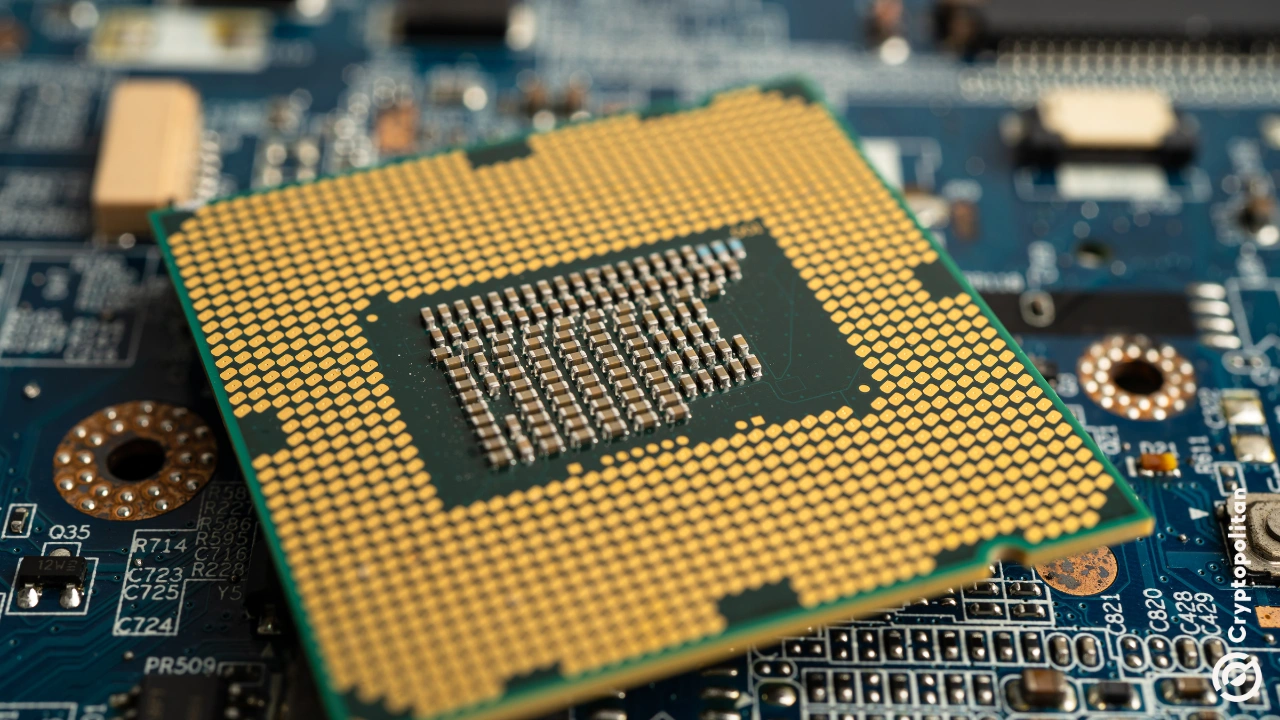
Taiwan Semiconductor Manufacturing Co. (NYSE: TSM), Samsung Electronics (KRX: 005930) and SK Hynix (KRX: 000660) now make up more than 30% of the MSCI Emerging Markets Index.
Their combined share is close to the Magnificent Seven’s weight in the S&P 500. Technology now covers about 45% of the emerging-market gauge. These three chipmakers are worth $4.4 trillion, giving a very small group enormous influence over emerging-market stock returns.
Some funds are spreading money beyond AI. JPMorgan Asset Management and Grantham Mayo Van Otterloo are studying gaming, energy and consumer companies, including a Vietnamese dairy producer. JPMorgan is also searching across India and China to rely less on one Taiwanese company and two South Korean giants.
Fund managers broaden their bets as Samsung and chip shares lose steam
Chip stocks have been falling because investors think cloud companies may have built more AI systems than the market needs right now. Some AI firms are also working on their own chips, which could reduce future orders for outside suppliers. Spending could keep climbing even if real demand does not grow at the same pace.
Samsung posted strong earnings last week, but its shares did not take off. Investors were more worried that companies are spending too much on AI before usage catches up. South Korea’s Kospi is now down 20% from its June high. Selling became so intense that circuit breakers stopped trading several times.
GMO still owns SK Hynix, but the stock is also one of the biggest positions the firm holds below the index level in its $1.9 billion Emerging Markets Equity Strategy. Portfolio manager Tom Chiang said the fund owns less SK Hynix than the benchmark does. The memory-chip company is now worth close to $1 trillion, and its share price has climbed about thirteen times since the start of 2025. Tom said that rise is much bigger than the company’s business results support.
SK Hynix depositary receipts began trading on the Nasdaq Global Select Market on Friday. They climbed 14% above the sale price after the company raised $26.5 billion, the largest US listing ever completed by a foreign company.
Retail cash is still entering emerging-market funds. The Avantis Emerging Markets Equity ETF (NYSE Arca: AVEM), which manages about $25.4 billion, recorded its biggest weekly inflow in four months. It is the largest actively managed ETF tracking emerging-market shares. In Hong Kong, Alibaba Group (HKEX: 9988; NYSE: BABA) gained more than 13%, while Tencent Holdings (HKEX: 0700) rose over 4%.
Chinese shares rise while Zhipu trades on a very small public float
Regional rankings have flipped. Hong Kong’s Hang Seng Index is the top performer this month, while the Kospi sits last. The Korean gauge had gained about 116% this year at its peak, but that increase has now narrowed to roughly 72%.
Hong Kong spent much of the year under pressure. Worries about China’s economy and weak e-commerce earnings pushed several indexes into bear markets. Lower prices left Chinese shares cheaper. The Hang Seng China Enterprises Index trades at about 8.9 times expected earnings, compared with 13 times for the MSCI Asia benchmark. Tencent earlier traded at a record-low multiple of 11.
Despite the fact that the Kospi continues to appear cheap from certain perspectives due to revised upward earnings forecasts for chip makers, investor caution was heightened following the 200%-plus runs made by Samsung and SK Hynix at their respective peak levels this year.
The problem with Zhipu lies in its own area. The Chinese artificial intelligence firm, officially called Knowledge Atlas Technology JSC Ltd., aims to generate $4 billion by offering its shares on the stock exchange, but this offering won’t add much to the available shares to trade.
Zhipu announced 19.8 million shares on Thursday, after almost 26 million locked shares had also became available last week, though only about 13.5% of issued stock will trade freely.
The shares rallied as much as 20% on Friday and closed 19% higherm cinching a 1,650% surge since January, the biggest gain in the entire Hang Seng Composite Index.
Now this rally depends on few available shares while global doubts grow over whether AI companies can turn their products into lasting profit.
Only about 4% of Zhipu’s shares could be traded before its six-month IPO lockup ended. More shares usually become available once that restriction expires, but major early investors said they would keep what they own.
The smartest crypto minds already read our newsletter. Want in? Join them.
This articles is written by : Nermeen Nabil Khear Abdelmalak
All rights reserved to : USAGOLDMIES . www.usagoldmines.com
You can Enjoy surfing our website categories and read more content in many fields you may like .
Why USAGoldMines ?
USAGoldMines is a comprehensive website offering the latest in financial, crypto, and technical news. With specialized sections for each category, it provides readers with up-to-date market insights, investment trends, and technological advancements, making it a valuable resource for investors and enthusiasts in the fast-paced financial world.