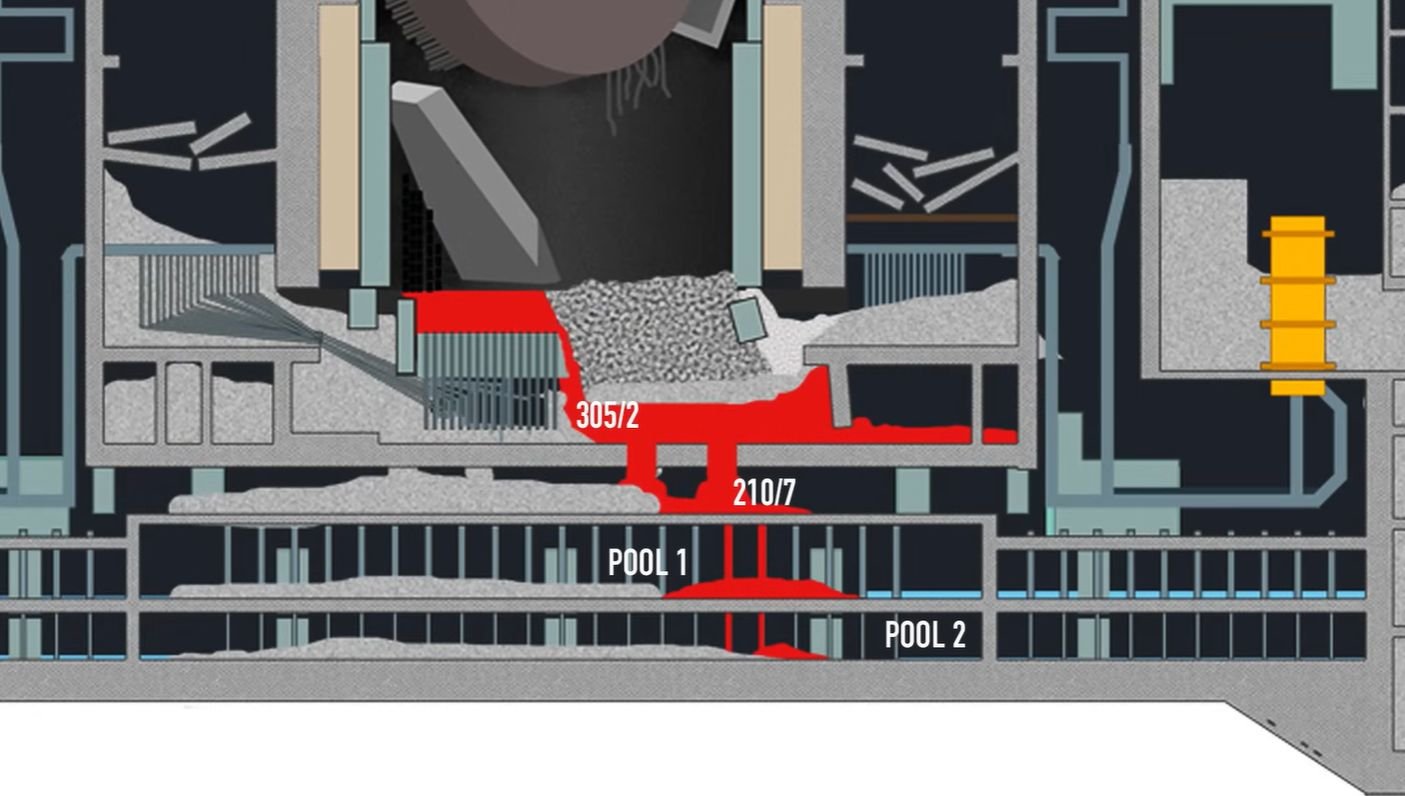
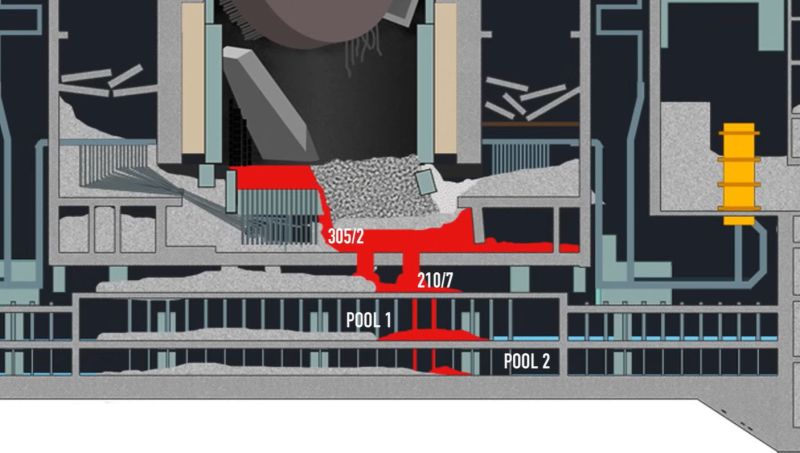
With the massive steam explosion that shredded the #4 RBMK reactor at the Chernobyl Nuclear Power Plant in 1986 it suddenly made robots that could survive a high ionizing radiation environment into the hottest item on the planet. Over the course of forty years many generations of such robots were developed, tested, improved upon or discarded, all to explore and handle hazardous waste throughout the depths of the #4 reactor’s remains.
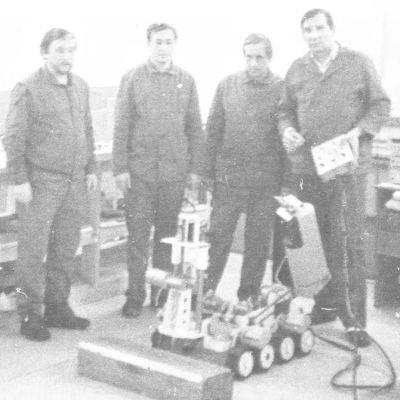
Even if the entire development and decisions here would easily fit a couple of feature length movies, the recent documentary by the [Chornobyl Family] provides a solid overview of the engineering challenges, the issues encountered along the way and the forced evolution of initially very basic designs into the robotics that today trundle and wriggle around inside reactor #4, as well as their cousins over at the couple of stricken reactors at Japan’s Fukushima Daiichi power station.
Unlike the other robots developed from 1986 onwards to provide general clean-up of scattered core material outside of the core, these robots had to venture deep inside, where radiation levels were the highest and correspondingly the challenges much more severe. This was such a problem that initially it were humans who did the exploration, as robots proved to be too fragile and too prone to getting stuck.
Until the 1990s exploration of the ruined core was quite limited, also because of a lack of urgency. While the outside clean-up and construction of the sarcophagus had to be done as quickly as possible, the core exploration was more slow and methodical, based around trying to establish its condition, what core material remained inside and try to take samples of interesting objects like the well-known ‘elephant’s foot’.
With the 1990s the TR-series of robots – developed by what is now the Ukrainian Institute for Safety Problems of Nuclear Power Plants (ISP NPP) – came onto the scene. These new robots were designed to be highly agile and versatile, capable of traversing where simple tracked or wheeled robots would have gotten stuck.
These robots would continue to work side by side with humans, going into the more hazardous zones for things like drilling samples. As the ruins decayed and dust became increasingly a problem, the TR-7 robot was developed in 1994 to apply a substance called EKOR to immobilize said dust.
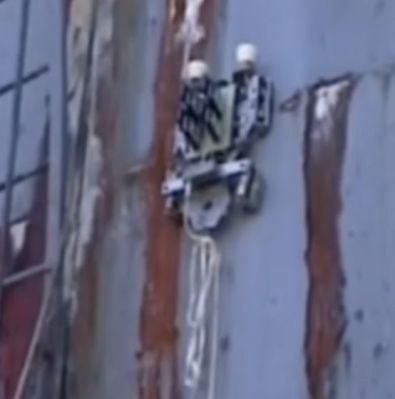
Some of the more unusual robots were capable of climbing up metal walls using magnets, which was useful for installing sensors and similar devices in otherwise hard to reach places. By the time TR-11 was developed, the focus had moved on from exploration to actively breaking down and handling hazardous material, raising the hope that one day the last bit of radiologically contaminated material in reactor 4’s ruins will have been dealt with.
What complicates this clean-up of an RBMK reactor so much is of course that these hybrid military/civilian designs were built without containment structure, core catcher or other safety features you would see with other civilian reactors of the era. Although the Generation II LWRs at Fukushima Daiichi were built before the RBMKs, it was this omission of basic safety features that would shape the 1986 accident and the resulting clean-up, even if it provided a unique opportunity to develop robots that otherwise might never have existed.
This articles is written by : Nermeen Nabil Khear Abdelmalak
All rights reserved to : USAGOLDMIES . www.usagoldmines.com
You can Enjoy surfing our website categories and read more content in many fields you may like .
Why USAGoldMines ?
USAGoldMines is a comprehensive website offering the latest in financial, crypto, and technical news. With specialized sections for each category, it provides readers with up-to-date market insights, investment trends, and technological advancements, making it a valuable resource for investors and enthusiasts in the fast-paced financial world.