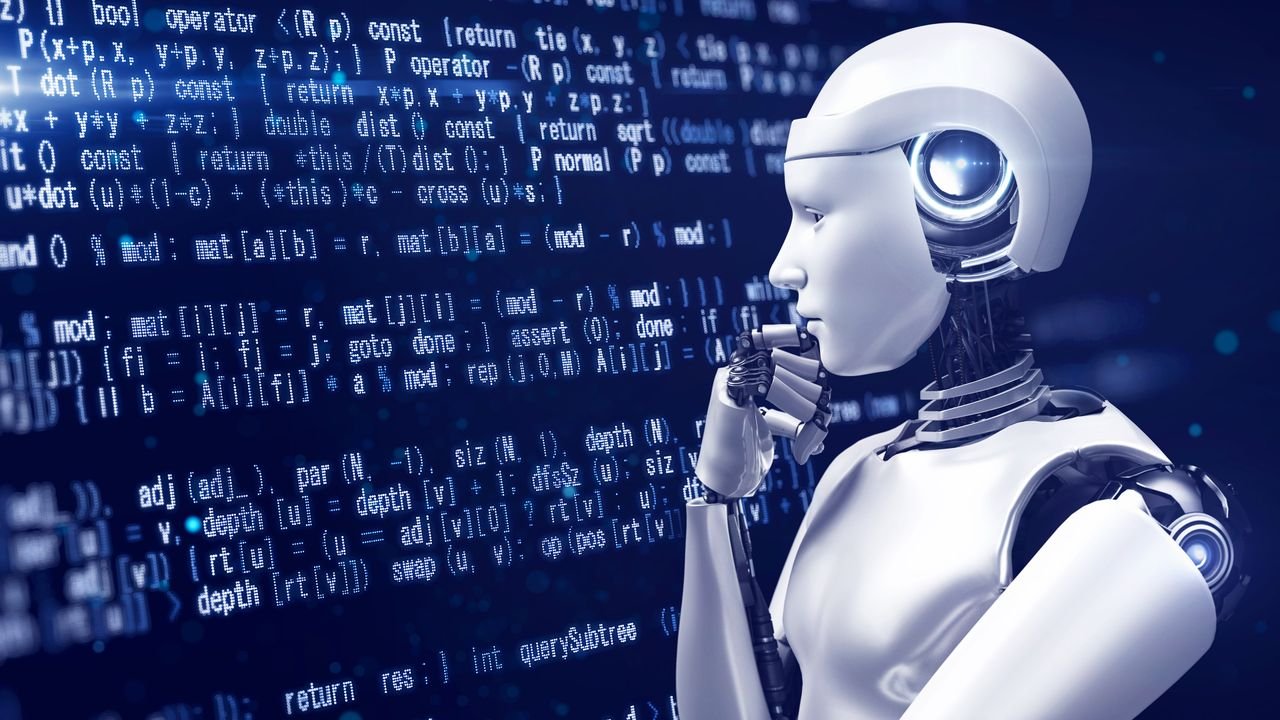
- Brain chemistry may contribute to memory beyond ordinary electrical signalling
- AI systems process information without the living cellular environment found inside brains
- Astrocytes could play an important role in processing cognitive information
A new scientific model argues that binary code, the 0s and 1s underlying every computer, cannot fully explain how memory works.
Researchers Gerard Marx of MX Biotech Ltd. and Chaim Gilon of the Hebrew University of Jerusalem base their model on molecular and cellular evidence.
Their theory, called the Tripartite Mechanism of Memory, proposes that three biological components, not binary switches, are what generate genuine memory.
A chemical basis for how memory actually forms
Unlike a silicon chip storing information as binary states, the tripartite model proposes that memory arises through three separate biological elements interacting.
These elements include brain cells, particularly astrocytes, interacting with neurons, along with the molecular environment surrounding those individual cells directly.
A third component involves specific chemicals, such as metal ions, neurotransmitters, and gliotransmitters, circulating continuously throughout the brain’s living tissue.
The researchers suggest that living brains may do more than simply transmit electrical signals between individual neurons scattered across tissue.
They may also write and read certain kinds of information chemically, a process with no clear equivalent inside a silicon processor.
Astrocytes, abundant brain cells that interact closely with neurons, occupy a particularly important place within this newly proposed scientific model.
Marx and Gilon propose that clusters of astrocytes participate in processing cognitive information alongside neurons and the surrounding cellular environment.
A central part of their argument holds that biological memories are never simply pieces of stored logical information by themselves.
They argue that biological memory carries an emotional dimension that no binary code stored inside a computer’s memory bank can replicate.
Their model treats chemical messengers, including neurotransmitters, as essential parts of the mechanism by which cognitive information becomes fully encoded.
What the chemistry of memory means for AI
Both computers and biological brains can store and retrieve information, though their underlying mechanisms may differ in fundamental ways.
In a computer, information ultimately carries a physical aspect that is encoded directly into its silicon hardware and internal circuitry.
Marx and Gilon ask whether biological memory also carries a physical aspect, though one rooted in living cells and organic chemistry.
That distinction grows increasingly relevant as AI systems become more capable of performing tasks tied closely to human logical reasoning.
Their paper directly challenges the assumption that greater computational power and complexity alone would necessarily produce biological-like consciousness in machines.
The researchers argue that purely electronic systems lack the biological infrastructure and emotional processes characteristic of living, breathing organisms entirely.
Their argument is not that AI cannot perform increasingly sophisticated intellectual tasks as computing power keeps expanding rapidly each year.
Rather, it raises a more fundamental question about whether intelligent behaviour equals the biological processes producing memory, emotion, and thought.

This articles is written by : Nermeen Nabil Khear Abdelmalak
All rights reserved to : USAGOLDMIES . www.usagoldmines.com
You can Enjoy surfing our website categories and read more content in many fields you may like .
Why USAGoldMines ?
USAGoldMines is a comprehensive website offering the latest in financial, crypto, and technical news. With specialized sections for each category, it provides readers with up-to-date market insights, investment trends, and technological advancements, making it a valuable resource for investors and enthusiasts in the fast-paced financial world.