- Desktop CPU shipments dropped over 20% amid rising memory and GPU costs
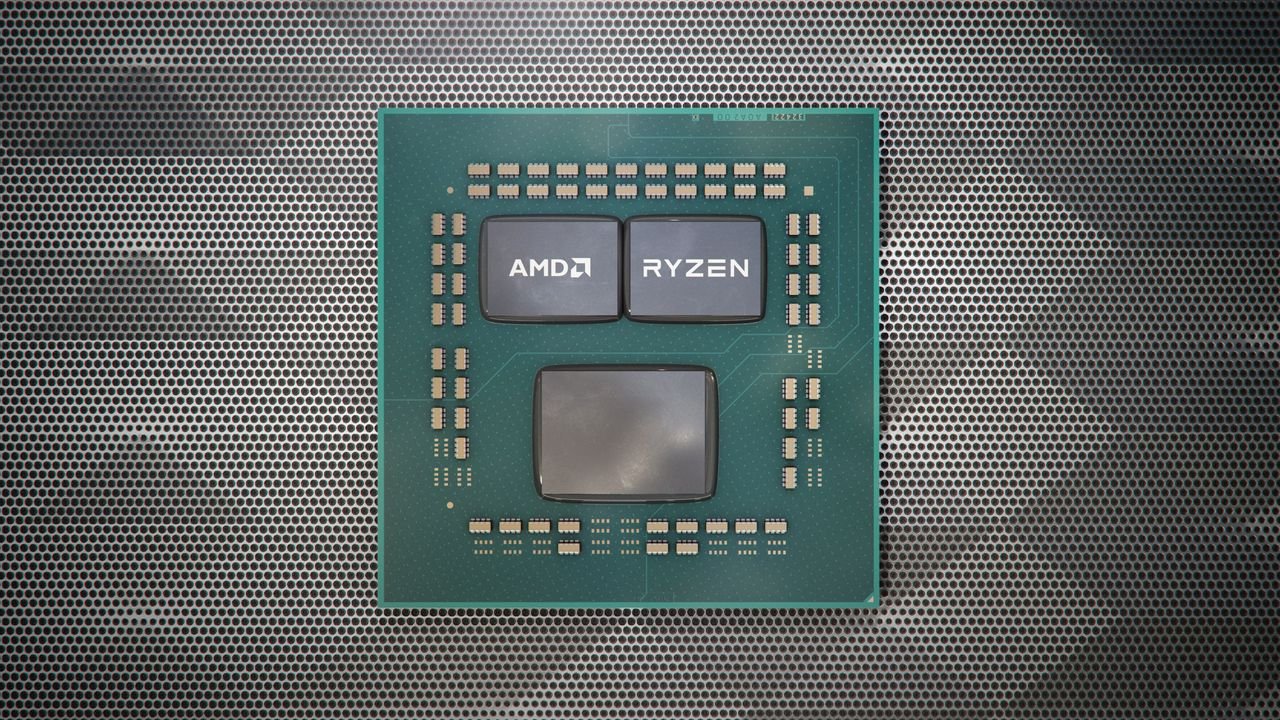
- AMD now holds nearly 35% of the entire desktop processor market
- Mobile CPU shipments jumped as Intel finally closed its capacity gap
Global processor shipments fell in the second quarter of 2026 compared with the same period a year earlier, new figures have claimed.
Mercury Research found, the decline stemmed mainly from weaker system-on-chip and embedded volumes tied to AMD’s shrinking games console business, along with a steep drop in desktop CPU volumes.
Even as the overall market contracted, AMD continued to take share away from Intel across nearly every product category tracked by the research firm.
Desktop demand buckles under higher prices
Desktop CPU shipments fell by more than 20% year on year, a decline Mercury links to weaker demand for high-end gaming PCs rather than typical seasonal softness.
Rising memory prices, driven by chipmakers prioritizing more profitable high-bandwidth memory for AI servers, have pushed up the cost of finished PCs.
A shortage of consumer GPUs appears to stem from similar supply pressures within the broader chip industry.
“Higher PC prices and limited GPU supplies are having a significant impact,” Mercury Research said in its report.
AMD’s decline in desktop shipments was smaller than Intel’s, allowing it to grow its desktop share to nearly 35%, up from about 32% a year earlier.
AMD extends its lead in mobile and server chips
Mobile processor shipments told a different story, climbing strongly compared with the previous quarter after Intel expanded output during two heavily supply-constrained quarters.
Intel added millions of units of mobile CPU capacity in the second quarter, narrowing the earlier gap between supply and available demand.
Despite that expansion, AMD’s share of the mobile segment rose to nearly 29%, up from 20.6% during the same quarter last year.
Server processor shipments increased by 20% year on year, with Mercury citing stronger demand for both datacenter—class chips and processors built for networking and storage.
AMD’s share of server processors climbed to 34.5%, compared with 27.3% a year earlier, and would reach 46.4% if the comparison were limited only to Intel’s Xeon SP and AMD’s EPYC lines.
Mercury also tracks the smaller Arm-based CPU market for PCs and servers, cautioning that its estimates carry more uncertainty due to the absence of centralized revenue reporting for Arm chips.
The firm recorded strong growth in Apple’s Mac lineup, including its newer lower-cost Neo models, alongside solid gains for Arm-based Chromebooks.
Arm-based systems reached 15.3% of the client market during the quarter, a record high and an increase of 0.9 percentage points.
In servers, Arm’s share also hit a record of 13.6%, up 0.5 percentage points from the prior period.
Taken together, the figures suggest a processor market driven less by shifting consumer taste than by supply-chain pressure from the AI boom.
Memory and GPU scarcity appear to be squeezing traditional desktop buyers even as data-center and mobile demand hold up, leaving AMD well placed to keep benefiting from Intel’s uneven recovery.
Via The Register

This articles is written by : Nermeen Nabil Khear Abdelmalak
All rights reserved to : USAGOLDMIES . www.usagoldmines.com
You can Enjoy surfing our website categories and read more content in many fields you may like .
Why USAGoldMines ?
USAGoldMines is a comprehensive website offering the latest in financial, crypto, and technical news. With specialized sections for each category, it provides readers with up-to-date market insights, investment trends, and technological advancements, making it a valuable resource for investors and enthusiasts in the fast-paced financial world.