It’s been a tough 12 months for the smartphone industry. Memory prices are up, unit sales are down, and a generally poor outlook for the future has not only forced the cancellation of specific models (the Nothing CMF Phone 3 Pro), but also entire brands (RIP OnePlus).
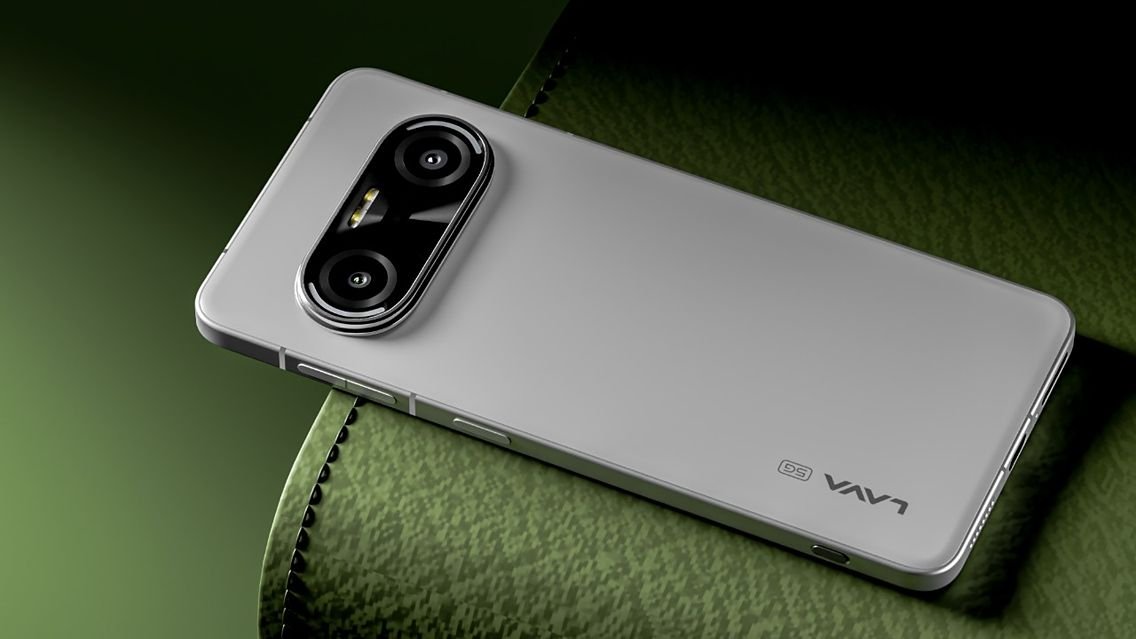
On paper, then, it doesn’t seem like a particularly great time for any mobile company to be expanding into new markets, but that hasn’t stopped Indian brand Lava International from doing just that: today (September 4), it’s launching its first product in the UK, the Lava Agni 4N 5G.
Intended to compete with the Google Pixel 10a, Nothing Phone (4a) Pro, and more of the best cheap phones, the Agni 4N costs just £499 and is available via Amazon. It boasts decent specs and a competitive price — but is that enough to lure prospective customers away from the brands they’ve known for years?
Ahead of the Agni 4N’s UK launch, I spoke with Devneet Bohidar, Head of Product, Smartphones, at Lava, to find out more about the company, the phone, and why Lava believes now is the right time to take on Samsung and Google in a “highly informed” market.
TechRadar: What should unfamiliar UK consumers know about the Lava Brand, and what are the key selling points of the Agni 4N?
Devneet Bohidar: Lava has been part of India’s mobile phone industry for 17 years, with its own hardware and software design capabilities, R&D centres and an annual manufacturing capacity of over 42 million handsets. Over the years, we have built our strength around product, quality and the consumer experience, with a clear focus on delivering value to consumers.
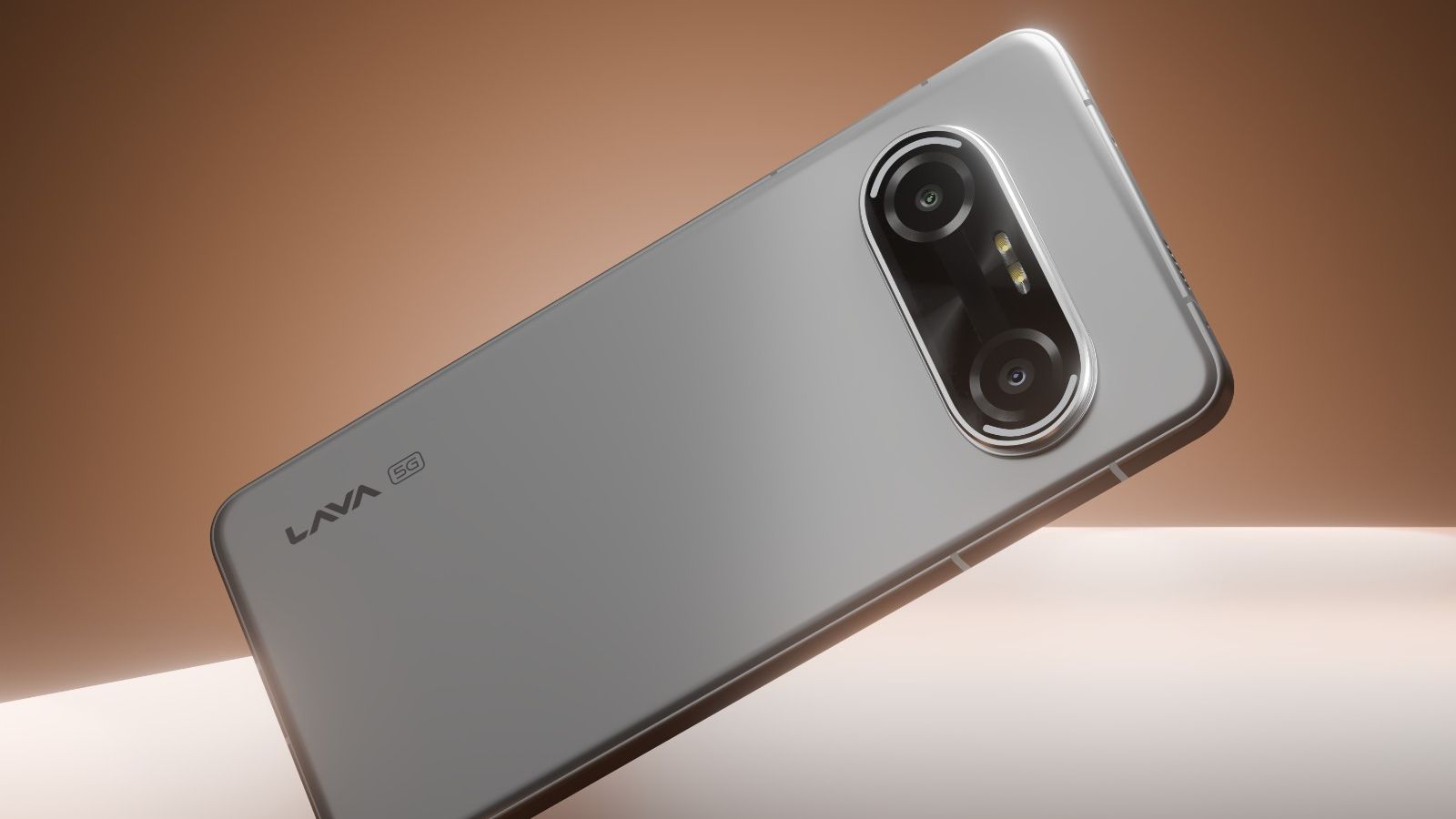
We are now bringing Agni, Lava’s flagship smartphone series, to the UK for the first time, with the aim of delivering a premium smartphone experience at an accessible price point. Positioned in the £400–£600 segment [the phone costs £499], the Agni 4N brings a combination of flagship-grade performance, premium design, and a clean, user-first software experience to the UK mid-tier segment. It is powered by the MediaTek Dimensity 8350 5G processor and is paired with 8GB LPDDR5X RAM and 256GB UFS 4.0 storage.
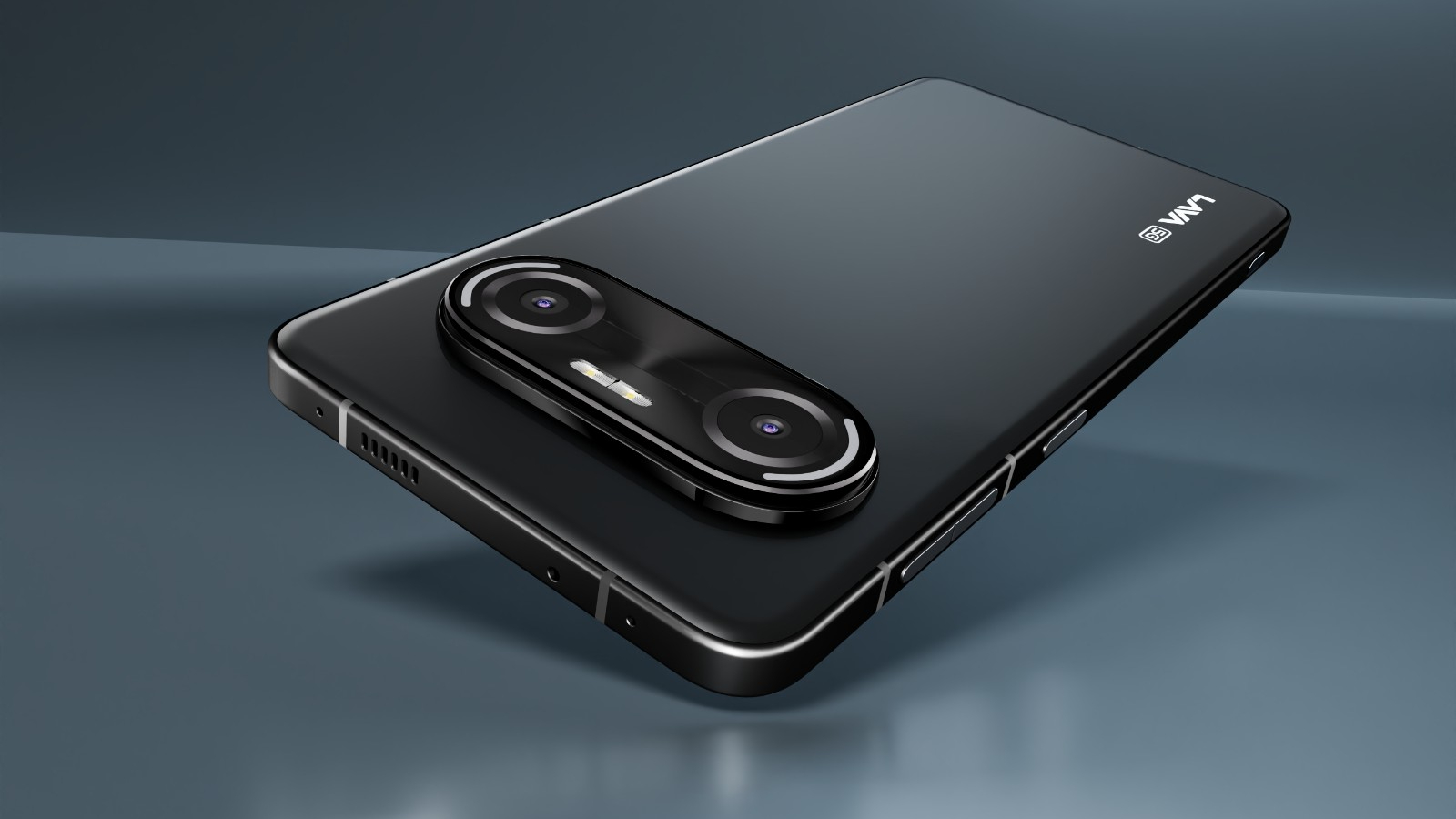
The device combines this with an aluminium alloy metal frame and premium glass back, giving consumers a more flagship-like design and build at a mid-tier price point. We have also paid close attention to the camera experience. The smartphone has a 50MP OIS main camera and a 50MP front camera, with both supporting 4K 60FPS video recording.
On the software side, our in-house AI platform, Vayu AI, is a major part of the Agni 4N experience. Rather than treating AI simply as another application, we have integrated it into the phone as an intelligent AI companion. It provides access to Expert AI Agents and features including AI Text Assistant, AI Call Summary, AI Photo Editor, AI Image Generator, and document and image analysis. The idea is to make AI more approachable and useful for everyday tasks, learning, creativity, and productivity.
Finally, we believe the clean software experience is an important part of what differentiates Lava. The Agni 4N comes with stock Android 16 and zero bloatware. This reflects our philosophy of giving consumers a clean, user-first device experience without unnecessary pre-installed applications.
The broader proposition is therefore simple: the Agni 4N brings premium design, strong performance, capable cameras, powerful AI, and a clean software experience to consumers, without compromising on the areas that matter most to the everyday smartphone experience.
TR: Recent studies suggest battery life and price are the top drivers of purchasing decisions in the US. Does Lava’s own research reveal the same trends for the UK market, and, if so, is the Agni 4N also competitive on these fronts?
DB: While our UK entry is still at an early stage, what we have consistently seen is that consumers are becoming more conscious of the overall value and experience they receive from a smartphone, rather than looking at brand name alone. That is particularly relevant in the mid-tier segment, where we believe consumers are looking for strong hardware and software offerings without having to move into flagship pricing.
On battery and charging, the Agni 4N is equipped with a 5,000mAh high-density battery with intelligent power optimization. It also supports 66W fast charging, taking the device from 0 to 50% in under 19 minutes. Together, this is designed to give consumers dependable battery performance while ensuring they can quickly top up the device when needed.
So, while we would not want to claim that our UK research has established battery life and price as the definitive top two purchase drivers without sufficient UK-specific data, the Agni 4N is designed to be competitive on both dimensions.
TR: Why is now the right time for Lava to enter the UK market? It’s mature and competitive, production costs are going up, and consumers have less money to spend — it doesn’t seem like an obvious moment for a new challenger brand to enter the scene.
DB: The UK is one of the most tech-aware markets in the world. Consumers here understand technology beyond just brand names and are increasingly looking at the overall experience and value a product delivers. That is exactly the kind of consumer we have built the Agni 4N for.
The UK is also an important technology market globally. The architecture that underpins virtually every smartphone chipset comes from ARM, which is based in Cambridge. For us, establishing credibility in such a technologically aware and demanding market is significant. If we can build trust and acceptance here, it gives us confidence in our ability to take an India-designed and engineered smartphone proposition to other global markets as well.
It is about giving consumers another choice and allowing the product to earn consideration on its own merits.
Devneet Bohidar, Lava
What we have observed is a degree of repetitiveness in product launches in the £400–600 segment. Consumers are becoming more aware of specifications, software, and the overall experience, but we believe the value being offered at these price points can be stronger. That is where we see an opening for Lava.
The Agni 4N is our response to that opportunity. […] For us, it is about entering a market where consumers are highly informed, competition is strong, and the product has to justify itself on its merits. Our approach is deliberately measured: start with one product, launch online through Amazon, learn from the market, and build from there.
TR: Lava’s Managing Director, Sunil Raina, recently told The Hindu that “being a Chinese-averse market worked as an opportunity for Lava. People in the UK are seeking higher quality products at a lesser price.” What makes you confident that you can lure budget-conscious consumers away from mainstay brands like Apple, Samsung, and Google, all of which offer sub-£600 smartphones?
DB: As our MD, Mr. Sunil Raina, has said, we see an opportunity in the UK to offer consumers a different proposition, one that combines quality, performance and value. But for us, the opportunity is not simply about moving consumers from one brand to another. It is about giving consumers another choice and allowing the product to earn consideration on its own merits.
We have tried to approach the product without making compromises on the areas that matter to consumers. […] And for after-sales support in the UK, Lava has partnered with SBE Ltd, an established UK electronics repair and after-sales service provider. The smartphone comes with a 24-month handset warranty, including a two-year replacement warranty for hardware defects, giving customers added assurance after purchase.
We are also realistic that Lava is a new brand for many UK consumers. We are not expecting brand awareness to change overnight. Our approach is to launch with the Agni 4N, initially through Amazon, put the product in the hands of consumers, learn from their feedback, and build credibility through the experience we deliver.
As for how the UK version of the Agni 4N differs from the Indian version of the same phone, it features Near Field Communication (NFC) payment support, but otherwise, it’s a largely identical device.
“The core product proposition remains the same,” Bohidar told me. “Rather than creating a completely different UK product, our approach has been to take a product developed and proven in India and adapt it where necessary for the requirements and usage patterns of UK consumers.”
Whether UK customers embrace the Angni 4N is a different question entirely, but whatever happens, it’s good to see a new player with the confidence to take a risk in an unfamiliar market. Apple, Samsung, and Google might be the brands of choice in the UK right now, but it doesn’t have to be that way forever.
This articles is written by : Nermeen Nabil Khear Abdelmalak
All rights reserved to : USAGOLDMIES . www.usagoldmines.com
You can Enjoy surfing our website categories and read more content in many fields you may like .
Why USAGoldMines ?
USAGoldMines is a comprehensive website offering the latest in financial, crypto, and technical news. With specialized sections for each category, it provides readers with up-to-date market insights, investment trends, and technological advancements, making it a valuable resource for investors and enthusiasts in the fast-paced financial world.