
Is it just me or are warnings that the AI bubble could burst soon getting even harder to ignore?
Over the past few years, investors have pumped extraordinary amounts of money into AI companies because they’ve been betting that the technology will eventually generate equally extraordinary returns.
However, there are now growing questions about whether those returns will arrive quickly enough (or ever) to justify all of that spending. For example, The Financial Times recently reported that OpenAI, the maker of ChatGPT, expects almost $280 billion in negative free cash flow through 2030.
That’s at the heart of what people mean when they talk about an “AI bubble”. The argument is that investment, spending and some company valuations have whizzed way ahead of what the technology can actually earn right now.
This means that if investor confidence starts dropping, investment could dry up. Then AI companies could fail and the industry could be forced to spend much, much less.
However, a bubble bursting doesn’t mean AI just disappears. But it does mean the way AI is funded and how it feels for us to use could change dramatically.
And that’s where things get interesting for the millions of people who aren’t investing in AI companies or building data centers, but simply use and rely on ChatGPT every day. So, if the AI bubble really does burst, what actually happens to ChatGPT — and to the people who use it?
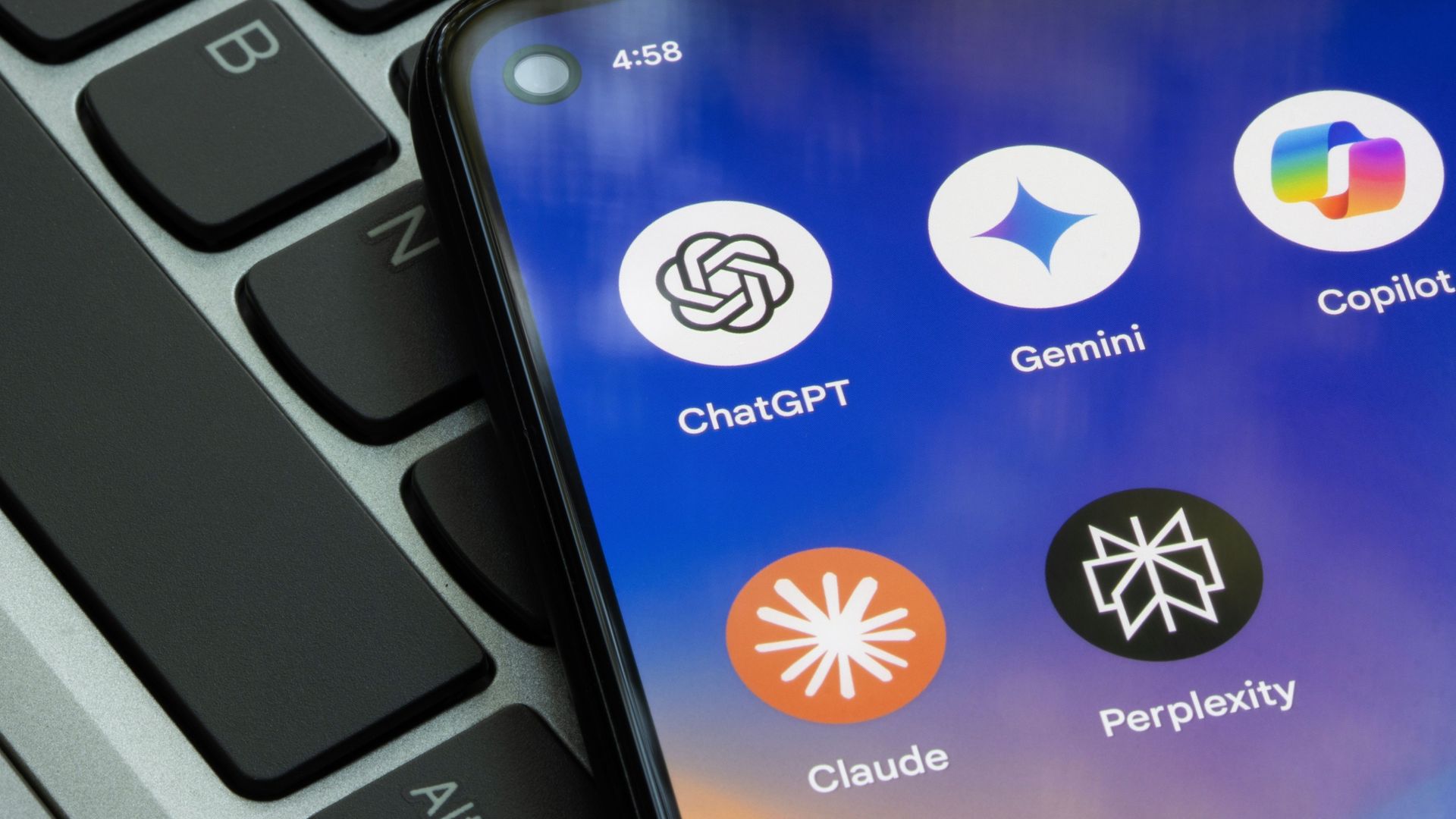
1. You’ll see way more ads
This is our most concrete prediction and it’s already begun.
OpenAI says ChatGPT Ads reached a $1bn annualized revenue run rate in less than 200 days and now describes advertising as a key part of its business model.
Which is why it makes a lot sense that less funding would give OpenAI a clear incentive to generate more revenue from its enormous user base.
But ChatGPT could also try much harder to sell users things beyond ads. Think about it, people are already relying on chatbots to research products, plan holidays, choose software and make all sorts of buying decisions. That might mean referrals, sponsored experiences and even more integrated shopping.
2. The best things will increasingly cost you
One obvious possibility is higher subscription prices for the people and businesses who already pay for ChatGPT. But OpenAI could also try to convert more of its free users into paying users by putting more of its best features behind a subscription.
That might mean reserving the most capable models, agents, advanced research tools, integrations and the newest features all for paying users. Some of those could even be reserved for its most expensive tiers.
So rather than ChatGPT suddenly becoming much more expensive for everyone, you might increasingly find that the version you really want to use is the version you have to pay for.
3. Free ChatGPT gets stingier
Even the features that do remain free could become much more restricted. So instead of moving something behind that paid subscription entirely, OpenAI could simply give free users much less of it.
That might mean fewer messages with its more powerful models, smaller image and video generation allowances, more queues or tighter limits on other compute-heavy features.
These are things OpenAI might cut back on if funding becomes scarcer and there’s greater pressure to reduce the cost of serving its enormous free user base. All of this means that the free version of ChatGPT could still be useful but you might find yourself hitting its limits much more often.
4. Fewer moonshots and more boring monetization
During the boom, things have felt exciting. As if OpenAI has been constantly pushing the boundaries of what AI can do because the people working there have had seemingly limitless money and freedom.
But if the bubble bursts, it would make sense that product teams could face much greater pressure to focus less on the fun, innovative stuff and more on the new features and developments that’ll make more money. This would make expensive demos, experiments and speculative consumer features harder to justify.
Meanwhile, developments that drive subscriptions, enterprise contracts, advertising and features designed to sell you things would become the priority.

5. ChatGPT doesn’t disappear but the industry could get much smaller
It’s worth remembering that the dotcom crash didn’t kill the internet. But it did wipe out companies and then challenge assumptions about how internet businesses could be funded.
Granted, the comparison here isn’t perfect because today’s biggest AI spenders include some of the richest and most profitable companies in the world. But an AI crash could do something similar.
Smaller AI companies, apps and startups could fail or be acquired by the bigger players. For ordinary users, that could mean fewer AI tools and options to choose from rather than AI disappearing altogether.
And then there’s all the stuff that’s already been built. Billions have been spent on chips, data centers and trained models. AI has also been embedded into countless products and businesses. So a crash doesn’t suddenly undo all of that investment.
ChatGPT itself is also operating at an enormous scale. OpenAI says it now has more than one billion weekly active users. It also has several ways of making money, including subscriptions, advertising, enterprise customers and its API.
So this means that even if investors decide the AI boom has raced too far ahead of the money it can actually make, ChatGPT is unlikely to simply disappear. But the broader AI landscape around it could look very different.

A crash might feel surprisingly boring
Financial markets can move extremely quickly and headlines about them can sound very dramatic. But from a regular ChatGPT user’s perspective, an AI crash might feel surprisingly gradual and even… boring.
There might not be one big, dramatic moment when everything changes. Instead, you could start noticing little things. You might hit your free limit more often or that cool new feature you want now requires a subscription. You’re highly likely to see more ads, especially if you use it to research stuff you want to buy. And a smaller AI app you used shuts down or gets bought by a bigger company.
This could be the weirdest thing about an AI bubble bursting. For all the talk of crashes and trillions of dollars wasted, your experience of it could be quite mundane. ChatGPT would still be a big part of your life if you’re a regular user but it would costs more, sell you more and give you way less for free.
This articles is written by : Nermeen Nabil Khear Abdelmalak
All rights reserved to : USAGOLDMIES . www.usagoldmines.com
You can Enjoy surfing our website categories and read more content in many fields you may like .
Why USAGoldMines ?
USAGoldMines is a comprehensive website offering the latest in financial, crypto, and technical news. With specialized sections for each category, it provides readers with up-to-date market insights, investment trends, and technological advancements, making it a valuable resource for investors and enthusiasts in the fast-paced financial world.