“There’s a sort of soullessness to them, and I find it sad that we appear to be increasingly happy to settle for that.”
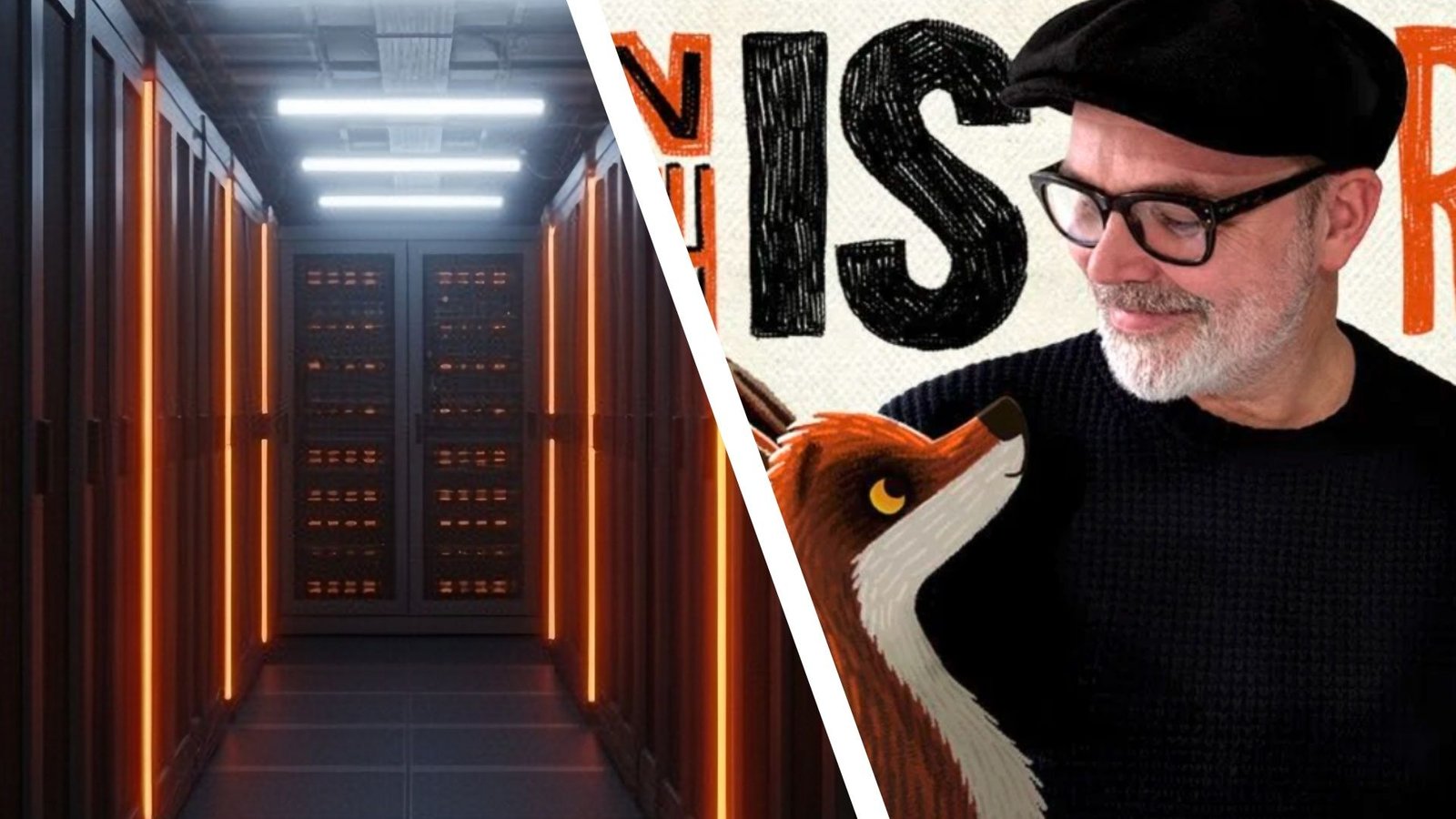
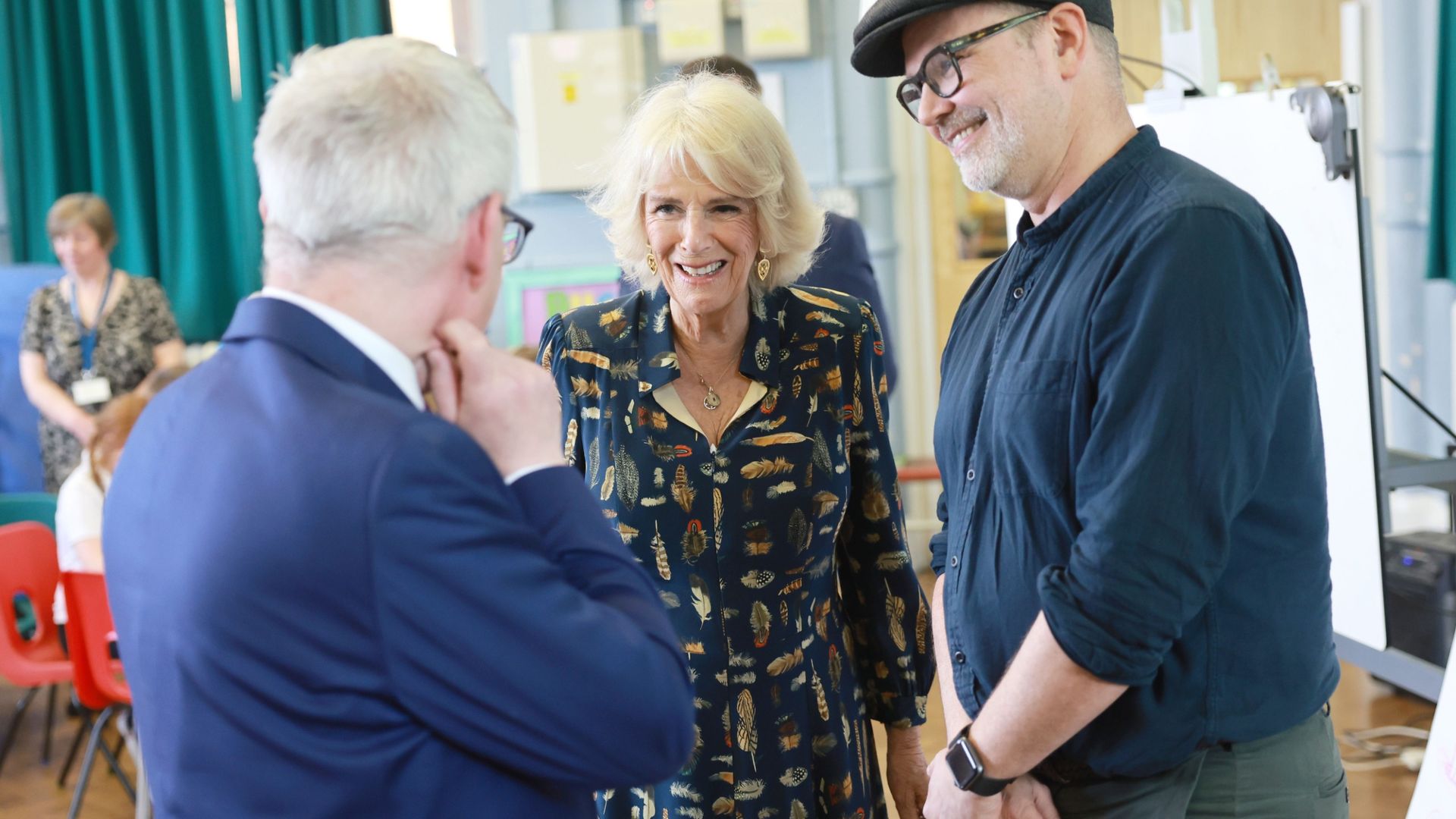
I’m talking to Rob Biddulph, the children’s book illustrator and author who rose to prominence during the Covid pandemic when his #DrawWithRob YouTube channel racked up millions of views from children and parents needing an outlet for their creativity, about a very different kind of pandemic: the proliferation of AI-generated art.
Biddulph was named Illustrator of the Year 2025 at the British Book Awards, but today he’s talking about the troubling increase he’s seeing in shops and cafes and other venues displaying posters that are clearly designed by AI.
“I think they’re really depressing, to be honest,” he tells me. “One of the things I love about illustration is that it’s an expression of somebody’s individual personality. Human beings can’t help but put a bit of their own personality into a drawing or a design.
“Often, you can look at a piece of artwork and recognize the person who made it — see their quirks, their imperfections, their sense of humor and the decisions they’ve made along the way. To me, that’s what makes it interesting.
“And I also think there’s something particularly ironic about using AI to advertise a local event. Surely the whole point of a local event is that it’s about people and community?”
AI is doing more than cluttering the high street
Personally I’d rather see a wonky poster than another technically polished but utterly generic piece of AI artwork.
Rob Biddulph
Biddulph has a point. Personally, I’d rather see a wonky poster created by a real person than another technically polished but utterly generic piece of AI artwork. But AI is doing much more than cluttering up the high street with slop art. It’s taking paid work away from human designers and illustrators — the irony being that those AIs have all been trained on the work of human artists, with no compensation paid to those artists.
“The thing to always remember is that these AI systems haven’t appeared out of thin air,” explains Biddulph. “They’ve been trained on enormous quantities of existing creative work produced by artists, illustrators, photographers and writers who were never asked for permission for their work to be used and haven’t been paid for it.
“And now those same systems are being used to produce work that competes directly with the people whose work helped train them in the first place! That’s the bit I find particularly difficult to accept.”
Buddulph thinks there needs to be more of a reality check when it comes to talking about the creative industries in general. “I also think there’s a tendency to talk about the creative industries as though they’re made up entirely of wealthy, successful people,” he says. “They’re not. They’re made up of thousands upon thousands of freelancers, small studios, illustrators, photographers, designers and writers, many of whom are already working in incredibly precarious circumstances.
“For an established artist, the impact might be a reduction in commissions, but for somebody just starting out, it could mean that the opportunities to build a career simply aren’t there in the first place”.
They haven’t won
If you want to use somebody else’s creative work to build a commercial product, you should have to ask permission and pay for it.
Rob Biddulph
A few years ago there was a lot of talk about regulating AI companies’ use of artists’ work to train their models for free; these days I don’t hear so much about the subject. I asked Biddulph if the AI companies had effectively won, or if there was still a fight to be had.
“I certainly don’t think they’ve won”, he responds, “although I can understand why it sometimes feels that way. The technology has moved so quickly, and the companies behind it have such enormous financial resources, that it can feel as though the horse has already bolted and the rest of us are constantly playing catch-up. But I don’t think the argument has gone away. If anything, I think we’re entering a really important phase of it.
“In the UK”, he explains, “there was a huge amount of opposition from the creative industries to the Government’s original proposal, which would effectively have allowed AI companies to train on copyrighted work unless individual creators specifically opted out.
“The problem with that approach was obvious. It placed the responsibility on millions of individual creators to protect their own work, rather than requiring companies to seek permission in the first place. The Government subsequently stepped back. So I think it’s important that we recognize that artists, writers, publishers and other creative organizations have made their voices heard, and have had an impact.”
Biddulph is in favor of an opt-in system. “My own feeling is that the principle should be fairly straightforward: if you want to use somebody else’s creative work to build a commercial product, you should have to ask permission and pay for it. I don’t see why artists and illustrators should be expected to accept a different set of rules simply because the technology is new. I’d like to see a proper opt-in licensing system, rather than an opt-out system.”
A fight worth having
I don’t think this is a fight that artists can afford to walk away from, even if, at times, it feels hopeless.
Rob Biddulph
“If an artist wants to make their work available for AI training, that’s absolutely their choice,” he adds. “They should be able to do so, and be paid accordingly. But that choice should belong to the artist. I also think we have to be careful not to confuse the inevitability of the technology with the inevitability of the way it’s being developed and used.”
So does Buddulph think AI is here to stay, and that illustrators need to keep fighting for better rights?
“Yes, AI is here to stay”, says Biddulph. “That doesn’t mean we have to accept every aspect of the business model behind it. Personally, I don’t think this is a fight that artists can afford to walk away from, even if, at times, it feels hopeless. It’s about more than protecting individual livelihoods. It’s about establishing what we value as a society, and whether we believe that human creativity has an intrinsic value that deserves to be protected. And I think that’s a fight worth having.”
You can find Rob Biddulph on YouTube, X (@RobBiddulph), Instagram (@rbiddulph) and Facebook (robbiddulphauthor). And at his website.
This articles is written by : Nermeen Nabil Khear Abdelmalak
All rights reserved to : USAGOLDMIES . www.usagoldmines.com
You can Enjoy surfing our website categories and read more content in many fields you may like .
Why USAGoldMines ?
USAGoldMines is a comprehensive website offering the latest in financial, crypto, and technical news. With specialized sections for each category, it provides readers with up-to-date market insights, investment trends, and technological advancements, making it a valuable resource for investors and enthusiasts in the fast-paced financial world.