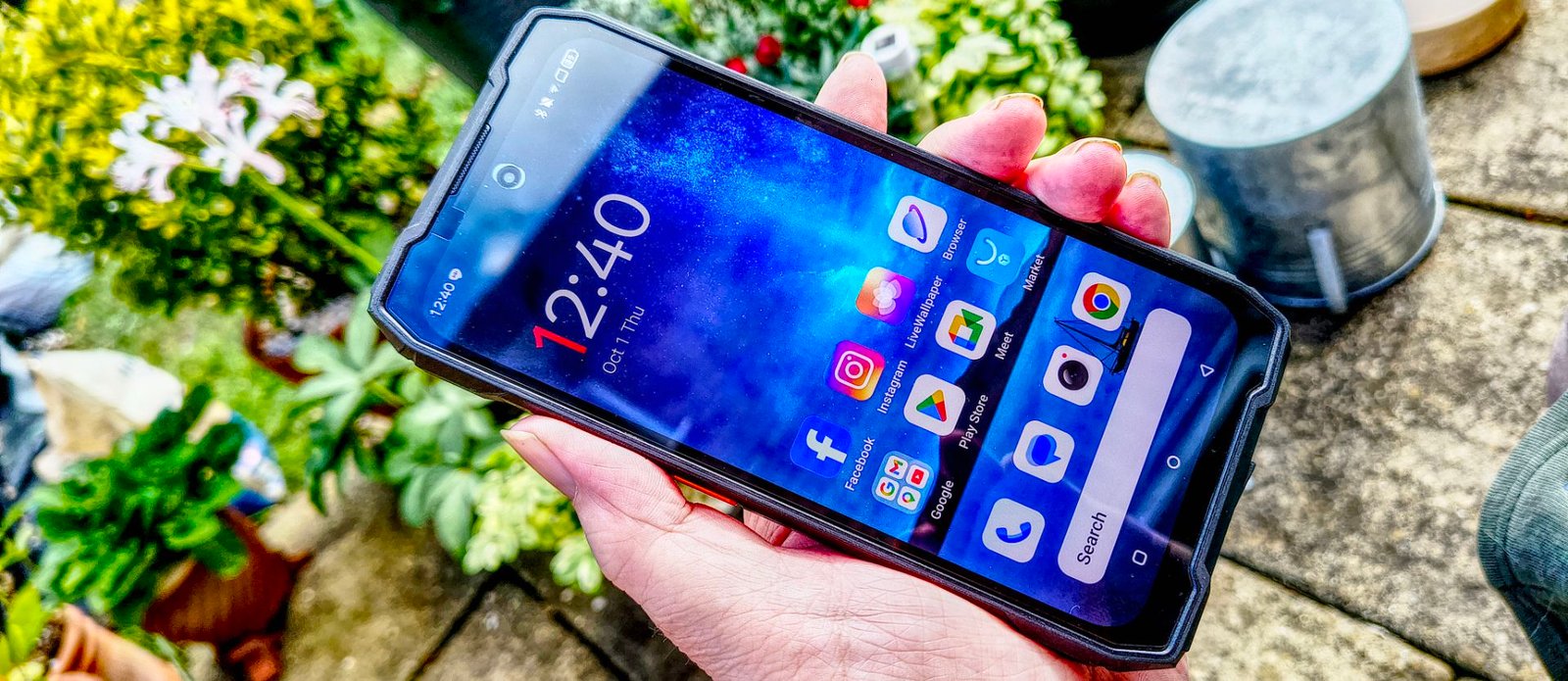
Oscal Pilot 8: 30-second review
Rugged phones usually make one promise: they will survive. Everything else after that tends to be an afterthought or, on some devices, even a distraction.
The Oscal Pilot 8 tries to change that narrative somewhat, while remaining reasonably tough. It uses a new Qualcomm Dragonwing QCM6690 chip instead of the usual MediaTek SoC. It includes a 6.83-inch AMOLED screen, WiFi 7, and a 10,000mAh battery. But its best trick is fitting all that tech into a body just 17.9mm thick and weighing just 389g.
That makes for a practical, rugged design that fits in a normal pocket, and with a 108MP primary camera, it can capture detailed images and 4K video at up to 60fps.
Given these mostly positive aspects, it’s reasonable to expect a high price, but the quoted launch price was just $356.99. That was a special offer, and the retail cost is higher, but it still isn’t expensive for what is a decent specification.
Is this one of the best rugged phones for those out in the field who have to choose between durability and performance? Maybe, but read my full review before parting with cash.
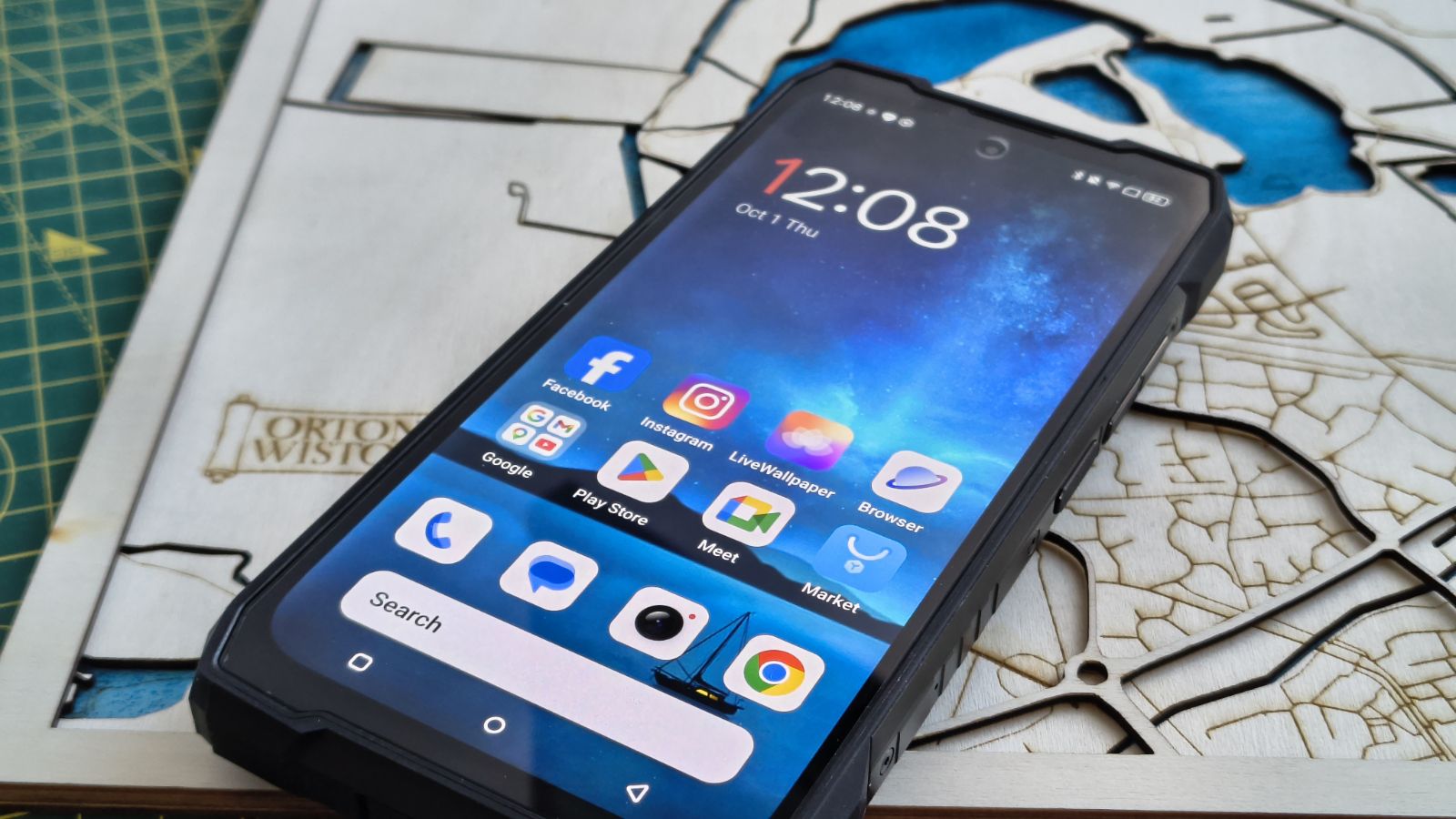
Oscal Pilot 8: price and availability
- How much does it cost? $360/£350/€405
- When is it out? Available now from a few outlets
- Where can you get it? Only from AliExpress currently
According to my research, Oscal announced the Pilot 8 on 17 July 2026. It was available on AliExpress with a launch price of $356.99, running from 17 to 26 August. That offer has ended. Since then, I’ve seen a $329 list price for the only SKU, a 12GB and 256GB model.
The snag is that this model isn’t available on any official Oscal regional sites, and you can’t buy it on Amazon.
At the time of writing, the only retailer I could get this phone from was AliExpress, and the price was $356.99 for those in the USA, £343.39 for UK delivery, and €402,39 for European buyers.
Considering the SoC, AMOLED display and 108MP camera, that looks like a remarkably competitive price. I think there was originally going to be another SKU with 16GB of RAM and 512GB of storage, but evidently memory and storage prices put a spanner in that works.
Why Blackview (Oscal) isn’t selling this via the Oscal websites or through other retail networks I can’t say. But it might be that initially this phone is being made in smaller batches than other phones by this brand.
Compared to other lightweight rugged designs, there are a few phones with a similar profile in terms of performance and portability.
These include the Oukitel WP500 Ultra and Oukitel WP210, which use the Dimensity 8300 and Dimensity 8200 SoCs by MediaTek. The WP500 Ultra has 1TB of storage and a thermal camera, but costs more than double the Pilot 8. And the WP210 is around $450 for a phone with 12GB of RAM and 512GB of storage.
I believe Oscal has a Pilot 8 version planned with a thermal camera, and another with a satellite phone function, but since neither has a price yet, comparing it directly with the WP500 Ultra isn’t possible. The WP210 is much closer on spec and price, and it’s an alternative if you want more storage, but it has a slightly smaller 8800 mAh battery.
Given the recent price increases we’ve seen in phones, the Pilot 8 seems like a good deal, but it would help if it were more widely available.
- Value score: 4/5
Oscal Pilot 8: Specs
|
CPU: |
Qualcomm QCM6690 (Dragonwing Q6690), octa-core, 4nm |
|
GPU: |
Adreno 7 series GPU. Clocks run from 480 to 2965MHz |
|
NPU: |
Qualcomm Hexagon |
|
Memory: |
12GB RAM, confirmed on the sample, plus up to 36GB virtual RAM |
|
Storage: |
256GB UFS 2.2, microSD up to 2TB (shared with second SIM) |
|
Display: |
6.83 inch AMOLED, 1280 by 2772 pixels, 446ppi, 120Hz, 240Hz touch sampling |
|
Brightness: |
600 nits typical, 2000 nits peak (quoted by Oscal). |
|
Glass: |
CSG KK9 scratch-resistant glass |
|
Rear cameras: |
108MP Samsung ISOCELL HM6 main (1/1.67 inch, f/1.9), 20MP night vision with infrared lights. |
|
Front camera: |
50MP Samsung ISOCELL JN1 |
|
Battery: |
10,000mAh, 55W wired charging, 5W reverse charging. No charger supplied |
|
Operating system: |
DokeOS 5.0 based on Android 16 |
|
Wireless: |
WiFi 7, Bluetooth 6.0, dual SIM 5G, eSIM ready |
|
Navigation: |
GPS (L1 and L5), GLONASS, Galileo, BeiDou, NavIC, QZSS |
|
Audio: |
4.5W Smart PA speaker, 98dB claimed maximum |
|
Protection: |
IP68, IP69K, MIL STD 810H, 1.2 metre drop rating |
|
Dimensions: |
178.7 by 85.4 by 17.9mm |
|
Weight: |
389g |
|
Colour: |
Black |
Oscal Pilot 8: Design
- Clean design
- No wireless charging
- Bright AMOLED display
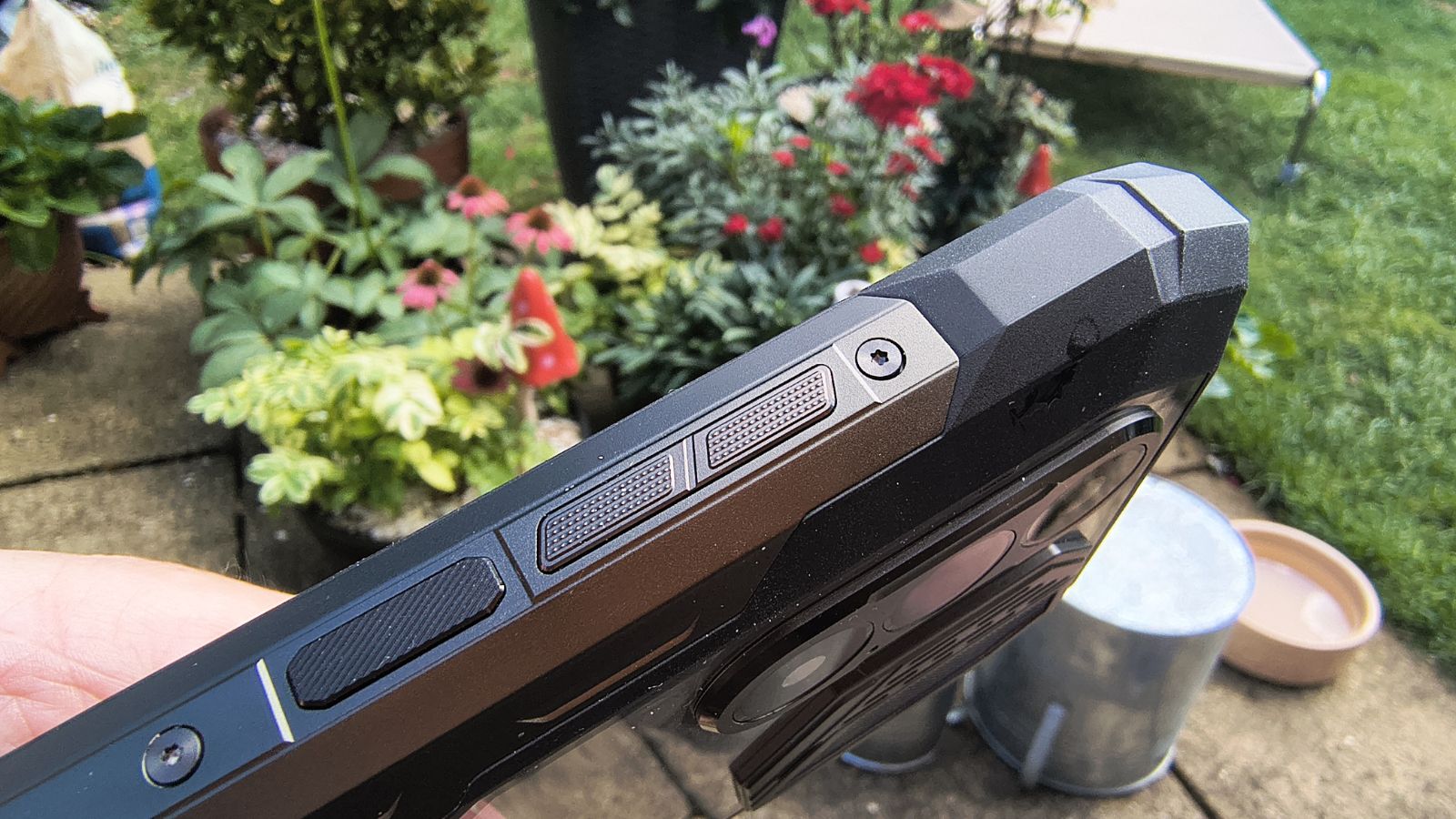
The Pilot 8 measures 178.7 by 85.4 by 17.9mm and weighs 389g. For a phone with a 10,000mAh battery, that is relatively slim and lightweight by rugged phone standards.
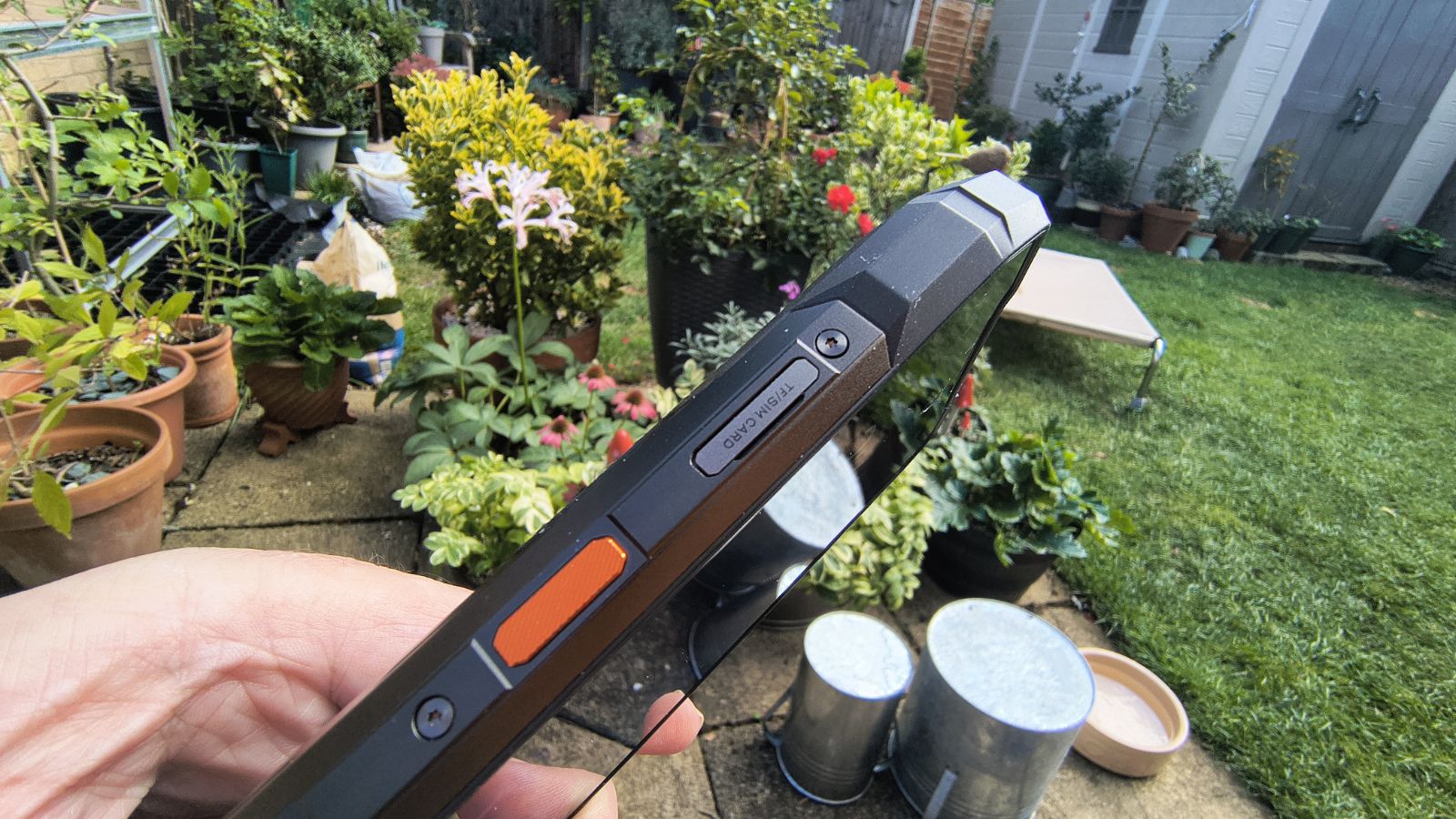
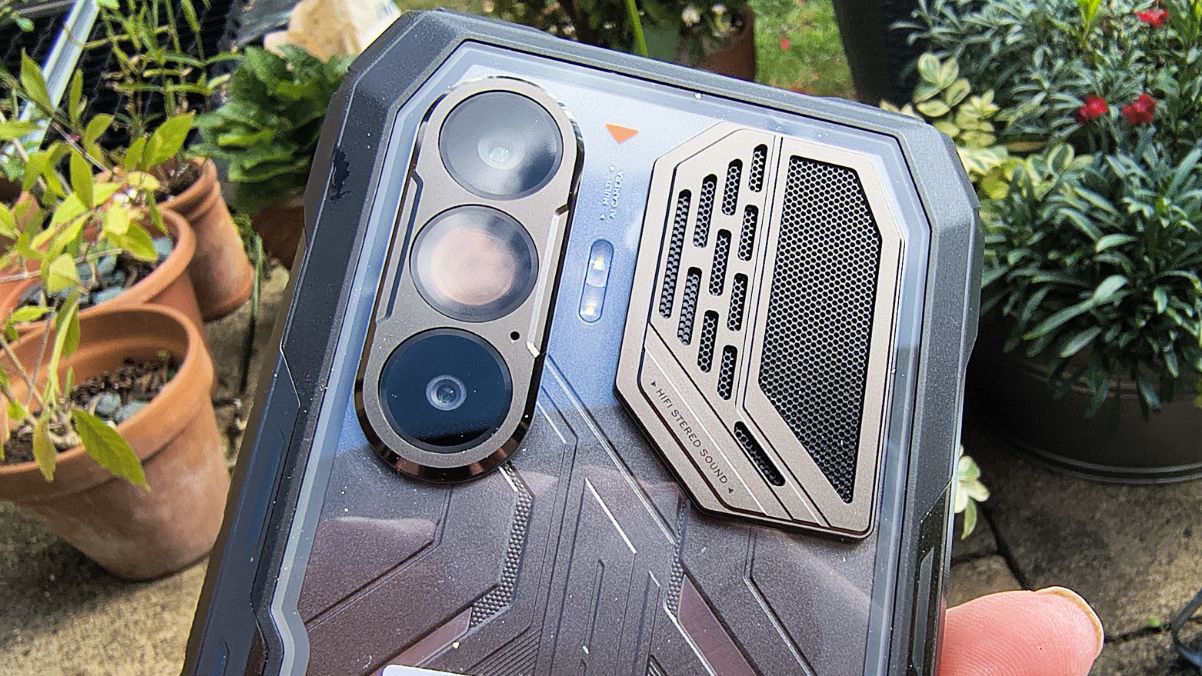
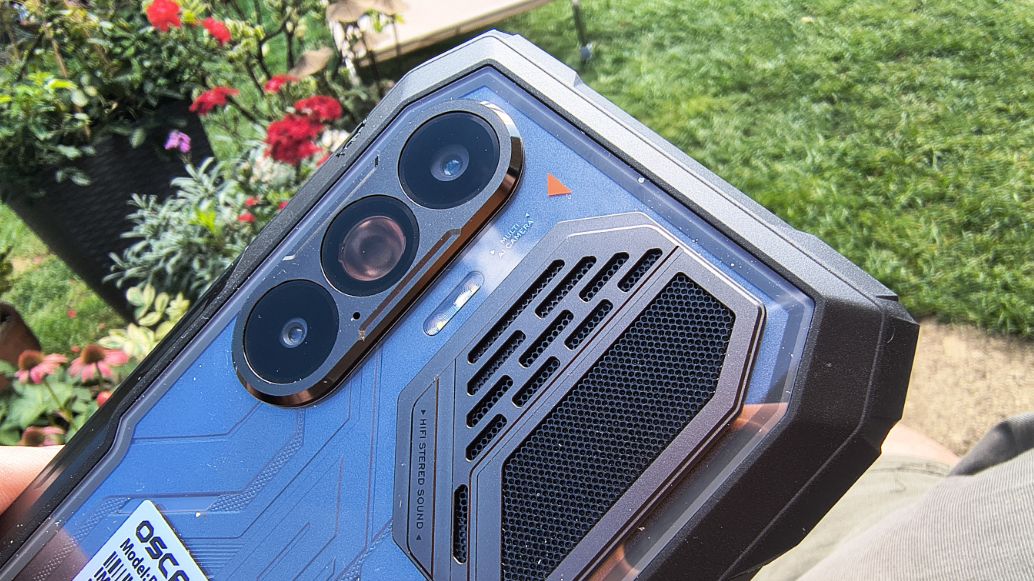
The frame is aluminium alloy with reinforced corners made of a stiff TPU polymer. The back panel is transparent acrylic, through which you can see some appropriately high-tech-looking Oscal graphics.
Given how flat most of the back is, I expected wireless charging, but alas, the Pilot 8 budget didn’t stretch to that feature.
The quoted robustness protection is IP68 and IP69K, with MIL STD 810H certification. But equally, the drop rating is only 1.2 metres, which is on the modest end of the scale for rugged phones.
Many rivals claim 1.5 metres or more, so the Pilot 8 might not be the ideal choice for those who are inherently clumsy. To be clear, I’m not saying it’s fragile by any gauge, but other phones do quote longer drop resistance.
Another reason to think along those lines is the screen protection. It is CSG KK9 glass, a technology that Oscal says is up to eight times more scratch-resistant. That might be true, but it’s not Gorilla Glass if you specifically want a phone with that technology.
While memory and storage prices have ballooned, displays seem to be getting cheaper by the day. That’s why we’ve got a sub-$400 phone with a 6.83-inch AMOLED panel at 1280 by 2772 pixels, a screen density of 446ppi.
The panel has a 120Hz refresh rate, and touch sampling is 240Hz. And because I’m reviewing it, I must mention that it has Widevine L1, so it supports 1080p streaming from Netflix and Disney. Hooray!
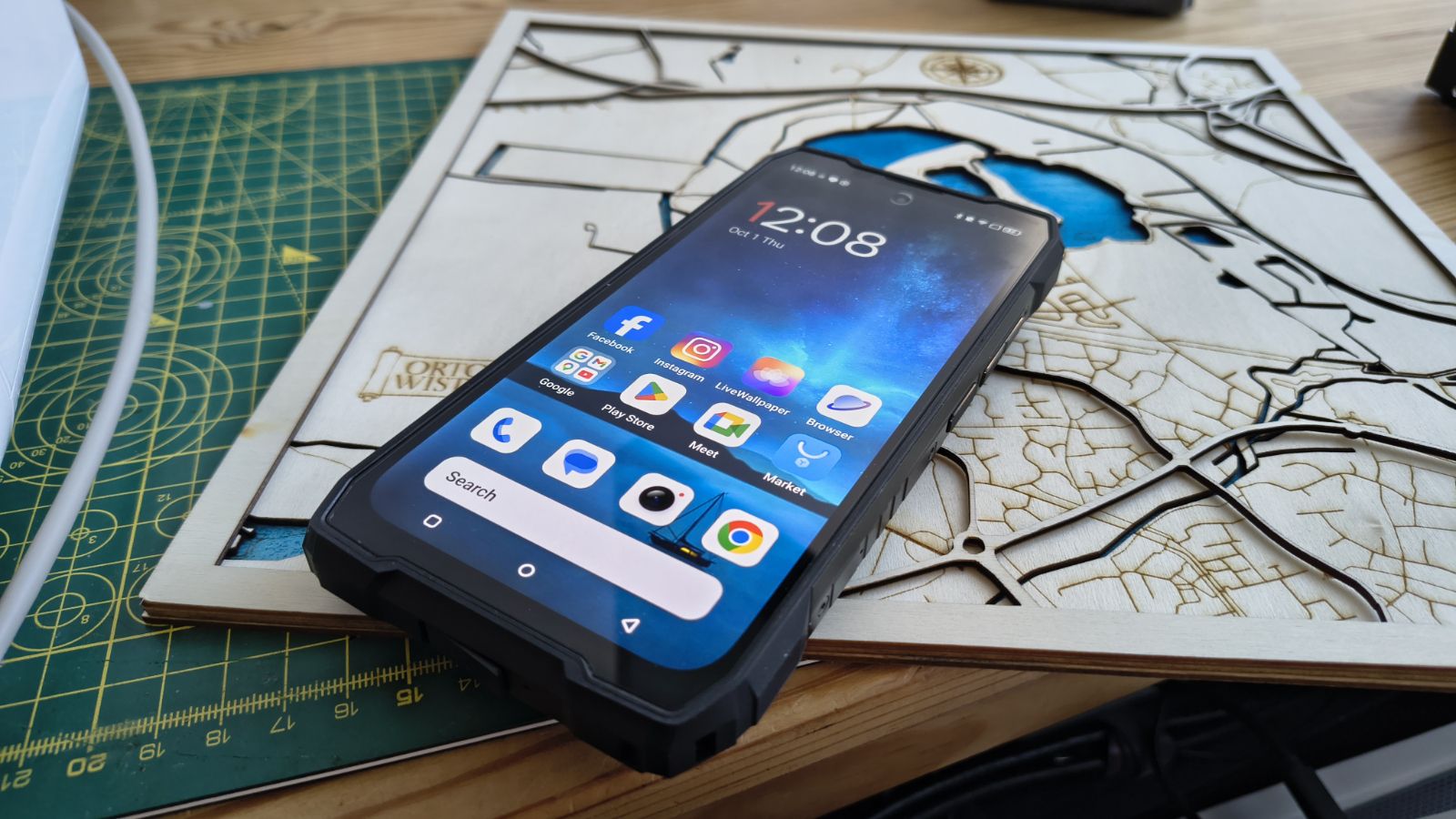
The screen looks bright in use, with Oscal quoting 600 nits typical and 2000 nits peak. Those figures are far apart, and some secondary sources list 600 nits as the maximum. My testing proved inconclusive on this point, but 2000 nits does seem implausibly high.
What I can say is that even in bright sunlight, the screen on the Pilot 8 is significantly more readable than most mobile phones.
What’s good about this design is that it’s chock-full of practical touches, some of which are more useful than others. One curious one I discovered in the settings menu was a function to clear dust and water from the rear speaker.
It also includes glove mode and rain touch modes for the screen. The side key can launch the torch, the underwater camera, PTT, or an SOS alert, and the power button can launch the digital assistant or the camera.
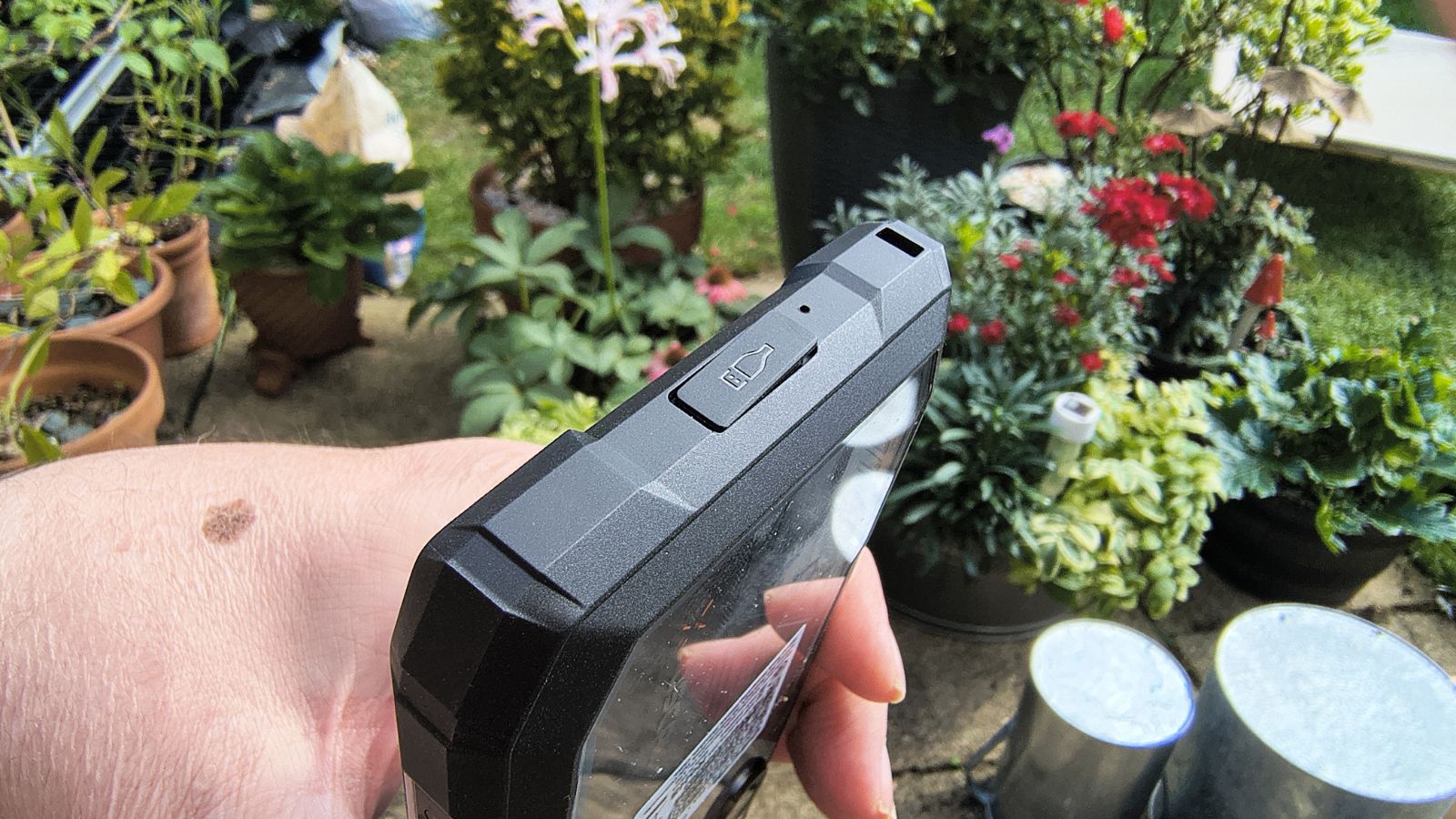
The only feature I wasn’t keen on was the tiny rubber bung that Oscal used to protect the USB-C port, which rapidly started looking like a prime candidate to be ripped off and discarded.
Design score: 4/5
Oscal Pilot 8: Hardware
- Qualcomm QCM6690
- 256GB of UFS 2.2 storage
- 10000 mAh battery
The Qualcomm QCM6690 SoC is this phone’s headline feature, a relatively new Chip that first appeared in late August 2025. It is a 4nm octa-core chip with an Adreno 7 series GPU, and was the world’s first enterprise mobile processor with fully integrated ultra-high frequency (UHF RAIN) RFID capabilities built directly on-chip.
DevCheck reports clock speeds from 480 to 2965MHz. That matches Oscal’s claim of up to 2.9GHz, although this chip might clock slightly faster on other platforms.
Based on my benchmarking, this is an upper mid-range chip, not a flagship. Oscal’s flagship description is therefore a stretch.
Oscal quotes an AnTuTu score of 1,151,934. Declaring it to be 2.7 times a MediaTek Helio G100, with a CPU score of 466,080 and a GPU score of 201,028. The comparison chip is a modest target, so the gap flatters the Pilot 8. A fairer rival would be the Dimensity 8300 or even the 8400.
In the Pilot 8, the SoC is wired to 12GB of RAM, which is enough for most smartphone purposes. I do wish Oscal wouldn’t confuse customers by emblazoning the box art with 48GB in large letters, and then in much smaller letters “12GB+36GB”. Oscal adds 36GB of virtual RAM to reach 48GB, and Virtual RAM borrows storage space and therefore is not memory. I wish phone makers wouldn’t do this, but many do
Storage is 256GB of UFS 2.2 with microSD support up to 2TB. UFS 2.2 is an older standard, so expect decent rather than rapid speeds, but at around 1000Mb/s, it’s fine.
The card shares a slot with the second SIM, so you will need to choose between two physical SIMs or an onboard microSD. However, the phone supports an eSIM, so you can easily circumvent this limitation to enable dual phone numbers and extra storage.
Compared with some rugged designs I could mention, the Pilot 6 is oriented towards being a replacement for an ordinary phone. But being light enough to carry and scaled to fit in a jacket pocket means the battery is only 10,000mAh. That’s not huge, even if it’s double what a standard phone might expect to get.
Charging is 55W wired, with 5W reverse charging for topping up earbuds and small gadgets. Oscal claims 43 hours of calls, 24 hours of music, 11 hours of gaming and 1080 hours of standby. The standby figure works out to be an impressive 45 days, enough for any wilderness trip gone completely wrong.
The only issue I ran into with charging was that my 100W chargers didn’t charge this phone at 55W, only about half that amount, and there is no charger in the box, at least in Europe.
Overall, the hardware has good points, with a few that could be better.
- Hardware score: 4/5
Oscal Pilot 8: Cameras
- 108MP and 20MP on the rear
- 50MP on the front
- Three cameras in total
The Oscal Pilot 8 has three cameras:
Rear cameras: 108MP Samsung ISOCELL HM6 , 20MP Sony IMX376
Front camera: 50MP Samsung ISOCELL JN1
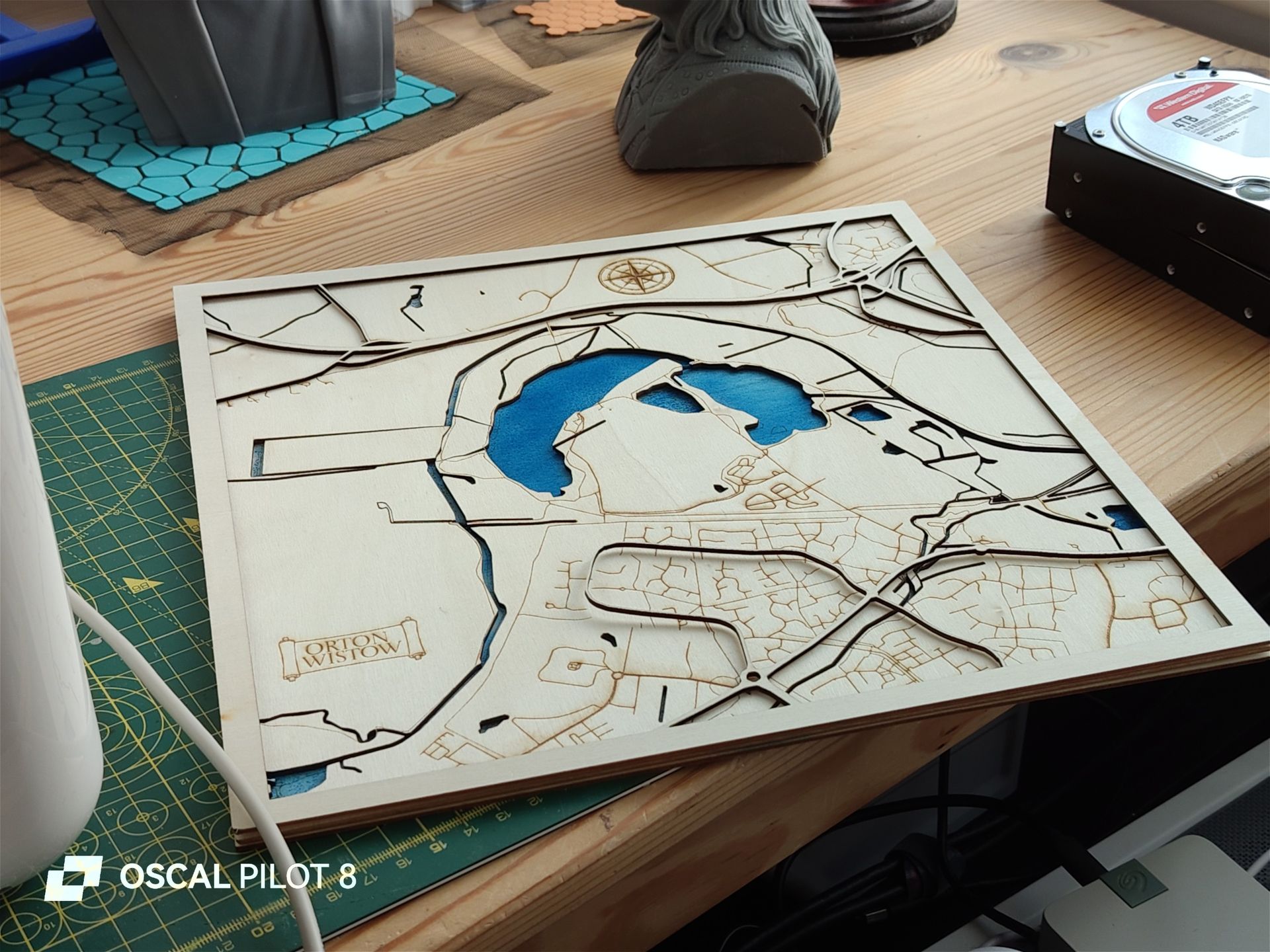
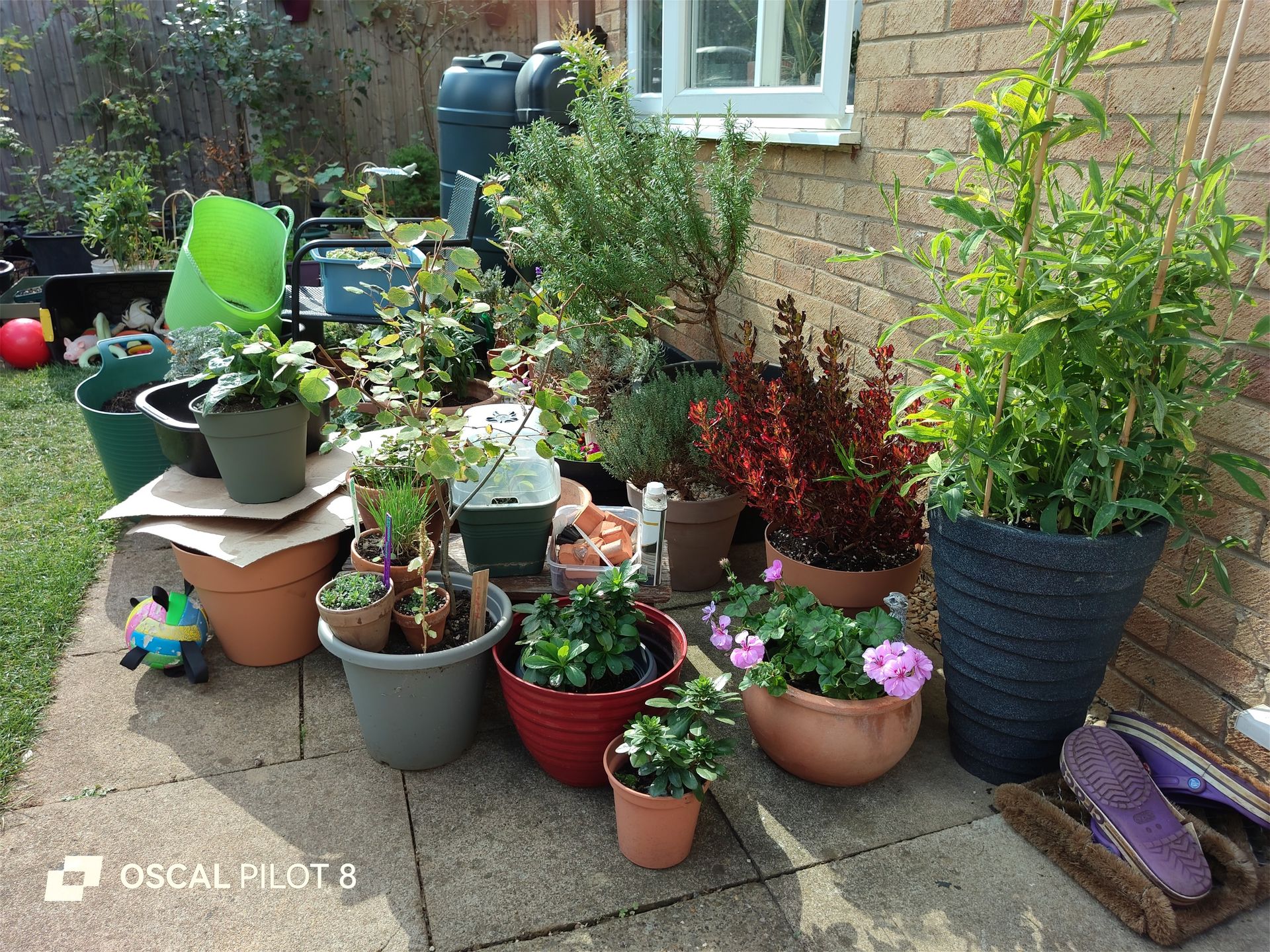
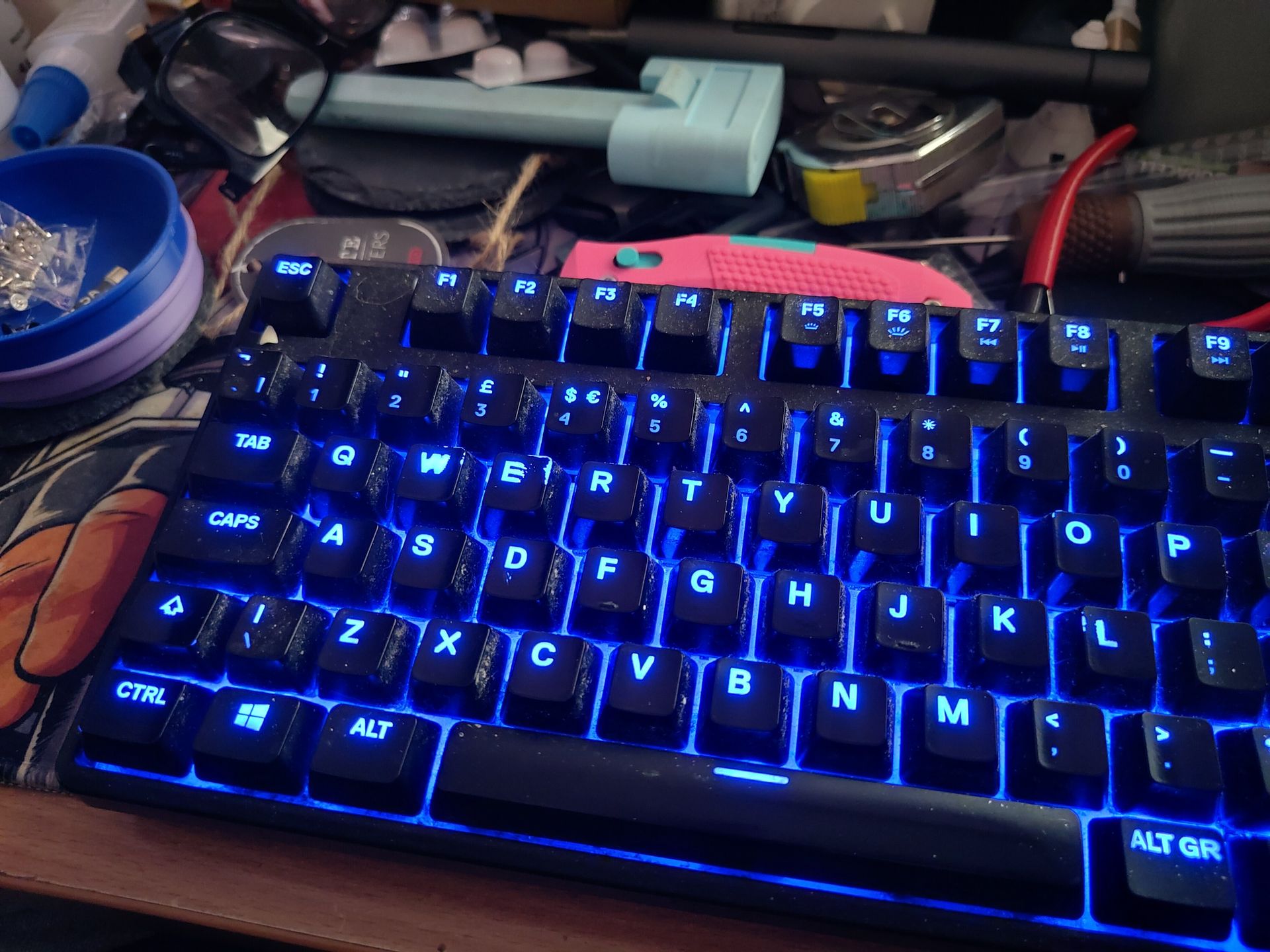
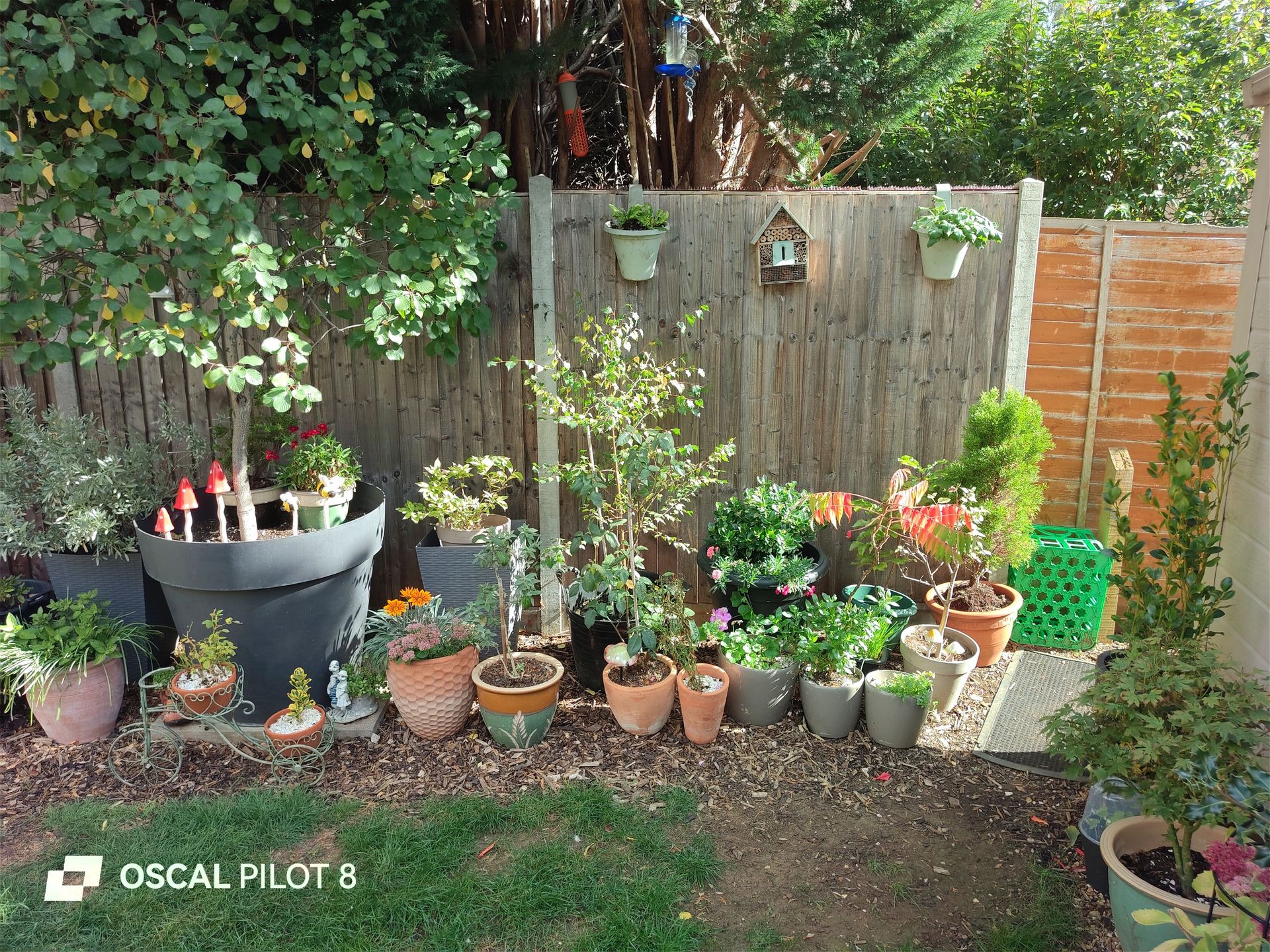
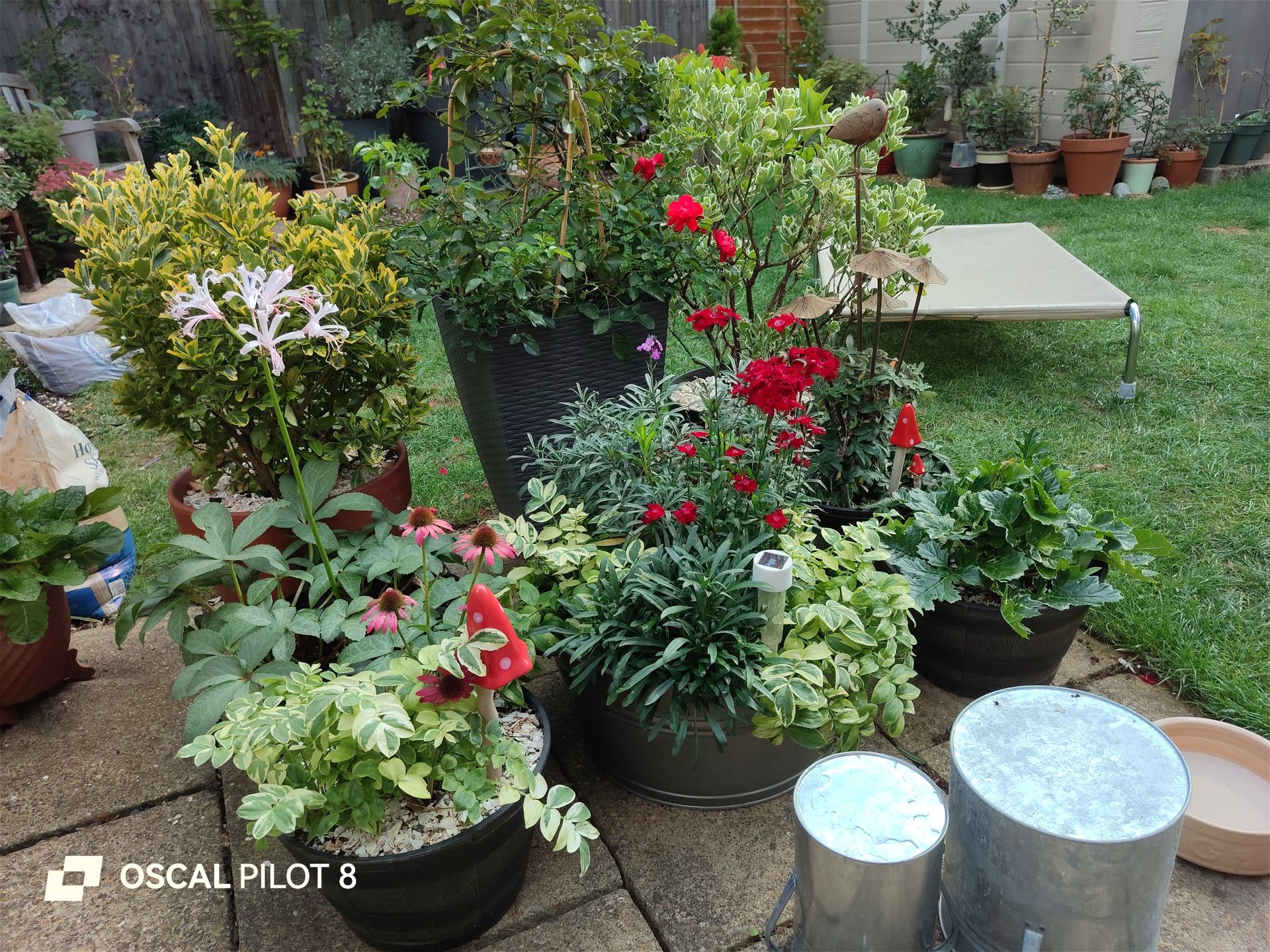
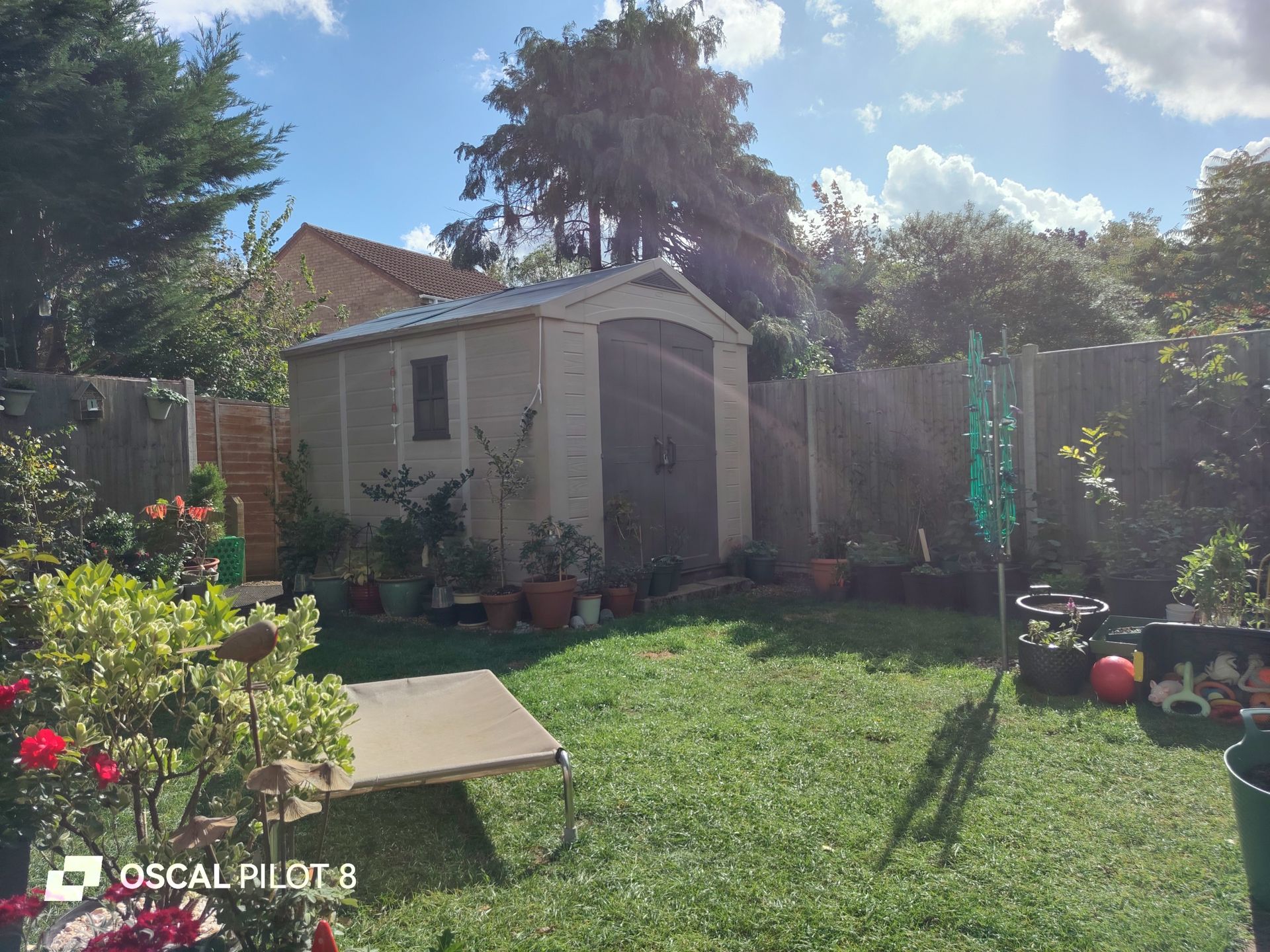
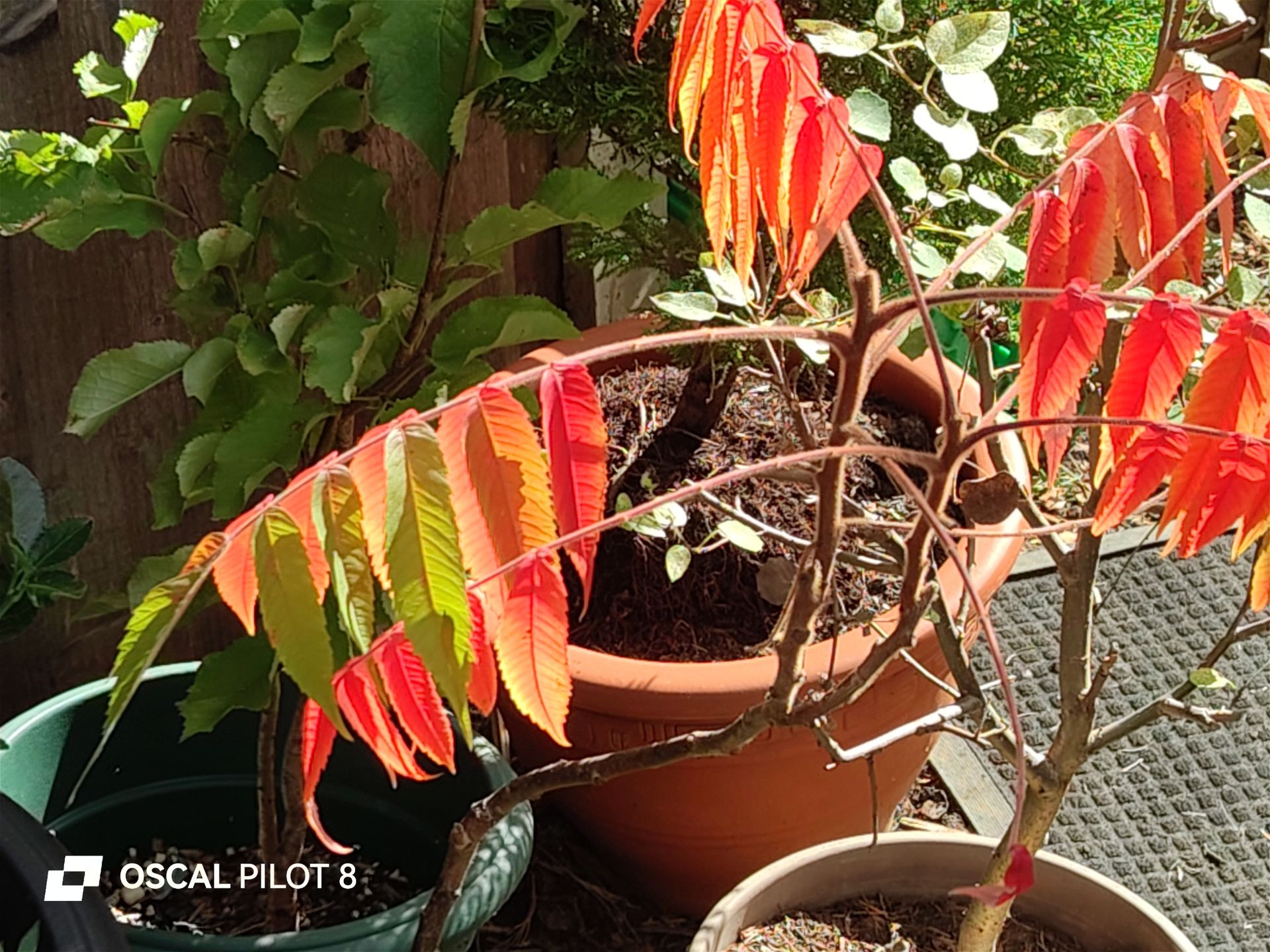
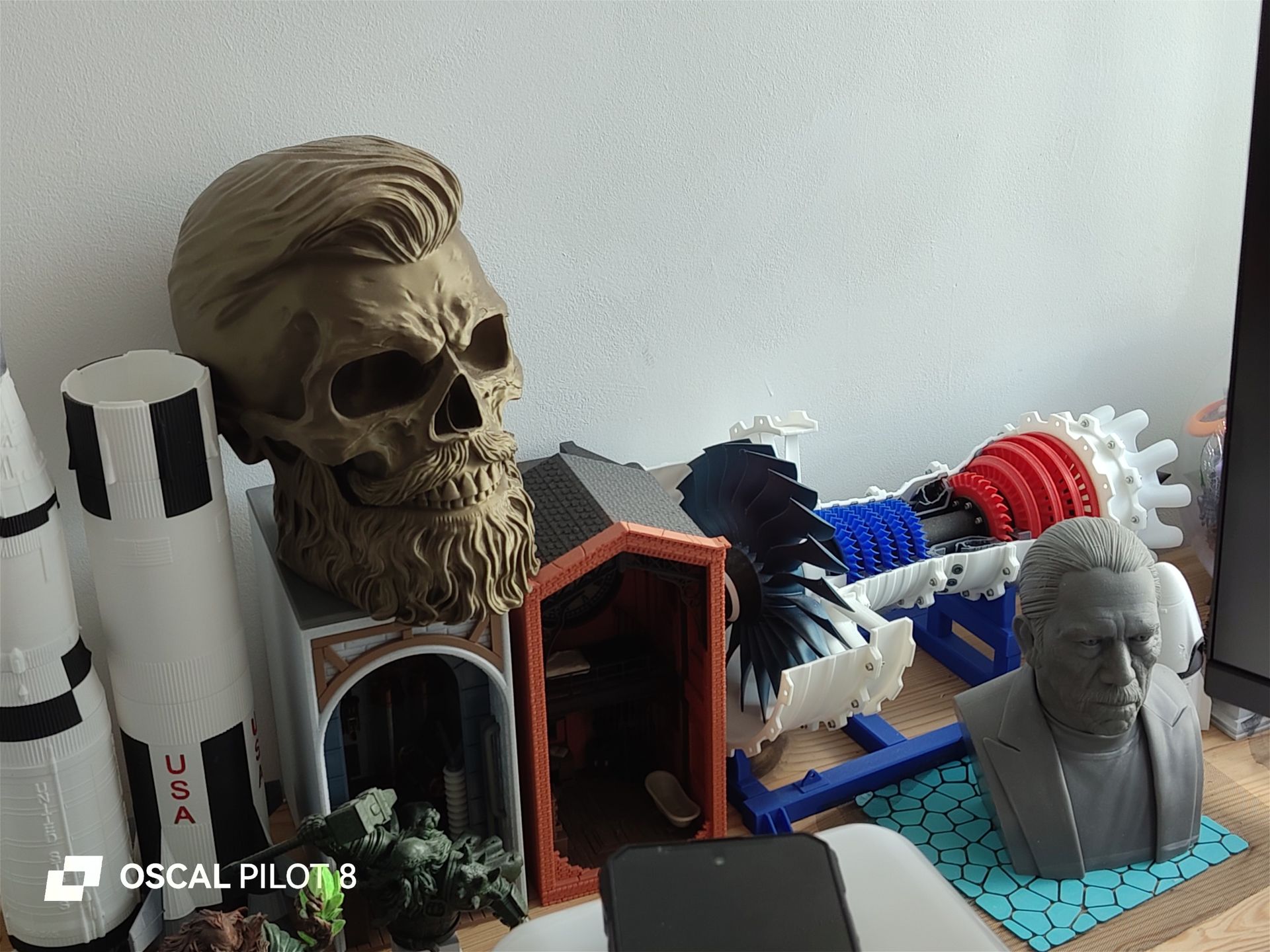
The main camera is a 108MP Samsung ISOCELL HM6 on a 1/1.67 inch sensor with an f/1.9 lens. The front camera is a 50MP ISOCELL JN1. A 20MP Sony IMX376 night vision camera sits alongside the main sensor, backed by infrared lights.
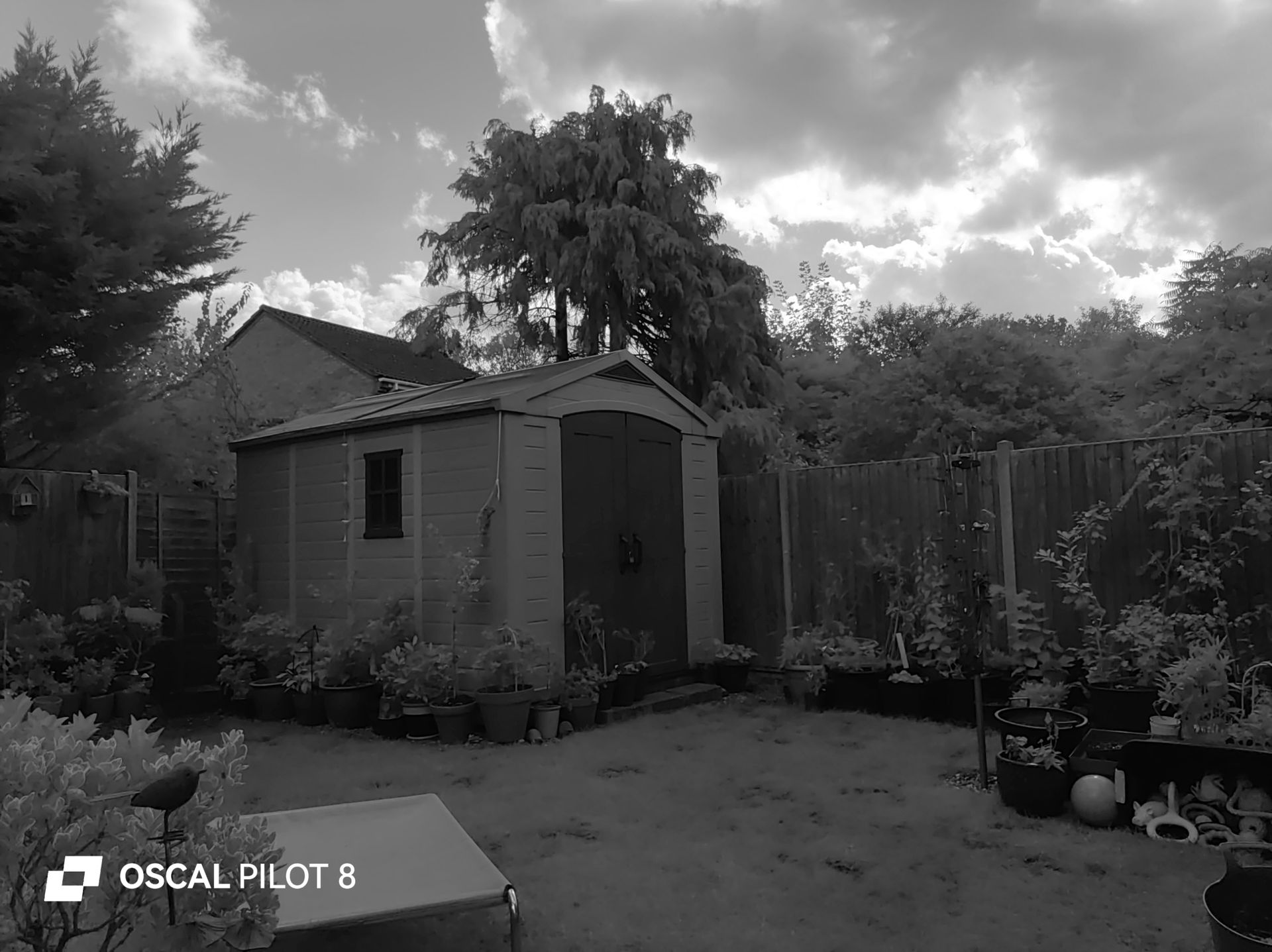
My review sample is the standard model. So it has no thermal camera or thermal app, but it does have a night vision sensor that works well within the range of the IR illumination.
Having the JN1 sensor as the selfie camera seems overkill, but it’s nice if you need the resolution for still or video captures.
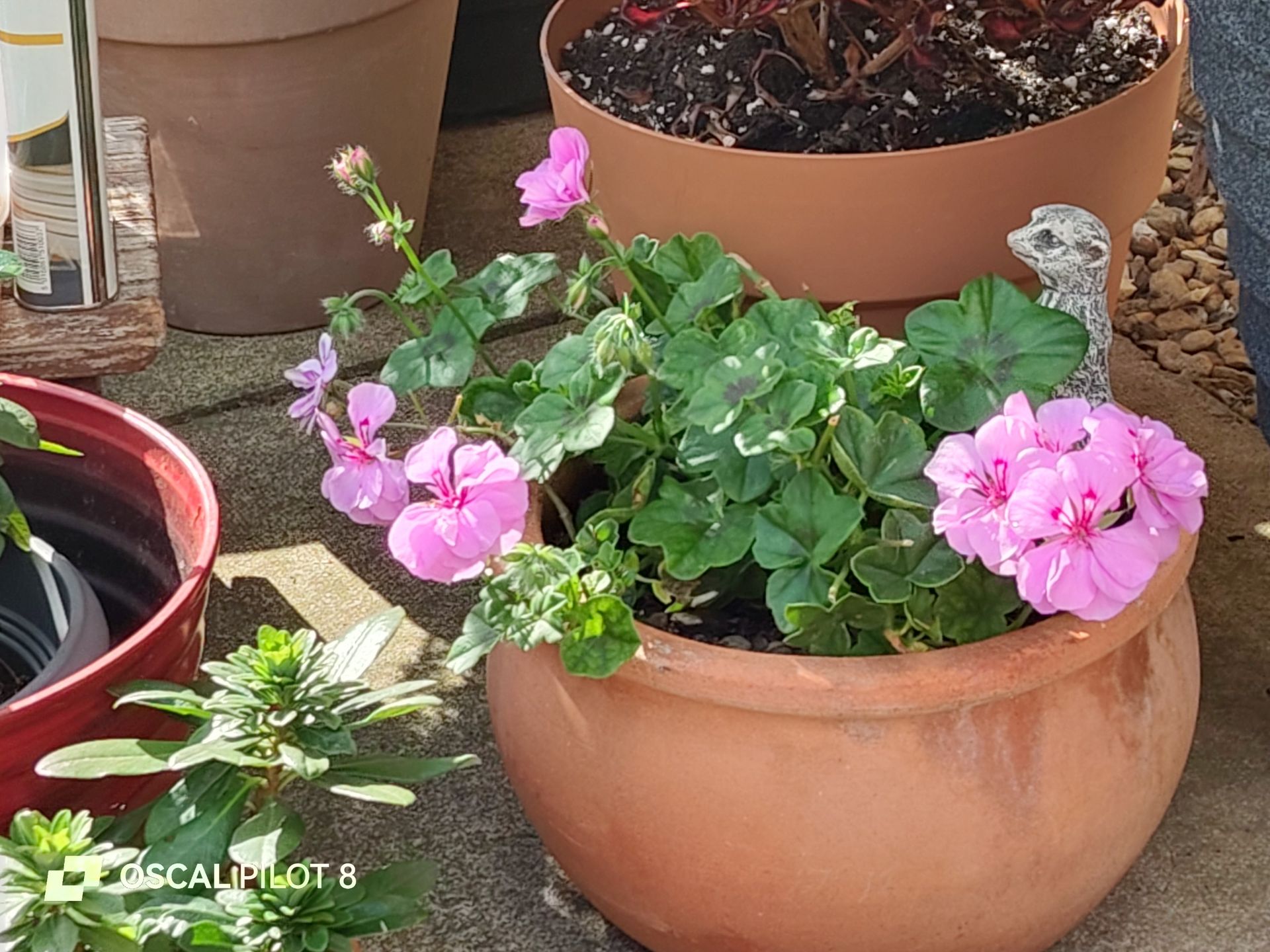
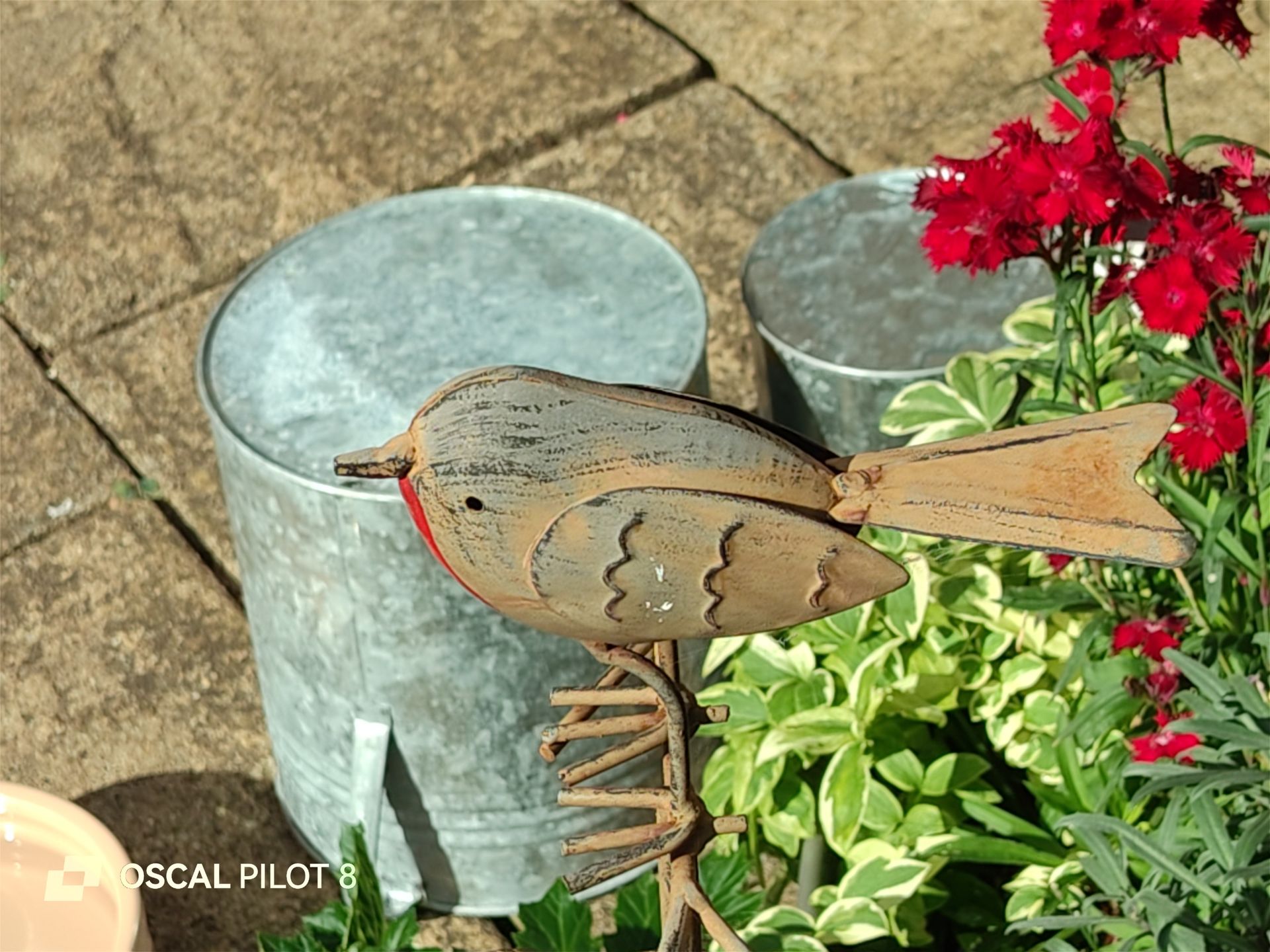
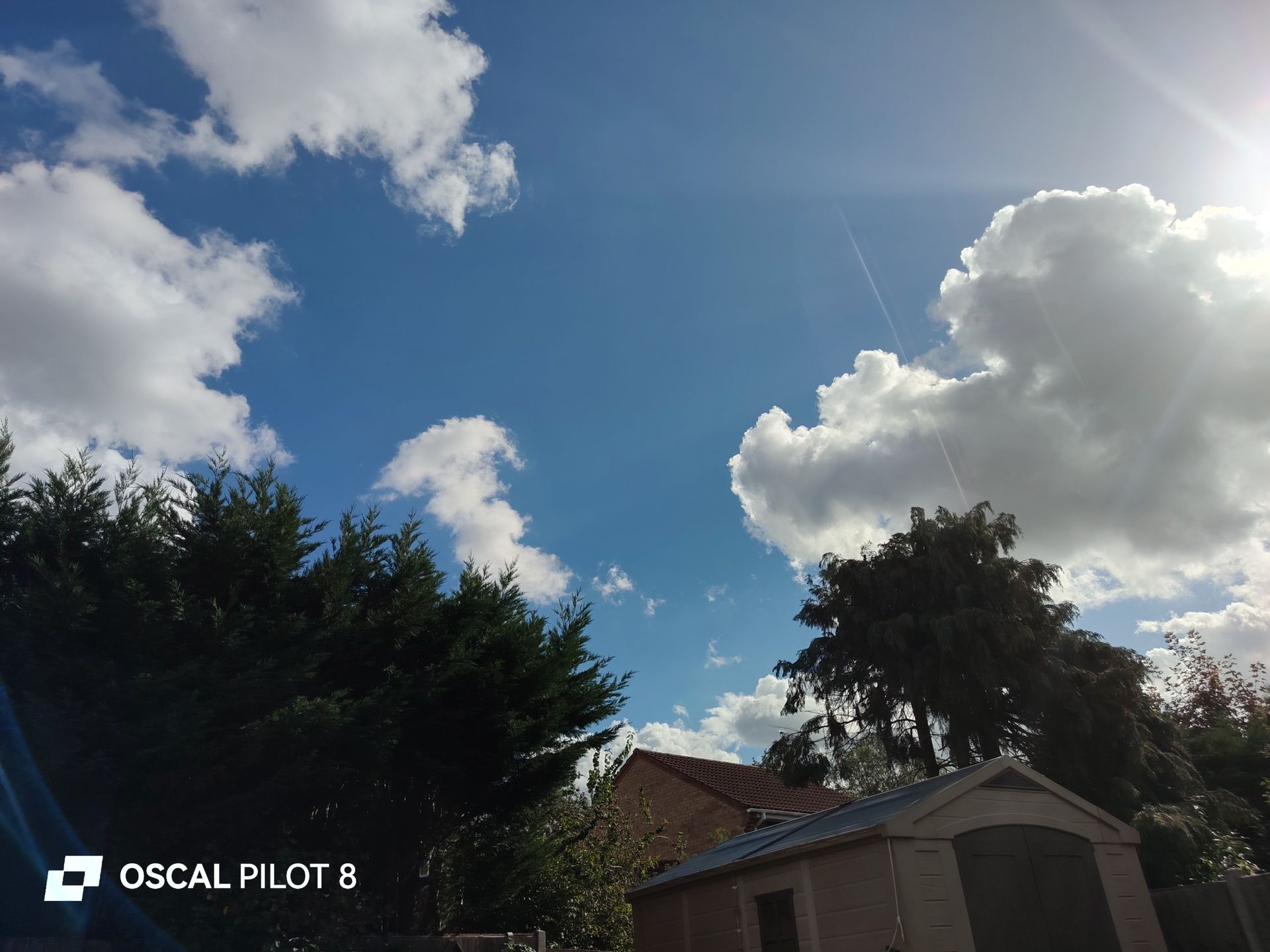
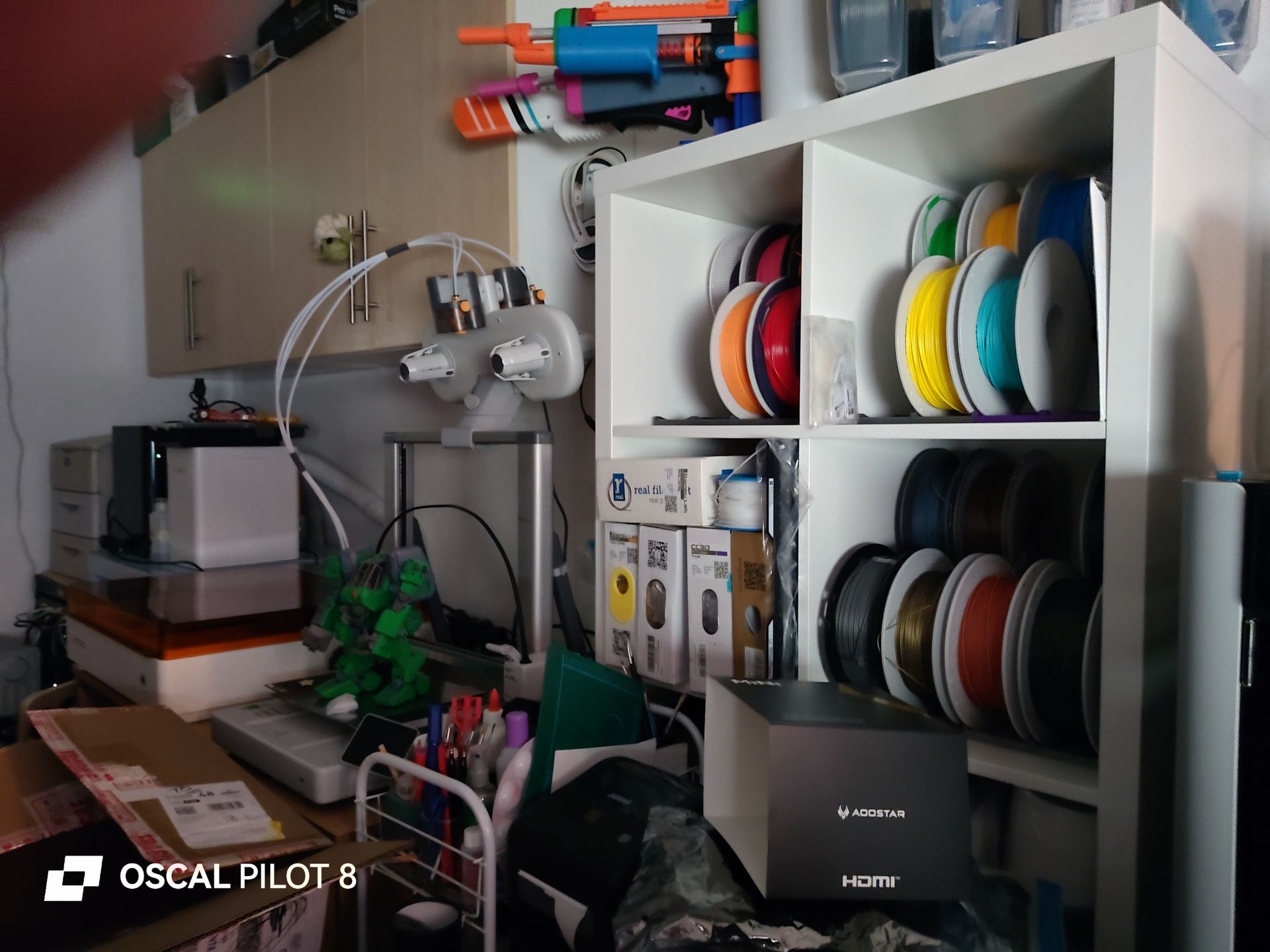
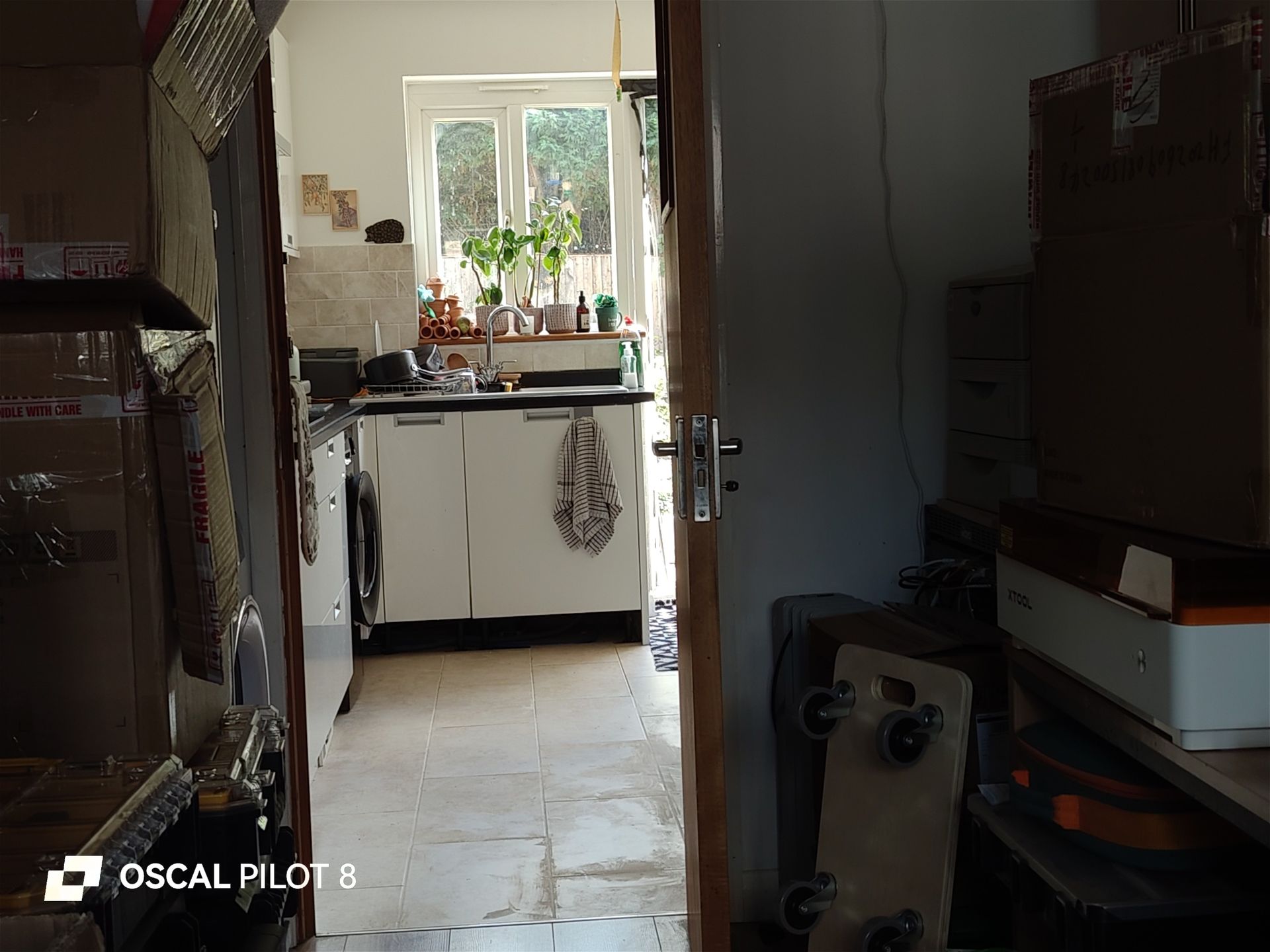
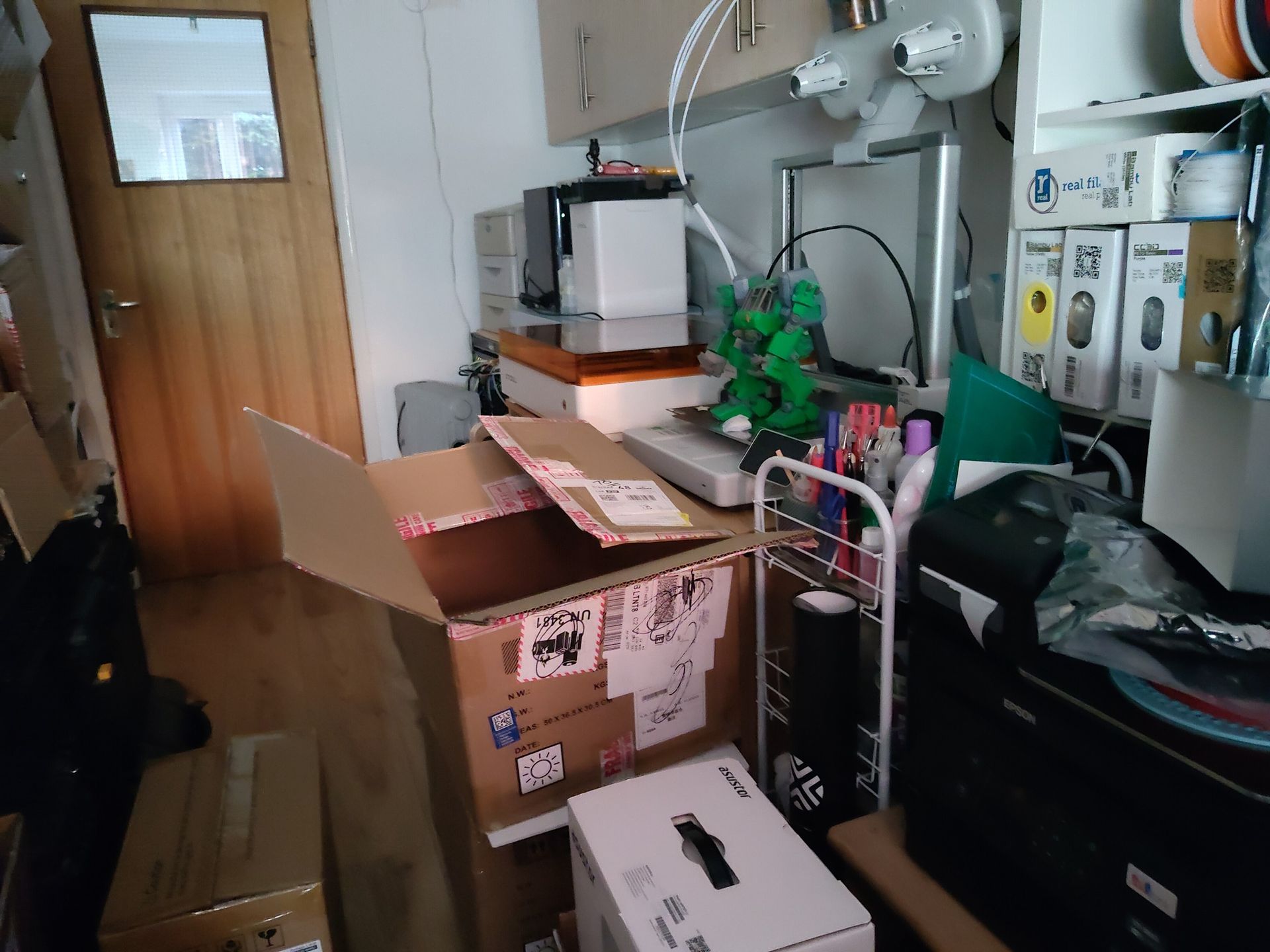
This is a strong camera lineup, even without a macro or depth queue sensor, since the HM6’s 6P optics offer plenty of zoom levels, even if you can’t get especially close to small subjects. Video capture on the primary sensor is also good, with up to 4K resolution and 60 fps possible – on both rear and front-facing sensors.
The only major issue I had with the camera was that the app would, on occasion, lock up, and the only way to get it working again was to reset the phone. I’m not sure if this is a bug with Doke 5.0 (built from Android 16) or some other problem, but this happened twice while I was using the Pilot 8.
And, for whatever reason, taking pictures seems to take longer than it should on a phone this powerful. It takes at least two and a half seconds before the app resets after capturing an image to be ready to take another one.
I hope Oscal issues a fix for these, because both are annoying, and before anyone suggests it, deleting the cache or storage for the photo app doesn’t resolve either.
My testing results were good, even though I did experience a few glitches.

- Camera score: 4/5
Oscal Pilot 8: Performance
|
Phone |
Oscal Pilot 8 |
Oukitel WP500 Ultra |
|
|
SoC |
Qualcomm Dragonwing QCM6690 |
MediaTek Dimensity 8300 |
|
|
GPU |
Qualcomm Adreno 7-Series |
ARM Mali-G615 MC6 |
|
|
NPU |
Qualcomm Hexagon |
MediaTek NPU 580 |
|
|
Memory |
12GB/256GB |
12GB/1TB |
|
|
Weight |
389g |
414.3g |
|
|
Battery |
10000 |
10000 |
|
|
Geekbench |
Single |
1341 |
1239 |
|
Multi |
3702 |
3525 |
|
|
|
OpenCL |
3593 |
7196 |
|
|
Vulkan |
5037 |
8171 |
|
PCMark |
3.0 Score |
16453 |
15219 |
|
|
Battery |
23h 22m (19%) |
22h 37m (19%) |
|
Charge 30 Mins |
% |
18 |
42 |
|
Passmark |
Score |
17326 |
18554 |
|
CPU |
8394 |
8748 |
|
|
3DMark |
Slingshot OGL |
8064 |
Maxed Out |
|
Slingshot Ex. OGL |
6261 |
Maxed Out |
|
|
Slingshot Ex. Vulkan |
5442 |
Maxed Out |
|
|
Wildlife |
4619 |
7958 |
|
|
Nomad Lite |
440 |
953 |
I chose the Oukitel WP500 Ultra as the comparison phone because it uses the popular Dimensity 8300, and because it’s a substantially more expensive device.
What it reveals is that the ARM Mali-G615 MC6 is marginally quicker than the Qualcomm Adreno 7-Series, but as a processor, the Dragonwing QCM6690 is actually a match or even slightly better than the Dimensity 8300.
By definition, that puts it behind any phones that use the Dimensity 8400 series, but those are mostly what I’d describe as premium devices.
Overall performance is good, and the power efficiency of the SoC is excellent. Being able to run the PCMark Battery test for nearly an entire day strongly suggests the 10000 mAh battery should last through three working days, or, if managed properly, a week away from civilisation.
Considering this phone weighs only 389g, that’s supremely useful.
The only issue was charging it quickly, since without the 55W charger that Oscal didn’t include, I couldn’t charge it at that power level. So, you may need to find a 55W charger this phone accepts, because it didn’t like my Ugreen Nexode power packs.
- Performance score: 4/5
Oscal Pilot 8: Final verdict
If the price holds and availability improves, the Pilot 8 makes a strong case. The Qualcomm chip performs nearly as well as a Dimensity 8300 in my testing, and that’s a decent level to hit. That lifts it above the usual rugged crowd that uses cheaper SoCs. The battery should get you through a full workweek of light use, and the body is slim enough to fit in a pocket.
On the flip side, the drop rating is modest, and the brightness claims seem optimistic. And, update support is largely an unknown. Unlike some other brands, Blackview (Oscal) doesn’t maintain a public, centralised chronological archive or changelog history of its firmware updates.
Some Blackview devices, like the XPLORE series, do tend to get more updates than more budget devices. So if I bought the Pilot 8, I’d be surprised if it saw any Android version above what it has now, but it might get some tweaks and security patches. The last security update that my review hardware got was dated July 5th, 2026.
With most Chinese brands, this isn’t unexpected, but it’s worth keeping in mind if you plan to keep hardware for more than a handful of years.
In general, this is a decent device with a punchy SoC, good cameras and a lovely display, and getting all those things at this price point in 2026, if you can find it, is a bonus.
It will be interesting to see if the Thermal Camera and Satellite versions of the Pilot 8 are as good as the standard model when they arrive.
Should I buy a Oscal Pilot 8?
|
Attributes |
Notes |
Rating |
|---|---|---|
|
Value |
For this specification, the asking price is reasonable |
4/5 |
|
Design |
A lightweight, rugged design that will fit in most pockets |
4/5 |
|
Hardware |
A powerful Qualcomm SoC that delivers efficient running |
4/5 |
|
Cameras |
Good cameras and useful optics, but buggy camera app |
4/5 |
|
Performance |
Not Snapdragon 8 great, but good all-around performance |
4/5 |
|
Overall |
A practical rugged design with plenty of premium features |
4/5 |
Buy it if…
You need 4K video
The sensors on this phone are capable of capturing 4K at 60 fps, and that includes both the primary rear-facing sensor and the front-facing camera. Therefore, if you need 4K content to document your adventures, the Pilot 8 seems a good choice. Just be aware that it only has 256GB of storage, so you might want to also invest in a 1TB microSD card.
You need a phone for outdoors
The water and dust resistance on the Pilot 8 is enough to handle limited submersion and drops. It’s also not too large to fit in a pocket, or excessively heavy. Compared with some rugged designs, this is one of the more practical options.
Don’t buy it if…
You need extended battery life
While 10000 mAh of battery capacity might seem plenty for a standard phone, some rugged designs have double this amount or even more. If you are intending to use the phone to charge other devices, then the battery capacity of the Pilot 8 and its 5W reverse charging isn’t ideal.
You want macro photography
While the 6P optics on the primary camera allow for plenty of zoom levels, you can’t get especially close to subjects with it. There is no specific macro mode, and photographing a flower or insect at close quarters would be a real challenge. If you do close-up photography, this is not the phone for you.
For more ruggedized devices, we’ve reviewed the best rugged tablets, the best rugged laptops, and the best rugged hard drives
This articles is written by : Nermeen Nabil Khear Abdelmalak
All rights reserved to : USAGOLDMIES . www.usagoldmines.com
You can Enjoy surfing our website categories and read more content in many fields you may like .
Why USAGoldMines ?
USAGoldMines is a comprehensive website offering the latest in financial, crypto, and technical news. With specialized sections for each category, it provides readers with up-to-date market insights, investment trends, and technological advancements, making it a valuable resource for investors and enthusiasts in the fast-paced financial world.