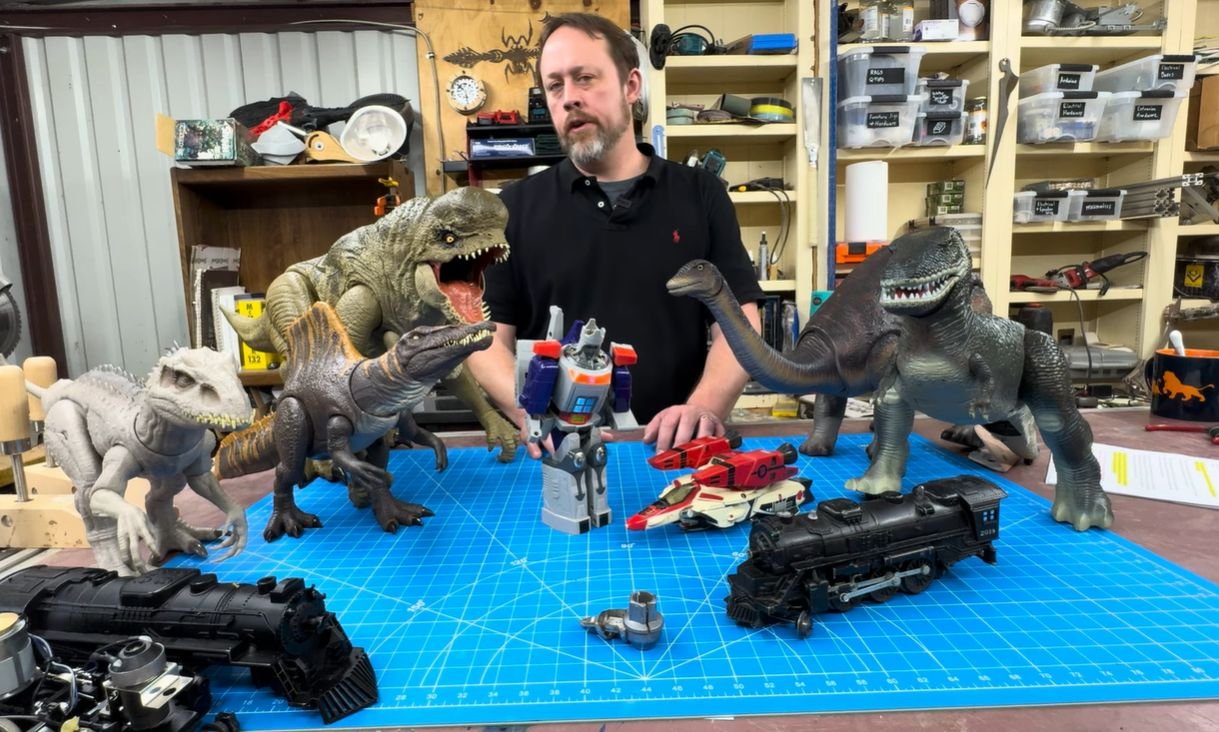
It’s become a bit of a platitude to state that products were manufactured better in ‘the olden days’, but as [The Meandrous Engineer] covers in a recent video essay, the truth is a lot more greyscale and nuanced than something so trite.
The very short version is that it is the dominant culture of a nation in which products are manufactured that determines how many shortcuts and potential product life-shortening decisions are made. This same culture works its way down into company culture, including the engagement of the so-called C-suite with the engineers and folk who keep the now mostly automated manufacturing lines running, as well as vice-versa.
Old-school die-cast models and incandescent light bulbs saw their own series of manufacturing shortcuts, including a pre-World War 2 scandal about the artificial limiting of the lifespan of lightbulbs so that customers would buy more of them. This foreshadows what happened as soon as plastics and computer-aided design and manufacturing came on the scene.
Post-WW2, people like W. Edwards Deming were welcome guests in Japan and other rebuilding nations, introducing the Lean method of manufacturing which was at the time not deemed desirable in a post-war USA. For Japan, South Korea and other nations in the region this meant a boom in manufacturing, with a quality level that would ultimately trounce that of their Western equivalents.
The argument here is that Japan’s culture of efficiency, of respect for materials and loyalty both to one’s company and its workers is why this method produces much better results, with better working conditions than in nations with a different culture. This is exemplified by e.g. former Nintendo president [Satoru Iwata] taking a 50% pay cut in 2014 rather than lay off any people.
Although plastics and automated manufacturing with CAD/CAM catch a lot of flak, ultimately it’s about how these tools are used. Cheaper manufacturing and more versatile materials have made life much cheaper and more convenient for many of us, while also allowing for us hobbyists to make projects that would otherwise be impossible, including sending off a KiCad project plus BOM and 3D model for an enclosure to print, extrude or mill to have it produced for effectively peanuts.
If we do want to counteract this penny pinching by certain companies, we need to do more than just voting with our wallets. We also need to understand how these products are made, whether a certain choice like plating a car’s lug nut to make it seem better than it is good or bad. Here the right to repair movement has a lot in common, as it pushes a modicum of responsibility on to the customer to understanding fairly low-level details about a product, rather than to be just a consumer who is happy to e-waste when it breaks and buy a new gadget or appliance.
This articles is written by : Nermeen Nabil Khear Abdelmalak
All rights reserved to : USAGOLDMIES . www.usagoldmines.com
You can Enjoy surfing our website categories and read more content in many fields you may like .
Why USAGoldMines ?
USAGoldMines is a comprehensive website offering the latest in financial, crypto, and technical news. With specialized sections for each category, it provides readers with up-to-date market insights, investment trends, and technological advancements, making it a valuable resource for investors and enthusiasts in the fast-paced financial world.