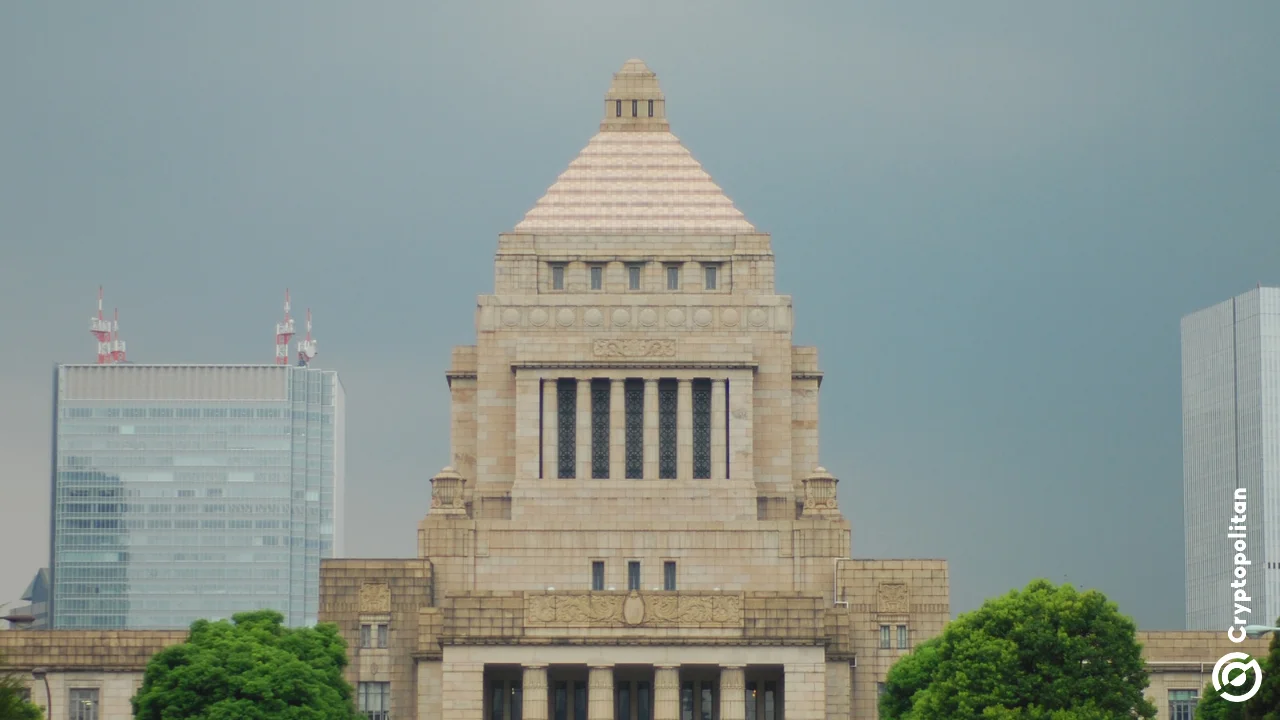
Japan is considering penalties for AI companies that ignore government orders.
The penalties will be aimed mostly at U.S. developers of advanced AI, whose systems Japan uses but cannot force to share information. Officials plan to publish a full reform blueprint before the end of 2026.
Why can’t Japan make American AI companies cooperate?
Japan’s AI Promotion Act, which states that if AI misuse harms someone’s rights, the government can investigate and give guidance, took full effect in September 2025. But the law has no punishment for a company that simply refuses to cooperate. Japan is now considering including penalties in its law.
This regulatory gap is a bigger problem with foreign companies. A group within Japan’s ruling Liberal Democratic Party, led by former digital minister Masaaki Taira, warned in a draft proposal that other governments can get information from AI companies, but Japan may not be able to. The draft noted that the European Union already fines AI companies that refuse to hand over information.
Japan is most worried about advanced AI that it does not build or control. The government wants AI companies to take on safety duties. It is also thinking about penalties for the risk of advanced AI going out of control or being used in cyberattacks.
A private working group has confirmed this plan. Officials also want the power to act against companies that refuse to help after something goes wrong.
Japan’s Financial Services Agency reportedly set up a 36-member group of government and industry members in May 2026 to study cyber threats linked to Anthropic’s Mythos model. The Japanese branches of Anthropic and OpenAI are taking part.
Notably, Japan’s updated AI Basic Plan, approved in July 2026, named high-performance models such as Claude Mythos as a concern. The U.S. Commerce Department also limited access to Anthropic’s Mythos 5 and Fable 5 earlier in 2026, then restored it.
The government reportedly began reviewing the AI Promotion Act at an expert panel meeting on October 26. Digital minister Toshiharu Furukawa told the panel that Japan needs closer work with partner countries on AI safety. A group of academics held its first meeting two days later, and the panel hopes to settle on a direction by the end of the year.
It is not yet clear that penalties will survive this process. Some participants have suggested that the country proceed with caution, because other countries are not all considering tighter AI rules.
Will Japan’s penalties be big enough to matter?
Earlier this year in January, South Korea’s AI Basic Act that lets regulators fine companies up to 30 million won (about $21,000) for refusing inspections or ignoring corrective orders took effect. However, for a large U.S. AI company, a fine that small is negligible and unlikely to change behavior.
On the other hand, as part of an effort to make Japan the “most AI-friendly country,” its first AI law, the AI Promotion Act that was passed in May 2025, left out penalties so that cautious firms would not be scared away from using AI.
The law was meant to work through social pressure and voluntary compliance, and analysts assumed that if a company like OpenAI wanted access to Japan’s market, it would have to follow local rules.
By the end of the year, it will be clear how large Japan’s fines will be, or if there will be any at all.
The smartest crypto minds already read our newsletter. Want in? Join them.
This articles is written by : Nermeen Nabil Khear Abdelmalak
All rights reserved to : USAGOLDMIES . www.usagoldmines.com
You can Enjoy surfing our website categories and read more content in many fields you may like .
Why USAGoldMines ?
USAGoldMines is a comprehensive website offering the latest in financial, crypto, and technical news. With specialized sections for each category, it provides readers with up-to-date market insights, investment trends, and technological advancements, making it a valuable resource for investors and enthusiasts in the fast-paced financial world.