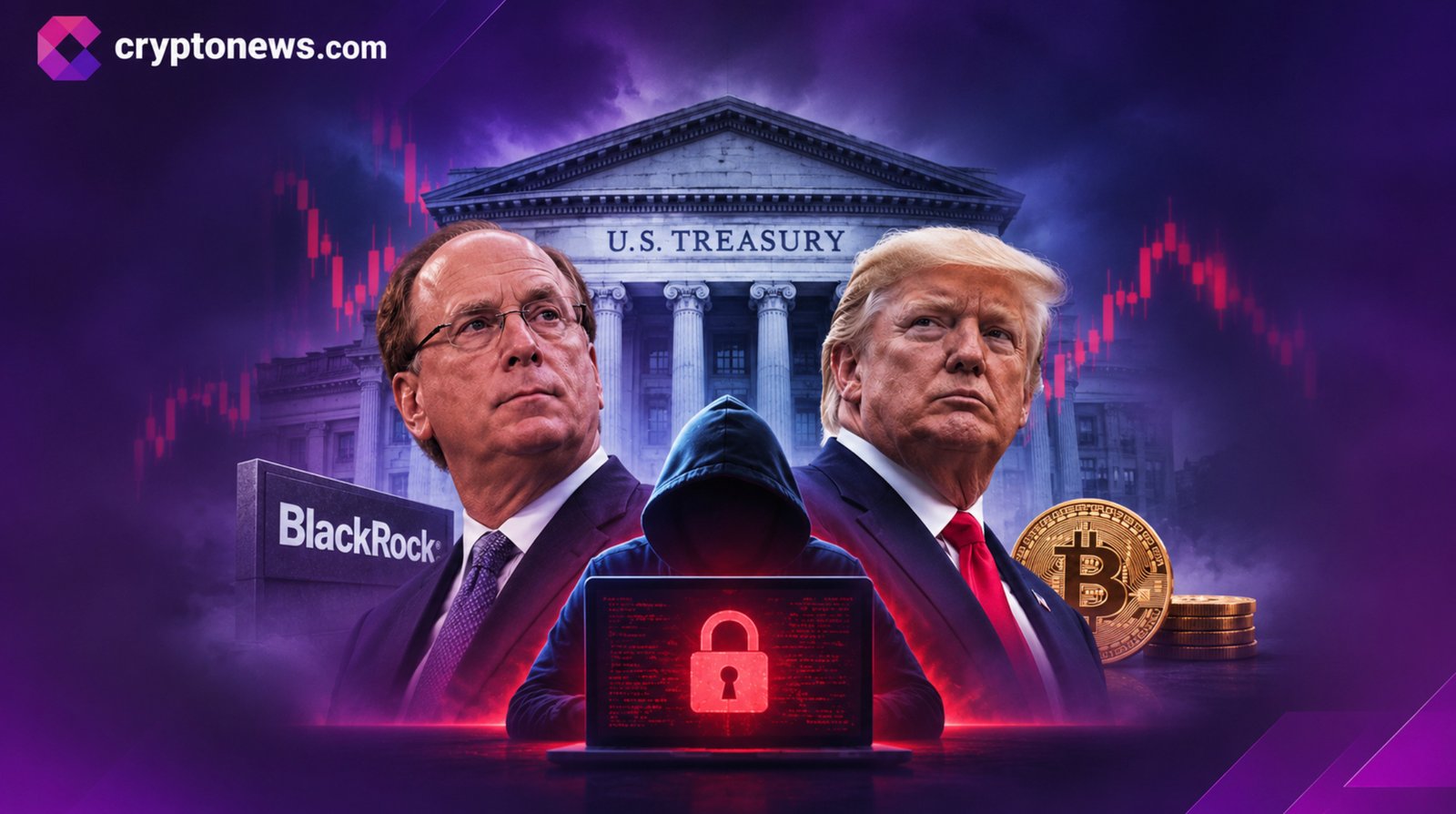
Bitcoin is back below $60,000, and BlackRock’s Bitcoin ETF is having its worst month of outflows on record. But those are not all, a new Trump tariff threat also rattled markets, wiping out much of Bitcoin’s Nvidia-fueled rebound. Nearly $4 billion has left the IBIT crypto ETF in November, while a cyber incident at the Treasury adds another unwelcome piece of news from Washington.
Trump’s new tariff proposal targets 16 trading partners under a Section 301 investigation into excess industrial capacity. No final tariff rates or implementation dates have been announced. Yet, money didn’t wait for those details. Asian stocks fell sharply, with chip stocks among the hardest hit.
Bitcoin has increasingly followed the swings in technology stocks this month. Monday’s rally briefly pushed BTC toward $64,500, but the move quickly lost steam. Bitcoin fell below $60,000 again as markets retreated from riskier assets.

Trump Tariff Threat Puts Markets on Edge
South Korea’s market fell as much as 6.4%, while Taiwan dropped 8.6% amid heavy selling in technology and semiconductor shares. Japan’s Nikkei also slid as the tariff report reignited concerns about trade tensions and global growth.
ASIAN MARKETS ARE SELLING OFF.
Taiwan: −8.6% at its worst
South Korea: −6.4%
Japan: −3.7%
Fresh US tariff threats are rattling global markets.
The AI rally is facing another serious test. https://t.co/IpLT3xfO2z— samsom (@samsom32450) November 25, 2026
Chris Weston, head of research at Pepperstone, said traders were reluctant to put money to work while the tariff headlines remained unresolved.
“Much like the US debt ceiling, which is also making an unwelcome comeback onto the radar, traders appear reluctant to commit significant capital on the headlines alone,” Weston said.
The proposed duties could complicate the inflation outlook just as investors are watching the Federal Reserve’s next move. Markets have spent weeks weighing whether slowing growth will bring rate cuts or whether inflation will keep borrowing costs elevated.
The Treasury is also dealing with unauthorized access to systems at FinCEN, its financial-crimes watchdog. The agency has acknowledged a service disruption and extended certain reporting deadlines. Details about the intrusion, including its scope and who was responsible, remain undisclosed.
The incident has drawn attention to Treasury’s cybersecurity, but there is no evidence linking it to Bitcoin’s price decline.
Discover: The Best Token Presales
IBIT Outflows Top $4 Billion in November: Bad News after Bad News for the Crypto Market

U.S. spot Bitcoin ETFs recorded another $231.56 million in net outflows on November 24, marking their sixth consecutive day of withdrawals. BlackRock’s IBIT accounted for $175.30 million of the latest selling.
November’s cumulative ETF outflows now stand at $4.94 billion. IBIT alone has lost $4.17 billion this month, with just one day of net inflows during November.
Crypto was once centered on ETF news and demand, as they provide a steady source of institutional buying. That support has now turned into a source of selling.
Bitwise analyst Camran Khosravi said withdrawals reflect investors backing away from risk assets amid technology and AI concerns, alongside hawkish Federal Reserve signals. He also cautioned that record daily outflows remain relatively small compared with the largest funds’ total assets.
The latest withdrawals were smaller than Monday’s, but the streak continues. Bitcoin’s rebound failed to bring ETF buyers back, leaving the market without the institutional demand that helped fuel previous rallies.
Discover: The Crypto Presales This Q4 2026
The post LIVE – Crypto News Today: Bitcoin Hit by Trump Tariff Threat and US Treasury Cyberattack as IBIT Bleeds Billions appeared first on Cryptonews.
This articles is written by : Nermeen Nabil Khear Abdelmalak
All rights reserved to : USAGOLDMIES . www.usagoldmines.com
You can Enjoy surfing our website categories and read more content in many fields you may like .
Why USAGoldMines ?
USAGoldMines is a comprehensive website offering the latest in financial, crypto, and technical news. With specialized sections for each category, it provides readers with up-to-date market insights, investment trends, and technological advancements, making it a valuable resource for investors and enthusiasts in the fast-paced financial world.