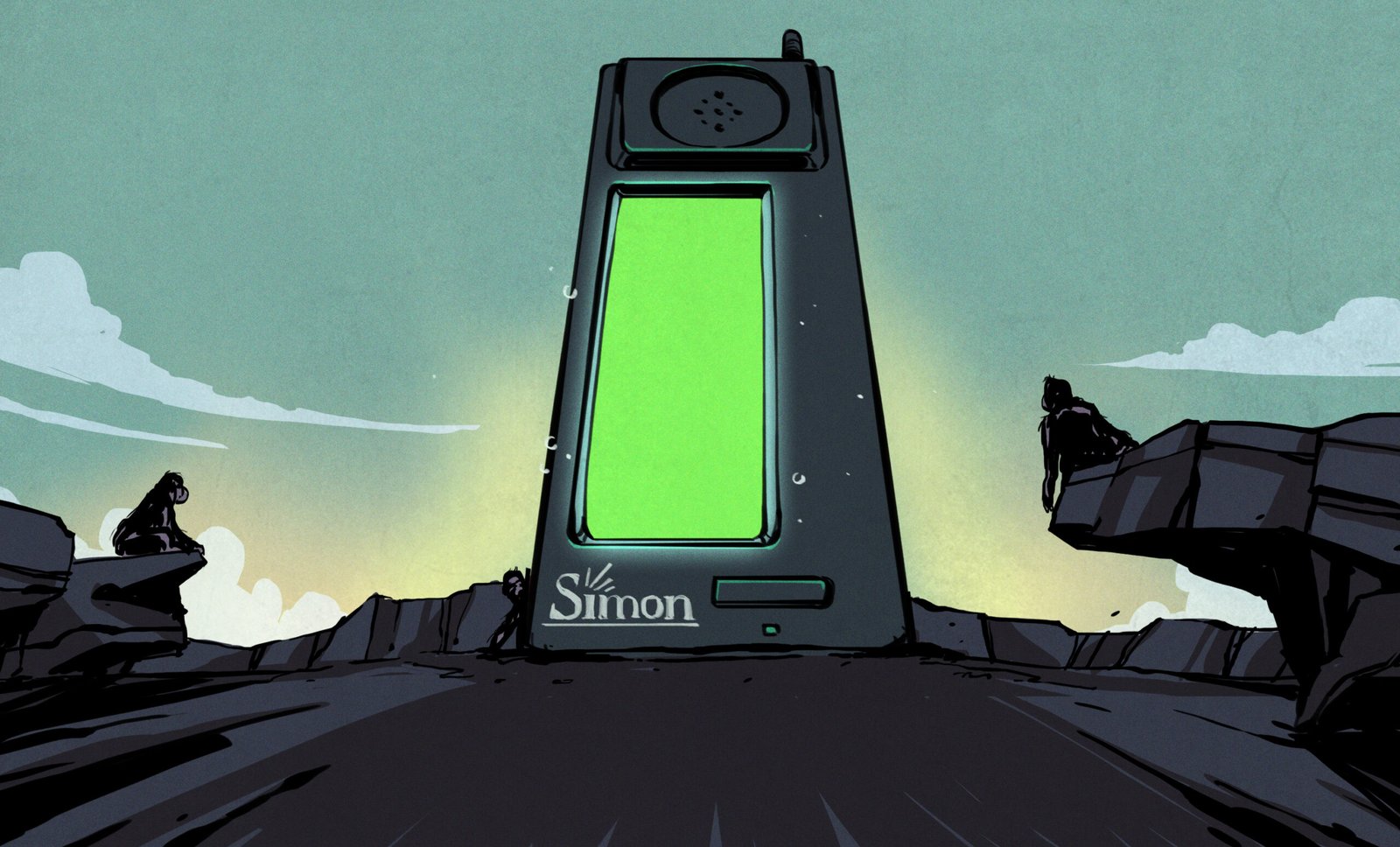
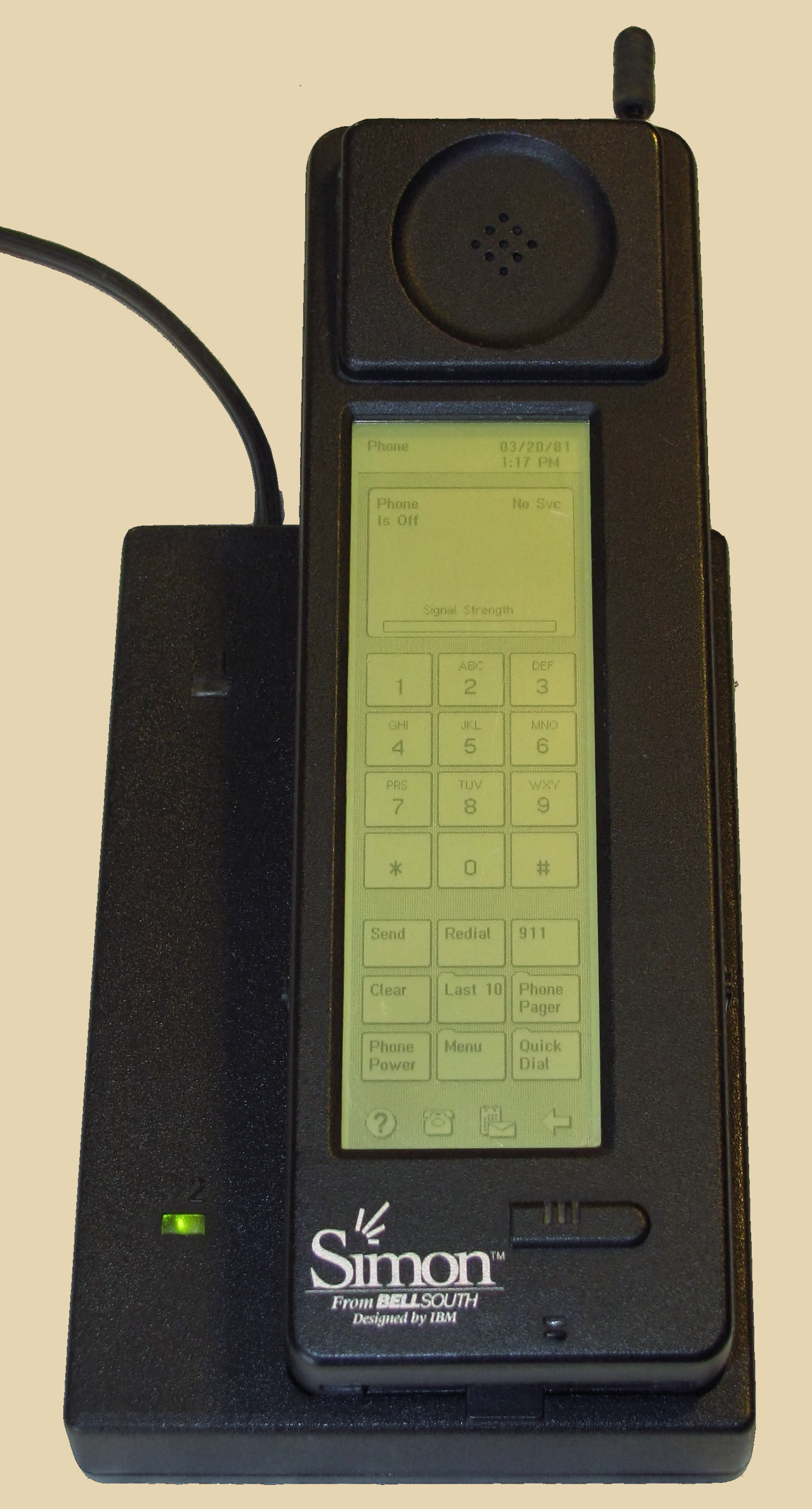
If you ask most people when the smartphone arrived, they will usually say 2007 with the first iPhone. Others might argue for a BlackBerry or a Nokia Communicator. But the IBM Simon Personal Communicator beats them all. It wasn’t even close. This early smartphone went on sale on August 16, 1994, more than twelve years before the iPhone, and it already had the defining features we now take for granted: a touch screen, applications, electronic mail, and a single device that was both a telephone and a small computer.
Simon started as a prototype code-named Sweetspot, at COMDEX two years earlier. It was the brainchild of IBM engineer [Frank Canova]. The prototype could make calls, send faxes, electronic mail, and cellular pages, and it had services such as maps, stocks, and news that would not be ordinary phone apps for years.
Refined
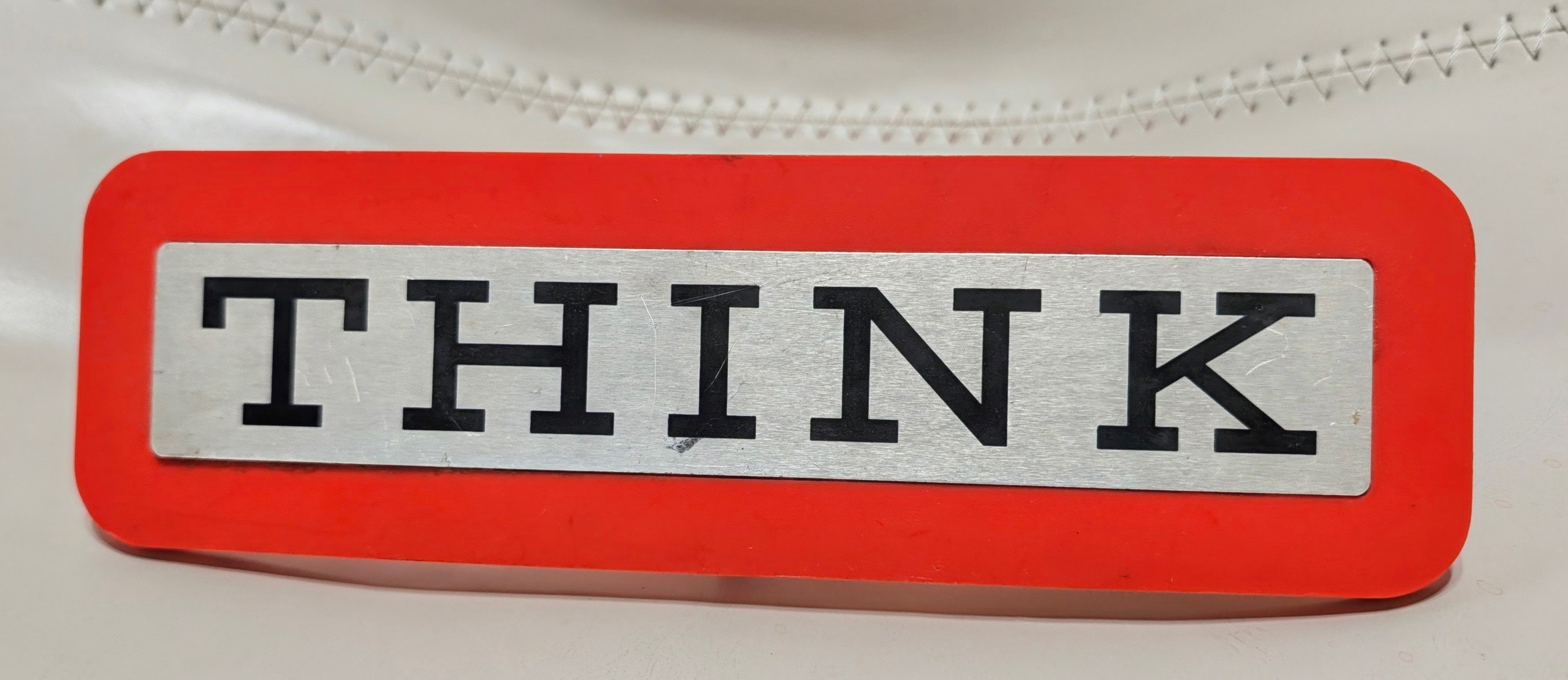
IBM refined the design as Angler, and the finished product got its final name from BellSouth, which would sell it. Simon was reportedly a nod to Simon Says, because the device was supposed to do what you told it to do. IBM didn’t build the phone, however. That was left to Mitsubishi Electric. Informally, many people called it a “ThinkPhone” in a nod to the famous IBM Think sign that was always somewhere around an IBM mainframe.
Inside, Simon was an 8086 computer. It used an NEC V30HL processor running at 16 MHz. It sported a whopping one megabyte of RAM, one megabyte of flash storage, a PCMCIA slot for expansion, and it ran Datalight ROM-DOS under a touch interface called Navigator. No DOS prompt in sight. The display was a monochrome, backlit LCD at 160 by 293 pixels, operated with a stylus, and the whole thing weighed eighteen ounces and measured eight inches tall. Pocketable? Maybe if you had very large pockets.
All About the Apps
The software list is what makes Simon hard to dismiss as just a phone with a bolted-on calendar. It had an address book, a calendar, an appointment scheduler, a calculator, a world clock, a notepad, handwritten annotations, and both standard and predictive on-screen keyboards. Yep, a predictive keyboard in 1994. It could send and receive faxes, handle electronic mail through its built-in modem, and act as a pager if you had an accessory card plugged in. Third-party software could even be loaded from a PC Card or downloaded into internal memory.
Well, sort of. Only one third-party app was available. The software was DispatchIt, a system for managing field-service work orders. The program cost about $3,000 for the PC-side software and about $300 for each phone.
It Came, It Saw…
So why did Simon vanish after only six months and about 50,000 units? The usual reasons, all of them fatal at once. It cost $899 with a two-year contract, or $1,099 without one. Its nickel-cadmium battery gave roughly one hour of talk time. The analog AMPS network it ran on was built for voice, not data, and there was no Web browser to speak of, because the Web itself was in its infancy. IBM worked on a smaller successor, code-named Neon, and then abandoned it. Being right too early turns out to be commercially indistinguishable from being wrong.
Still, Simon predicted the shape of modern computing better than most devices that sold millions. If you want more Big Blue portables that were ahead of their time, we have looked at the IBM 5100 and its APL ambitions, and at the palmtop PDAs that kept the idea alive until the networks, batteries, and prices finally caught up.
This articles is written by : Nermeen Nabil Khear Abdelmalak
All rights reserved to : USAGOLDMIES . www.usagoldmines.com
You can Enjoy surfing our website categories and read more content in many fields you may like .
Why USAGoldMines ?
USAGoldMines is a comprehensive website offering the latest in financial, crypto, and technical news. With specialized sections for each category, it provides readers with up-to-date market insights, investment trends, and technological advancements, making it a valuable resource for investors and enthusiasts in the fast-paced financial world.