Americans are dealing with another jump in inflation, which reached 3.8% in October, according to figures released Wednesday by the US Commerce Department.
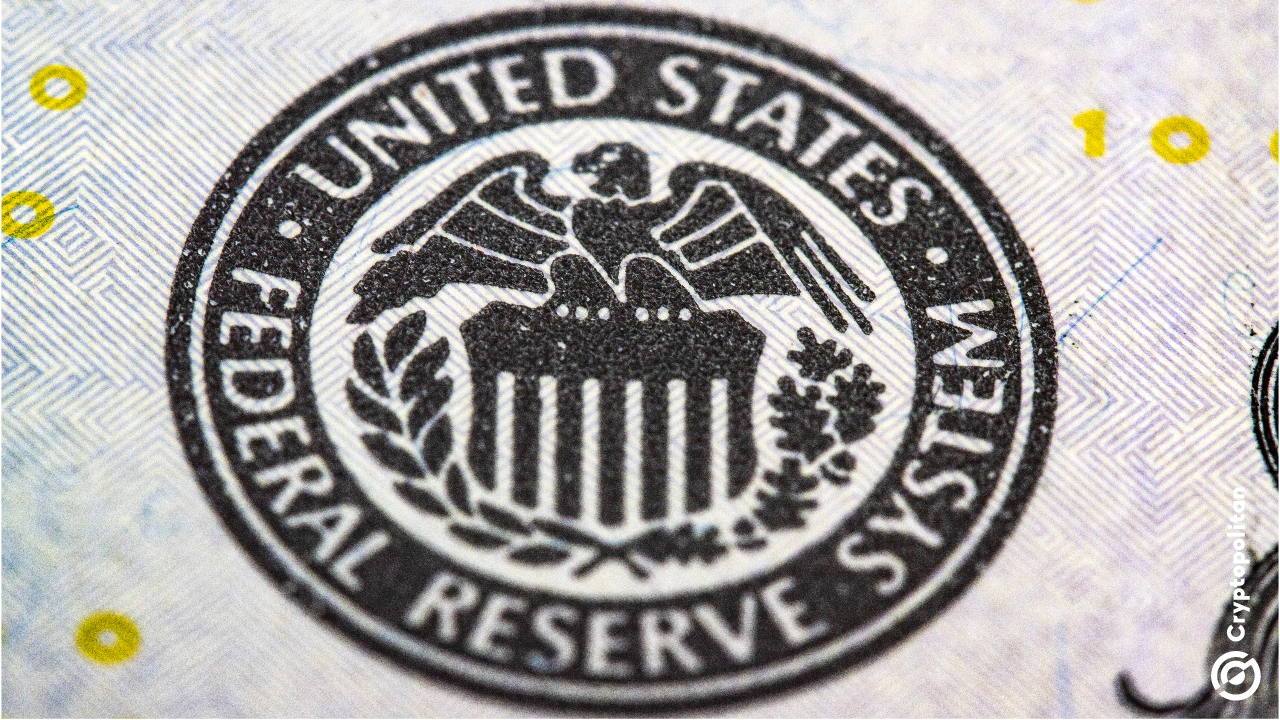
The Federal Reserve has one more meeting left this year, and Wall Street is already viewing a rate increase in December as a done deal. It’s what comes next that gets complicated for investors, companies, and anyone who wants to borrow money in 2027.
The government’s latest report tracks how much Americans pay for goods and services through the personal consumption expenditures price index, better known on Wall Street as PCE. Economists surveyed by Dow Jones had correctly predicted the annual figure after accounting for seasonal changes.
However, there was a surprise further down the report. Prices were 3.3% higher than a year earlier when food and energy were taken out of the calculation. Economists were looking for 3.2%. Federal Reserve officials pay particular attention to that number because movements in fuel and food prices can make it harder to figure out where inflation is actually headed over the longer term.
American incomes also soared to a higher level in October. The personal income grew by 0.7%, which was higher than the projected 0.4%. Americans saved 4.1% of their disposable incomes, which helped them because the cost of living kept on rising.
Wall Street cuts its bets on a third interest rate hike in 2027
The immediate reaction across financial markets was fairly ugly. Futures tied to American stock indexes fell further following the morning’s economic releases. Yields on Treasury securities also took a sizable hit, despite the unexpectedly high core PCE reading.
But traders weren’t necessarily convinced that Wednesday’s numbers meant more expensive credit than they had previously anticipated next year. According to CME Group’s FedWatch data, investors were still betting on two rate increases during 2027. The chances of getting a third went from an even split on Tuesday to approximately one in three on Wednesday.
As for the upcoming December 8-9 policy meeting, futures markets have already accounted for a quarter-point increase in borrowing costs.
Getting inflation under control has become a remarkably long assignment for America’s central bank. The Fed has gone roughly five and a half years without bringing annual price growth sustainably back to its preferred level of 2%.
Everything was going the right way until the U.S. and Israel bombed Iran at the end of February, creating more economic problems. In addition to that, there is a huge inflow of capital to the infrastructure of artificial intelligence, which creates new demand in some industries.
And then there are tariffs. In its latest round of tariffs, the Trump administration has announced another wave, this time targeting 14 trading partners of the US. These countries include China, Japan, and the European Union.
In ordinary times, economists should expect the rising cost associated with these tariffs and disruption of supplies to normalize soon. What worries some economists is the potential for firms from different sectors to pass on their increased costs of doing business onto consumers.
US economic growth picks up while unemployment filings fall
Wednesday brought another development that complicates the Fed’s job. The Commerce Department’s revised GDP figures showed the American economy growing at an annualized rate of 4.3% between July and September.
Government statisticians discovered that investment, household purchases and spending by the public sector contributed more to economic activity than their earlier calculations suggested. That raises questions about whether existing interest rates are high enough to slow demand across the country.
American consumers, whose purchases generate approximately two-thirds of national economic output, increased their spending by 4.2% during the third quarter.
Another economic measurement that gets considerable attention inside the Fed is real final sales to private domestic purchasers. It essentially helps policymakers determine how much underlying demand exists among American households and private businesses. Growth under that measurement reached 5.8%, following a substantial upward adjustment of 0.9 percentage point.
October’s household spending figures were somewhat less impressive. Americans spent 0.3% more than they did in September, falling short of forecasts by a tenth of a percentage point. Monthly inflation rose by the same amount, meaning consumers collectively paid more without purchasing a greater volume of goods and services.
Meanwhile, the Labor Department reported that initial unemployment claims dropped by 13,000 to 189,000 during the week ending November 21. Wall Street economists had expected 200,000 new applications. The number of Americans filing first-time claims for unemployment assistance is now hovering around levels rarely seen since the late 1960s.
Editorial note: The supplied source implies September’s PCE reading was 3.7%, conflicting with the requested headline’s 3.6%. The source also contains no direct quotations from individuals, so none were fabricated.
The smartest crypto minds already read our newsletter. Want in? Join them.
This articles is written by : Nermeen Nabil Khear Abdelmalak
All rights reserved to : USAGOLDMIES . www.usagoldmines.com
You can Enjoy surfing our website categories and read more content in many fields you may like .
Why USAGoldMines ?
USAGoldMines is a comprehensive website offering the latest in financial, crypto, and technical news. With specialized sections for each category, it provides readers with up-to-date market insights, investment trends, and technological advancements, making it a valuable resource for investors and enthusiasts in the fast-paced financial world.