We may earn a commission from links on this page.
The scarcity of RAM brought on by the artificial intelligence boom, dubbed RAMageddon, is affecting more than just the price of PCs. AI could make new televisions more expensive too—as well as—game consoles, cell phones, high-tech coffee makers, and anything else with memory and a processor. But if you’re in the market for a new TV, you might be better off buying sooner rather than later.
As Axios reports, televisions generally require 1GB to 8GB of RAM to run “smart TV” features and to process video and data, and the memory units widely found in 4K TVs have more than quadrupled in price over the last year. That extra cost could be passed on to consumers: Analyst TrendForce said last month that a price hike on TVs was “unavoidable,” while Samsung acknowledged it may need to reprice its products. That said, a typical television uses less memory, and less advanced memory, than some other key devices, so a potential price-spike is likely to be less dramatic than it is for things like PCs and smartphones. We’ll see for sure when manufacturers announce the prices of their 2026 models.
What’s causing the RAM shortage?
Companies like Microsoft, Google, and Nvidia are scooping up memory supply to run AI data centers, and most TV makers don’t have the market power of these gigantic corporations. “When memory tightens, prices rise, product launches shift…margins compress and smaller companies struggle more than large tech giants,” Marco Mezger, executive vice president of memory tech company Neumonda, told Axios. There is good news for consumers, however.
Why right now is a good time to buy a new television
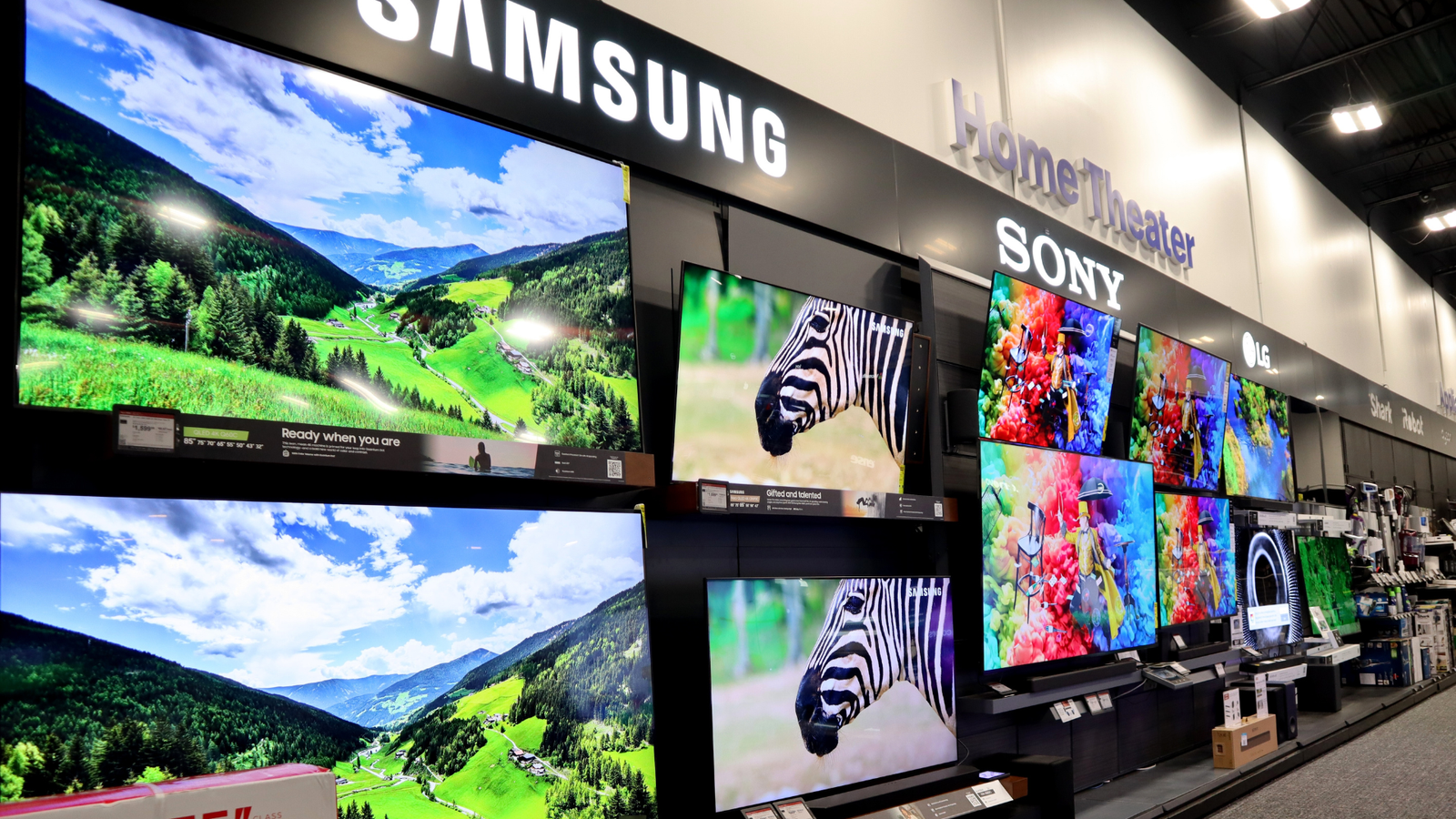
Higher RAM prices have yet to hit the retail TV market, making now an unusually good time to buy a television. Overall, the price of smart TVs decreased by 15% between 2024 and the start of 2026, so you’re starting from a good place. In addition, manufacturers generally offer lower prices at this time of year to clear shelf space ahead of new model releases. While more expensive RAM could be baked into the price of 2026 televisions, sets on the shelves now were priced before the effects of the shortage hit the retail market. Plus, some companies price their TVs lower because they make a lot of money collecting your data—unless you do you what you can to stop them, of course. All of which leads to ridiculously good deals, like $900 for a 65-inch OLED TV from Samsung. Bottom line: if you’re in the market for a new TV, don’t wait. (Though, chances are, you might not need a new TV.)

How long is the RAM shortage likely to last?
No one can say for sure how long the memory shortage will last, but the consensus of industry analysts is that we likely won’t see a return to anything we’d consider normal before 2028. AI demand is projected to consume 70% of all high-end DRAM in 2026, so manufacturers are prioritizing it over the less advanced, less in-demand memory chips used for TVs and appliances. While investors are sinking billions into ramping up memory manufacturing, it takes around 19 months to get a factory up and running in Taiwan, and even longer in the U.S., so TV prices will likely remain high into 2028.
This articles is written by : Nermeen Nabil Khear Abdelmalak
All rights reserved to : USAGOLDMIES . www.usagoldmines.com
You can Enjoy surfing our website categories and read more content in many fields you may like .
Why USAGoldMines ?
USAGoldMines is a comprehensive website offering the latest in financial, crypto, and technical news. With specialized sections for each category, it provides readers with up-to-date market insights, investment trends, and technological advancements, making it a valuable resource for investors and enthusiasts in the fast-paced financial world.