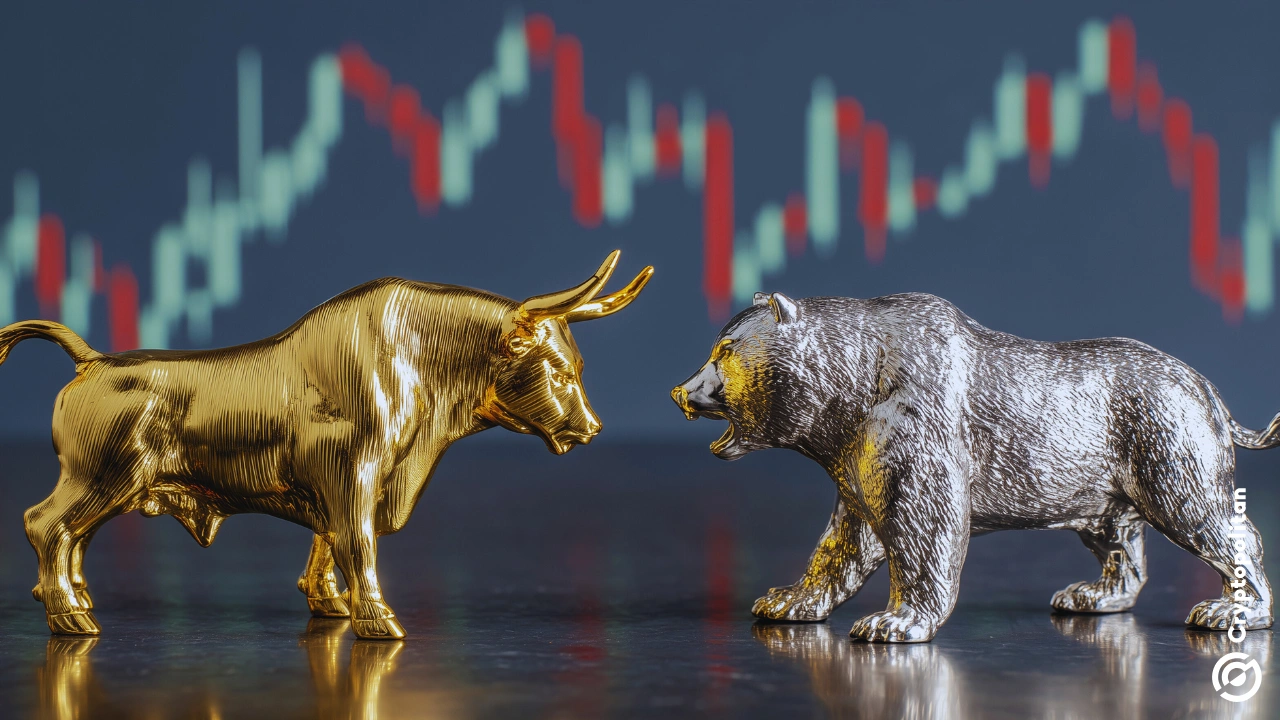
Market turmoil sent the digital currency favored by anti-establishment investors plunging to near $60,000 on Friday morning.
This is a 50% decline from the record high it hit in October of last year, and it reflects a sharp 30% decline since January.
After Donald Trump returned to the White House, advocates of the cryptocurrency had great expectations, but those hopes have not been fulfilled. Despite early industry excitement, the largest digital coin by market value is already trading far below its value on election night.
This volatility highlights a growing trend: the asset is no longer trading in isolation, but is moving in tandem with the broader instability.
Market analysts suggest that this downturn is fueled by the same fundamental driver that historically dictates Bitcoin’s valuation: a widespread retreat in investor enthusiasm, manifesting as a broad reduction in risk appetite across the global markets
Broader market forces drag down prices
Patterns observed in past downturns are reflected in the forces dragging the price downward. Values are nevertheless being dragged down by a general softening of investor demand, particularly in technology shares. Long-standing assertions that the digital asset is a hedge against price increases or that it signifies a move away from fiat currency have not stood up to examination.
What’s happening in equity markets deserves attention, as it provides the blueprint for the current crypto collapse.
The S&P 500, a key measure of American stocks, has lost nearly 3% from its peak of 7,000 earlier in 2025. While that figure seems modest, it hides deeper problems beneath the surface.
The Nasdaq Composite, weighted heavily toward technology companies, has fallen 6% from its high point in these opening weeks of the year. Sharon Bell, who studies stocks at Goldman Sachs, used the phrase “tech wreck” to describe current conditions.
The situation appears puzzling when considering the favorable backdrop for risky bets, particularly in America. The Federal Reserve appears ready to lower borrowing costs further. The One Big Beautiful Bill Act is moving forward with plans to send tax rebates to citizens. The president himself recently predicted the market would double “in a relatively short period of time.”
The trouble stems not from artificial intelligence proving worthless, as some critics warned. Rather, the technology has shown itself to be remarkably effective, perhaps too much so. Companies focused on analytics and software took heavy losses this week after Anthropic, an AI firm, rolled out productivity applications that could eventually eliminate much of their business.
“Software, data‑services companies, publishers, financial information providers, alternative asset managers, and gaming stocks have all sold off sharply on rising fears of AI‑driven disruption,” Bell wrote in her analysis.
The software sector has declined 16% in 2025, she noted, while the Stoxx Europe 600 index, packed with commodity firms, utilities, industrial operations and financial institutions, has gained 4 percent.
Investment leadership shifts away from tech
The model of American dominance that shaped investment decisions for years is now faltering. President Trump’s unpredictable approach to international relations and economic matters has made investors outside the United States reconsider their heavy focus on American markets.
But this technology sector adjustment is beyond the president’s influence and cannot be reversed through political maneuvering. Unlike previous market drops over the past year, executive action cannot fix this problem.
Large investment firms have been saying for months that market leadership would eventually move away from companies building and powering artificial intelligence systems toward businesses that will actually benefit from the efficiency gains this technology delivers. Events this week suggest that transition has started sooner than anticipated.
According to Deutsche Bank’s report, the investment environment has changed. The market now distinguishes between obvious winners and obvious losers rather than artificial intelligence uplifting the entire technology sector evenly. Speculative tokens and faltering software stocks are being rejected in the digital asset arena as a result of this “brutal” filtration process.
Data compiled by Reid demonstrates the severity of losses in software companies. Duolingo has dropped 78% from its recent peak, PayPal has fallen 55%, and ServiceNow has declined 53% from their respective 52-week highs.
“Over the last few months, the market has clearly shifted from the ‘every tech stock is a winner’ mindset to something far more brutal: a true winners and losers landscape,” Jim Reid, an analyst at Deutsche Bank, said this week. Technology now appears to be “eating itself,” he added.
The broad optimism Reid references has supported all manner of speculative investments over the past two years, including cryptocurrency, according to FT.
Given the more cautious market climate after this technology sector upheaval, the time has come for those funds to serve a better purpose in the financial system.
Don’t just read crypto news. Understand it. Subscribe to our newsletter. It’s free.
This articles is written by : Nermeen Nabil Khear Abdelmalak
All rights reserved to : USAGOLDMIES . www.usagoldmines.com
You can Enjoy surfing our website categories and read more content in many fields you may like .
Why USAGoldMines ?
USAGoldMines is a comprehensive website offering the latest in financial, crypto, and technical news. With specialized sections for each category, it provides readers with up-to-date market insights, investment trends, and technological advancements, making it a valuable resource for investors and enthusiasts in the fast-paced financial world.