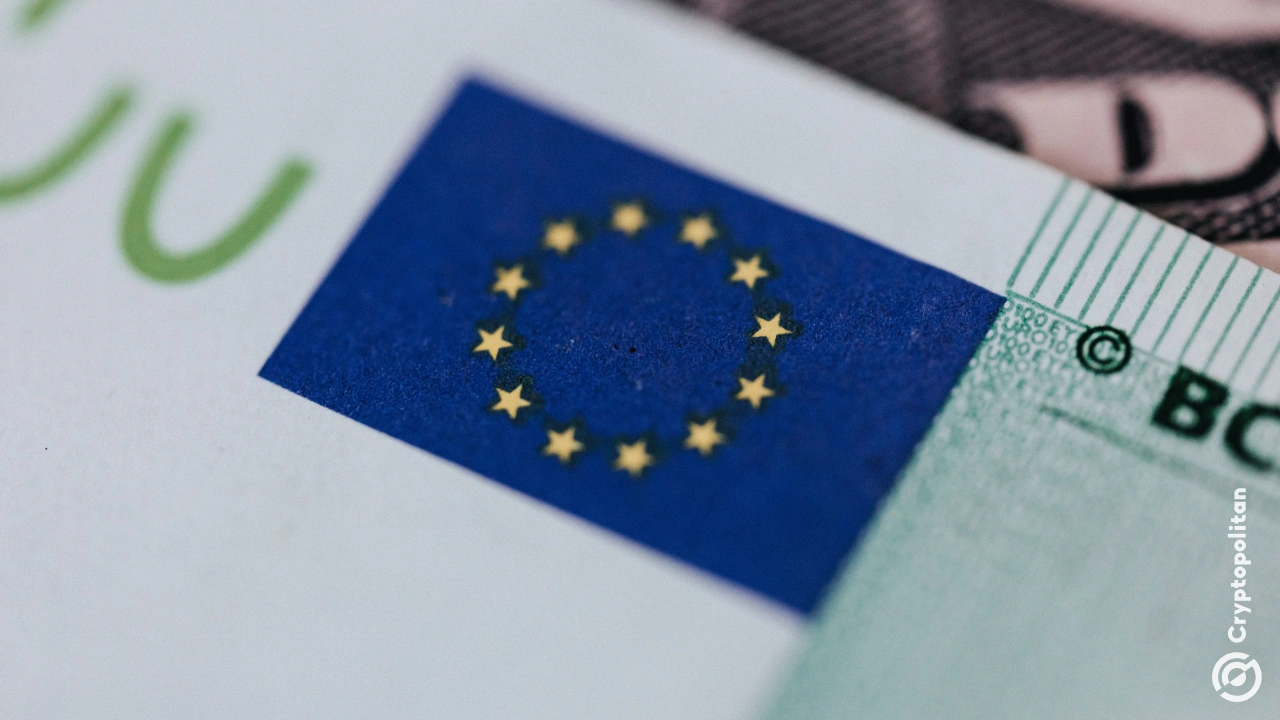
Two of Kyrgyzstan’s banks, accused of processing crypto-linked transactions for Russia, have been targeted in the EU’s recently proposed 20th package of sanctions over the war in Ukraine.
Brussels is now focusing on third countries, helping Moscow circumvent its financial and trade restrictions. Banking institutions in Tajikistan, another of Russia’s allies, are also threatened.
Europe set to blacklist banks helping Russia bypass sanctions
The European Union is preparing to add a number of banks in Central Asia and beyond to its sanctions list over allegations that they provided crypto-related services to the Russian Federation.
The latest push to expand the measures aimed at Moscow mentions two financial institutions based in Kyrgyzstan in particular – Keremet Bank and Capital Bank of Central Asia – media reports unveiled this week.
Banks in Tajikistan, another former Soviet Republic and a partner of Russia, and in Laos are also in the crosshairs, Reuters revealed on Monday, quoting a draft document.
At the same time, European officials are proposing to lift current restrictions on two Chinese banks, the news agency also noted, without giving more details about the moves.
If the other credit organizations are eventually sanctioned, they will be barred from conducting financial transactions with individuals and businesses from EU member states.
As part of Europe’s 20th package of sanctions, meant to bring Russia to the negotiating table over ending its invasion of Ukraine, supplies of certain dual-use items to Kyrgyzstan, such as metal cutting machines and communications equipment, including modems and routers, will be prohibited, too.
The latest EU penalties are being prepared after Kyrgyz banks and companies were already targeted in earlier sanctions by the Union, the U.S. and the U.K., the local news outlet Caravan Info remarked in a post on Tuesday.
The previous measures prompted Kyrgyzstan President Sadyr Zhaparov last fall to directly appeal to leaders in Washington and London, urging them to avoid “politicizing economy.”
Capital Bank was among those sanctioned by Great Britain over suspicions it’s being used by Moscow to acquire military supplies, and Keremet was blacklisted by the United States.
A network of crypto platforms allegedly employed by Russia to fund its war effort, such as the Kyrgyz-based issuer of the ruble-pegged stablecoin A7A5, has also been hit by both nations.
Last week, Kyrgyzstan’s head of state signed legislation updating the country’s regulatory framework for cryptocurrencies and stablecoins, giving control over their issuing and circulation to his own administration.
Russia’s dealings through other third countries targeted by the EU
The quoted proposal document shows that Brussels is now redirecting focus toward third countries supporting Russia one way or another.
For example, the current plan is to add ports handling Russian oil, specifically Kulevi in Georgia and Karimun in Indonesia, to the EU sanctions list.
Imports of some metals such as nickel, iron, unrefined and processed copper, as well as various scrap metals including aluminum, will also be banned, Reuters detailed.
The measures, elaborated by the European Commission (EC) and the Diplomatic Service of the European Union (EEAS), and presented Monday, are yet to be approved by the 27 EU members in order to come into force.
EC President Ursula von der Leyen highlighted Friday that the new restrictions mark a shift from a price cap on Russian oil introduced by the G7 nations to a full maritime services ban on Russian crude.
The EU’s “anti-circumvention tool” mechanism, which allows it to restrict exports of sensitive goods, is being employed for the first time against third countries. The point is to make them quit helping the Kremlin evade various other trade barriers, officials noted.
The sanctions package is extending asset freezes and travel bans, with the EEAS proposing to blacklist another 30 individuals and more than 60 companies. Russia’s digital ruble platform and crypto service providers are also on the menu, as reported by Cryptopolitan.
Among the affected entities is Bashneft, a subsidiary of Russia’s oil giant Rosneft. The latter, together with another major Russian oil company with presence across multiple regions, including Europe, have been spared for now, despite being under U.S. sanctions already.
The smartest crypto minds already read our newsletter. Want in? Join them.
This articles is written by : Nermeen Nabil Khear Abdelmalak
All rights reserved to : USAGOLDMIES . www.usagoldmines.com
You can Enjoy surfing our website categories and read more content in many fields you may like .
Why USAGoldMines ?
USAGoldMines is a comprehensive website offering the latest in financial, crypto, and technical news. With specialized sections for each category, it provides readers with up-to-date market insights, investment trends, and technological advancements, making it a valuable resource for investors and enthusiasts in the fast-paced financial world.