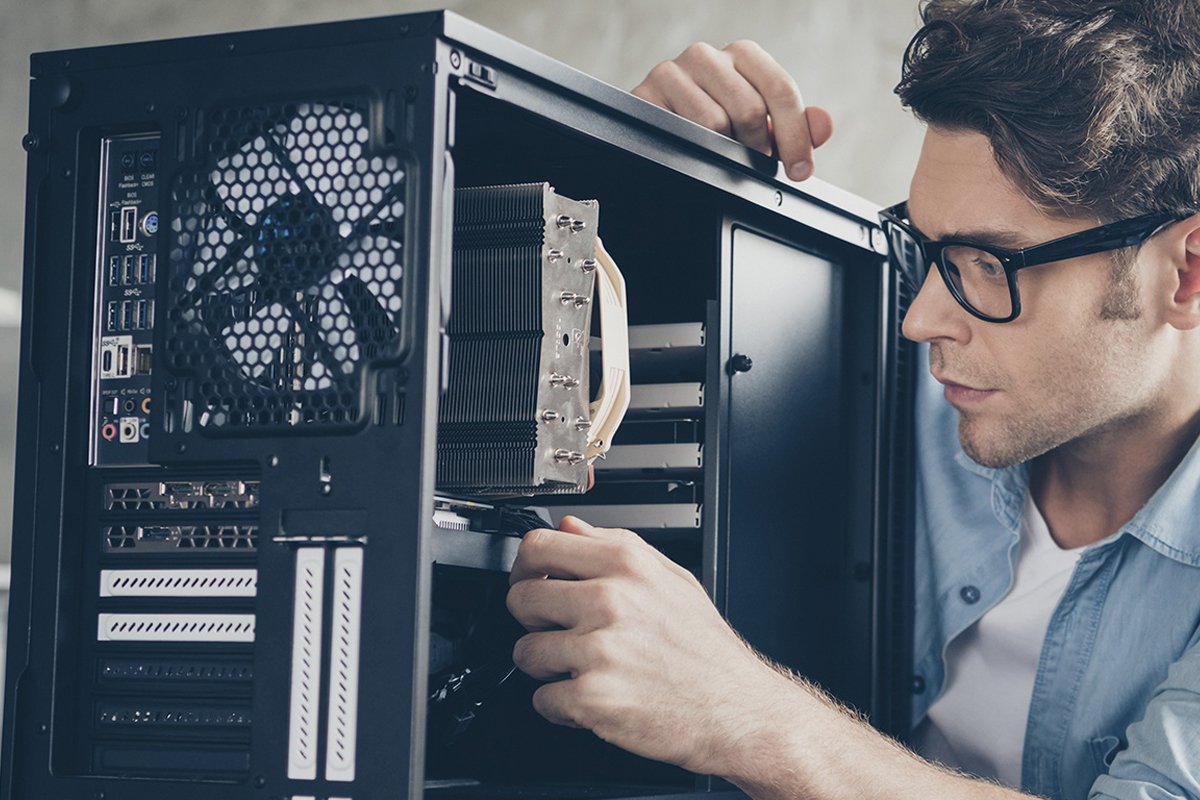
Is your PC slow, programs start sluggishly, and current games stutter? This does not automatically mean that you need a new computer. Targeted upgrades are often enough to significantly improve performance. In this guide, you’ll find out which components are really worthwhile – from SSD and RAM, to graphics cards and processors, through to coolers, fans, and peripherals.
SSD: Faster storage for everyone
An SSD (Solid State Drive) is the simplest and most worthwhile upgrade of all and provides the biggest performance boost per dollar invested in everyday use. Anyone still working with an old hard disk drive (HDD) is wasting time unnecessarily. However, SSDs differ in terms of design and technology.
Classic 2.5-inch models use the older SATA interface and achieve up to 550 MB/s, while modern flash memory in M.2 plug-in card format can be plugged directly into the mainboard and deliver data rates of several thousand megabytes per second via PCI Express (via the NVMe protocol).
These NVMe drives are therefore significantly faster, but require a corresponding M.2 slot on the motherboard. Our article“SATA, PCIe, and M.2: The slots on your motherboard, explained” also provides clarity here.
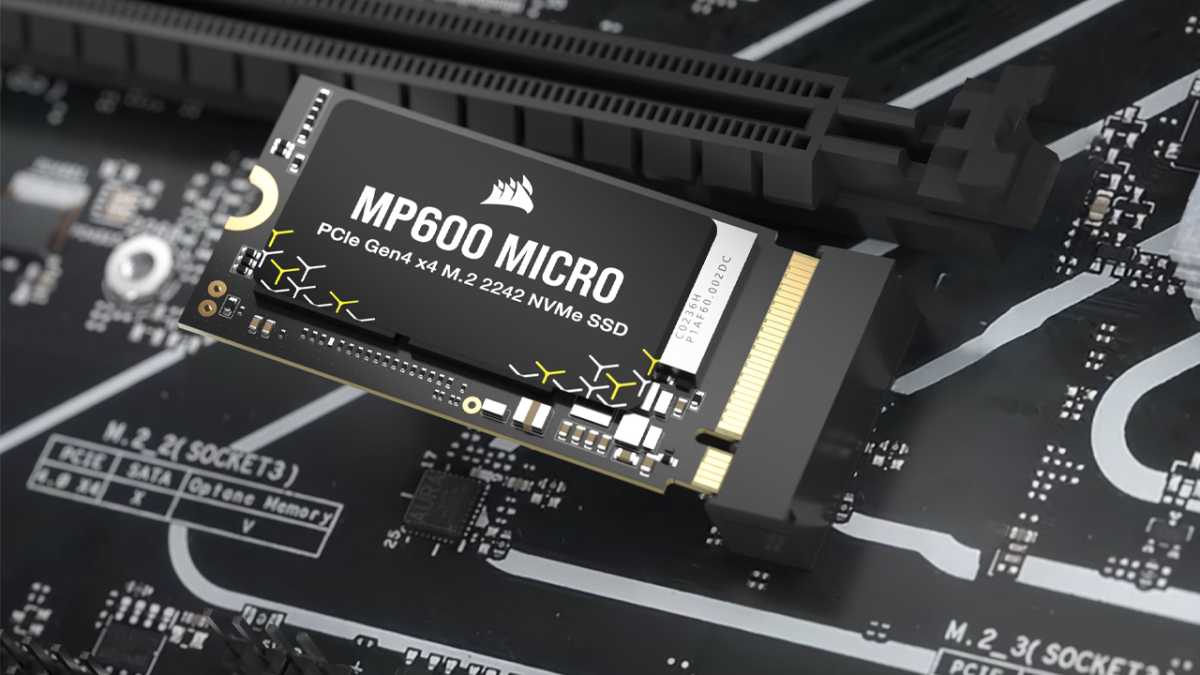
Corsair
PCIe 4.0 models such as the Crucial P310 or WD Black SN7100 offer up to 7,000 MB/s, making them ideal for gaming or video editing.
Even faster are PCIe 5.0 models such as the Kingston Fury Renegade G5 or Crucial T710, which achieve transfer rates almost twice as high at over 12,000 MB/s. However, these high-end models are primarily worthwhile for professional applications, large video files, or particularly demanding users, as they generate more heat and are significantly more expensive.
If you have an older system that can only boast SATA connections, you will still benefit enormously: A 2.5-inch SSD (such as the Crucial BX500) for around $60 will get even old PCs up and running again. It’s important that the motherboard supports the appropriate connection, i.e. M.2 for NVMe or SATA ports for 2.5-inch SSDs.
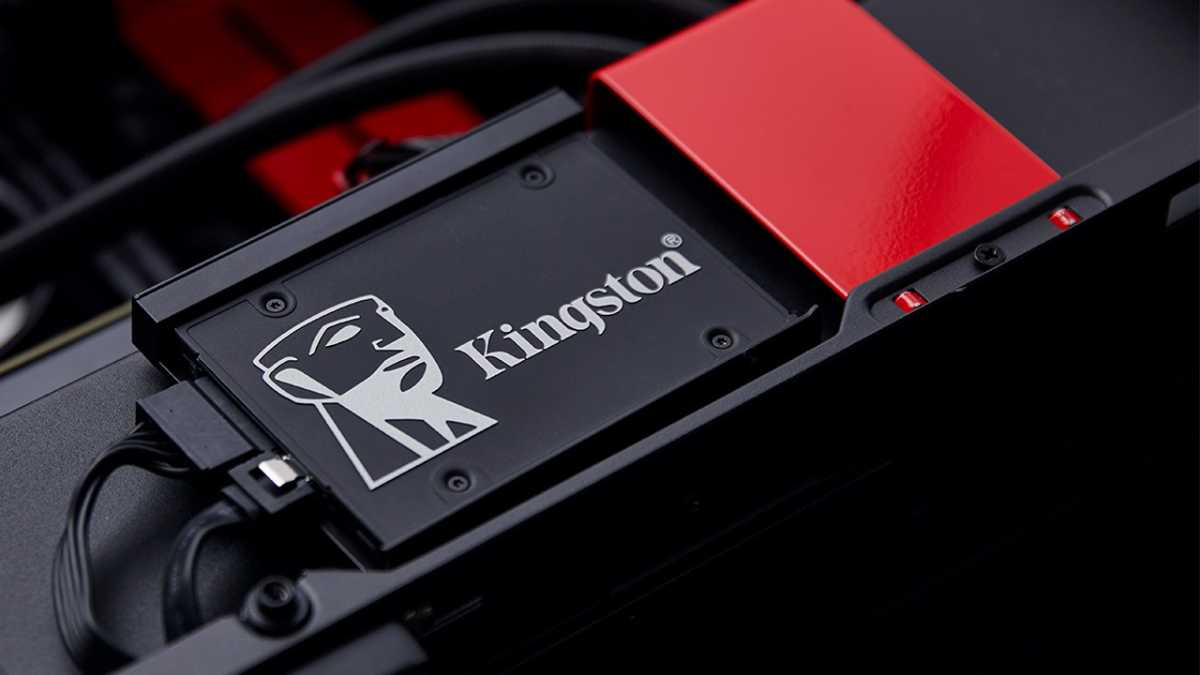
Kingston
Tip: Cloning old systems saves you time as you take over Windows and programs. However, this method uses a little more storage space because old system files, temporary data and possibly faulty structures are also copied. A new installation takes longer, but ensures a tidier system with a little more free memory.
Be sure to check out our list of the best SSDs for even more great upgrade options.
Working memory (RAM): More room for multitasking
If Chrome has 20 tabs open and Excel reacts sluggishly, more RAM is usually the easiest solution. And upgrading is also less complicated than many people think: open the housing, release the side clips on the slots, remove the old latches, and insert the new modules firmly. Then after switching your computer on, usually the system will recognize the memory automatically.
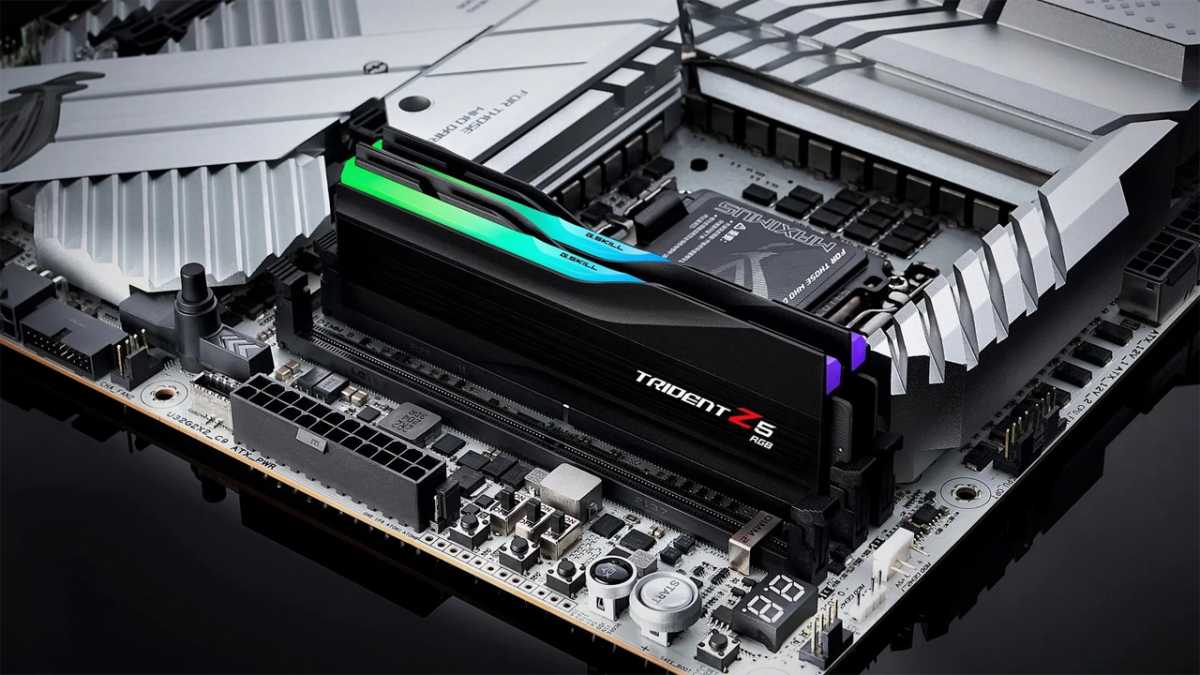
G.Skill
Today, 16GB is standard for office users, 32GB is worthwhile for gamers and creative types, and those who regularly work with large photos, videos, or music projects will even benefit from 64GB. Currently, 16GB DDR4 can cost less that $50; kits such as the Kingston Fury Beast or Corsair Vengeance LPX are good options.
DDR5 RAM, such as the G.Skill Ripjaws S5 kit, offers higher clock rates, lower power consumption and more bandwidth. However, this requires an up-to-date motherboard and modern processors: DDR5 is supported by Intel from the 12th Core generation (Alder Lake) with chipsets such as Z690, B660, and newer, and by AMD from the Ryzen 7000 series (AM5 platform) with B650, X670, or X670E boards.
DDR4 therefore remains the first choice for older systems, while DDR5 is the future-proof option for new PCs. Above all, gamers should consider which DDR5 RAM is currently the best choice.
Dual-channel operation is also important: If two identical modules run in parallel, the memory controller can process twice as much data at the same time, which can increase performance by up to 15 percent depending on the application. It’s therefore worthwhile to always install RAM in pairs and make sure there are free slots for both. Swapping out smaller modules pairs can maximize performance, stability, and value for money.
Graphics card (GPU): The biggest upgrade for gamers
If you want to enjoy games in high quality, there’s no getting round an up-to-date graphics card (GPU). The AMD Radeon RX 9060 XT with 16GB or Nvidia Geforce RTX 5060 Ti with 16GB offer sufficient performance for Full HD resolution (1080p). If you want to play in WQHD (1440p), you should opt for a graphics card such as the Radeon RX 9070 or Nvidia Geforce RTX 5070. For 4K gaming, cards like the AMD Radeon RX 9070 XT or Nvidia Geforce RTX 5070 Ti are the minimum required to deliver smooth results.
Video memory (VRAM) is just as important as pure performance. Today, it should be at least 12 GB so that modern games have sufficient buffer for textures and effects. Cards with less memory are increasingly reaching their limits, especially at high resolutions.
Before buying, you should check whether the power supply delivers enough power (at least 550 watts) and whether the correct connections are available: PCIe power connectors are the cables used to supply the graphics card with power in addition to the mainboard. Older power supplies often only have 6- or 8-pin connectors, while new GPUs sometimes require special 12VHPWR connectors.
Also, make sure there is enough space in the case: many modern graphics cards are long and occupy up to three slots.

Mifcom
If you don’t game, you can save yourself the GPU upgrade. This is because the integrated graphics solutions of modern processors (such as Intel UHD or AMD Radeon Graphics) are completely sufficient for office, streaming, or everyday tasks.
Processor (CPU): Computing power for those who need it
A CPU upgrade is only worthwhile if the processor really slows things down – and if the new CPU is a good technical fit for the system. Compatibility with the socket and chipset as well as support for the existing RAM are important. Depending on the age of the PC, it may also make sense to change the motherboard so that you can install a modern processor.
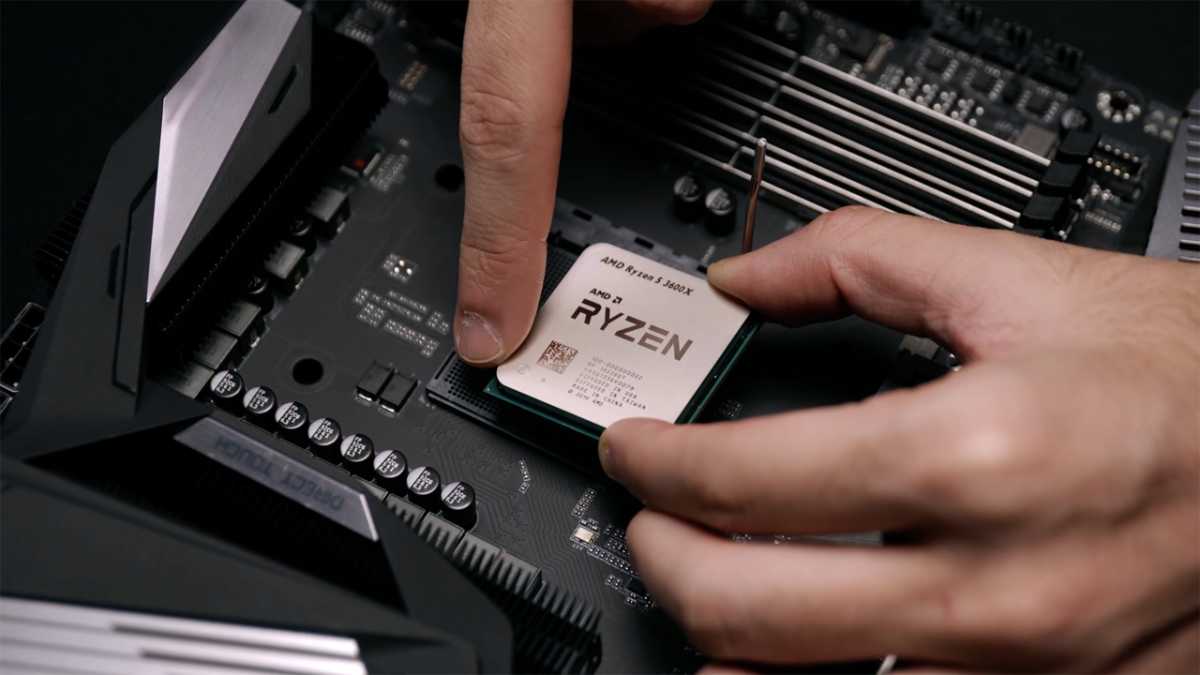
For many users, a current six-core processor such as the AMD Ryzen 5 7600X is completely sufficient. If you absolutely need an Intel CPU, then the Intel Core i5-14600K is similar to the AMD CPU in terms of performance, but is typically more expensive.
Nevertheless, both offer enough power for gaming, office, and multimedia, but both require motherboards with suitable sockets: Intel’s 14600K relies on an LGA1700 socket with a Z690, B660, or Z790 chipset, while the AMD Ryzen 5 7500F requires an AM5 motherboard with a B650 or X670 chipset and DDR5 RAM.
More demanding users opt for eight-cores such as the Ryzen 7 7800X or Intel Core Ultra 7 265K, which deliver more performance in computing-intensive applications, but also require up-to-date platforms. Anyone coming from an older platform (e.g. Intel’s eighth Core generation or the Ryzen 1000 series) almost always has to change the motherboard and RAM as well. Although this increases the effort and costs, it also brings greater efficiency, better energy management, and future-proofing. A CPU replacement is rarely worthwhile for pure office computers. An SSD instead provides a more noticeable improvement here.
If you need a lot of CPU performance, you should go straight for a modern 12- or 16-core processor such as the AMD Ryzen 9 9900X or AMD Ryzen 9 9950X. Intel currently isn’t competitive in this area, so we cannot make a recommendation here.
Aorus
Motherboard: A centerpiece for future upgrades
A motherboard change usually goes hand in hand with a new CPU, as sockets and chipsets often change. This makes the replacement more complex than a RAM or SSD upgrade, for example, as the CPU, cooler, RAM, and cabling usually have to be completely reassembled during the upgrade. This can quickly become a challenge for beginners, as many sensitive components are affected. Anyone who dares to take this step should therefore prepare well or seek expert help.
Whether the effort is worth it depends on how old the system is and which interfaces are required. As a rule of thumb, if your computer is more than five years old, a motherboard upgrade is usually worthwhile.
Modern motherboards differ significantly in terms of size, connectivity, and features. The form factor determines the size of the board and therefore what the housing can be: ATX offers the most slots and expansion options, Micro-ATX is more compact and a good mid-range option, while Mini-ITX is primarily intended for small, space-saving systems.

Aorus
Technical features such as PCIe 5.0 slots for graphics cards and fast SSDs, several M.2 slots for additional memory, and sufficient RAM banks are important. A good power supply (VRMs) ensures stable performance, especially with powerful CPUs. Integrated functions such as Wi-Fi 7, Bluetooth 5.4, and USB-C also increase convenience and future-proofing. A solid mid-range board typically costs around $200. Those who upgrade frequently or plan for the long term should invest a little more, as the motherboard forms the foundation of every system.
CPU cooler: Targeted upgrading instead of overcooling
A cooler upgrade is particularly worthwhile when new processors are installed or older systems are subjected to higher loads. Boxed coolers quickly reach their limits. Anyone switching from a Core i5 to a Ryzen 7, for example, should immediately plan for a more efficient cooler.
Models such as the Arctic Freezer 36 or the Bequiet Pure Rock Pro 3 offer significantly more cooling reserve for $50 to $60 and remain whisper-quiet. For applications where CPUs get particularly hot – such as rendering or overclocking – AiO (all-in-one) water cooling systems from $100 are a good choice. However, AiO cooling is not automatically always the best choice.

Phanteks
However, it’s important to check whether the new cooler physically fits into the case before buying: For air coolers, the height is the most important factor, so that the cooler does not hit the side panel. For water coolers, there must be sufficient space for the radiator and the mounted fans – often at the top or front of the housing.
Socket compatibility and housing size are equally important. A targeted cooler upgrade can improve stability, volume, and service life without breaking the budget.
Case fans: Airflow efficiency for old and new systems
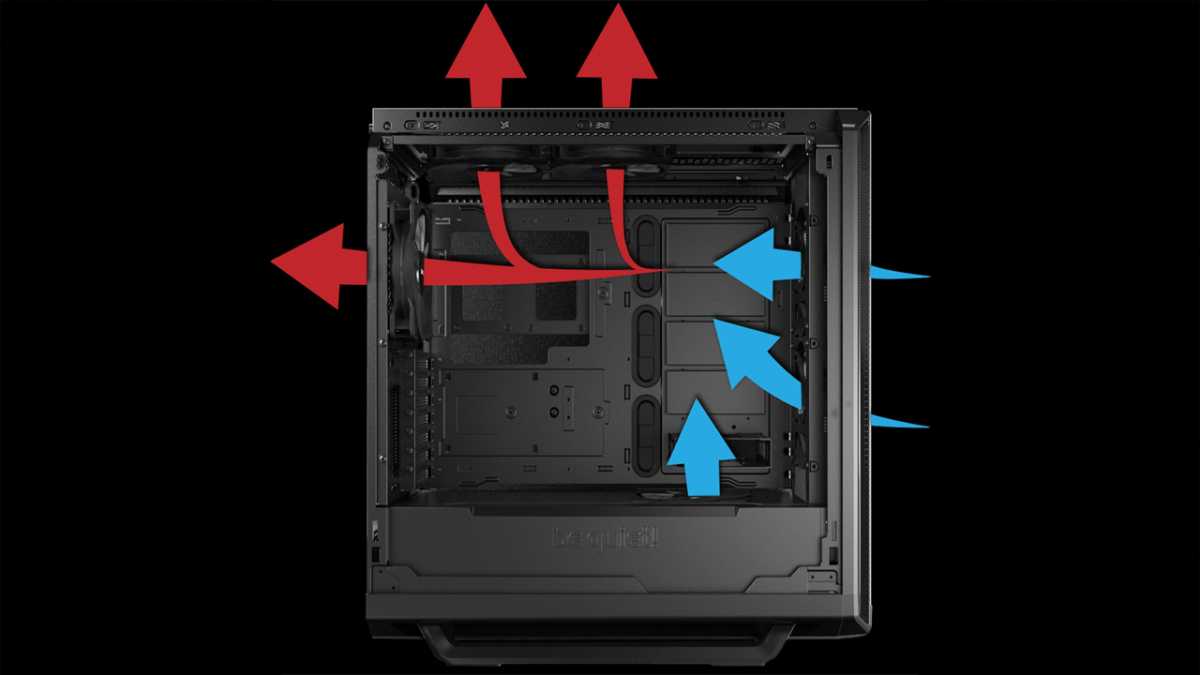
Many PCs run too hot because the case ventilation is inadequate. Especially after a CPU or GPU upgrade, better airflow can be crucial. Two 120mm fans – one blowing in at the front, one blowing out at the back – significantly improve the cooling performance and cost less than $30.
Models from Arctic or Noctua combine efficiency with low noise output. It’s worth cleaning or replacing the fans when upgrading. Dust filters, PWM control, and the correct air flow direction are more beneficial than additional fans alone.
RGB light remains a matter of taste, the decisive factor is the temperature advantage.
Bequiet
Peripherals: The finishing touches
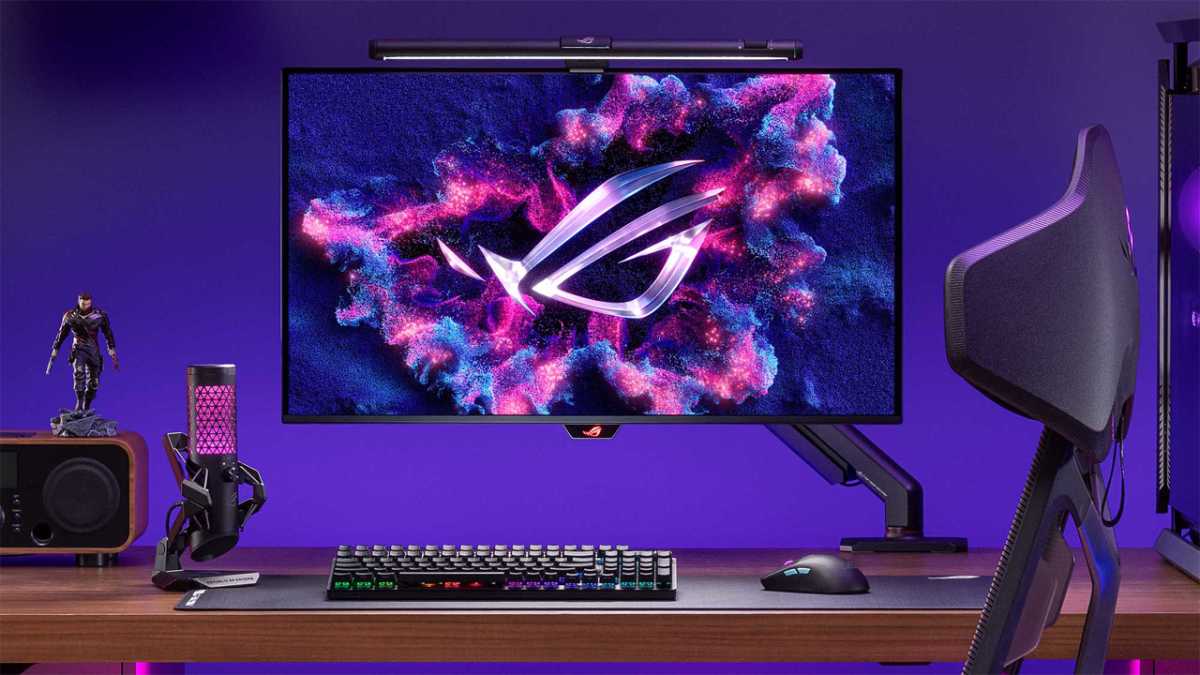
An upgrade can also make sense outside the case as well. Those who work a lot will benefit from an ergonomic setup with a good monitor arm and flicker-free display. There are many good 27-inch 1440p monitors with 144 Hz that can be had for under $400 which are equally beneficial for gaming and working from home.
The best mechanical keyboards with linear switches or quiet buttons offer more precision when typing or gaming. While a high-quality mouse with a low weight and precise sensor ensures control and comfort.
Asus
In general, the upgrades mentioned cost comparatively little, but increase productivity and well-being – the ideal finishing touch after a successful PC upgrade.
Conclusion
A targeted upgrade is almost always worthwhile. SSD, RAM, and graphics card deliver the greatest performance per dollar right off the bat, while CPU and motherboard upgrades can payoff in the long term. If you look after your PC regularly, keeping your components clean and upgrading wisely can keep your system running at peak performance for many years without having to buy a completely new one.
This articles is written by : Nermeen Nabil Khear Abdelmalak
All rights reserved to : USAGOLDMIES . www.usagoldmines.com
You can Enjoy surfing our website categories and read more content in many fields you may like .
Why USAGoldMines ?
USAGoldMines is a comprehensive website offering the latest in financial, crypto, and technical news. With specialized sections for each category, it provides readers with up-to-date market insights, investment trends, and technological advancements, making it a valuable resource for investors and enthusiasts in the fast-paced financial world.