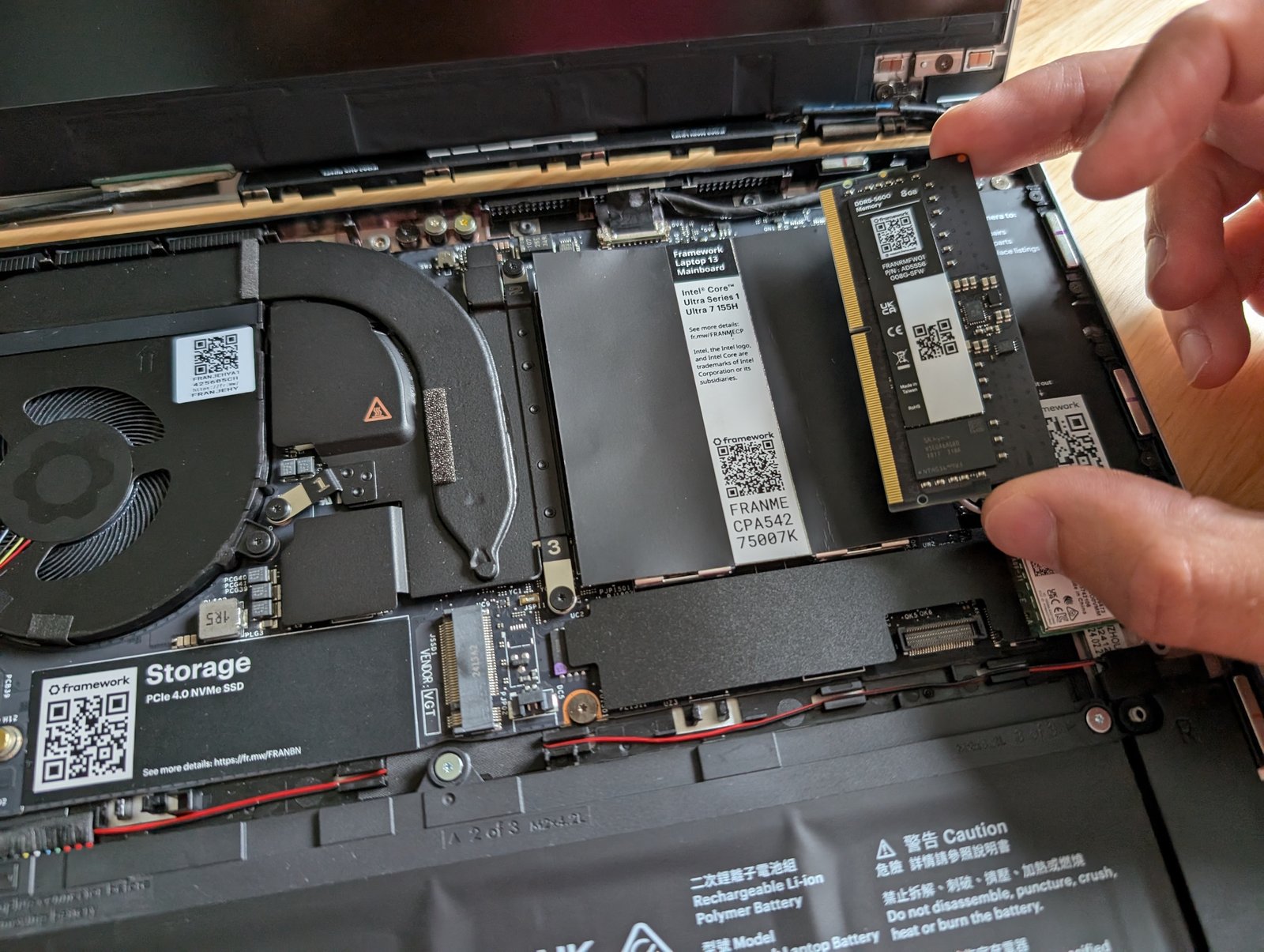
If you want an ongoing tally of how bad the “AI” bubble is for consumers, all you need to do is look at RAM prices. Laptops, game consoles, and cell phones are going up, too, but seeing a RAM DIMM that’s 500 percent more expensive than a year ago is a real shock to the system—and no company has felt this more keenly than Framework, who’s only one step above consumers in the supply chain.
Framework is a darling of the tech press, a favorite among right-to-repair enthusiasts and those who want a laptop that can last theoretically forever. The company was already reeling from the Trump administration’s tariffs in 2025, and now things have gone from bad to worse.
RAM and storage prices can be seen going up on the configuration pages for Framework’s laptop designs. Without the deep relationships with hardware suppliers that only billions of dollars in orders can buy, Framework has had to adjust its prices as its supply dwindles, even limiting secondary sales to prevent scalpers from buying up parts meant to upgrade customer laptops.
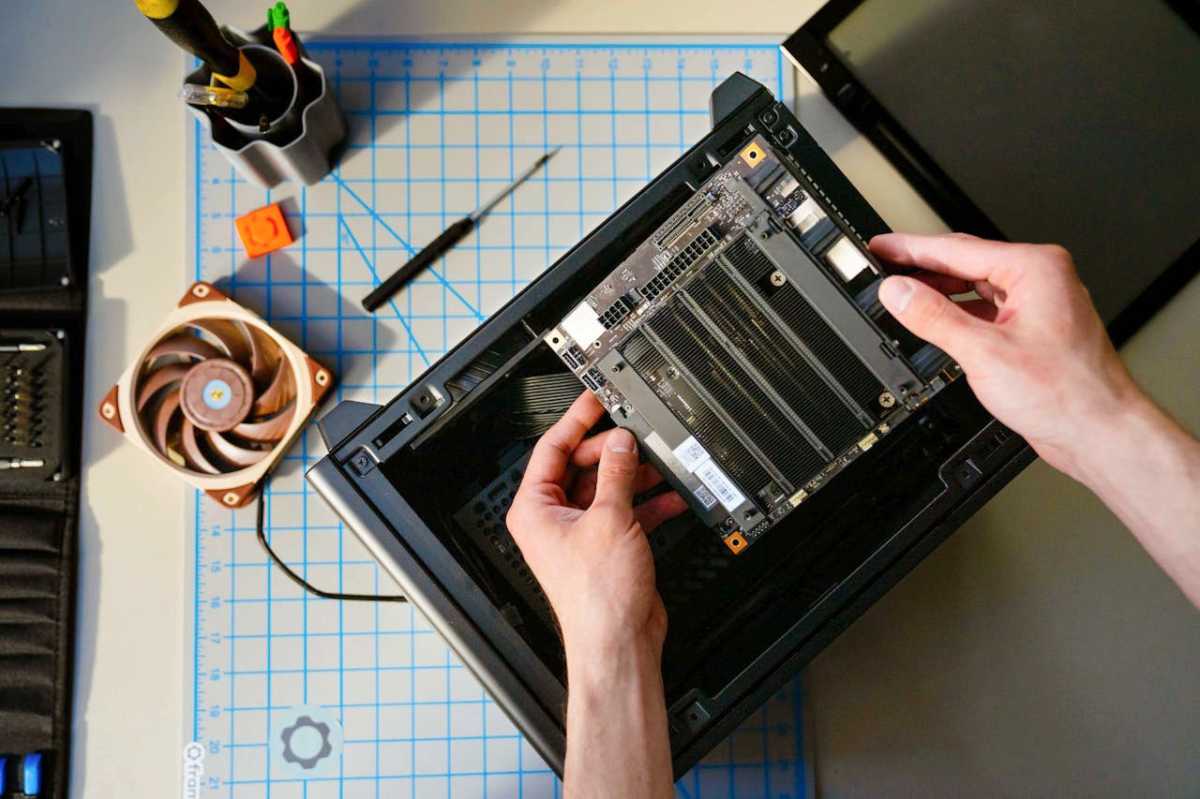
Framework Computer
The danger here is real. Framework is a relatively small, US-based system builder. While it’s doing some amazing work (its 13-inch laptop is one of our favorite recommendations), its size and market specialization make it vulnerable. Framework cannot, for example, repurpose an internally developed smartphone chip to leverage an affordable laptop design. It has to weather the tides of the market and hope that its customers—who are mainly looking for value—keep coming back.
This is all preamble to Framework’s latest blog post from CEO Nirav Patel, ostensibly announcing a promotional event coming in a couple of weeks. But it reads more like a dire warning. On the state of the tech world seeking never-ending profit in the “AI” bubble, Patel writes: “There is a very real scenario in which personal computing as we know it is dead… The industry is asking you to own nothing and be happy.”
As if reading the room, the post continues with a defiant tone: “You might be reading all of this and thinking, is this a farewell letter to personal computing? Is this the end of Framework? No, this is a manifesto.” Patel promises that “as long as there is a person in the world who still wants to own their means of computation, we will be here to build the hardware that enables it.”
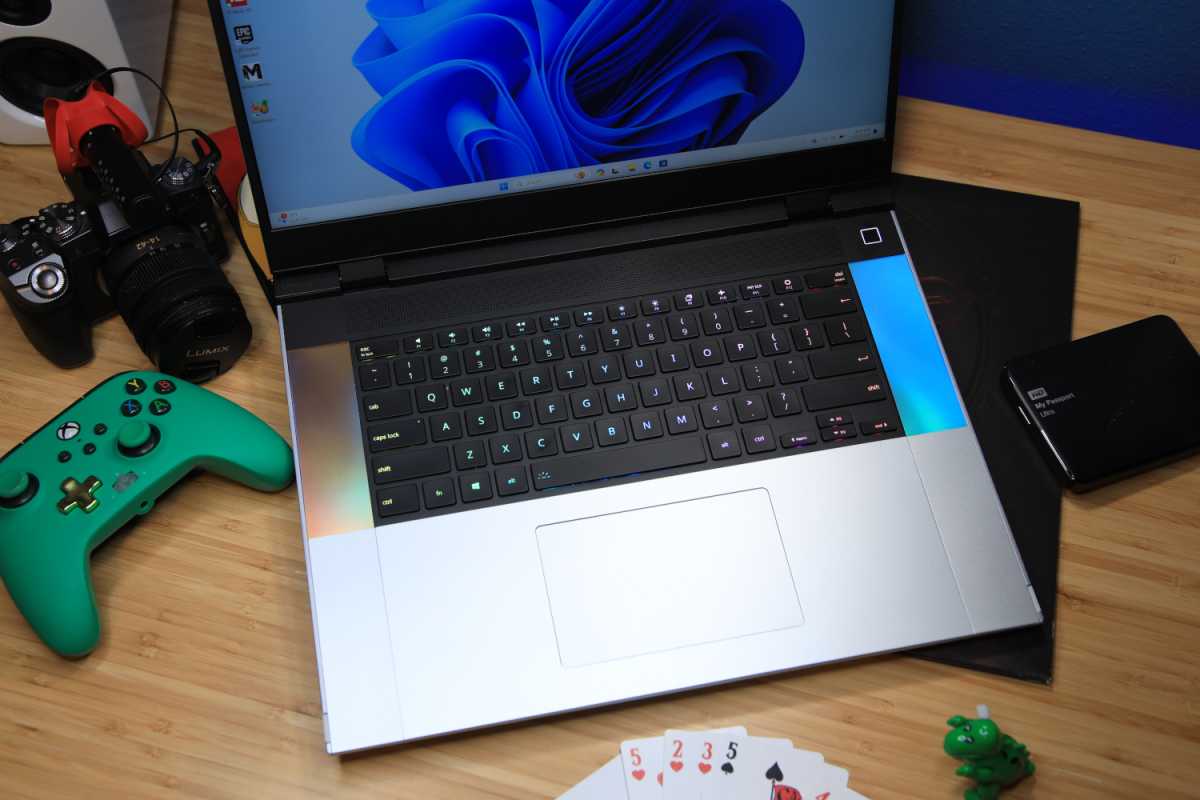
IDG / Matthew Smith
The post then goes on to announce the next live promotional event, a San Francisco presentation on April 21st at 10:30 AM US Pacific time, which will be live-streamed on YouTube. Also, Framework is now selling to New Zealand, Norway, Switzerland, and Singapore. Framework is not going gently into that good night. At least not yet.
I can’t help but worry. Framework was riding high last year, as it announced its first 2-in-1 laptop design that was also a budget laptop, a new mini-PC based on powerful AMD hardware, and some much-needed updates to its 16-inch laptop with a discrete GPU option. Then the Trump tariffs hit. Those have now been declared illegal by the US Supreme Court, but the damage is done.
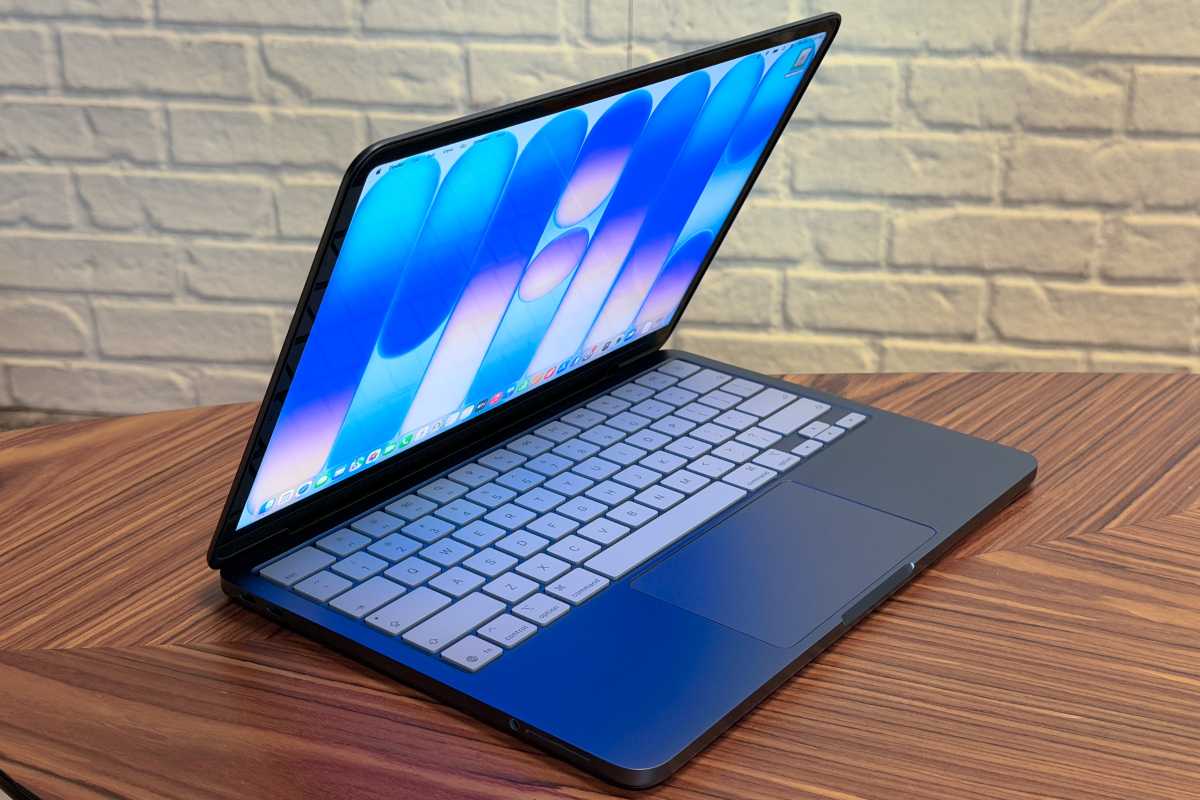
And now laptops, desktops, and almost everything else are getting prohibitively expensive for most buyers, at the same time that global tensions are making the price of oil and food go up. These are macroeconomic problems that everyone has to worry about, of course… but for a small company that’s trying to hold back the tide of “AI”, they’re immediate and personal. Shoppers are suddenly re-evaluating whether they really need a new laptop this year, and if they do, maybe a $600 MacBook is the way to go rather than an admirable but expensive Framework laptop that can be infinitely upgraded.
Checking Framework’s site today, the cheapest complete Laptop 13 you can build with just 8GB of RAM and a years-old CPU is over $1,200. The Laptop 12, perhaps a more fair comparison, is still over $950 with Windows 11 Home. As a tech fan and someone who loves what Framework has been doing, I think it’s worth the extra expense. But as someone who has to fill up a gas tank a couple of times a month? I can’t blame anyone for going with the cheaper option.
Foundry
Framework’s defiant tone is encouraging. The intention is clearly a rallying cry, Aragorn facing down the armies of Mordor, Cap standing up to Thanos. But this is real life, not a blockbuster. Framework and other small hardware manufacturers cannot rely on plot armor to save them. A true win here would be nothing less than the collapse of the “AI” investment bubble, a sudden reversal of a year-long trend that’s projected to last until the end of the decade.
How likely is that? Well, it’s not impossible. OpenAI shut down its Sora video generation tool as it buckled under the unprofitable weight of millions of slop videos. Data center construction, the fire which is burning up RAM and storage future supply, appears to be slowing as investors get wary and locals fight back against rising power bills and environmental impact. There’s even some anecdotal evidence that RAM prices may have peaked, as some isolated markets are seeing the first signs of adjustments, if not a return to sanity.
But I still worry. Even if the “AI” bubble pops right now, it’ll take months at least for hardware prices to correct themselves, possibly much longer. And that’s assuming the entire economy doesn’t go into a recession or depression from the fallout. In such a scenario, it’s hard to imagine Framework surviving. I can’t help but wonder if I’m writing up a preliminary eulogy for my favorite laptop maker.
That would be a genuine tragedy for PC hardware enthusiasts… but hardly their primary concern. You need a place to live and something to eat a lot more than you need an upgradeable laptop.
This articles is written by : Nermeen Nabil Khear Abdelmalak
All rights reserved to : USAGOLDMIES . www.usagoldmines.com
You can Enjoy surfing our website categories and read more content in many fields you may like .
Why USAGoldMines ?
USAGoldMines is a comprehensive website offering the latest in financial, crypto, and technical news. With specialized sections for each category, it provides readers with up-to-date market insights, investment trends, and technological advancements, making it a valuable resource for investors and enthusiasts in the fast-paced financial world.