
Base model laptops with entry-level configurations used to be the safe choice. Buy cheap now, upgrade later. It worked. You could tack on RAM or extra storage and stretch the life of your machine.
That assumption still lingers, even though the world that made it true is basically gone.
Laptops are hungrier. Browsers are heavier. AI tools are doing more. And RAM? Sigh. It’s more expensive and harder to come by than it used to be. The result is that the “base model” isn’t a cautious starting point anymore, it’s a ceiling you run into faster than you expect.
What used to be a sensible compromise is starting to look like a trap.
Why “upgrade later” isn’t a real plan anymore
Back in the day, laptops were way simpler. 4GB or 8GB was enough for most people and swapping in more RAM or a bigger SSD was relatively easy to do. Engineers seemed to prioritize upgradeability over thinness and buyers benefited from that decision. Now that flexibility is (mostly) gone, and it’s a real bummer right now given the ever-rising cost of RAM.
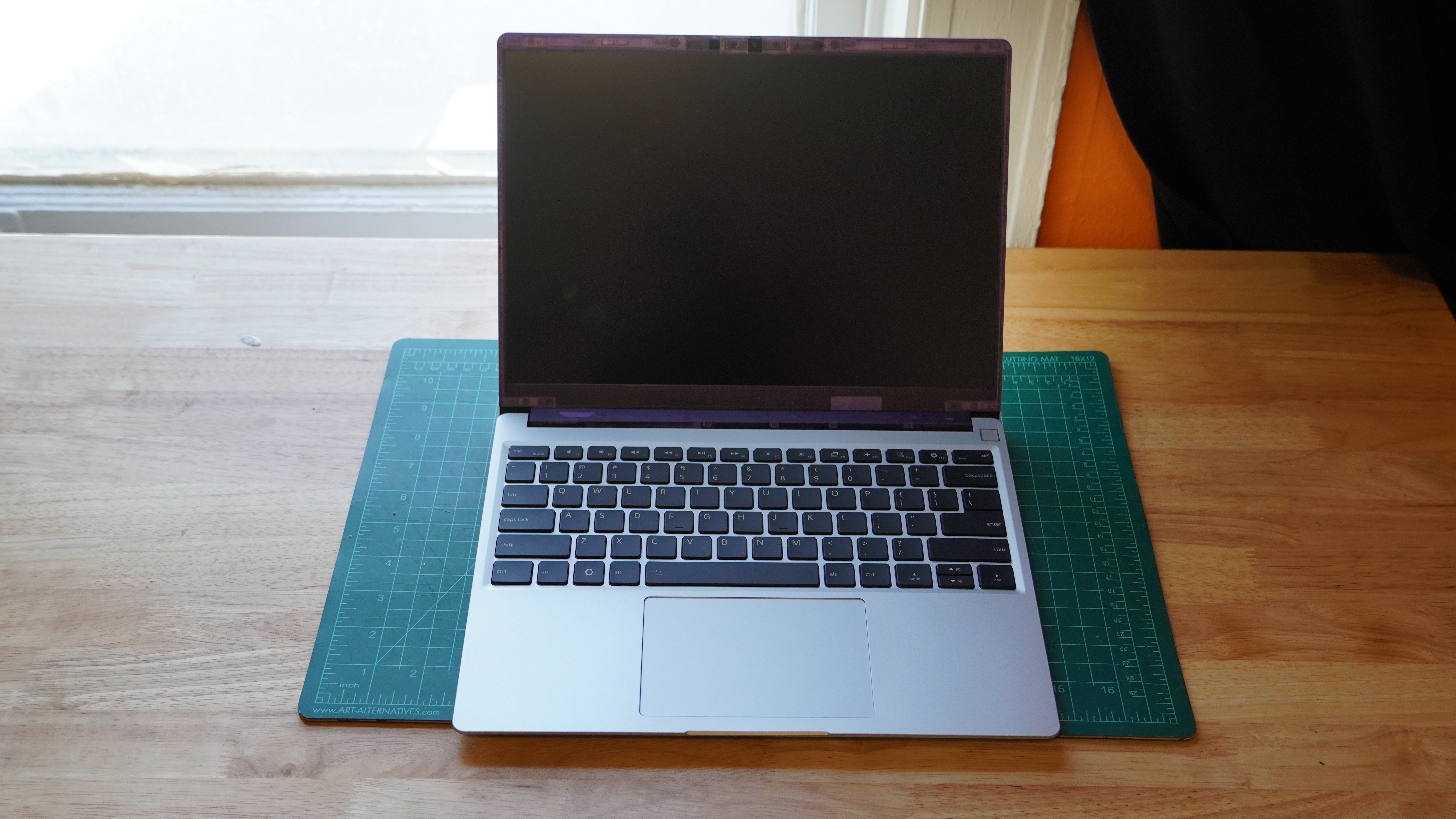
No offense to the laptop engineers, but soldered RAM has basically killed upgradeability. I mean, I get it from an engineering perspective–it saves space, improves cooling, and helps battery life last longer. Makes sense on paper. But for anyone buying the laptop, it’s like running straight into a ceiling. Frustrating and limiting.
8GB of RAM might have been fine a few years ago, but today? That’s a different story.
Modern browsers suck up a great deal of memory. AI-powered tools do as well, and that includes everything from image generators to using ChatGPT.
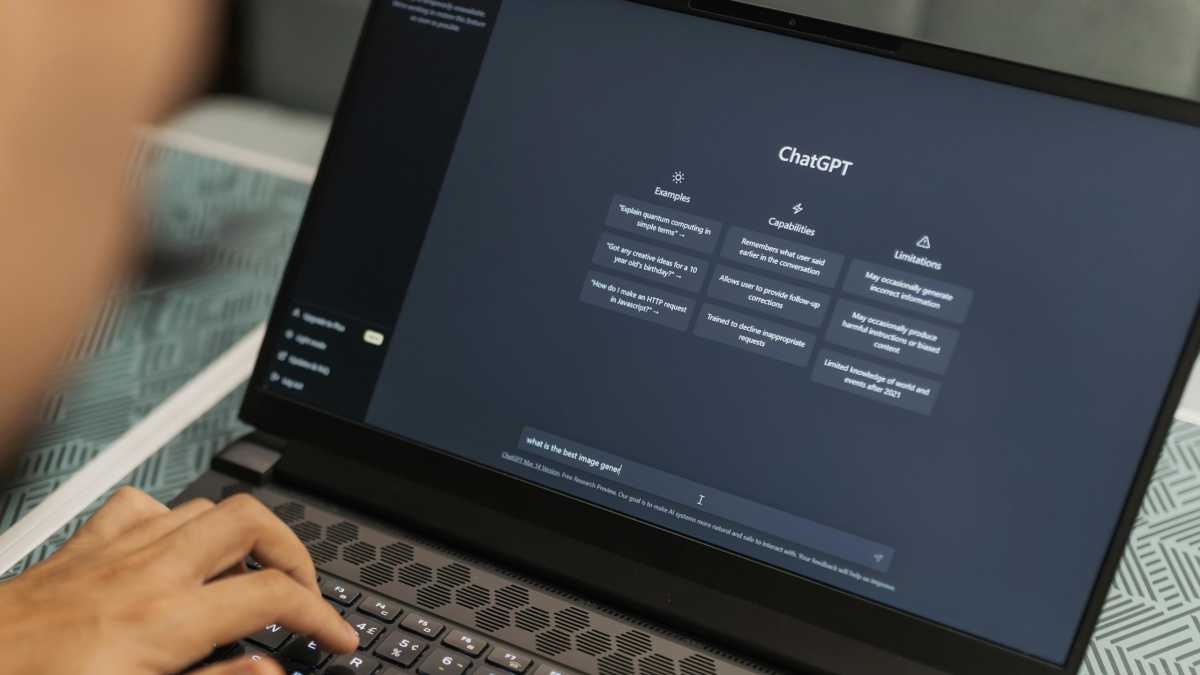
Running AI locally? Yeah, that’s a memory hog too. Many of them require 4 or 8GB and if you’ve got only 8GB on your laptop, that’s pretty much your whole memory pool. And it’s not just RAM, either. CPU limits and thermal throttling can slow things down even if memory isn’t totally used up. Battery life can also take a hit from the additional load.
And don’t get me started on storage. Soldered SSDs or single slots mean you can hit a wall (or ceiling) there, too. That old “buy cheap now, upgrade later” idea? Nope. It’s more like “buy now, hop on the struggle bus later.”
Base models aren’t just underpowered, they’re aging poorly, and we’re the ones actually paying for it.
Who actually gets burned
Honestly? Anyone that wants a reliable laptop for the normal stuff–web browsing, streaming, doomscrolling, you name it. Whether you’re a student drowning in 20+ research tabs or a creative professional cleaning up an image with an AI-powered tool, you’ll probably feel the heat first. Even more casual users may notice slower performance after a period of time.
You don’t notice it day one. You notice it when the laptop stops keeping up and there’s nothing you can do about it.
But what if you want to push your machine harder? I’m talking about editing videos, using AI tools to generate images, juggling a questionable amount of open tabs, and so on. Well, you’re kind of stuck with two options. You can either pay more upfront for a configuration with higher RAM or just live with a laptop that might slow down in a year or two.

Foundry / Matthew Smith
What should you do
If you can swing it, go for 16GB RAM. It’s more now, sure, but cheaper than buying a new laptop in a year or two. You’ve got to remember rising memory prices, too–it’s only going to get more expensive, so it’s probably better to tackle that now.
If you must go lower-tier, check that you can upgrade. Look for replaceable DIMMs and M.2 SSD slots. This is the sort of thing that gives you a fighting chance in the long run.
You may also want to think a couple of years ahead. AI tools, as much as I hate to admit it, probably aren’t going to slow down anytime soon. This means buying a base model could leave you stuck with a laptop that slows down way faster than you were expecting. My advice? Spend a little extra now or make sure your machine will grow with you. Framework laptops are an excellent example of this approach, by the way, though they’ve had to raise their prices recently.
The part that stings
Base models don’t slow down right away. They feel fine at first, sure, working as they should. And then a browser update lands or an AI feature becomes the new standard, and then you’ve to play the “What stays and what goes?” game. And because so many laptops are sealed shut and have non-upgradeable components, there’s no dignified way out of it. The new reality is this: When upgradeability disappears, base models kind of stop being a smart compromise and start being a ticking clock. It’s only a matter of time before you’ve got to face the music.
This articles is written by : Nermeen Nabil Khear Abdelmalak
All rights reserved to : USAGOLDMIES . www.usagoldmines.com
You can Enjoy surfing our website categories and read more content in many fields you may like .
Why USAGoldMines ?
USAGoldMines is a comprehensive website offering the latest in financial, crypto, and technical news. With specialized sections for each category, it provides readers with up-to-date market insights, investment trends, and technological advancements, making it a valuable resource for investors and enthusiasts in the fast-paced financial world.