
Microsoft typically releases new security updates on the second Tuesday of this month, known as Patch Tuesday. But today, Microsoft also has some new features that it will gradually push to PCs like yours: the ability to resume Spotify on multiple PCs, better Windows Hello protections, and a handy new device card, among others.
Officially, this is the KB5074105 update for Windows 11. Yes, there will be minor bug fixes that will be rolled out as part of today’s update, but Microsoft characterizes the features below as part of a “gradual” release, so that you may not see them immediately. Expect them soon, however.
There is one immediate change (fix?) that may cause you to scratch your head: accessing the Storage settings (Settings > System > Storage) will require administrator access via the Windows User Access Control. It’s an odd change, but Microsoft says that it’s making it to prevent unauthorized access to system files.
Cross-device resume: Pick up where you left off
The most interesting feature of this new update is an improved cross-device resume function, which will allow you to play a song on Spotify on your phone, pause it, then resume playback on your PC. Microsoft also says that Honor, Oppo, Samsung, Vivo, and Xiaomi phones — sorry, Google — will be able to open files that you opened in the Copilot app on your phone on your PC as well.
Presumably this functionality will be opened to more phones and more apps in the future. If you don’t have the required Microsoft 365 app on your PC, it will open in a web browser. If you have a Vivo phone, there’s an extra benefit: You can pick up where you left off on the Vivo browser from your phone on to the Vivo browser on your PC.
Device cards get unified
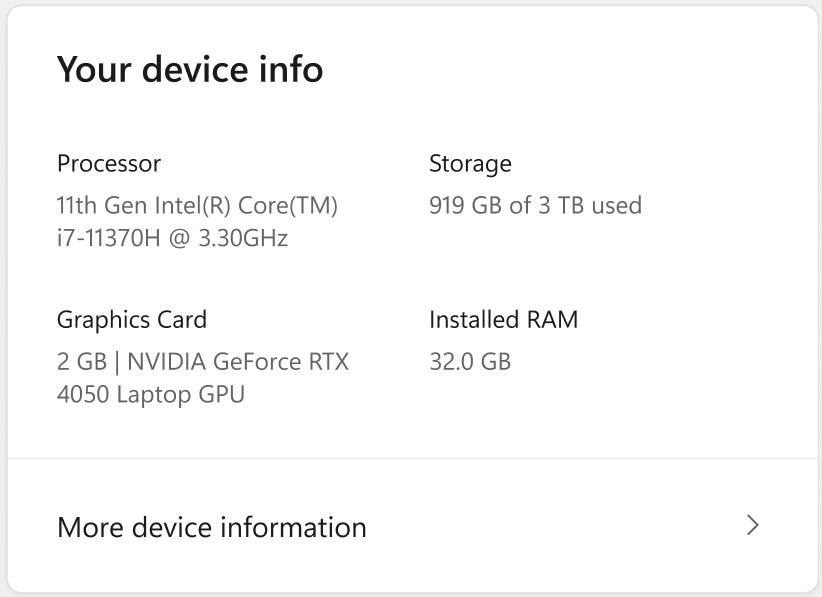
This small update also brings with it the “device card” that Microsoft previewed in a Dev Channel preview last June. Microsoft has been tweaking its Settings “cards” for a while now; if you go into the Windows 11 Settings > About tab, you’ll probably see a bundle of small cards describing your CPU, storage, RAM, and so on.
The updated card brings that information together into a more unified summary slide.
A more secure Windows Hello
You’re undoubtedly familiar with Windows Hello, the technology that began with the biometric depth camera in Windows 10, and expanded into fingerprint sensors, too. The latter technology works within desktops, but also allows desktops to get in on the action, too. You can also buy a Windows Hello webcam, too.
Windows allows webcams to store your biometric information in the Trusted Platform Module as part of Windows Hello Enhanced Sign-in Security, which adds an extra layer of protection to your biometric credentials. What this update does is extend this added protection to fingerprint readers. Personally, I prefer a Windows Hello webcam for the additional functionality it offers. However, if you’re a desktop PC owner and prefer a fingerprint reader instead, this update helps protect that information, too.
Smart App Control, without the pain
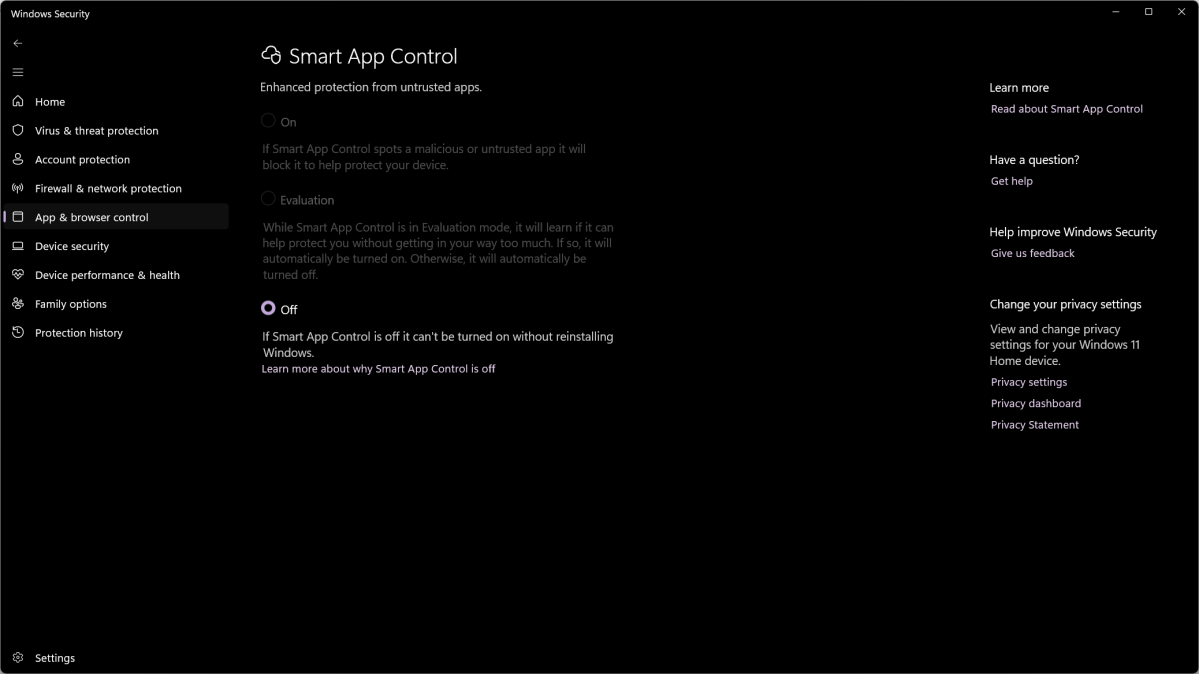
My colleague Alaina Yee has written about a nifty Windows technology called Smart App Control, which protects your PC from malware by screening and then analyzing apps. The problem? It only runs via a clean install. If you haven’t set it up initially, turning it “on” means that you have to reset your PC. No longer!
PCWorld
Now, Microsoft has improved Smart App Control to eliminate the need to reset your PC. To make changes, go to Windows Security > App & Browser Control > Smart App Control settings.
Voice Typing, Voice Access, and Narrator all improve
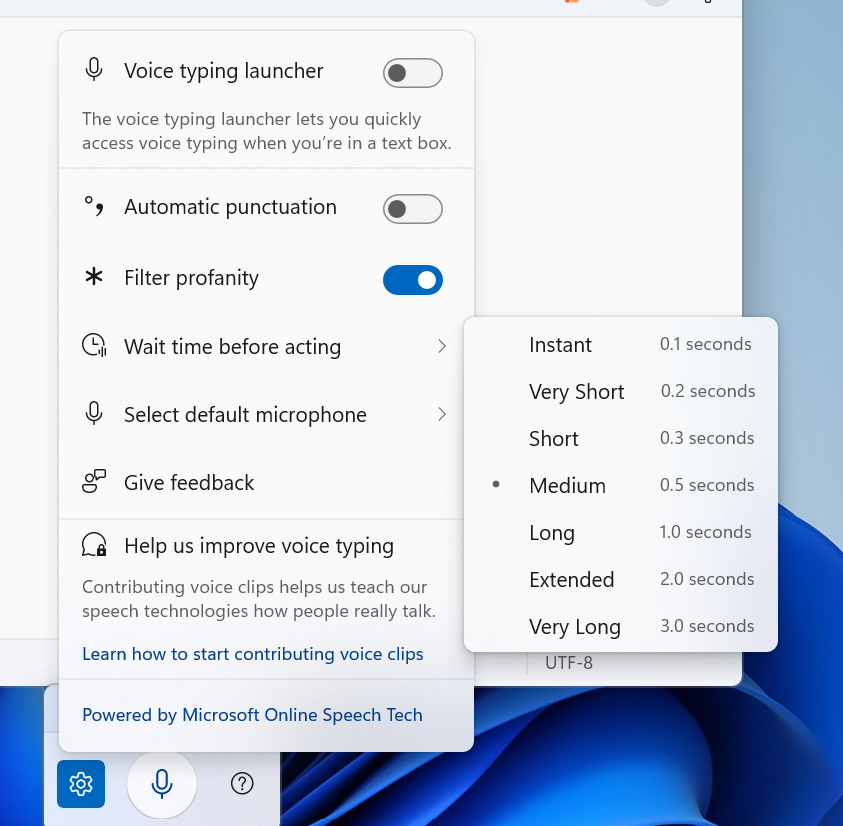
Fun story: When my wife moved from Minnesota to Alabama as a child, she was told that the other children couldn’t understand her because she spoke too fast. I had a hard time wrapping my head around this one, but people do speak in different cadences. Microsoft’s voice typing now recognizes this by injecting optional delays before voice commands are executed, and helps people who speak slowly be better understood.
Microsoft began testing this last October, and now it’s made its way into the release channel for your PC.
Microsoft has also added a new AI voice model for Voice Access (those who need to command their PC orally because of difficulty using a mouse or keyboard), and each model is optimized for a chosen language.
Narrator was designed for those who have trouble seeing. In this release, Narrator now gives you more control over how it announces on‑screen controls. You can choose which details are spoken and adjust their order to match how you navigate apps, Microsoft says.
Jamming with MIDI 2.0
I don’t know too much about music creation or production, but the music industry seemed to love the new improvements that MIDI 2.0 brought. Microsoft tested this a year ago, and now MIDI 2.0 is debuting within Windows.
For the full list of changes, Microsoft has published a summary.
This articles is written by : Nermeen Nabil Khear Abdelmalak
All rights reserved to : USAGOLDMIES . www.usagoldmines.com
You can Enjoy surfing our website categories and read more content in many fields you may like .
Why USAGoldMines ?
USAGoldMines is a comprehensive website offering the latest in financial, crypto, and technical news. With specialized sections for each category, it provides readers with up-to-date market insights, investment trends, and technological advancements, making it a valuable resource for investors and enthusiasts in the fast-paced financial world.