For over a decade, driving profit from your website was relatively simple. Find the right keywords, optimize your site to rank for them, then convert as many visitors as you can.
But as AI overviews and conversational answer engines continue to replace search engines, traditional clicks from SERPs are rapidly dropping.
Fortunately, this shift isn’t a death sentence for websites; in fact, it could be a big opportunity.
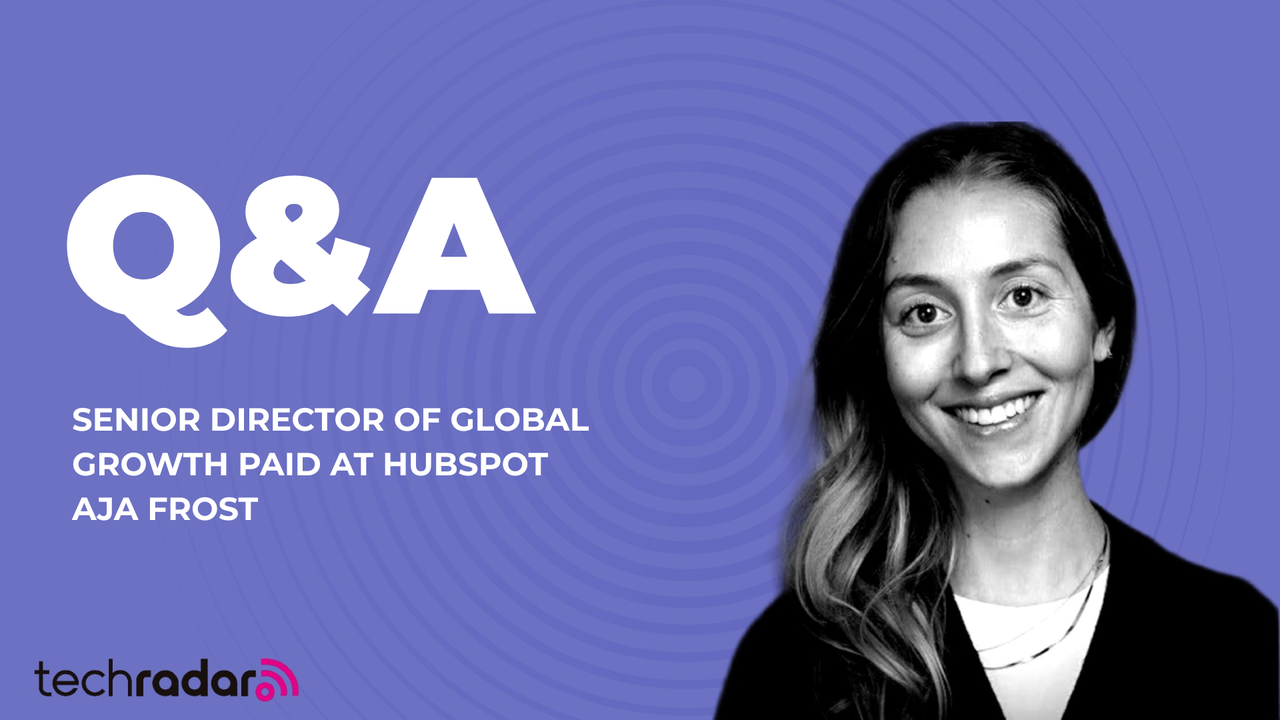
I caught up with Aja Frost, Senior Director of Global Growth and Paid at HubSpot, to get some insight into how HubSpot has reshaped its marketing strategy, helping it achieve a massive 1,850% increase in qualified leads from AI and a 3x higher conversion rate compared to traditional search.
With organic sessions and clicks sharply dropping for many websites, how can marketers continue to prove ROI? What are the new baseline metrics businesses should be measuring?
Traffic volume is no longer the right North Star metric. When AI answers a question that includes your brand, you might not see any clicks — but you’ve successfully generated awareness that could convert later that day, week, or month.
The metrics that matter most now are AI search visibility and branded search (awareness), as well as conversion rate, pipeline quality, and revenue. LLM-referred traffic converts around 3x better than traditional search for HubSpot.
With long-form ‘ultimate guides’ now struggling to compete with AI answers, how should teams be pivoting their content strategies to remain competitive?
Start writing for AI search. If an LLM answers the question “What is a CRM” and cites your CRM in the response — because you’ve structured your content in an AI-friendly way, included original data, etc. — you will still ultimately reach the buyer.
Additionally, HubSpot diversified where we showed up, including YouTube, newsletters, and podcasts. Not only do humans still spend a lot of time here, but LLMs train and cite from these sources. Today, 90% of HubSpot’s leads come from non-blog sources, with YouTube leads up 100% and newsletter leads up 90%.
What other things should brands be doing to optimize their websites for conversational AI questions?
Your content needs to answer conversational queries directly and authoritatively.
Think about how your buyers will ask questions to an answer engine, not how they’d type keywords into Google. Your content needs to answer conversational queries directly and authoritatively.
Using unique data, structuring your content so it’s easy to understand, and being cited in the places LLMs pull from will increase your visibility. You should also track your AI visibility systematically – you need to know how your products are described, which businesses are showing up instead of you, and whether your share of voice is improving over time.
Can brands leverage legacy content for AEO? If so, how?
Legacy content written to rank on Google usually doesn’t explicitly connect the topic to your product or service.
Yes, but it needs to be updated with intent. Legacy content written to rank on Google usually doesn’t explicitly connect the topic to your product or service. Update content with these connections so AI will make them for the user.
For example, if you have a blog post on running good sales calls, you’d add contextual lines like, “HubSpot’s Smart CRM includes real-time call insights, so you can course-correct while you’re still on the phone with a prospect.”
Is SEO still important? If so, what are some good strategies small businesses can use to balance search engine and AI optimization?
SEO is still important for a few reasons.
Google’s AI search (AI Mode, AI Overviews, Gemini) pull information from Google results. In addition, once buyers have discovered you in AI search, they’ll often use Google to navigate to your website.
HubSpot claims that its AEO playbook helped achieve an 1850% increase in qualified leads and a 3x higher conversion rate. What were the three main driving factors behind these wins? How can entrepreneurs and marketers apply them to their own businesses?
You should start by measuring where you show up in AI answers, then systematically close the gaps.
Our strategy had three pillars.
First, on-site content built for AI. We created industry-specific pages with structured data, unique insights, and FAQ schema. 92% of those pages ended up cited by answer engines, generating a 49% lift in AI visibility. We also launched a glossary covering top-of-funnel terms (with explicit links to relevant products), which increased citation share for related prompts by 60%.
Second, off-site amplification. We identified publishers already winning citations but not yet mentioning HubSpot, gave them AEO recommendations and templates, and scaled to hundreds of new pages, earning hundreds of thousands of new AI citations.
Third, Reddit. We invested heavily in our Reddit strategy, as it was one of the most cited sources for questions our buyers are asking.
Any business can apply these tactics. You should start by measuring where you show up in AI answers, then systematically close the gaps.
This articles is written by : Nermeen Nabil Khear Abdelmalak
All rights reserved to : USAGOLDMIES . www.usagoldmines.com
You can Enjoy surfing our website categories and read more content in many fields you may like .
Why USAGoldMines ?
USAGoldMines is a comprehensive website offering the latest in financial, crypto, and technical news. With specialized sections for each category, it provides readers with up-to-date market insights, investment trends, and technological advancements, making it a valuable resource for investors and enthusiasts in the fast-paced financial world.