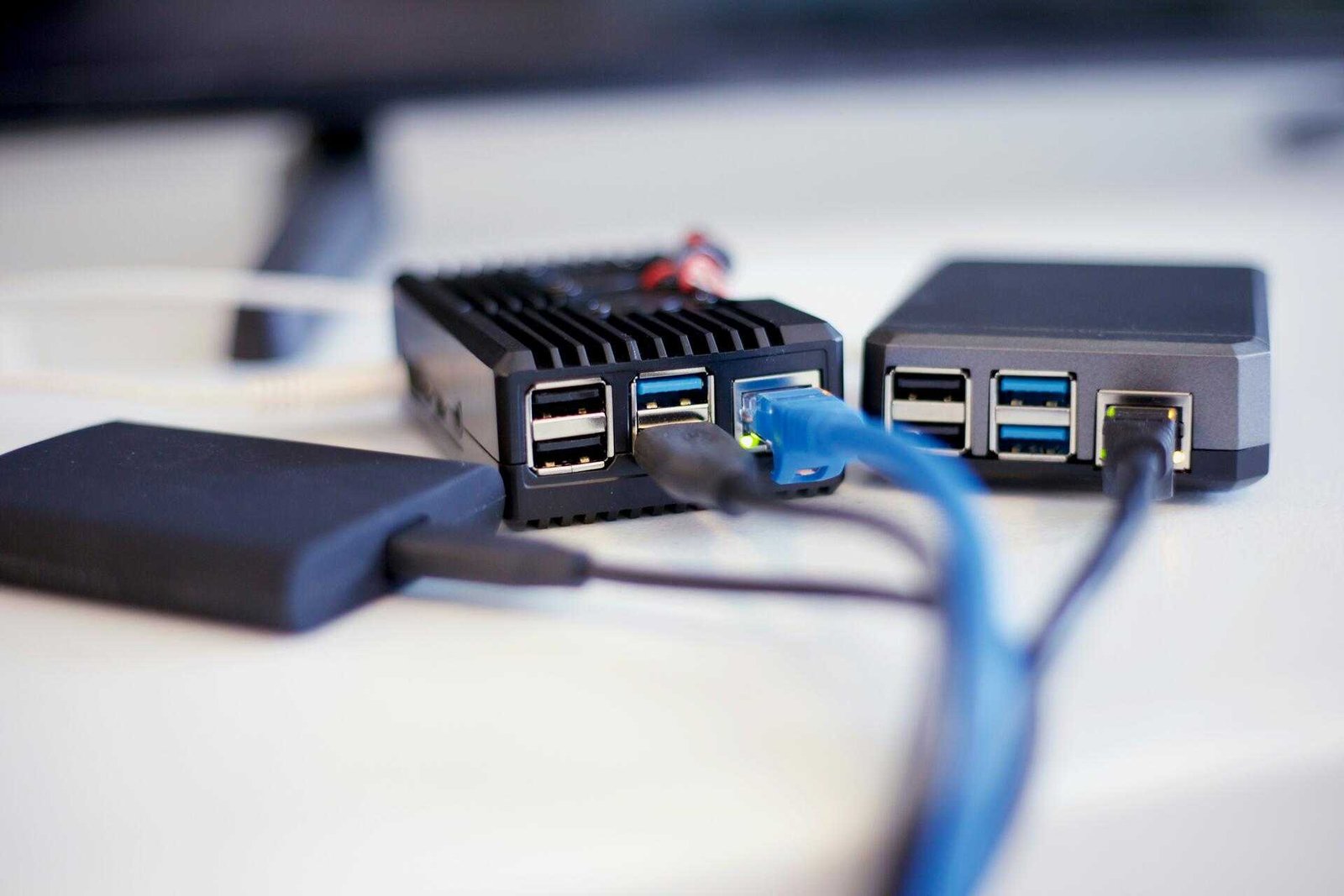
What is the price of privacy? I’ve been trying to put a number on it over the last week, due to hardware I rely on shooting up in cost.
I lean on the Raspberry Pi for projects like Pi-Hole, which blocks tracking and ads across an entire home network. The little single-board computer is versatile and economical—I’ve also simultaneously used it as a controller for Ubiquiti’s UniFi Gateway, a “prosumer” home router. (That saved about $100, which was a nice win.)
Welcome to Safe Mode, your weekly report for pressing security and privacy news—and what steps to take next. Want this newsletter to come directly to your inbox? Sign up on our website!
But just before I went on vacation, the Raspberry Pi 5’s street price jumped dramatically. At least, the top-of-the-line 16GB model did, to nearly $400. When originally launched, a Raspberry Pi cost just $35—a shocking contrast to today.
That got me thinking. Even though the Raspberry Pi 5’s base model is still holding at $45, just how much are we willing to spend these days on privacy (and by extension, security)?
You can run Pi-Hole on a 1GB Raspberry Pi 5, but it still needs an SD card, and those have doubled in price over the last couple of years. (Plus, if you’re unlucky, you may need to replace that card if it corrupts from one too many power outages, as I’ve had to.)
There’s other hardware you could invest in, too: Other setups include local media streaming, DIY network storage, and smart home automation. And if you’re into AI, you may end up budgeting for a PC that can accommodate local use.
We also have a variety of software and services we use: antivirus suites, password managers, VPNs, email masking, encrypted email.
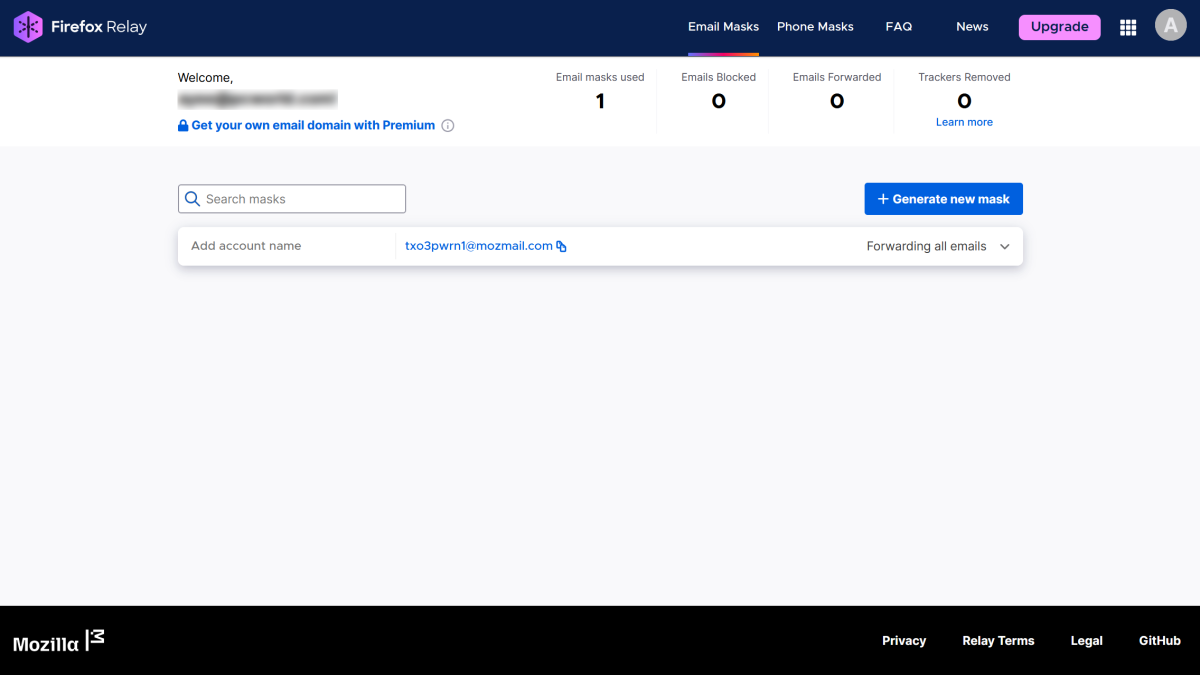
Mozilla / PCWorld
You don’t have to pay for any of the software or services, of course. Which is why I think putting a number on all this is difficult—and ignores the most expensive part of modern digital life.
I talk a lot about how simple it can be to stay secure and private while online (relatively, at least). And I believe that—if you know what services and hardware to use, you don’t have to constantly stay on top of the system you create for yourself.
But there is mental overhead. I can’t assign a dollar amount to keeping up with security and privacy trends, nor the information I now weigh before I share with anyone, thanks to the numerous data breaches that keep piling up. Asking “What happens later if this information is leaked? Could it be used against me? How do I safeguard it?” can’t be measured in cents. It requires time and energy, though.
We as a society are overdue for a discussion about technology, convenience, and privacy. I’ve never been one for the slow living movement. I like new products. I like seeing what human ingenuity can cook up. But the more tech’s financial and mental costs pile up, the more I start to wonder if there’s some value to a slower life after all. Privacy used to be a basic default. Why have we made it so complex?
In the news
So. Many. Data. Breaches. I’d almost ask what happened while I was away, but this chaos is in character with our current era.
Also not unexpected: AI accidentally exposing more information than it should.
PCWorld
The urgent
- Between another Chrome zero-day exploit and certificate authority eMudhra expiring another eight CA certificates due to security issues, keep Chrome (and any other browsers) up to date. Restart your browser whenever you see the notification.
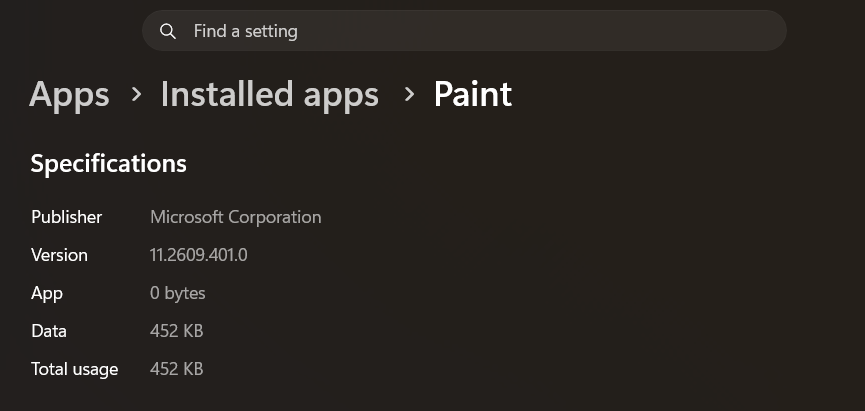
- Windows’ venerable Paint app has a no-click security flaw—and your version may not have gotten the patch. To check what version you’re on, head to your Settings app. You want 11.2609.401.0 or higher—otherwise, you may need to do a manual update.
The bad
- Anthropic’s Claude Code was found to be leaking sensitive info that included root logins, database passwords, and API tokens on GitHub. AI agents leaking information isn’t new, nor are we consumers directly affected—but as always, we could end up downstream of any consequences.
- Back in October, web hosting provider Dreamhost expired user FTP/SFTP passwords, citing an “issue” affecting some systems. Now the company says hackers accessed usernames and passwords. If you haven’t already set new passwords, do so now.
The ugly
- Data breaches are common now, sadly—but not their sheer volume in the last week or so: Multiple universities (Vanderbilt, York, Harvard) lost personal information on students, employees, alums, and even research. Sega exposed 2.2 million email addresses from its newsletter list.
- Android TV box maker Videostrong sold bad actors backdoor access to its hardware, allowing them to use the machines for botnets and malware distribution. Videostrong was a certified Android TV partner, which goes to show that labels can’t always be trusted.
Tip of the week
AI agents can send email on your behalf… even when you didn’t ask them to. To better control the info they share in your name, PCWorld’s resident AI guru Ben Patterson recommends focusing on outcomes in your prompts.
In broad terms, you should clearly describe to your agents what specific things they should not do—and the level of permission they have to proceed. It’s an exercise in establishing shared context, and one that involves creating boundaries within prompts. Turns out, just as in real life, “Go ahead” can mean different things to the speaker versus the listener.
This articles is written by : Nermeen Nabil Khear Abdelmalak
All rights reserved to : USAGOLDMIES . www.usagoldmines.com
You can Enjoy surfing our website categories and read more content in many fields you may like .
Why USAGoldMines ?
USAGoldMines is a comprehensive website offering the latest in financial, crypto, and technical news. With specialized sections for each category, it provides readers with up-to-date market insights, investment trends, and technological advancements, making it a valuable resource for investors and enthusiasts in the fast-paced financial world.