For years, creatives have delved deeply into a single app at a time, pushing and shaping pixels in apps like Photoshop to achieve the right look and feel. Now Adobe and Canva want you to abandon that approach for one where AI agents do that work for you.
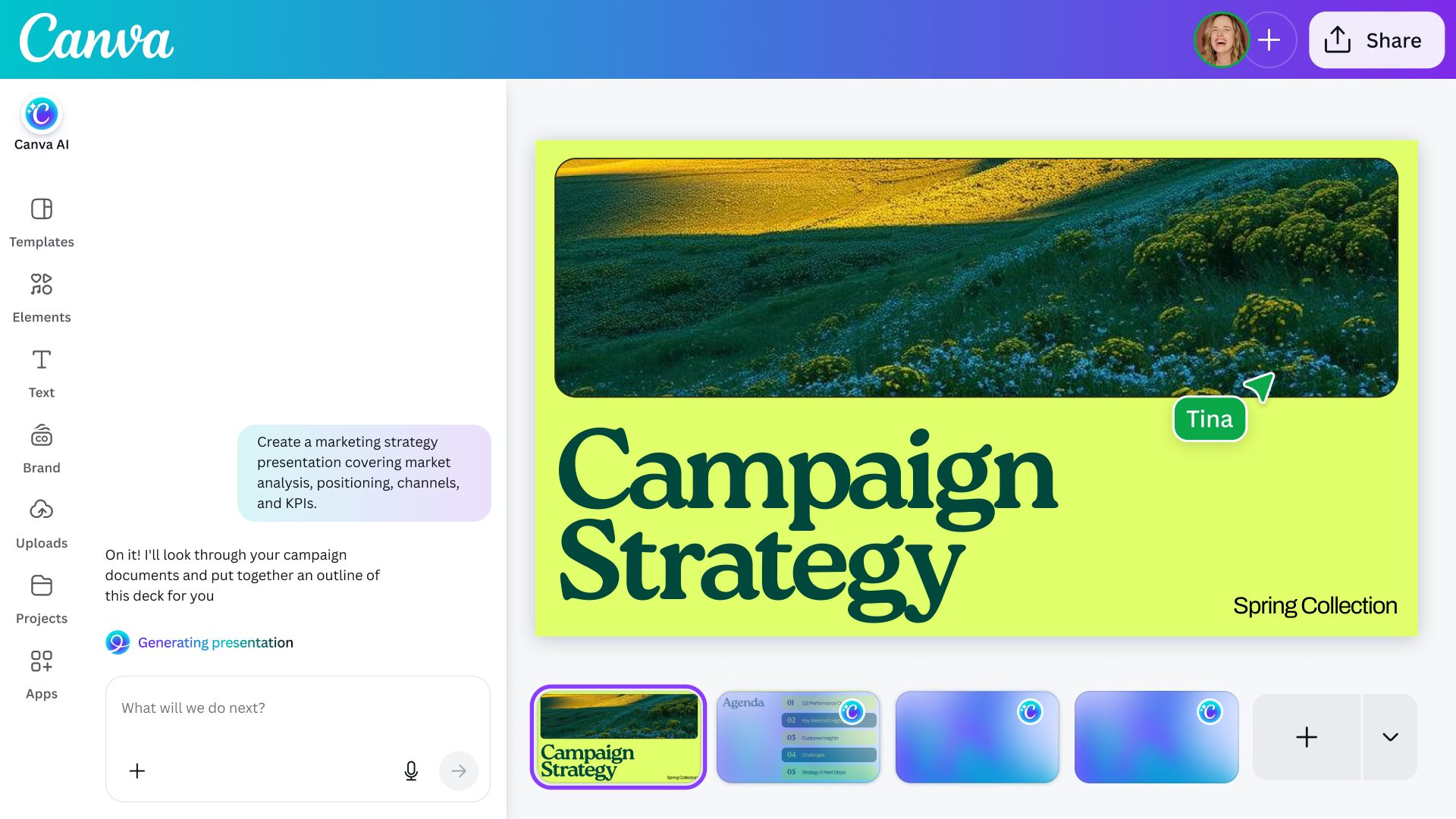
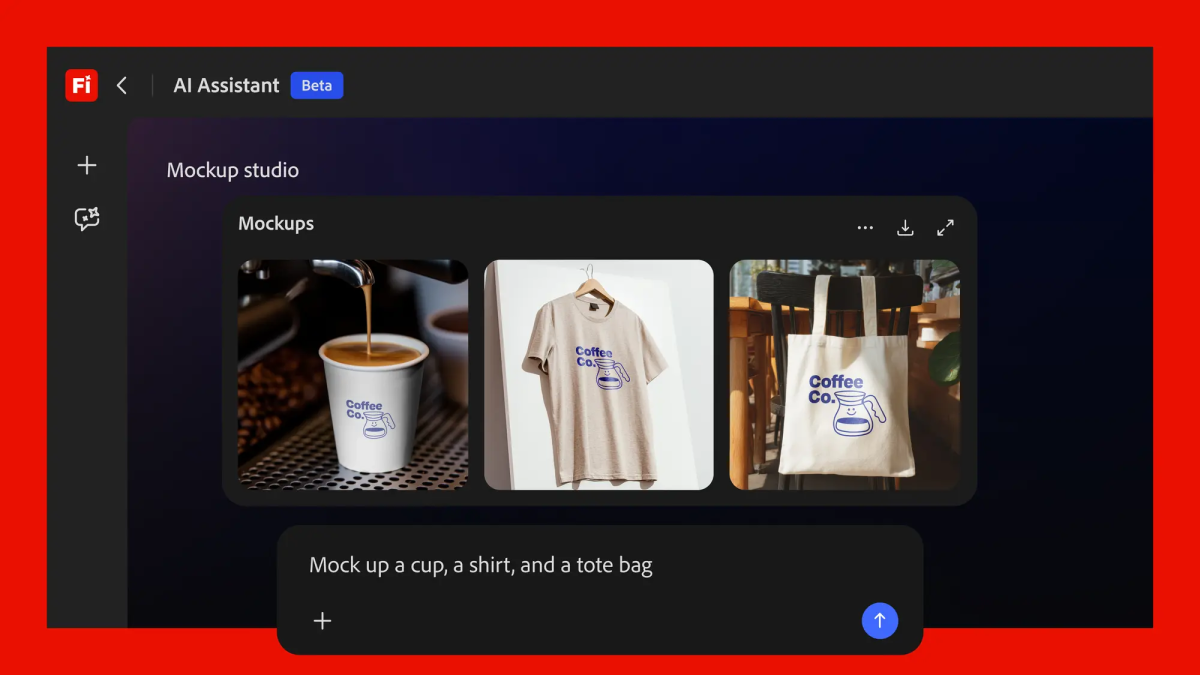
Adobe calls its Adobe Firefly AI Assistant and Canva calls it Canva AI 2.0, but they’re similar. Each asks creative workers to become creative directors, dispatching a league of AI agents across not just one but every application within their respective suites. Most of it will be performed entirely by AI with ongoing input from the human in charge. It’s not here quite yet—Firefly AI Assistant will debut inside the Firefly app as a public beta within a few weeks, while Canva AI 2.0 is being tested as a research preview and will launch over the next few weeks as well.
What both companies are asking you to do is to think of yourself as a foreman instead of a line worker.
“Firefly AI Assistant will put the combined power of all Adobe’s signature creative tools in one place,” wrote David Wadhwani, the president of Adobe’s creativity and productivity business, in a blog post. “It’s creativity without borders. When fully realized, you’ll edit video with Oscar winners’ favorite Adobe Premiere tools, enhance audio with innovations from Firefly, reimagine stills with imaging tools from Photoshop, and create beautiful vector-based title cards with capabilities from Illustrator. All in the same conversational interface.”
That’s the same approach Canva is trying with its Canva AI 2.0 project, which also uses all of the tools Canva has at its disposal. (The difference is, Canva bundles all of its in-house tools under a single umbrella while Adobe licenses them individually as well as in its Adobe Creative Cloud bundle.) Canva calls this an “orchestration layer,” but it’s the same thing: an AI model that works behind the scenes to coordinate with its various apps and maintain creative cohesion.
Both companies are touting this new approach as transformative, hearkening back to their earliest days. An example workflow could involve beginning with Adobe’s Firefly Boards, transforming the concept with Illustrator, adding video content, then suggesting the agent come up with some marketing materials. Another might involve a creator reviewing a camera, where the content creator would shoot hours of video, but then let the agent analyze the footage, suggest a story arc and music, assemble a draft, and generate thumbnails.
My initial reaction is to shy away from the second approach, since the arc of the story and the argument is one of the fundamental ways in which I would stamp a review with my unique fingerprint. I’m more amenable to the first approach since none of that feels like something I would consider to be within my creative domain.
For digital artists, however, this all has to feel like the world is changing at a breakneck pace, in the same way that generative LLMs threatened writers. What Adobe and Canva are trying to do is establish opportunities for humans to step in and take control. In code, those are known as “breakpoints,” where a debugger would pause at a given spot.
The fundamental problem that creative workers will have to deal with is the trade-off between the responsibility of delivering a project on time and the quality of their output. AI slop is a real thing, and being associated it can kill anyone’s reputation.
“At its best, agentic technology expands creativity,” Wadwhani wrote. “It lets people bring their vision to life simply by explaining it. Instead of navigating menus and tools, you create at the speed of your imagination. The art of creation becomes more personal, expressive, and inclusive.
“At its worst, agentic creation produces uniformity and AI slop, taking both the human and the humanity out of the creative process,” Wadwhani added. “Multiply this out and audiences’ tastes grow stale.”
There’s nothing saying that creative workers will have to use Adobe Firefly AI Assistant or Canva’s new AI Assistant to be successful. But for every worker who spends hours laboriously tweaking an illustration, there will be others who simply dictate what they want to see and depend on their AI tools to do the work for them. AI represents a major shift for creative workers, and these new tools threaten to drive a wedge between the “traditional” artisanal way of working and faster-paced output that can make it up in volume.
This articles is written by : Nermeen Nabil Khear Abdelmalak
All rights reserved to : USAGOLDMIES . www.usagoldmines.com
You can Enjoy surfing our website categories and read more content in many fields you may like .
Why USAGoldMines ?
USAGoldMines is a comprehensive website offering the latest in financial, crypto, and technical news. With specialized sections for each category, it provides readers with up-to-date market insights, investment trends, and technological advancements, making it a valuable resource for investors and enthusiasts in the fast-paced financial world.