We imagine disaster scenarios for our real-world lives—whether flood, fire, or natural events like tornados and earthquakes. But planning for worst-case scenarios also applies to our digital lives too, especially in this AI era.
If you haven’t given digital disaster planning much thought, you should. Especially since you could be just one text message away from a complete nightmare. Or maybe you’ll have done nothing at all.
Why worry about digital disasters?
AI is blowing up cybersecurity in multiple ways. More sophisticated attacks, more convincing scams, more vulnerabilities discovered and exploited. More speed, too. Everything is happening faster. One misstep and you could end up watching someone steal your Apple account away from you in real time—then go after the money in your bank accounts.
But also with AI agents rising in use, we may see growing pains that cause disruptions. Currently they’re accidentally hacking into companies to complete tasks, but it’s just a matter of time before bad actors purposely direct them to do so. When that happens, major services could go down or become otherwise unavailable.
How to plan for digital disasters
So what should you do to protect yourself? I recommend fortifying your digital life in these four ways.
Make your accounts harder to steal
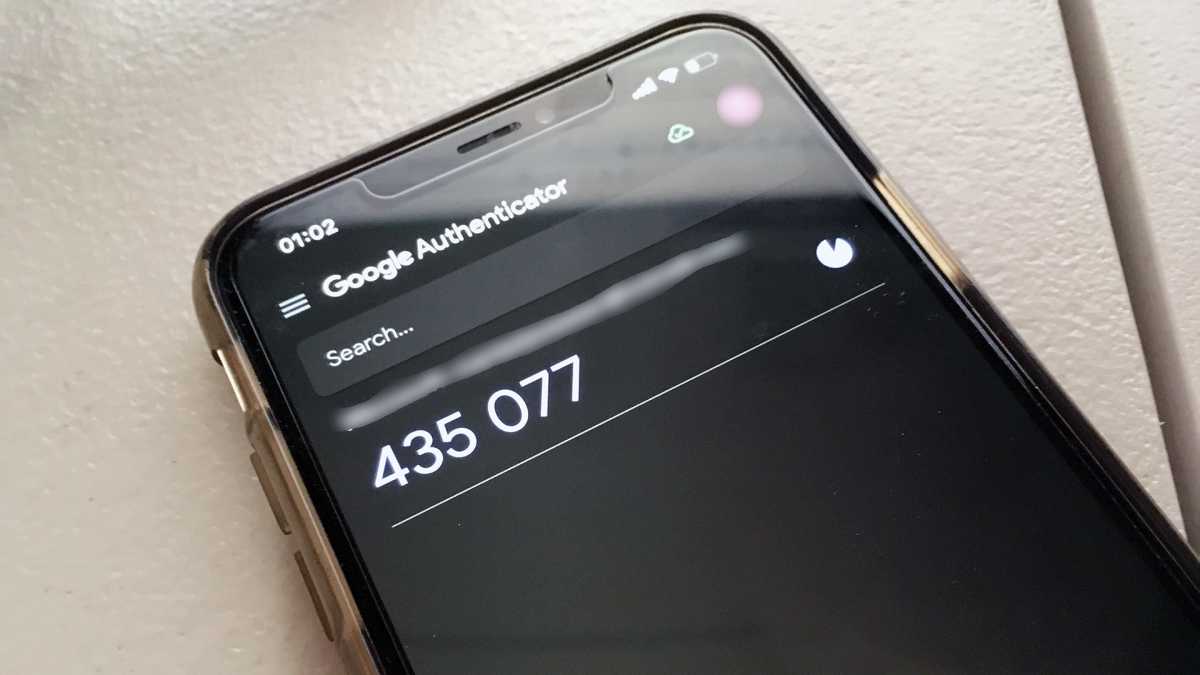
An authenticator app that generates one-time codes is one of the better forms of two-factor authentication.
PCWorld
Better password security is a must. Each account should have its own strong, random, and unique password. (A password manager makes this approach easy.)
Add on two-factor authentication, too. Even better, choose the strongest methods of 2FA—either an app that generates one-time codes, or a hardware security key. Too much hassle? Opt for passkeys instead. They’re actually stronger than passwords when implemented correctly.
Diversify your digital assets
Just like with investments, putting all your digital eggs in one basket is risky. So spread out your vulnerability to attack.
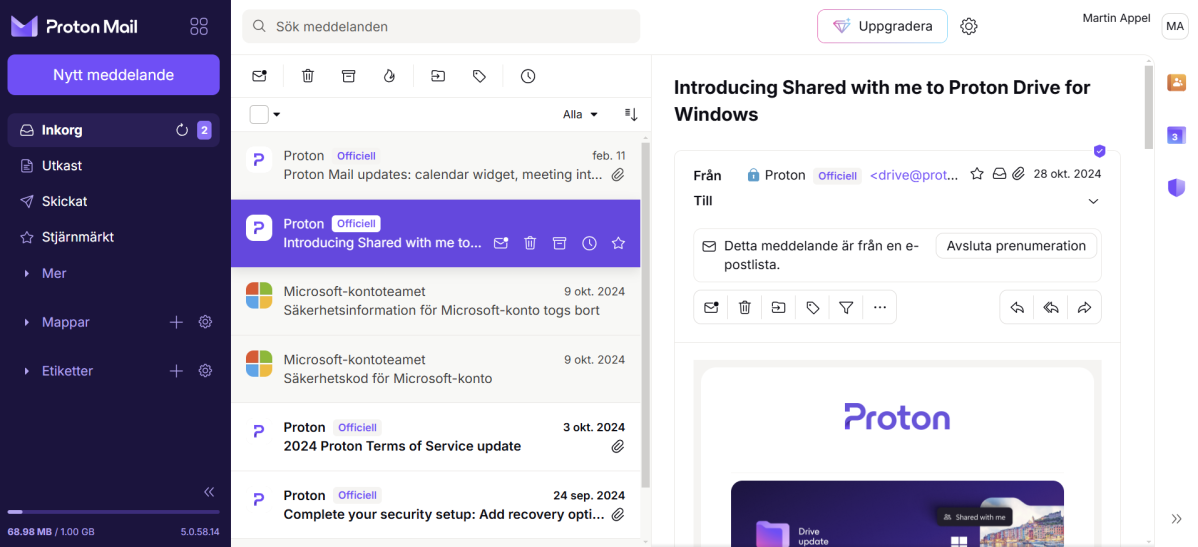
Perhaps you have two email addresses—one for correspondence, another for sensitive accounts like those related to financial services. Maybe you even have more than one bank account, in case you need to temporarily freeze the assets. Perhaps you set up a separate cheap phone line just for 2FA text messages.
Foundry
Also consider having more than one account you back up your important cloud files to, particularly photos of your kids, pets, and other loved ones. It’s also not a bad idea to keep a backup phone at home set up with your most important apps, for 2FA or account verification.
Keep your PC secure
Surfing the web with caution is just one way to ensure you, your accounts, and your computer stay safe. (Ex: Avoid pirated software and skip sites offering free stuff that everyone else charges for.)
Other smart moves include keeping your antivirus software up to date, and also only ever logging into websites directly to check on your account. (Likewise, calling a customer service line listed on your actual bank or credit card statements.) You’ll better evade phishing links in email and text messages.
Also stick to computer programs and browser extensions vetted by known reviewers and security experts. Browser extensions in particular are more vulnerable to attack these days, even legitimate ones. If not outright malicious, they can be hijacked and taken over by attackers to push malware. For similar reasons, uninstall apps and browser extensions you no longer use.
Lock down your identity
IRS
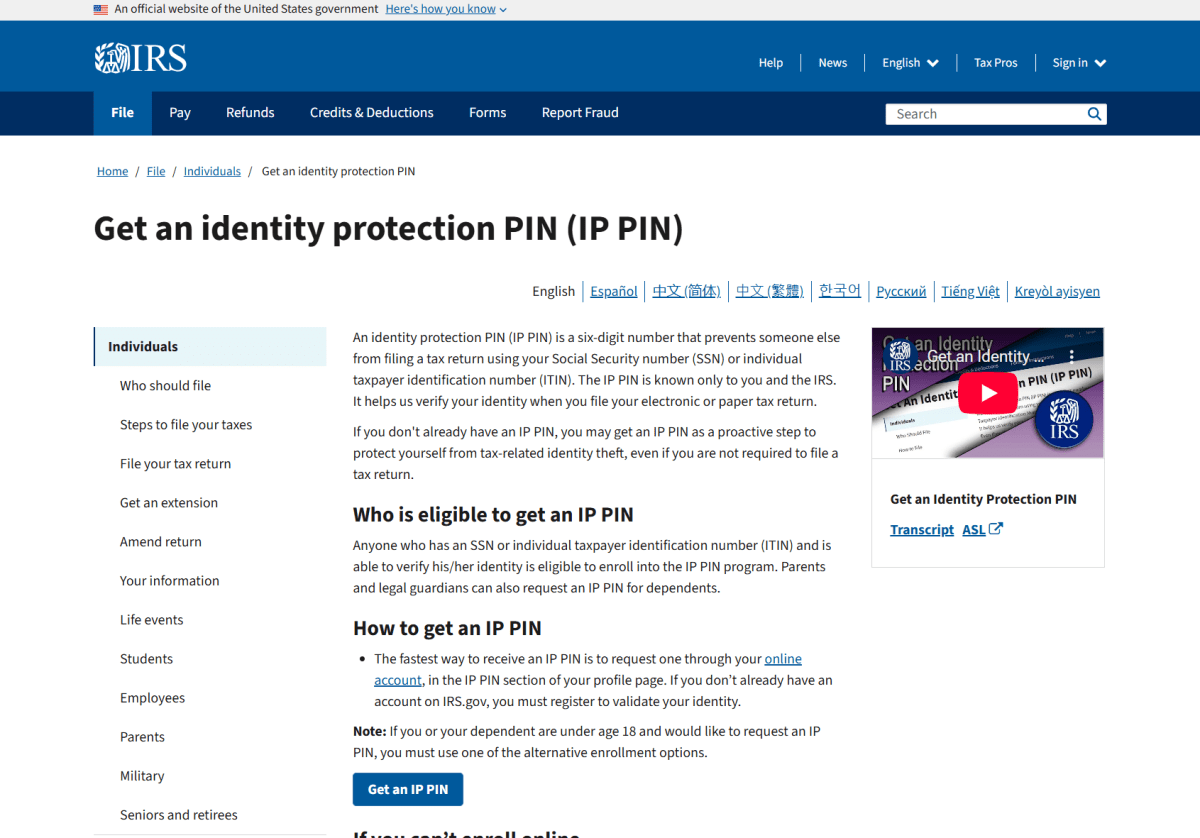
If you live in the US, you can freeze credit and banking reports to prevent the opening of fraudulent accounts. You can also create an identity PIN with the IRS, so that no one else can file a tax return in your name. Having these in place can prevent more damage if you end up the victim of a bad hack and/or identity theft.
Don’t know how to get started? Our guide goes into more detail about how to set up a freeze with the four credit bureaus, as well as the main verifying company for banks. It also explains how IRS Identity PINs work and how to request one.
Yep, things are worse than they used to be
AI is in its wild west stages right now, and we don’t know the direction it’ll yet go. When I’ve spoken with security experts, they’ve repeatedly said that criminals are ahead in the cat-and-mouse game of cybersecurity. At this rate, analog interaction could make a comeback—a return to methods once thought antiquated, in order to combat digital fraud. Ex: Going down to a bank branch to perform higher-risk transactions.
But but until this all sorts itself out, just be prepared. Think of digital disaster planning as necessary as keeping extra water and food supplies on hand.
This articles is written by : Nermeen Nabil Khear Abdelmalak
All rights reserved to : USAGOLDMIES . www.usagoldmines.com
You can Enjoy surfing our website categories and read more content in many fields you may like .
Why USAGoldMines ?
USAGoldMines is a comprehensive website offering the latest in financial, crypto, and technical news. With specialized sections for each category, it provides readers with up-to-date market insights, investment trends, and technological advancements, making it a valuable resource for investors and enthusiasts in the fast-paced financial world.