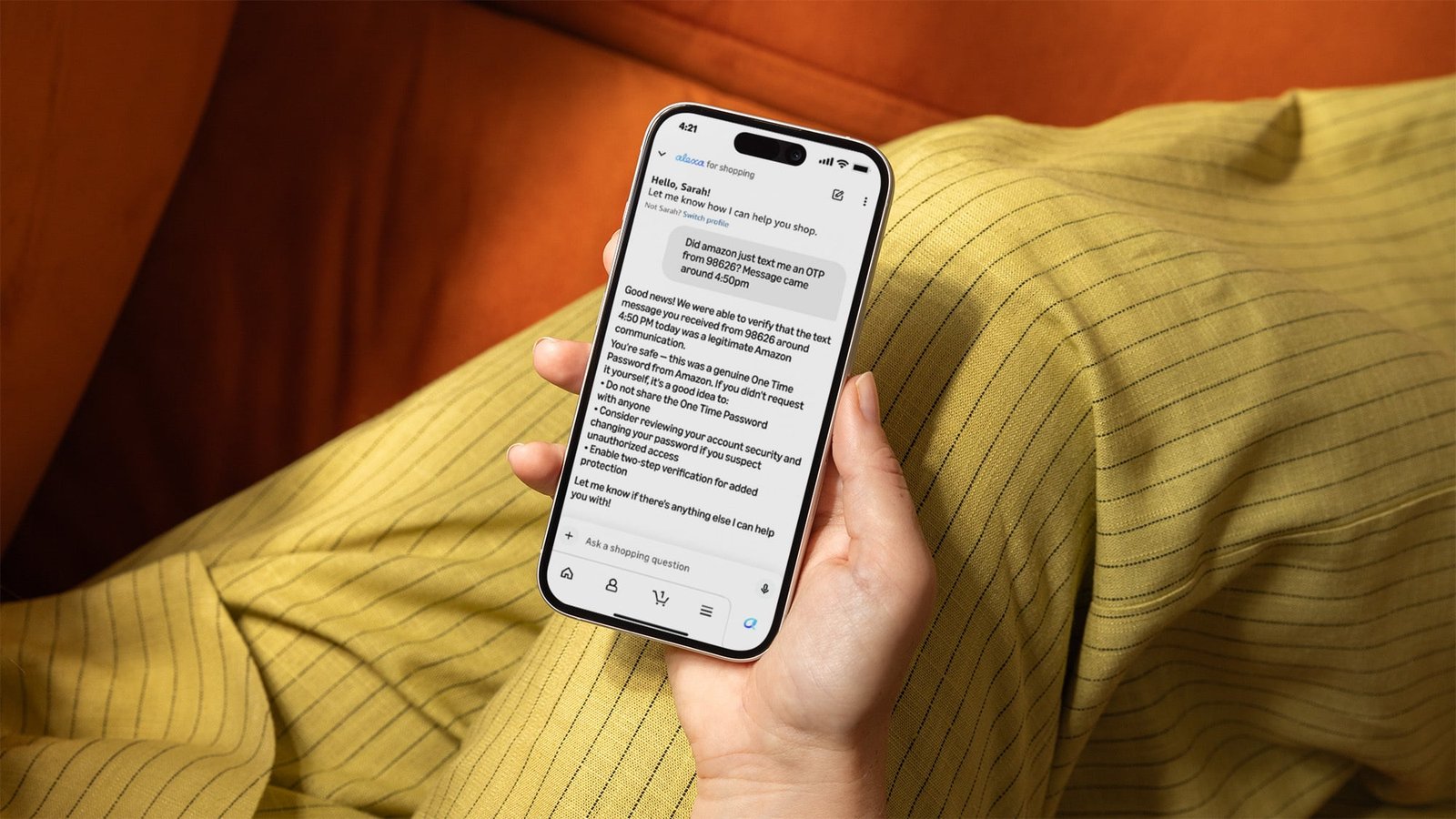
While many internet scams are obvious enough to easily avoid, they are growing more sophisticated. Even seasoned users may find themselves duped by a clever fake email, text, or phone call. Case in point: If you receive a message from “Amazon,” you might have trouble quickly identifying whether or not it’s legitimate. That could lead you to either fall for a trap, or, if the message is real, miss an important announcement or alert from the company.
There are plenty of tactics and best practices out there for verifying these messages on your own, of course: You can take a look at the email address or phone number that sent it, and do your own research to see whether it’s official contact info for the company (depending on the email address, this might be apparent on its own); you can study the body of the message, looking for grammar and spelling mistakes that would give away a hasty phishing scheme; and you can note any financial requests, or time-sensitive demands, which would raise the stakes and increase the chances that someone would treat the message and its contents as legitimate.
But none of these tactics allows you to confirm directly with the company—in this case, Amazon—whether that outreach is real. A new Alexa tool does just that.
How Alexa for Shopping helps you confirm Amazon messages are legit
On Wednesday, Amazon announced an interesting new initiative aimed at reducing—if not eliminating—the risk of users falling for scams. Starting today, “Alexa for Shopping,” Amazon’s shopping assistant, will help you verify whether an email, text, or phone call from “Amazon” is actually from the company. The company says you can ask Alexa for Shopping questions like “Did Amazon send me a text about a delivery problem yesterday?” “Is this email about my Prime membership from Amazon real?” or “I got a call about a refund from someone saying they’re from Amazon. Was that real?” In addition, you ask Alexa for Shopping for more information about the message or call in question, providing any details that seem relevant (e.g., the email address or phone number the message came from, when you received it, and what it said).
The AI will use these details to figure out whether the message is something Amazon sent itself. What’s unique about this new feature is that the bot can actually check your details against the company’s record of “every communication it has sent,” including sender information, message content, when messages were sent, and exact formatting. Amazon says it completes this check “within seconds,” and you’ll receive one of the following answers: confirmed from Amazon, not from Amazon, or unable to verify. Amazon says Alexa for Shopping will only confirm a message is real if it has total certainty.
If the message was from Amazon, the company will confirm that the message type, source, date, and time were all consistent with Amazon’s message records. You’ll also get tips for keeping your account secure—whether you asked for them or not. If the message is not from Amazon, you might get a result like, “This message does not appear to match any official Amazon communication based on the information provided.” Alexa for Shopping may then follow up with recommendations, like checking your orders in the app, contacting Amazon directly, and warnings against clicking links or replying to the message. If it can’t confirm the message, Amazon may encourage you to try another verification method.
This isn’t the first verification method Amazon has rolled out. The company says it launched an email address, “verify@amazon.com,” earlier this year for users to forward messages to. There is also an existing Amazon customer service form that walks you through filing a similar request. Alexa for Shopping will likely point you in these directions if it can’t verify your message for whatever reason.
While companies continue to shove AI features into all of their products, this one from Amazon seems potentially quite useful. It’s such a simple concept that I’m surprised more companies don’t already offer a similar service. Why not automatically check user submissions against your message records to help separate real messages from spam? Perhaps Amazon will be a trailblazer here—assuming the feature actually works, and doesn’t hallucinate verifications.
This articles is written by : Nermeen Nabil Khear Abdelmalak
All rights reserved to : USAGOLDMIES . www.usagoldmines.com
You can Enjoy surfing our website categories and read more content in many fields you may like .
Why USAGoldMines ?
USAGoldMines is a comprehensive website offering the latest in financial, crypto, and technical news. With specialized sections for each category, it provides readers with up-to-date market insights, investment trends, and technological advancements, making it a valuable resource for investors and enthusiasts in the fast-paced financial world.