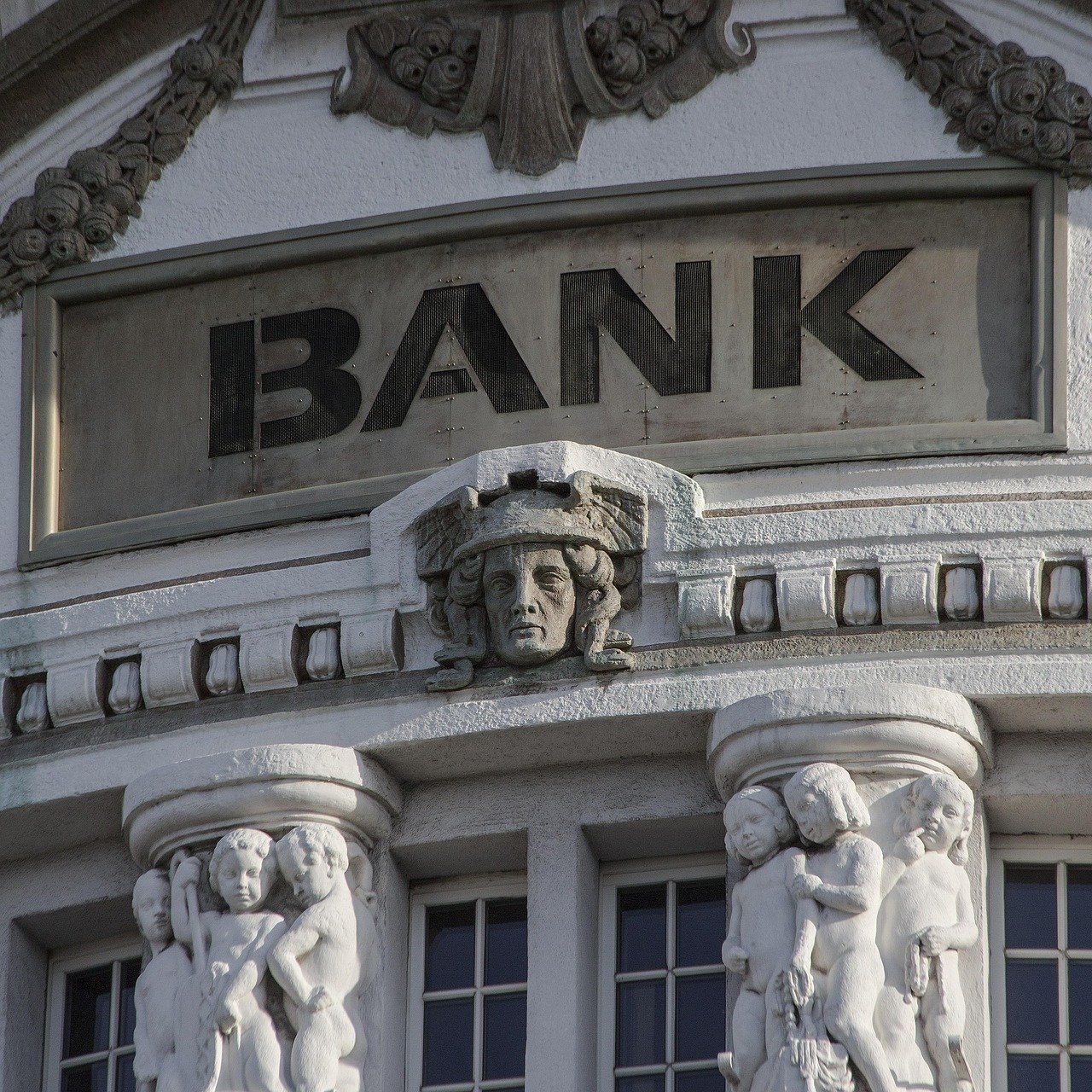
This week is poised to be one of the most consequential weeks for the crypto industry as the CLARITY ACT markup is set for May 14. However, last minute changes to the highly contested stablecoin yield compromise deal has come back into focus. A Bloomberg report has highlighted that six of the most influential and powerful banking trade groups in Washington sent a joint letter to the Senate Banking Committee on May 8 demanding that lawmakers remove any language relating to stablecoin rewards in the CLARITY ACT. The American Bankers Association, Bank Policy Institute, Consumer Bankers Association, Financial Services Forum, Independent Community Bankers of America and National Bankers Association all signed on. Their target is Section 404, the provision that governs how crypto platforms can incentivize stablecoin users.
The timing is what matters here because the crypto industry already accepted the deal. Over the course of four months of negotiations, Senator Thom Tillis and Angela Alsobrooks actually reached a compromise where passive yield on stablecoins were banned while still allowing activity-based rewards based on real usage of crypto platforms and networks. Right after the compromise text dropped on May 1, Coinbase CEO Brian Armstrong responded on X with “mark it up”.
As Cryptopolitan reported, the stablecoin yield arrangement has split the banking lobby, with institutions like Goldman Sachs, BNY and Morgan Stanley quietly breaking ranks to support the legislation. But the trade groups representing retail-facing banks are presenting a united front. Their letter argues the compromise language contains loopholes that would let crypto firms offer rewards based on account balances, tenure and duration, all of which they say amount to deposit interest dressed up differently. They want the phrase “economically or functionally equivalent” swapped for “substantially similar,” a much wider net that would catch virtually any incentive structure tied to holding stablecoins.
The White House Already Debunked the Deposit Flight Argument
The banking lobby’s core claim is that stablecoin rewards will trigger mass deposit flight and slash lending capacity. The numbers tell a different story. In April, the White House Council of Economic Advisers published a full analysis on this question. Their baseline model found that banning stablecoin yield entirely would boost bank lending by $2.1 billion, an increase of 0.02%. Community banks would see their lending rise by $500 million, or 0.026%. The net welfare cost of that ban came in at $800 million.
Even under the most extreme stress scenario, where the stablecoin market grows sixfold and the Fed abandons its existing monetary framework, the model produced a 4.4% lending increase. The CEA described those conditions as “highly unlikely.”
What Banks Are Actually Fighting
The deposit flight framing has served its purpose as a talking point, but the commercial math underneath is simpler. U.S. banks fund roughly 80% of their lending through customer deposits. The spread between what they pay depositors and what they charge borrowers is the single largest driver of profitability. Every dollar that moves from a checking account into a stablecoin wallet is a dollar of cheap funding gone. Platforms like Coinbase and Circle offering even modest activity-based rewards give users a reason to stay within a crypto-native ecosystem instead of parking cash in a bank account. That is a distribution problem, not a stability problem.
Your bank is using your money. You’re getting the scraps. Watch our free video on becoming your own bank
This articles is written by : Nermeen Nabil Khear Abdelmalak
All rights reserved to : USAGOLDMIES . www.usagoldmines.com
You can Enjoy surfing our website categories and read more content in many fields you may like .
Why USAGoldMines ?
USAGoldMines is a comprehensive website offering the latest in financial, crypto, and technical news. With specialized sections for each category, it provides readers with up-to-date market insights, investment trends, and technological advancements, making it a valuable resource for investors and enthusiasts in the fast-paced financial world.