
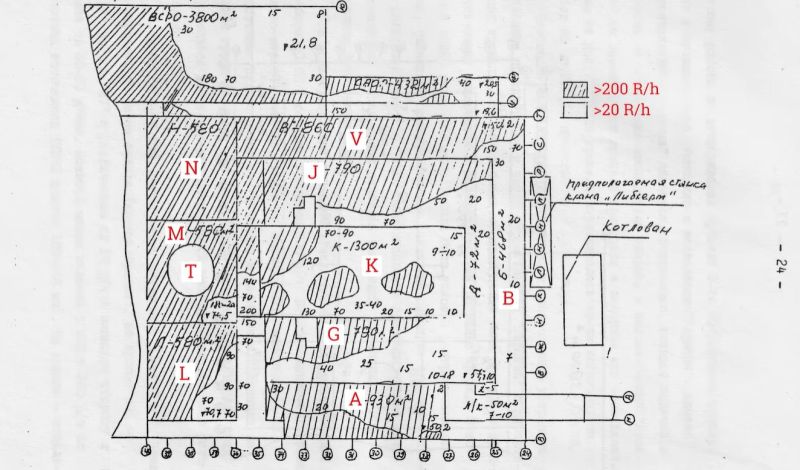
When the Chernobyl Nuclear Power Plant’s #4 reactor experienced an extreme criticality event on that infamous day in 1986, the resulting steam explosion and lack of any kind of containment building meant that parts of the core were scattered throughout the site. In an extensive update to the original 2023 video, the [Chornobyl Family] covers the mad scramble to design robots to perform on-the-ground measurements, and ultimately remove all this debris for safe disposal.
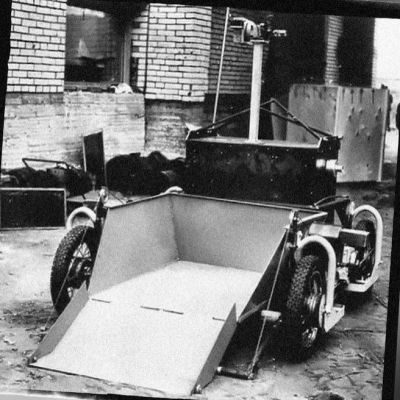
This essentially took the form of a hackathon, involving teams from all over the USSR and allied nations, creating the most diverse range of robots that 1980s Soviet technology and later Western technology could muster.
Many of these robots didn’t perform very well, or at all, mostly due to the bypassing of any kind of testing before deployment. Especially at the beginning of the clean-up the robots were being pushed into the high-radiation zones as soon as they were finished, with not only mechanical issues being a problem, but also with e.g. inaccurate radiation measurements by the RR-1 robot, that overstated measurements by more than a factor of ten. Meanwhile the RR-2 and RR-3 were too top-heavy and after deployment by helicopter simply tipped over. Eventually manual measurements proved to be faster and safer.
Early debris removal robots like the TR-1A were rather simplistic, with successive generations of robots over the next weeks and months improving on it. The use of a combustion engine instead of batteries provided to be a boon, as combustion engines are far less affected by radiation.
The BAER Beloyarets used an airport cart as the basis, with its electronics relying on vacuum tube technology and relays, with an internal combustion engine. This proved to be one of the most reliable designs and it’s been largely preserved on display in the Chornobyl Exclusion Zone, with many others of these robots also being on display around the nuclear plant or in the city of Chornobyl.
Overall an absolutely dizzying number of robotic designs were invented on the spot, adapted from existing designs or repurposed for operation in a high-radiation zone. Eventually bulldozer designs like the STR-1 helped to push radioactive debris off the roofs into containers, massively reducing the radioactive contamination of the area.
The fact that following #4’s RUD the other three RBMK units were able to keep operating safely without risks to its operators, and with the zone now safe for tourists, is a real testament to the success of the worst hackathon imaginable. Many of the lessons learned are relevant today, including during the decommissioning of Fukushima Daiichi’s melted-down cores.
This articles is written by : Nermeen Nabil Khear Abdelmalak
All rights reserved to : USAGOLDMIES . www.usagoldmines.com
You can Enjoy surfing our website categories and read more content in many fields you may like .
Why USAGoldMines ?
USAGoldMines is a comprehensive website offering the latest in financial, crypto, and technical news. With specialized sections for each category, it provides readers with up-to-date market insights, investment trends, and technological advancements, making it a valuable resource for investors and enthusiasts in the fast-paced financial world.