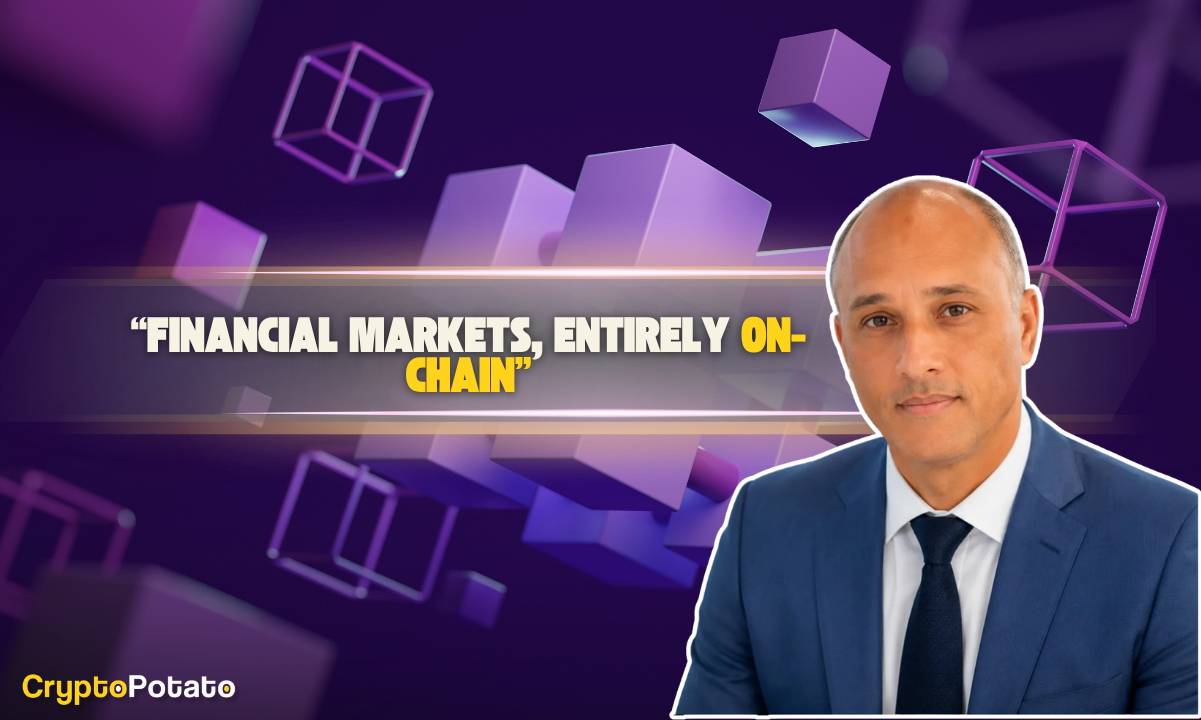
Institutional crypto adoption is entering a new phase – one that is defined a lot less by passive exposure and more by direct participation in on-chain market formation, tokenized assets, and real-time settlement infrastructure.
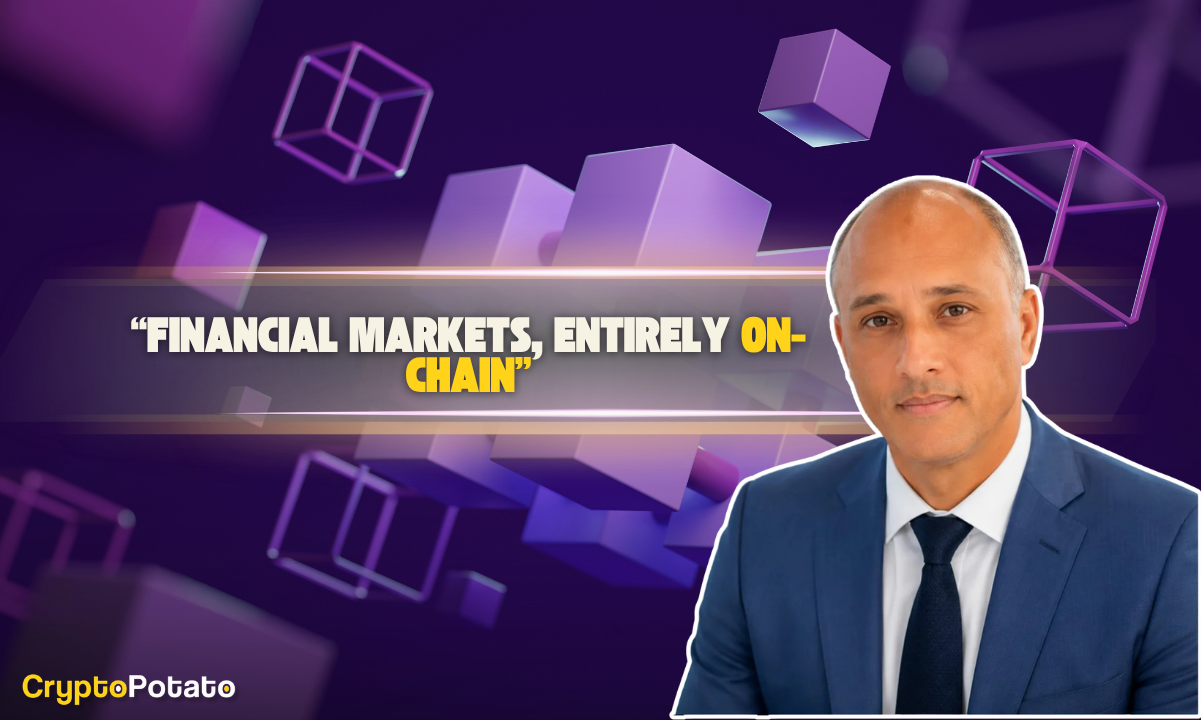
In the following interview with the new Managing Director of Crypto.com, Iskandar Vanblarcum, we discuss the forces that drive that shift, the barriers still holding institutions back, and why real-world assets (RWAs), collateral utility, and regulated prediction markets could reshape the global financial landscape as we know it.
You’ve said the next era of finance will be “rebuilt on-chain.” From your conversations with institutional clients, what has changed most in their attitude toward digital assets over the past 12–18 months?
This is a pivotal moment for institutional involvement in the digital assets space. What’s changed in the last 12- 18 months is the steady maturation of our industry, alongside the development of specific and focused regulation governing the sector. Attitudes are also changing as more institutions recognize the value of blockchain technology and cryptocurrencies, and how their portfolios and businesses can benefit from reduced friction, faster settlement, 24/7 access, deep liquidity, and ultra-low-latency infrastructure, just to name a few.
Institutional adoption of crypto has often been framed around Bitcoin exposure, ETFs, or custody. Are we now entering a phase where institutions are looking more seriously at on-chain market infrastructure itself, rather than just crypto as an asset class?
Yes, this is an interesting shift that we’re seeing. We are witnessing a deep, structural integration where institutions are moving away from simply gaining passive price exposure to actively utilizing decentralized infrastructure. This is evident as institutions integrate tokenized real-world assets, like BlackRock’s BUIDL, directly as active trading collateral. Firms are also adopting real-time blockchain settlement networks, such as Lynq, to optimize capital efficiency through “Yield-in-Transit” technology. Additionally, traditional banks like Nedbank are utilizing blockchain rails to create resilient, low-cost cross-border payment ecosystems. Ultimately, the distinction between traditional assets and digital infrastructure is disappearing as institutions leverage blockchain’s 24/7 programmability to rewire legacy markets.
What are the main barriers still preventing larger institutions from increasing their allocation or activity in digital assets: regulation, liquidity, counterparty risk, internal mandates, reputational concerns, or something else?
Institutions demand a high regulatory standard of operation and strict security and compliance frameworks. There are still challenges around fragmented global regulatory frameworks and the legal classification of certain products, which may be holding some investors back. We have spent years building and investing in an institutional-grade platform, but institutions will also need to invest heavily in specialized infrastructure to manage evolving compliance standards and technological vulnerabilities before they can build trust and deploy capital safely.
Crypto.com has highlighted real-world asset offerings as part of your remit. Which categories of tokenized RWAs do you believe have the strongest near-term institutional demand: money-market funds, bonds, equities, commodities, private credit, or something else?
We are laser-focused on the Exchange’s Real-World Asset offerings. This is a key area for the industry right now, and offering BUIDL-as-collateral was an important milestone. The next play is perpetual markets on real-world exposures like equities, commodities, metals, and pre-IPO names, offering all of this 24/7 on-chain and backed by institutional-grade infrastructure. The Crypto.com Exchange is well on its way to delivering on this, and I’m looking forward to spearheading the development of these products and services even further.
Tokenized RWAs are often described as a bridge between traditional finance and crypto. In practical terms, what do institutions need from an exchange venue before they are comfortable trading, using, or posting tokenized assets as collateral?
As an institutional-grade exchange, you have to offer a combination of compliant, industry-leading product offerings, unparalleled security, robust infrastructure, solid custody services, and strong banking partnerships globally for on- and off-ramps. All asset classes—including equities, commodities, bonds, funds, art, and real estate—will progressively be tokenized on the blockchain. Bringing these assets on-chain directly resolves legacy market inefficiencies by unlocking 24/7 tradability, rapid real-time settlement, lower transaction costs, and enhanced global liquidity. But you have to have the foundational infrastructure in place to handle the levels of Institutional capital that are flowing into tokenized assets.
Crypto.com recently integrated BlackRock’s tokenized fund BUIDL as collateral for margin trading, according to the appointment announcement. How important is collateral utility in making tokenized assets institutionally relevant, rather than simply tokenized versions of existing products?
This was a landmark moment that perfectly illustrates the rapid convergence of traditional finance and digital assets. It signals a definitive shift toward a future where financial markets operate entirely on-chain, transforming how capital is managed and deployed. It’s a testament to the growing demand for tokenized securities and proves that the future of finance will be defined by the programmability, speed, and 24/7 nature of digital infrastructure. The integration serves as a blueprint for how TradFi asset issuers like BlackRock can effectively merge with regulated centralized crypto platforms like Crypto.com and decentralized on-chain access to create a more efficient financial system.
Your new role also includes expanding regulated prediction markets and event contracts. What makes these products attractive to institutional clients, and how do you see them fitting alongside traditional derivatives, macro-hedging tools, or portfolio risk strategies?
Prediction markets are quickly becoming one of the most in-demand financial instruments and can serve as an alternative way to trade and offset risk for institutional investors. We are where derivatives were in the 1980s – institutional capital knows they belong in the portfolio, and they are looking for a regulated, secure platform to access these contracts. This is where the opportunity lies for the Crypto.com Exchange. For example, Crypto.com was the first major crypto platform globally to secure a full stack of U.S. CFTC derivatives licenses – and prediction markets in the U.S. come firmly within CFTC oversight. You combine compliant products, security, access to collateral and custody services, on top of deep liquidity and other financial services, all in one platform, and this is a really attractive offer to those institutions looking to use a reputable and established brand for their entry into the event contracts space.
The post Crypto.com’s Managing Director: Institutions Are Moving Beyond Bitcoin to Rewire Finance On-Chain (Interview) appeared first on CryptoPotato.
Crypto.com Managing Director Iskandar Vanblarcum says institutions are moving beyond passive crypto exposure, embracing tokenized collateral, 24/7 settlement, and prediction markets as blockchain infrastructure begins to reshape traditional finance. Crypto News, Interviews, BlackRock, Crypto.com, Real World Assets (RWA)
This articles is written by : Nermeen Nabil Khear Abdelmalak
All rights reserved to : USAGOLDMIES . www.usagoldmines.com
You can Enjoy surfing our website categories and read more content in many fields you may like .
Why USAGoldMines ?
USAGoldMines is a comprehensive website offering the latest in financial, crypto, and technical news. With specialized sections for each category, it provides readers with up-to-date market insights, investment trends, and technological advancements, making it a valuable resource for investors and enthusiasts in the fast-paced financial world.