In a recent social media thread, Microsoft veterans Brad Silverberg, Joe Belfiore, and Dave Plummer shared a few anecdotes and clarifications about how the taskbar became part of Windows.
The taskbar, first introduced with Windows 95, allowed users to keep track of multiple active programs simultaneously, making it one of the highlight features of the cutting-edge operating system.
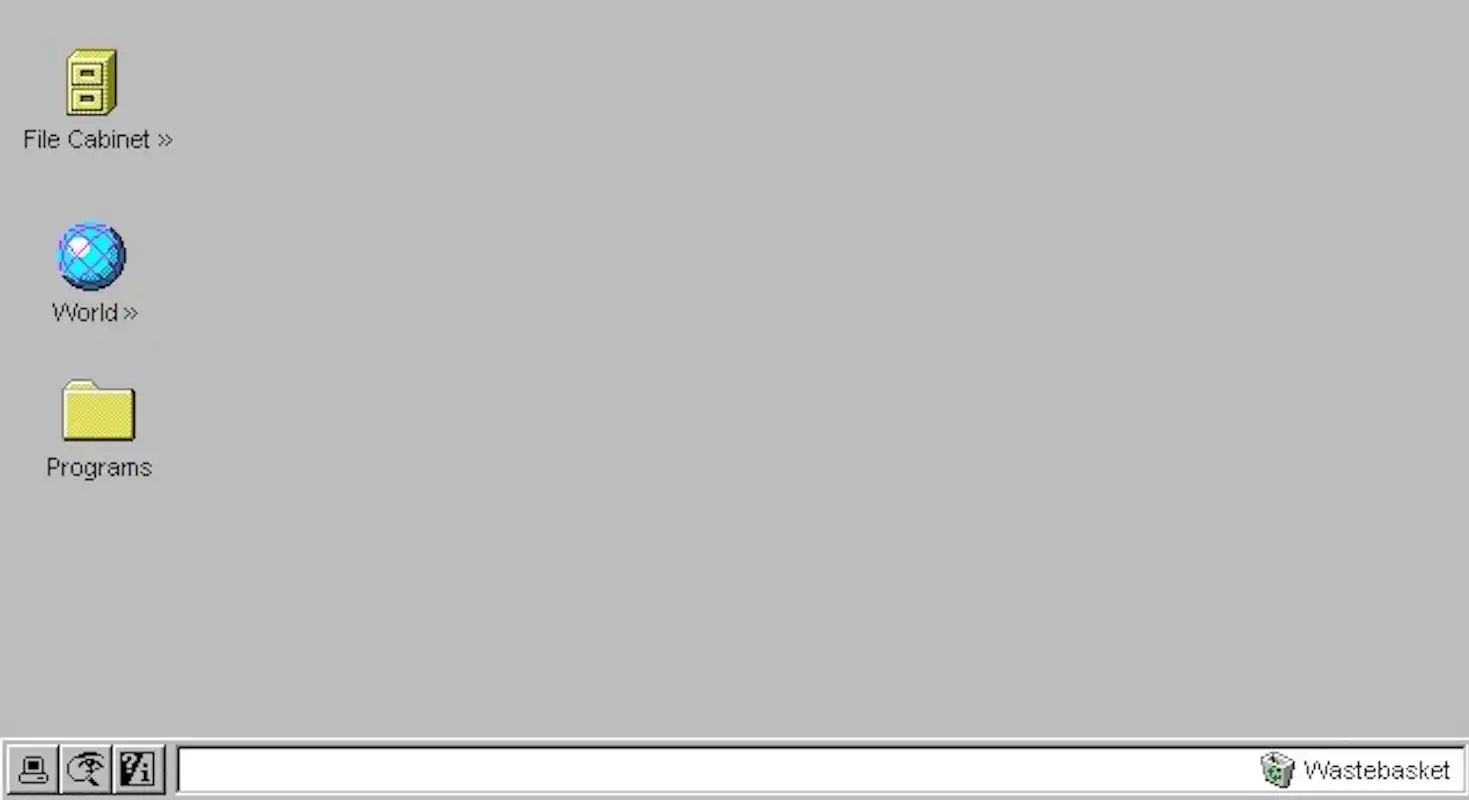
But the foundation for the Windows taskbar was laid in “Cairo,” a Microsoft project launched back in 1991. In Cairo, “fields” were located at the bottom of the screen and were always visible. In developing the Windows 95 taskbar, the Cairo design was combined with a feature from Windows 3.1 that was used to minimize windows.
A similar concept to the Windows taskbar appeared even earlier in 1988, in the NeXTSTEP operating system for Steve Jobs’s NeXT computers, so many assumed the inspiration came from there. However, according to Microsoft veterans, this wasn’t the case. (The NeXTSTEP solution actually went on to become the direct precursor to macOS’s Dock.)
Over the years, the taskbar in Windows has evolved quite a bit. However, the most criticized change occurred in 2021 with the advent of Windows 11, which fixed the taskbar to the center of the bottom edge and removed the ability to reposition it. Users hated the lack of customization so much that Microsoft recently brought that taskbar feature back.
This articles is written by : Nermeen Nabil Khear Abdelmalak
All rights reserved to : USAGOLDMIES . www.usagoldmines.com
You can Enjoy surfing our website categories and read more content in many fields you may like .
Why USAGoldMines ?
USAGoldMines is a comprehensive website offering the latest in financial, crypto, and technical news. With specialized sections for each category, it provides readers with up-to-date market insights, investment trends, and technological advancements, making it a valuable resource for investors and enthusiasts in the fast-paced financial world.