
With this week’s console release of Grand Theft Auto VI, the internet is once again debating whether or not gaming at 30 frames per second is acceptable in modern times. Hell, there are plenty of people (including several on staff at PCWorld) who are dead-set on waiting for a PC release to unlock higher frame rates. And I’ve seen far too many forum threads full of high-and-mighty PC gamers turning their noses up at console peasants for accepting “subpar” performance.
Well, here’s the thing: I’m absolutely fine playing GTA VI on console at a smoooooooth 30 because it’s doing something that I’ve always appreciated about bleeding edge games — it’s pushing the boundaries of available hardware. And in the case of GTA VI it’s pushing the boundaries for normal gamers, not just the elite.
Welcome to The Full Nerd newsletter—your weekly dose of hardware talk from the enthusiasts at PCWorld. Missed the surprising topics on our YouTube podcast or the latest news from across the web? You’re in the right place.
Want this newsletter to come directly to your inbox? Sign up on our website!
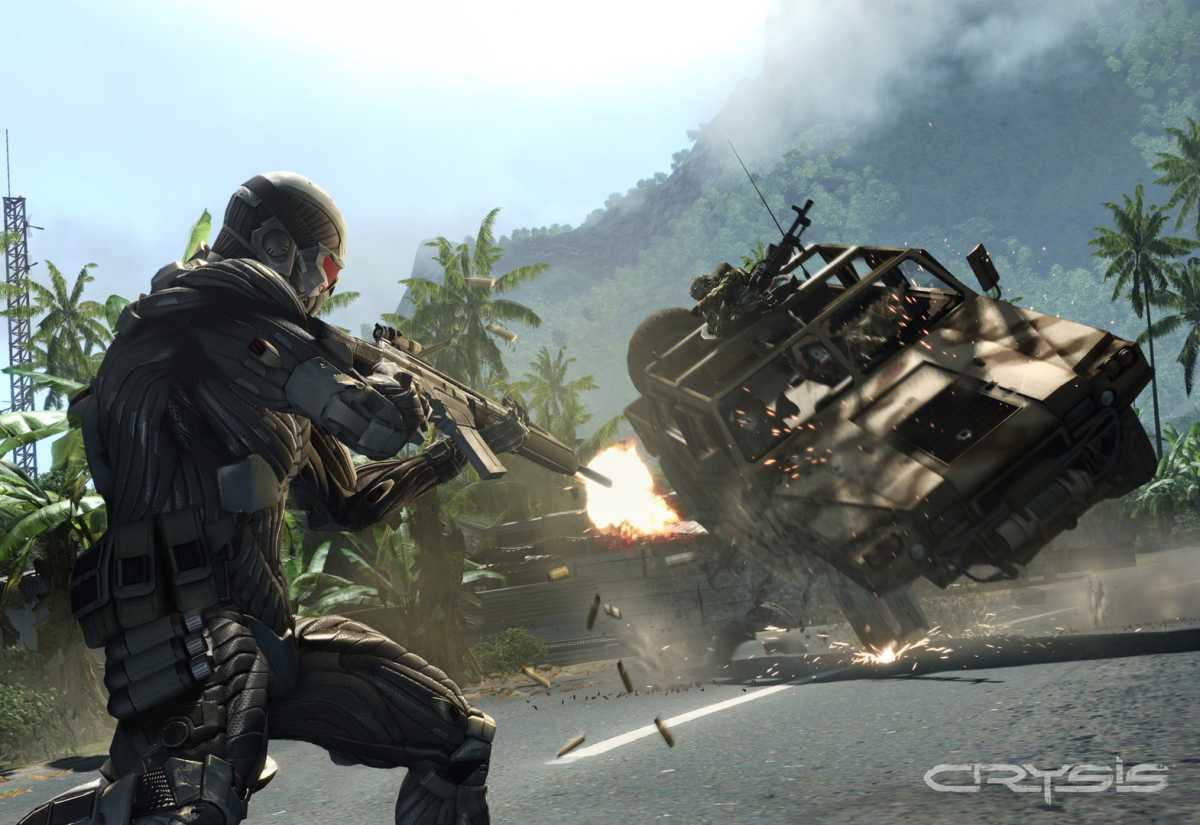
I started following the PC gaming scene (and the late, great Gordon Mah Ung) around 2007, at a time when Crysis dominated the discourse. Everyone was absolutely losing their mind at the level of detail in the game. It was a badge of pride that the game was so demanding that it melted even the best GPU of it’s day: the Nvidia GeForce 8800 GTX. On top of that, the graphics were so intense and the gameplay so precise that the thought of Crysis running on a console just didn’t make sense.
That game, and others like DOOM 3, pushed hardware forward in ways we simply don’t see anymore. These experiences were limited to the small few who could afford high end computers, rather than the wider console audience, and it gave people something to aspire to.
Electronic Arts
PC gamers who had high end rigs were able to gloat over their console friends, and they felt justified in sitting atop the gaming food chain. Not me though. My computer at the time was a budget-ass eMachine and all I could do was listen to the guys on GFW Radio and Maximum PC’s No BS Podcast wax poetically about what it was like to play such generation-defining games, with a dream that one day I could have a PC powerful enough to experience it myself. By the time I actually built my first PC, it was equipped with a GeForce GTX 460 that still wasn’t able to play Crysis the way it was meant to be experienced — but I could at least try!
I remember it being choppy as hell, and yet I still loved it.
We lived in a different era. Even though PC gaming was a very expensive hobby, back in those days the idea of hitting 30fps on a 1280×1024 monitor at high settings was commonplace. This was partly because tentpole games pushed the boundaries of what the hardware was capable of, introducing new technologies that had tangible benefits. Transport back in time to the Maximum PC offices and try to turn up your nose at sub-60 frame rates and you’d probably get laughed out of the room for being a snob. Yes, there were plenty of 60fps experiences to be had at the time but low framerates were more widely accepted, especially as we moved into the Xbox 360 era.
But in today’s day and age, sub-60 frame rates are routinely mocked and ridiculed, and somehow that’s just become normal in PC gaming spheres. Yes, we’re starting to hit walls of diminishing returns when it comes to visual technology, and yes, high refresh rate monitors are cheap and ubiquitous, and yes, everyone understands that “frames win games,” but I think we should still be celebrating achievements that push new boundaries, not mocking people who get to experience it.
Grand Theft Auto has become such a monstrous series in it’s own right, and what Rockstar achieved in GTA VI on relatively outdated hardware (modern consoles have AMD’s older Zen 2 and RDNA 2 architectures inside) deserves to be applauded. This might be the first time someone will get a chance to experience full ray-traced global illumination (or ray-traced shadows if they have a PS5 Pro), for example — a technology that makes a monumental impact to real-time lighting and is well worth the performance trade-off.
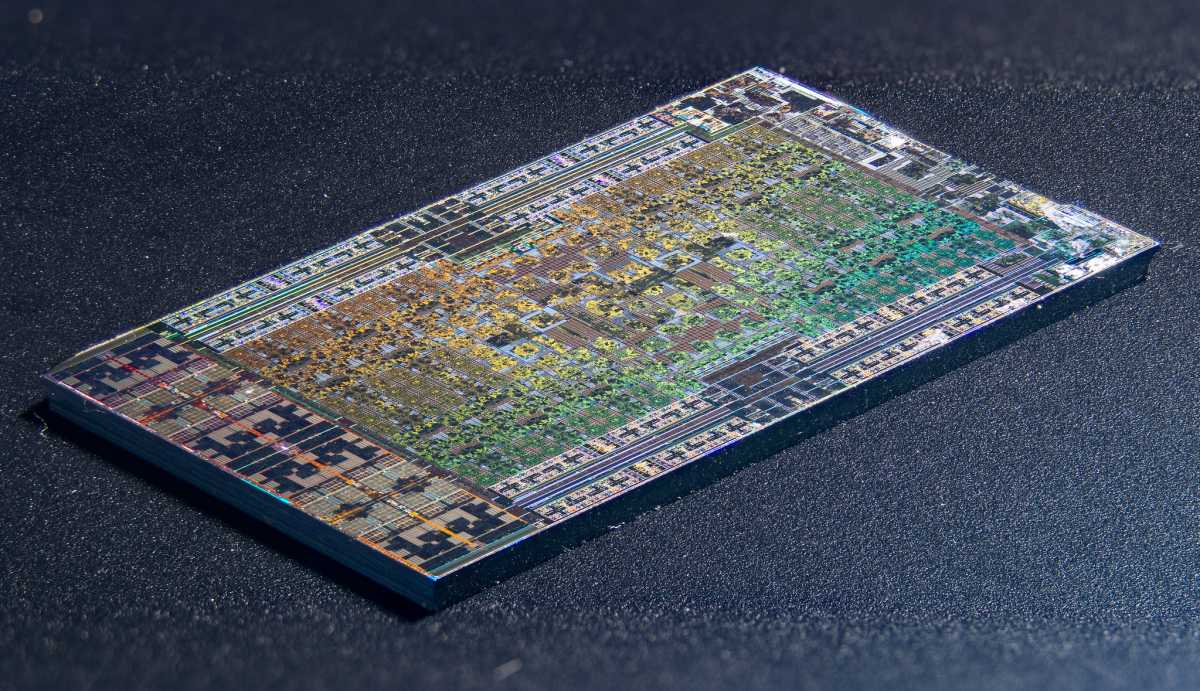
I get that some people aren’t able to tell the difference between rasterized and ray-traced lighting effects, so the “benefit” isn’t as apparent as things like destructible environments were in Crysis. I also understand that it’s hard to be excited about upgrading your PC just to play GTA VI when the RAM apocalypse has made everything unaffordable and unobtainable. But I watched Digital Foundry’s GTA VI tech review and found myself so amazed at what Rockstar was able to pull off that it excites me for what console users get to experience.
Now, don’t get me wrong: There are plenty of games and features that are being released that don’t warrant their poor performance (Monster Hunter Wilds, I’m looking at you). But Grand Theft Auto VI is a showcase of what the latest technology can do. That’s worth celebrating, not getting upset over.
So while it would have been more fun to have GTA VI target PC first and harken back to the days when console owners were left wanting, I still appreciate that there are games that can come along and show people just how magical bleeding-edge technology can be. And because GTA VI targets console first, it means this experience isn’t gated off for the lucky few who have the money to spend on a high-end PC in 2026.
Luckily, gaming is more diverse than ever, and we can even enjoy massive open-world games on handhelds like the Steam Deck, where 30fps is perfectly acceptable and nobody bats an eye!
Around The Full Nerd Network
In this week’s episode of The Full Nerd podcast I was joined by analyst Dr. Ian Cutress of TechTechPotato and More Than Moore fame. He helped break down what Nvidia’s future might look like without Jensen Huang, why Arm CEO Rene Haas might be a good replacement CEO for gamers, how Chinese memory manufactures factor into the DRAM crisis, and much more.

Adam Patrick Murray
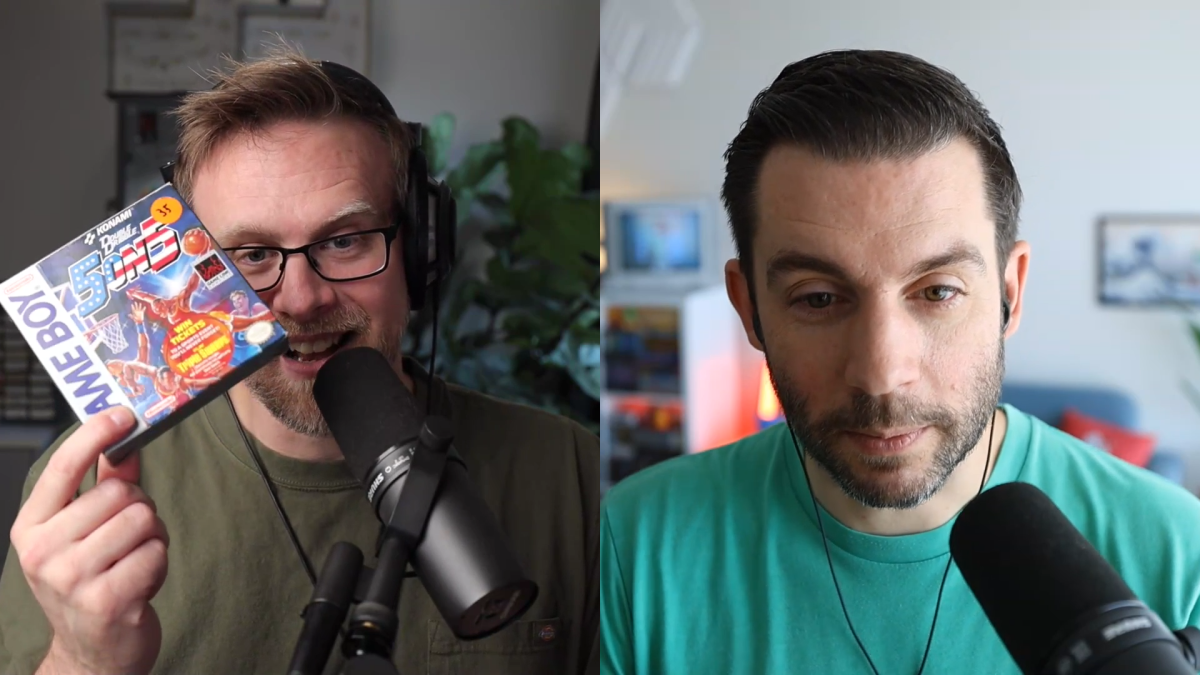
In this week’s episode of Expedition: Handheld, Russ and I talk about how the new Konkr Pocket Block fits into the vertical handheld space, Russ’ shock that Xbox 360 emulation worked so well on the AYN Odin 3 Portal, and the CIB Game Boy game I picked up at a local gaming swap meet.
Adam Patrick Murray
Topics that didn’t make the cut
Here is some nerdy news we didn’t get to on a podcast, but I think you’d be interested in regardless!
- Nvidia does not intend to reinstate Jensen as CEO: Board chairman Harvey Jones stated during this week’s earnings call that “the Nvidia board unanimously accepted his resignation and does not intend to reinstate Jensen as CEO.” The earnings call happened after this week’s episode went live so it wasn’t covered in the show, but it falls in line with recent reporting around the hunt for a new CEO. This does not rule out his return entirely of course, more wild things have happened, but with
- Xbox next-gen chief Jason Ronald says that Project Helix is a console first: Microsoft draws a line in the sand in the company’s new 25th anniversary magazine by stating “It is not a PC that can also play console games.” The ROG Xbox Ally has “fundamentally informed and altered” how a future console should behave, which makes sense because most console users aren’t interested in managing driver updates, and it will have its own interface. At the end of the day I think Microsoft can sugar coat it all it wants, it feels like it’s chasing SteamOS in many ways, and whether they can nail the execution or not is going to be a major factor.
- The Flipper One is now live on Kickstarter: and it’s a standalone Linux computer that looks to be a powerful little gadget (non-derogatory). It doesn’t replace the popular Flipper Zero, but rather offers IP-connected features versus the Zero’s offline point-to-point protocols. That means it features Wi-Fi 6E, a 5G modem, a gigabit ethernet port and so much more. And of course it offers upgrade options up the wazoo thanks to it’s GPIO module support and M.2 port. It’s a tinkerers paradise that starts at $400, and the Kickstarter has blown past it’s initial goal of $300k at over $12 million at the time of this writing.
- Sam Altman now says he wants people to have a lot of DRAM: Right Sam, right…
- I’m furious that I love Nvidia’s RTX Spark so much: …and Brad has some thoughts about Sam, RTX Spark, and the complex whirlwind of emotions he’s feeling about Nvidia’s debut PC CPUs.
This newsletter is dedicated to the memory of Gordon Mah Ung, founder and host of The Full Nerd, and executive editor of hardware at PCWorld.
This articles is written by : Nermeen Nabil Khear Abdelmalak
All rights reserved to : USAGOLDMIES . www.usagoldmines.com
You can Enjoy surfing our website categories and read more content in many fields you may like .
Why USAGoldMines ?
USAGoldMines is a comprehensive website offering the latest in financial, crypto, and technical news. With specialized sections for each category, it provides readers with up-to-date market insights, investment trends, and technological advancements, making it a valuable resource for investors and enthusiasts in the fast-paced financial world.