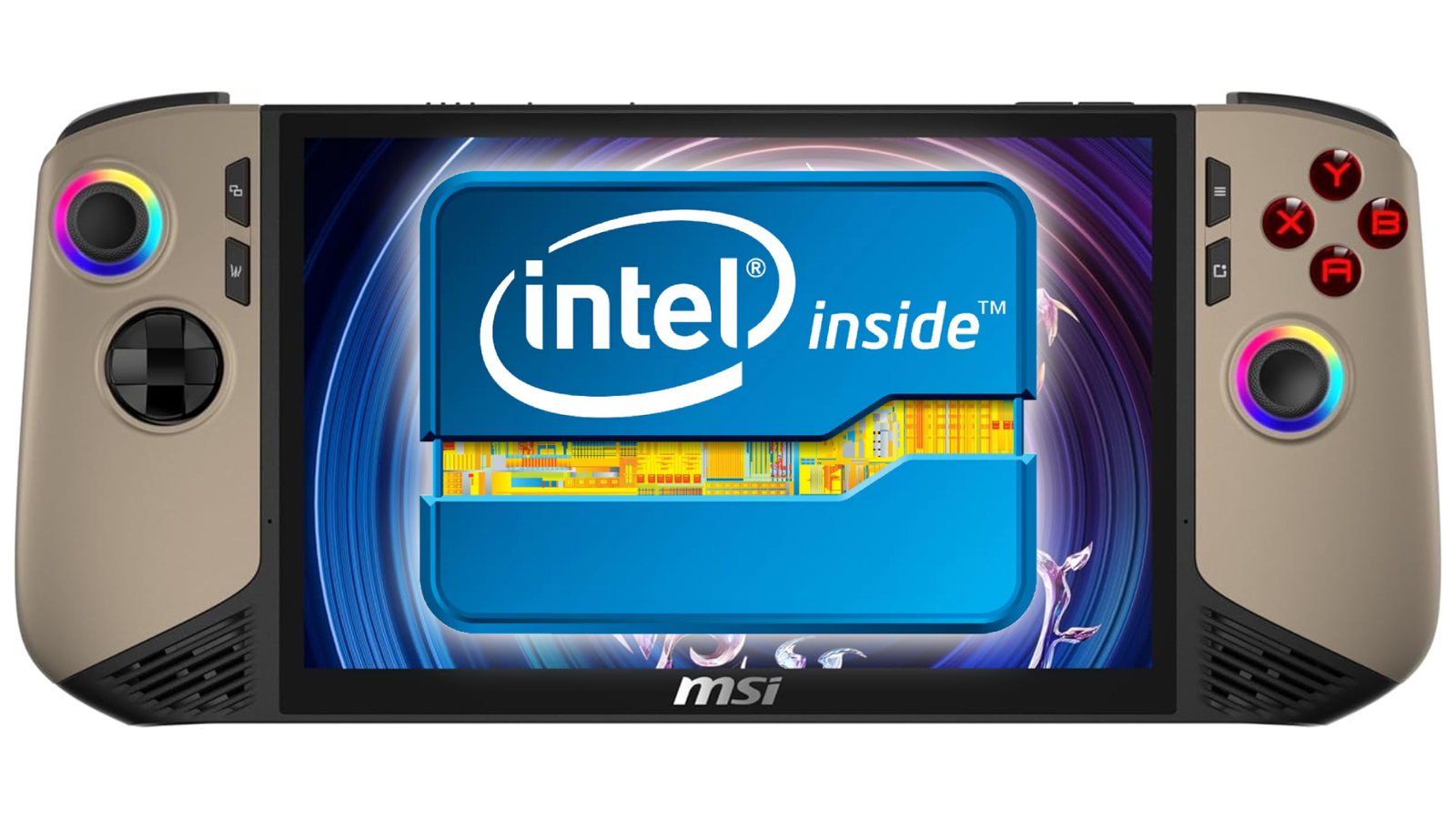
It’s been four years and change since Valve shook things up with the Steam Deck. In all that time, nearly every single competitor and alternative handheld gaming PC has used an AMD chip. MSI is the only exception, and even it has an AMD alternate model. At Computex 2026, Intel is finally ready to play for real with the Intel Arc G3—it’s just a shame that now is the worst possible time to do so.
AMD’s dominance in this area makes a lot of sense. For a long time, its combined APU platform offered shockingly good integrated graphics for laptops—not enough to unseat a gaming laptop with a dedicated GPU, but enough to play most 3D games with some compromise. The Zen 2 platform (with a few custom tweaks) was perfect for Valve’s own-brand handheld, especially since its efficiency got a boost from the Linux-powered SteamOS. A year later, Asus tapped AMD for more custom chips and the Ryzen Z family debuted, now seen in the ROG Ally, Legion Go, MSI Claw A8, and a few other less notable options.
The Ryzen Z and Z2 series are basically just laptop chips with a bit of extra tuning. They use integrated graphics—good integrated graphics, but still nowhere near a mid-range gaming laptop, so there’s nothing stopping a manufacturer from designing a handheld around an Intel laptop chip, which is what MSI did with the original Claw. A few smaller manufacturers did too, like this OneXPlayer with a Core Ultra 7 chip. But AMD offered chips designed with handhelds in mind first.
Intel
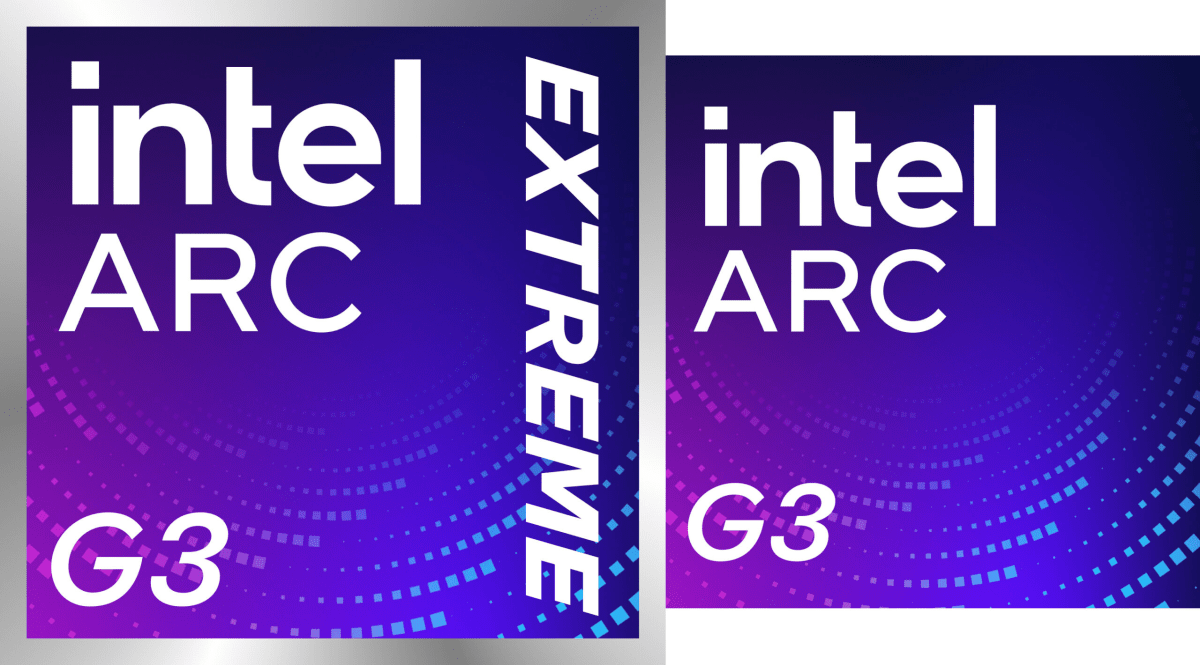
Enter the Arc G3, an Intel CPU that dumps the “Core” branding in favor of a name previously reserved for Intel’s graphics cards and iGPUs. This is a “purpose-built SoC” based on the Ultra Series 3 (Panther Lake) that Intel was teasing back at CES in January. In the Arc G3 Extreme variant, you get a 12-core design (two performance, eight efficiency, four low-power efficiency) with integrated graphics that allegedly match the Arc B390 graphics seen in other Panther Lake chips, which are pretty dang good. The non-Extreme version of the chip steps down to B370 graphics.
Those are still integrated graphics systems, like those in the Ryzen Z series, but initial testing is promising. Based on the B390 graphics in an early Asus Panther Lake laptop, you can expect an Arc G3 Extreme chip to perform better at gaming than previous Intel integrated Arc graphics and AMD’s Radeon 890M integrated setup, which is approximately what goes into the Ryzen Z2 Extreme seen on the most powerful AMD handhelds. Both are still beaten by a relatively modest RTX 5050 laptop GPU, but for gaming on the go and breaking through some of the limitations of the aging Steam Deck, it’s an admirable step up.
Speaking of the Steam Deck, it now starts at almost $800. You’re not getting a Ryzen Z2 handheld for anywhere near that price, with the strange exception of the ROG Xbox Ally.
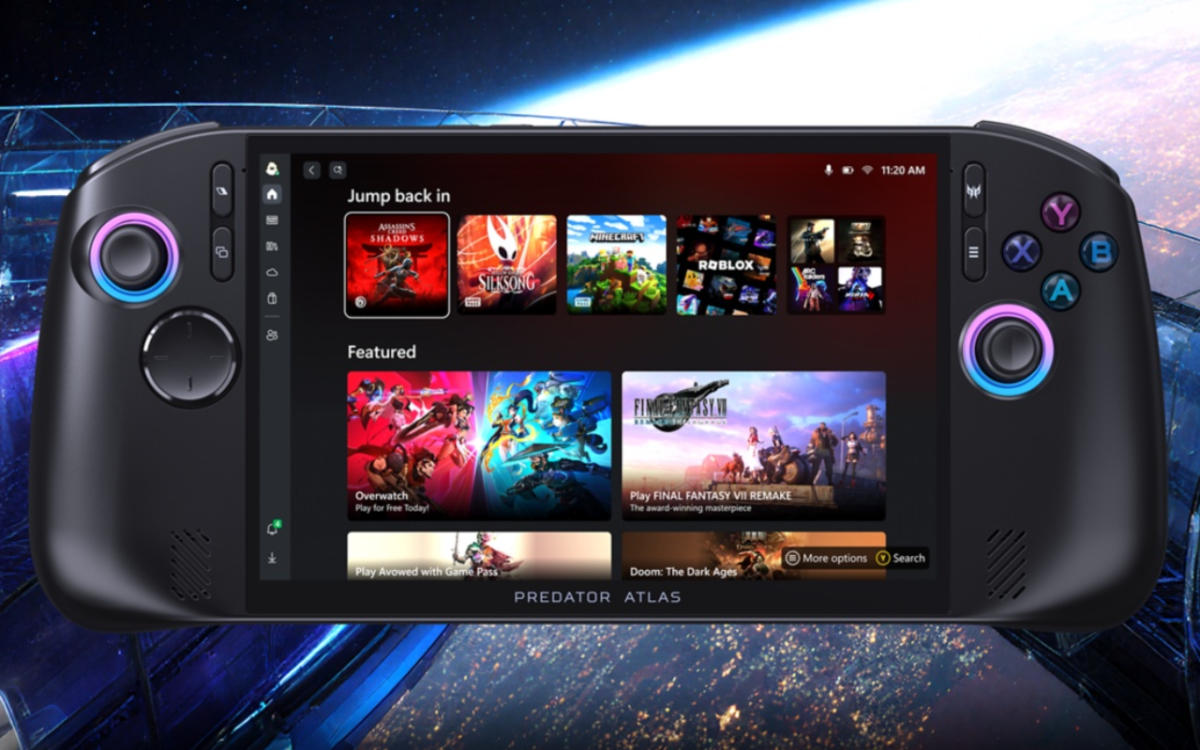
Yeah, here’s where I rain on Intel’s parade. Thanks to increases in RAM and storage costs, laptop prices are skyrocketing. If the new Intel-powered handhelds are based on Core Ultra 3-class processors, you’re not going to find one cheaper than about $1,200, at least at sticker price. (That’s an educated guess from me, by the way. The new Predator Atlas 8 isn’t arriving until October, and Acer is predictably terrified of committing to a retail price right now.)
Acer
If you’re already into four figures for a gaming handheld, how many people will choose this over, say, a gaming laptop with a far more powerful discrete graphics card? What you lose in portability, you gain in wider options—for both gaming and otherwise because it’s, you know, a laptop. If I were a high school grad, I’d want a handheld but I’d need a laptop… and I might be able to get a relatively inexpensive RTX 5050 laptop and a Switch 2 for the price of an Arc G3 handheld alone.
There are some who are willing to spend a huge amount of money on PC gaming handhelds despite their limitations, but they’re a much rarer breed than the number of people who were charmed by a $400 Steam Deck in 2022. Intel was working on these new Arc CPUs last year, and probably couldn’t have predicted the consumer nightmare we’re living in right now. But the reality is unfortunate, nonetheless.
Intel and Qualcomm are trying to bring laptop prices down, but their new budget chips won’t do anything for gaming handhelds, which need pricey RAM to share between system and integrated GPU. I suppose it’s technically possible to build a handheld with a bottom-of-the-barrel Wildcat chip, but it would only be powerful enough to play 2D games. At that point you might as well just clip a controller to your phone.
We have real competition in handheld PC chips now, just in time for them to be so unaffordable that they’re flirting with total irrelevancy. Hooray.
This articles is written by : Nermeen Nabil Khear Abdelmalak
All rights reserved to : USAGOLDMIES . www.usagoldmines.com
You can Enjoy surfing our website categories and read more content in many fields you may like .
Why USAGoldMines ?
USAGoldMines is a comprehensive website offering the latest in financial, crypto, and technical news. With specialized sections for each category, it provides readers with up-to-date market insights, investment trends, and technological advancements, making it a valuable resource for investors and enthusiasts in the fast-paced financial world.