I’m a child of the DSLR era. Back in 2009, when I truly decided to make photography my career, if you wanted to be taken seriously as a digital pro, you had to have your eyes set on a high-end DSLR camera. My first love (creatively speaking) was a Nikon D80, then a Canon EOS 40D, at the time considered to be amongst the best DSLRs available, at least for enthusiasts.
However, it was the likes of the Canon EOS 1Ds Mark III and the Nikon D3 – the photographic equivalents of Concorde – that most aspiring professionals sought to own. These monster cameras were often as useful for weight training as for photography, and they looked as powerful as they did expensive.
Today, things are very different, and rather than bigger often being seen as better, the mirrorless age has reversed the formula. Compact is now king, and even professional-level cameras are a fraction of the weight of the mid-range models of yesteryear. Cameras have never been more powerful: armed with the latest in processor and autofocus technology, models like the Canon EOS R1 are able to capture images that would once have been considered impossible.
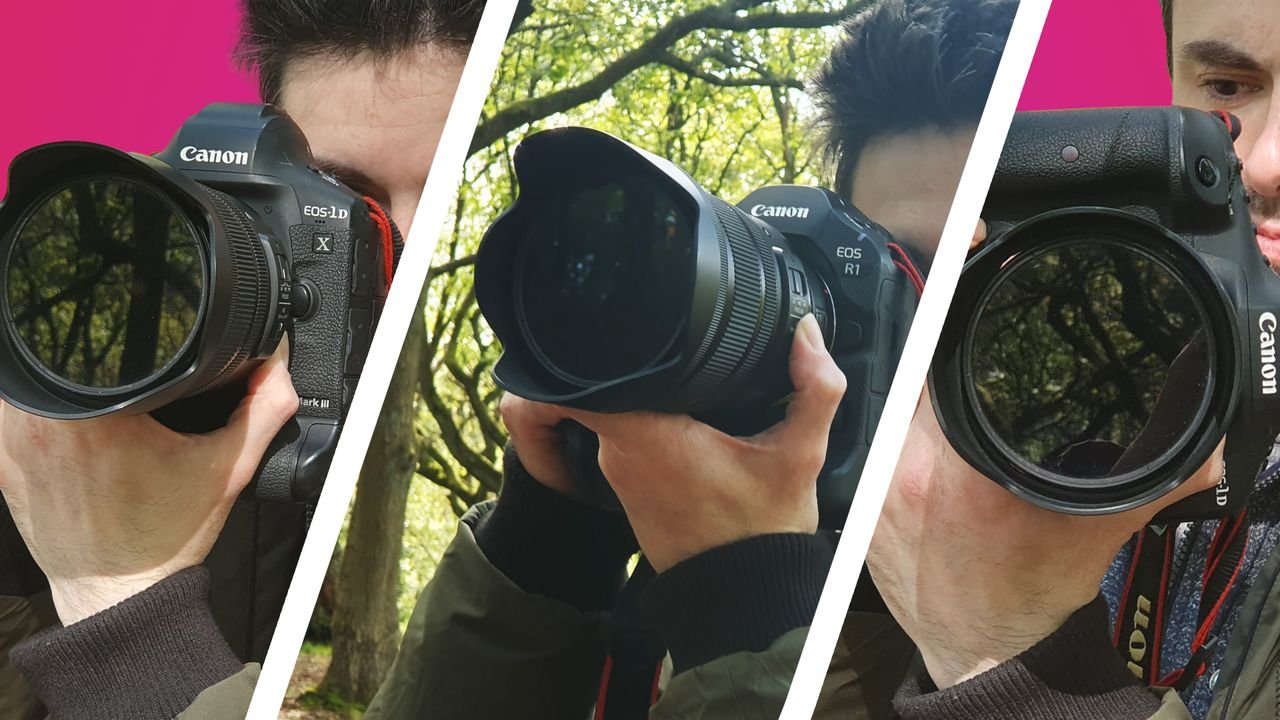
I recently had the opportunity to shoot the EOS R1 alongside the Canon EOS 1DX Mark III, bringing together the very best of each generation of Canon cameras. DSLR versus mirrorless.
The 1DX Mark III was the last pro Canon DSLR to roll off the production line, and it is still available to buy new today, despite being launched back in early 2020. But in digital terms, seven years is a long time, so can it hope to keep up with the new pinnacle of mirrorless tech?
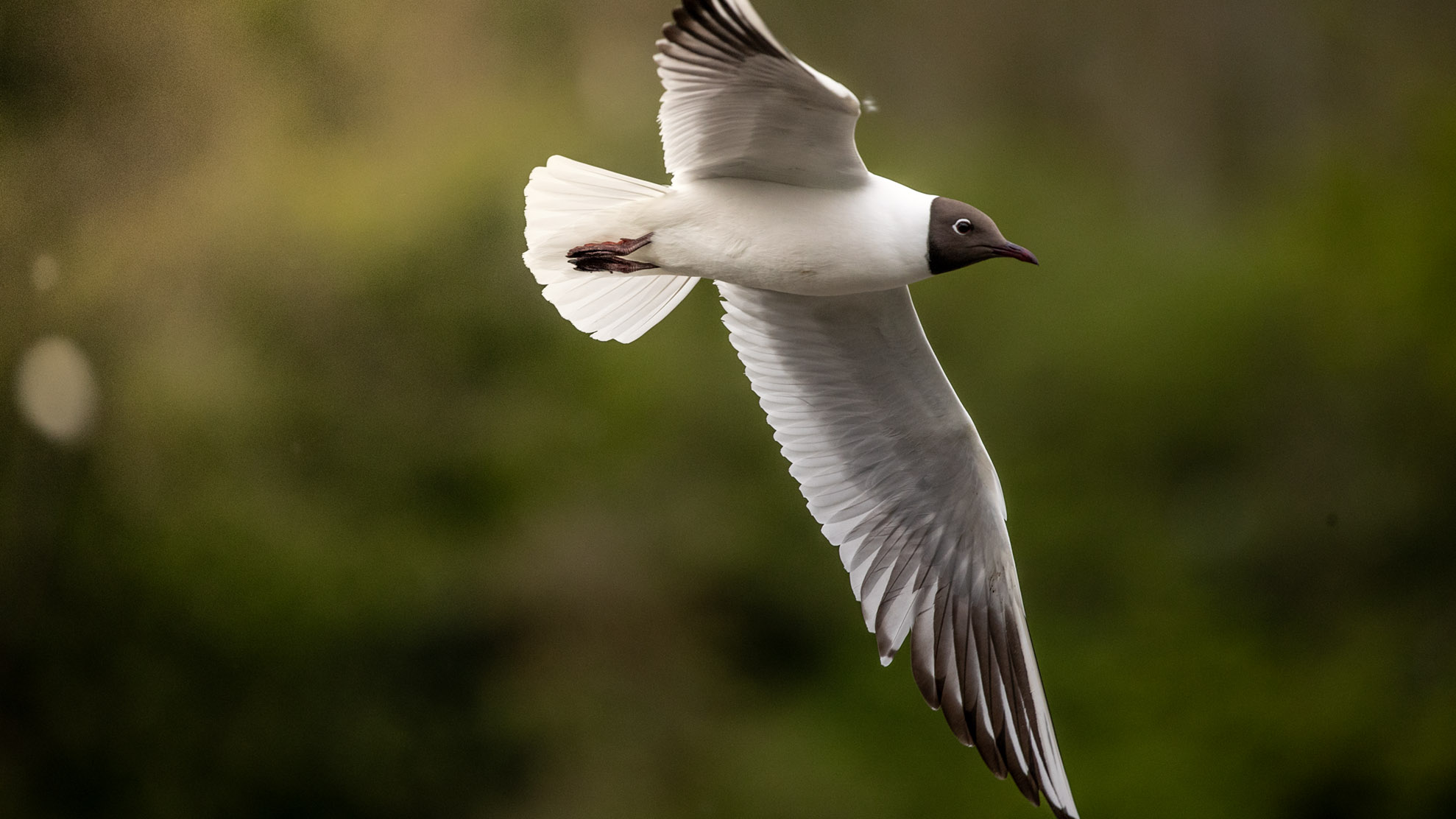
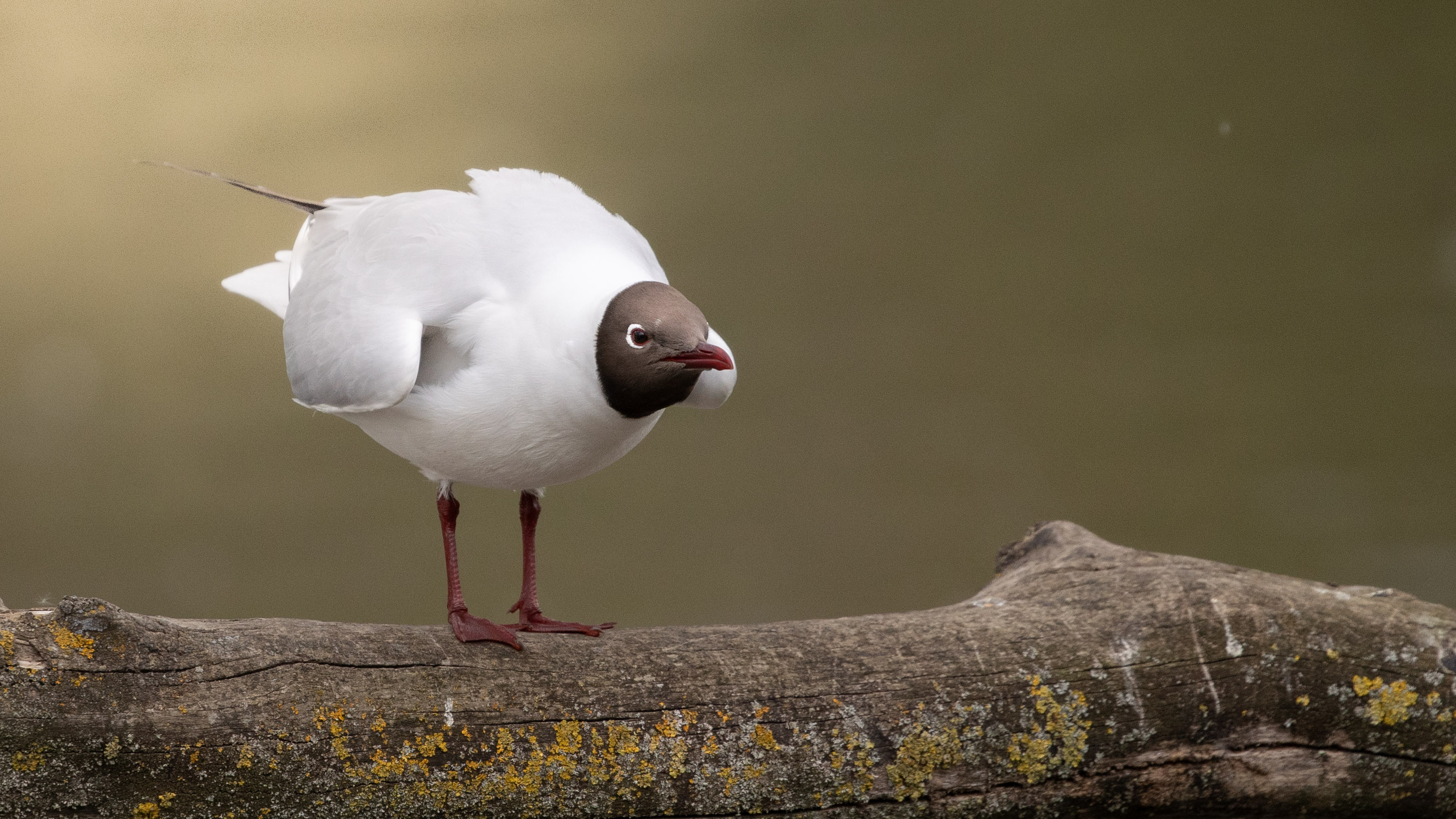
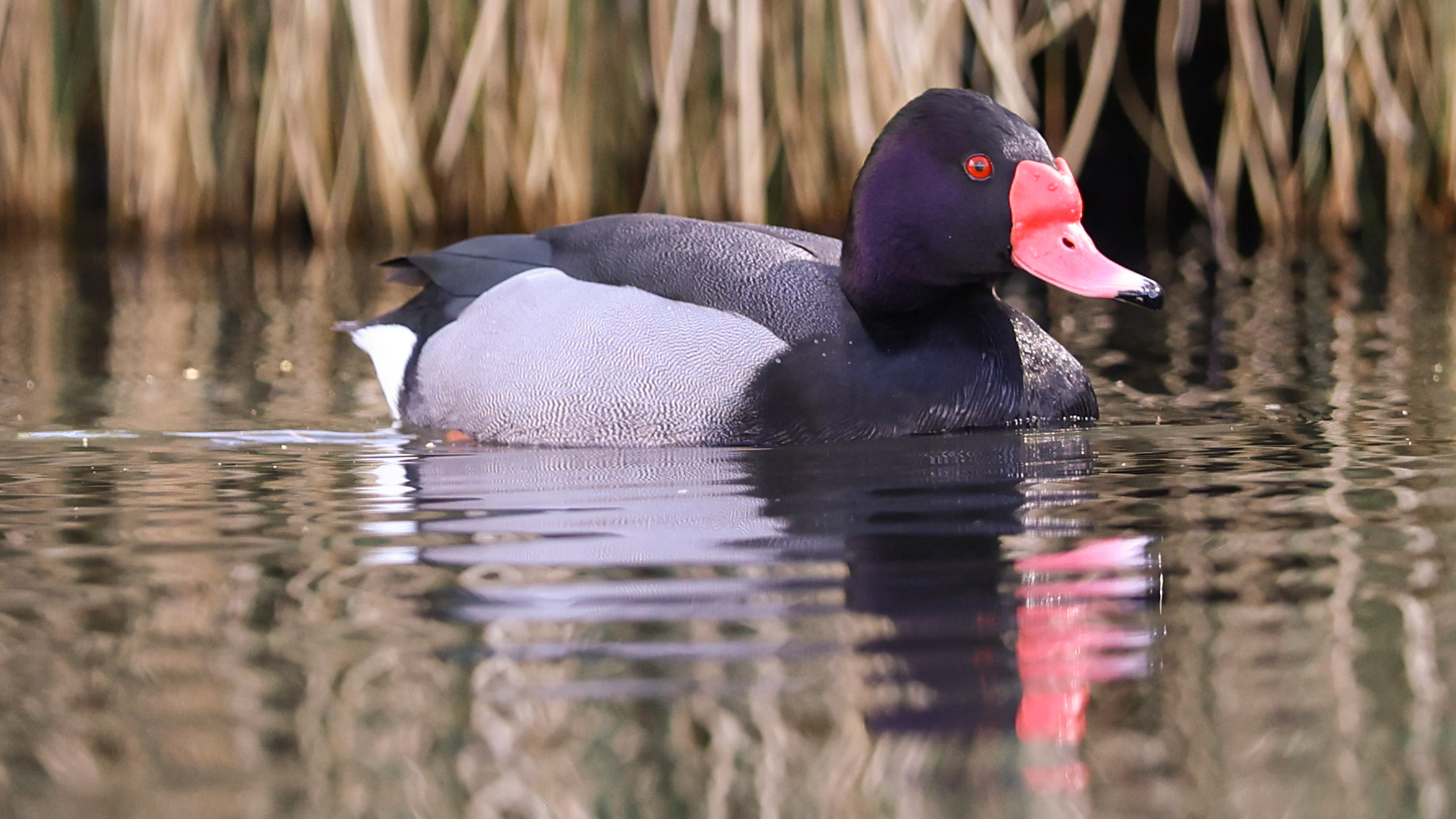
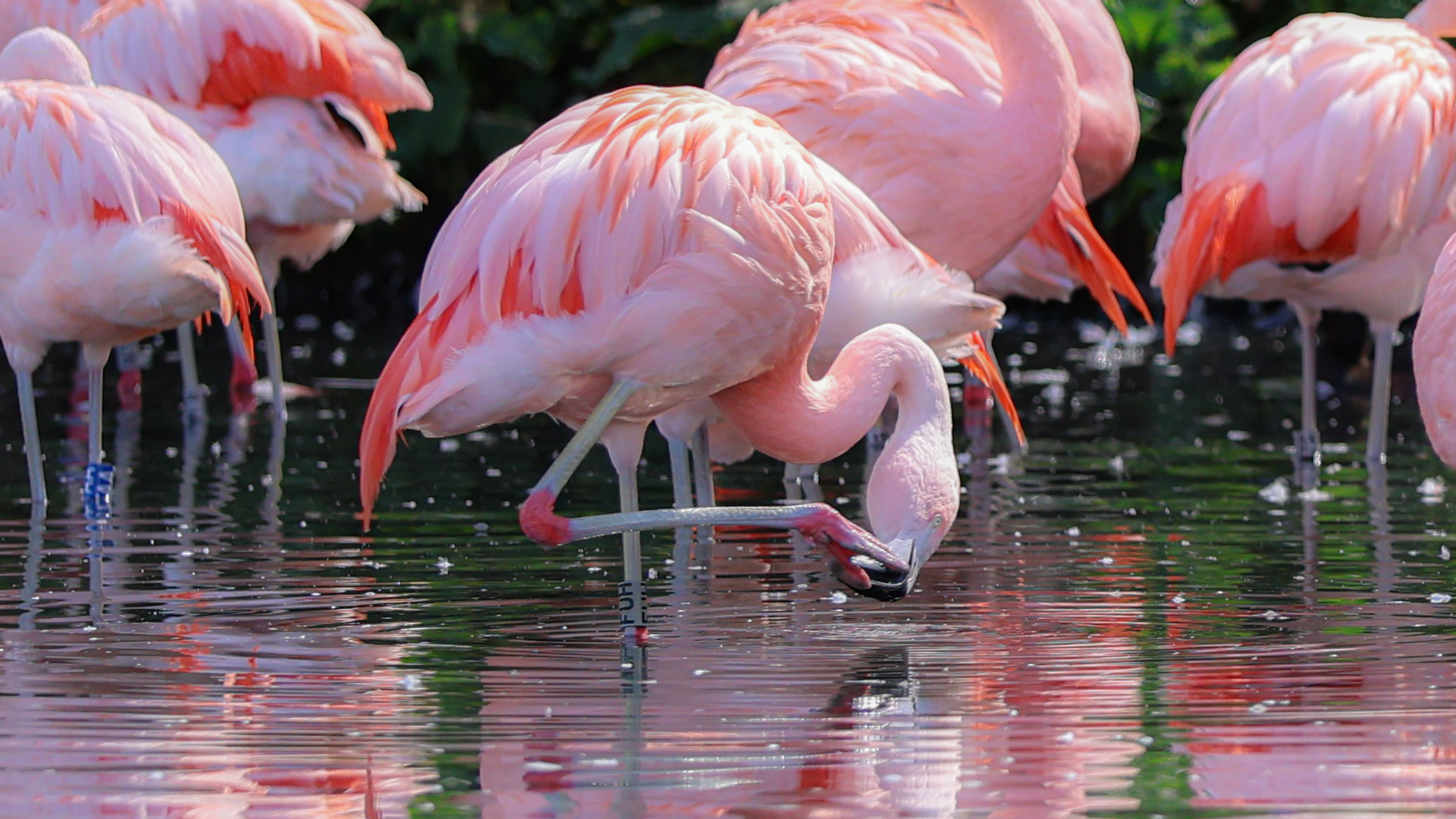
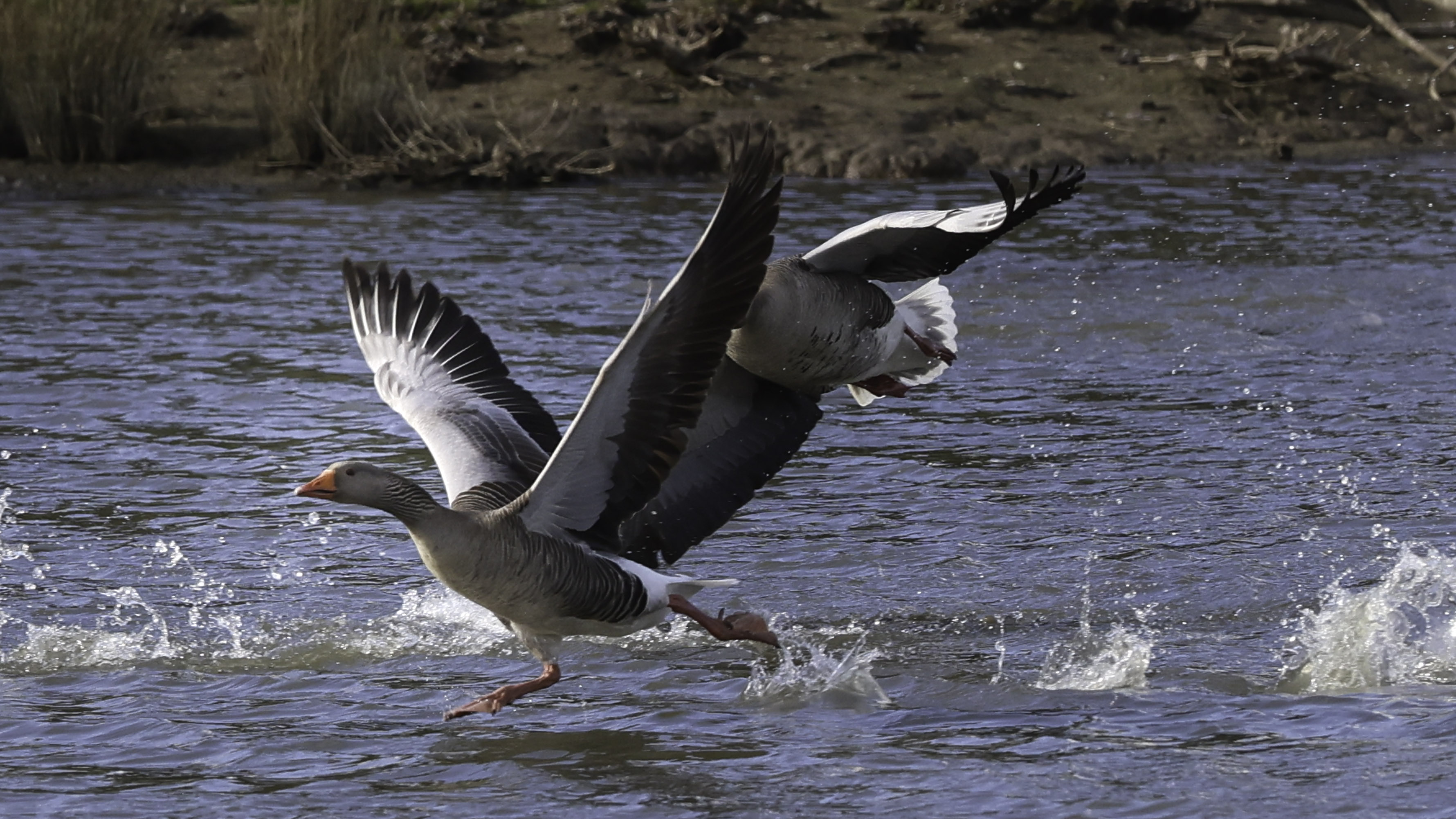
Well, I couldn’t wait to find out, and I had a sneaking suspicion that specification alone wouldn’t be enough to change my mind about DSLRs being as relevant today as at the turn of the decade. To make the test as tricky as possible, I headed out for a spot of bird photography – arguably one of the biggest challenges for a camera’s speed and accuracy.
A pro camera for the modern age
There’s no denying it; the EOS R1 is a lot more manageable than the EOS 1DX Mark III. At 3.17lb / 1,440g, the DSLR is approximately 325g heavier than the mirrorless alternative, which might not sound much on paper, but it makes a significant real-world difference.
The body of the EOS R1 is also a lot narrower, which helps to give the impression of a less intimidating product. Using either of the cameras individually, they both seem large compared to other mirrorless models like the Canon EOS R6 Mark III, Sony A7 V, or Nikon Z6 III. However, the weight of the EOS 1DX Mark III wasn’t quite as much of a challenge as I remember.
Having used mid-range DSLRs and mirrorless cameras for several years now, I had expected the mammoth 1DX Mark III pro-spec body to put my core strength to the test, but I was pleasantly surprised by how quickly I acclimatized. Paired with a 24-70mm f/2.8 lens, the setup was certainly noticeable around my neck, but it felt perfectly balanced. The EOS R1, meanwhile, seemed a bit more front-heavy when a larger lens was mounted, the center of gravity having shifted forward.
I quickly came to realise that balance was the biggest influence on comfort rather than overall weight. When a larger, heavier optic is required, I found the 1DX Mark III to be the better choice for me. This balance also made the setup more stable when shooting fast-moving subjects.
For example, when photographing birds in motion, it seemed easier to track the subject thanks to the camera and lens’ inertia. It’s a bit like having the tension on a tripod control turned up; smoother movements were possible, allowing me to keep my feathered subject in the viewfinder.
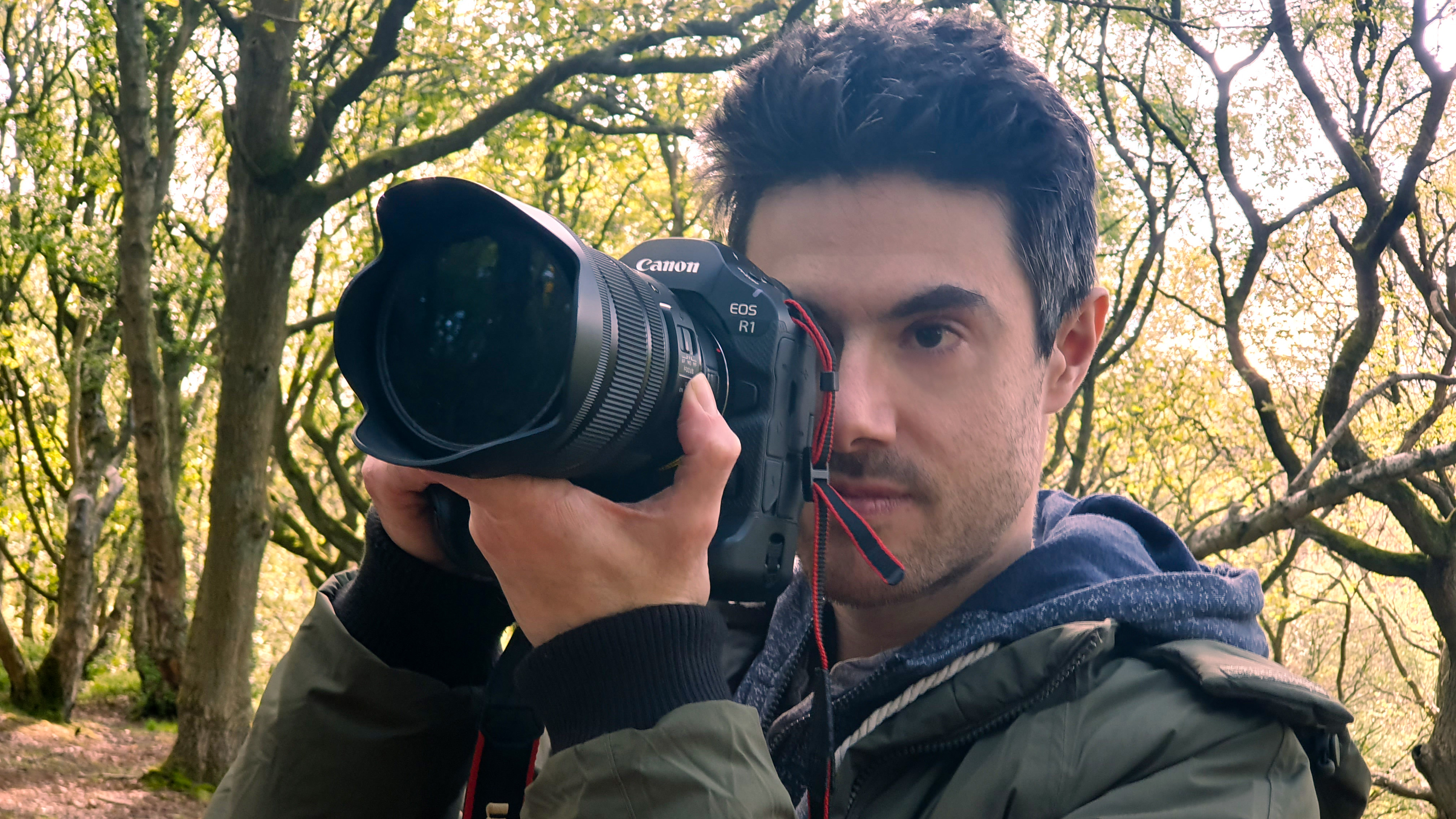
Of course, overall manageability is helped when pairing the mirrorless body with a mirrorless-first lens. Once I attached a Canon RF 100-500mm f/4.5-7.1L IS USM zoom to the EOS R1, rather than an adapted EF 70-200mm f/2.8L IS III USM or EF 100-400mm f/4.5-5.6L IS II USM, the center of gravity was shifted back towards the lens mount, restoring balance at an overall lower weight.
From a convenience perspective, the EOS R1 is a professional camera for the modern photographer. The weight of one camera might not fully demonstrate the mirrorless advantages, but since many pros will find themselves carrying two or possibly even three bodies, the EOS R1 will surely take a lower toll on the spine than the EOS 1DX Mark III over a full working day.
Handling like a dream
Let’s talk about something that can never be fully described in a camera’s press material or spec sheet: what the body actually feels like to operate. One aspect of a pro DSLR I’ve missed in recent years is an integrated vertical grip for portrait-format shooting.
Yes, it’s possible to add a battery grip to either a DSLR or mirrorless body – I always kept a Canon BG-E7 grip attached to my EOS 7D, while the BG-R20 can add power to an EOS R5 Mark II through holding multiple Canon LP-E6P batteries, alongside dedicated vertical controls – but the handling isn’t quite the same.
And while the EOS R1 and EOS R3 before it bring an integrated vertical grip, the balance still feels a little off to me. The deeper grips of the 1D Series were inherited from the later film SLRs, such as the EOS 1v and the beautiful EOS 3, and as such, they were designed to support the huge fast telephoto lenses of that era.
Therefore, the body of the 1DX Mark III is more contoured and properly gives the impression that the camera is an extension of the photographer’s arm – a big deal for fast-paced wildlife and sport photography.
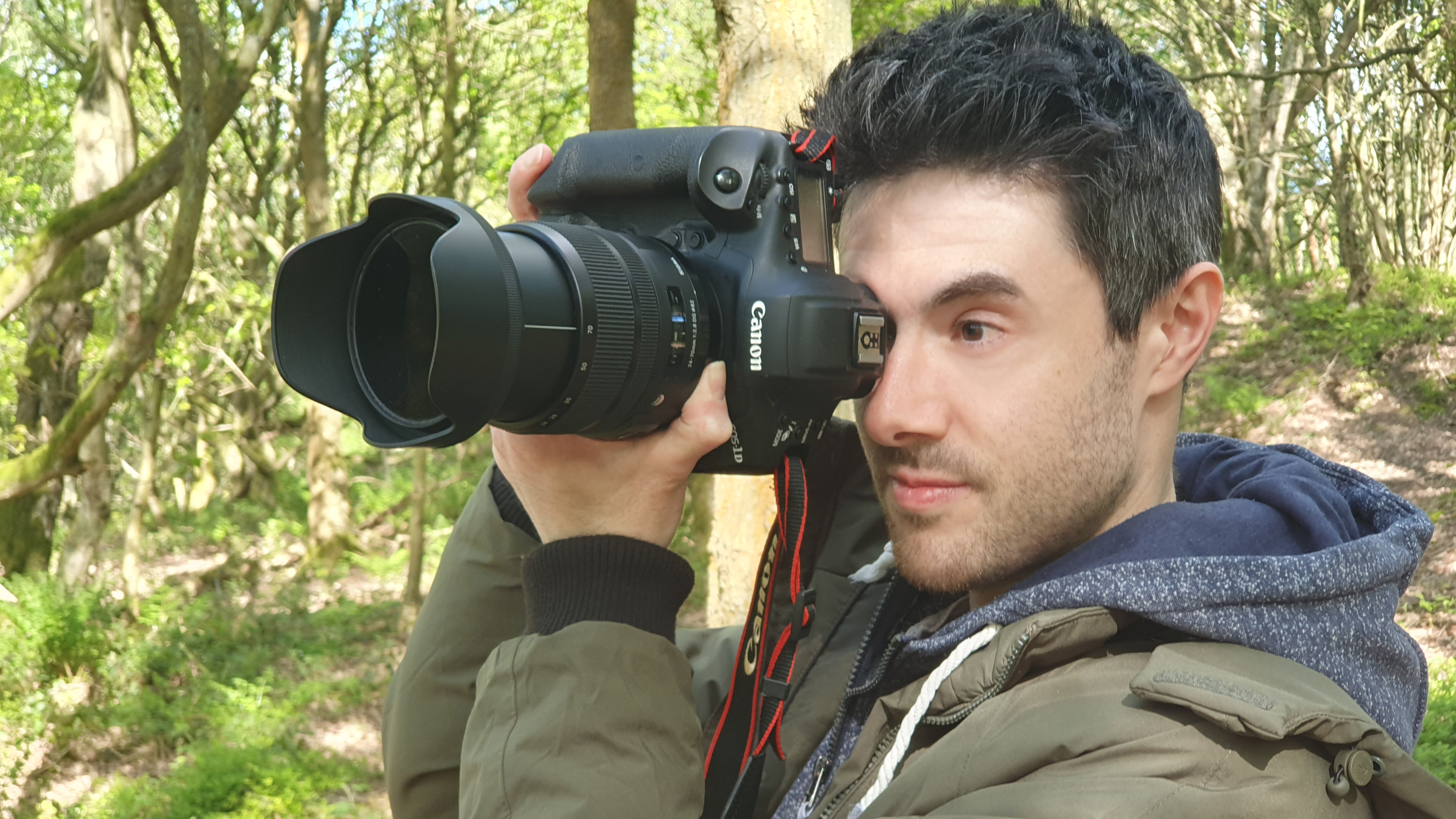
Then there’s the build quality itself. Although the EOS R1 and other pro-spec mirrorless cameras like it are as robust as their DSLR predecessors on paper, the greater use of high-impact plastics does cheapen the overall feel. Now, I realise that perception might play a role in that aspect of the handling experience, but when you have invested tens of thousands of dollars in your kit, and when shooting important assignments, confidence is critical.
The 1DX Mark III, with its predominantly metal construction, just oozes quality and solidity. I was far more confident when caught out in a spring rain shower with the DSLR than the lighterweight but less metal-reliant EOS R1.
A race that DSLRs can’t win
Technology advances a long way in a short time, and seven years is more than enough time for a revolution to occur in autofocus, processing power, and operational reactivity. The EOS R1 is fast. Very fast. The EOS 1DX Mark III is obviously no slouch, but it simply can’t keep up with the latest Canon tech.
In practise, this means fewer missed shots, greater sharpness, and above all, better reliability on tough jobs. I’m not a professional wildlife photographer, so I haven’t developed the muscle memory needed for completely instinctive reactions when a possible image presents itself, as is the case for the top pros in this genre.
With the EOS R1, I felt as if the camera was taking on a much bigger role in my success rate than its older DSLR counterpart. When I did predict a super-fast reaction from my subjects, it was the EOS R1 I reached for more regularly. I just knew it would be able to track my subject in almost any conditions.

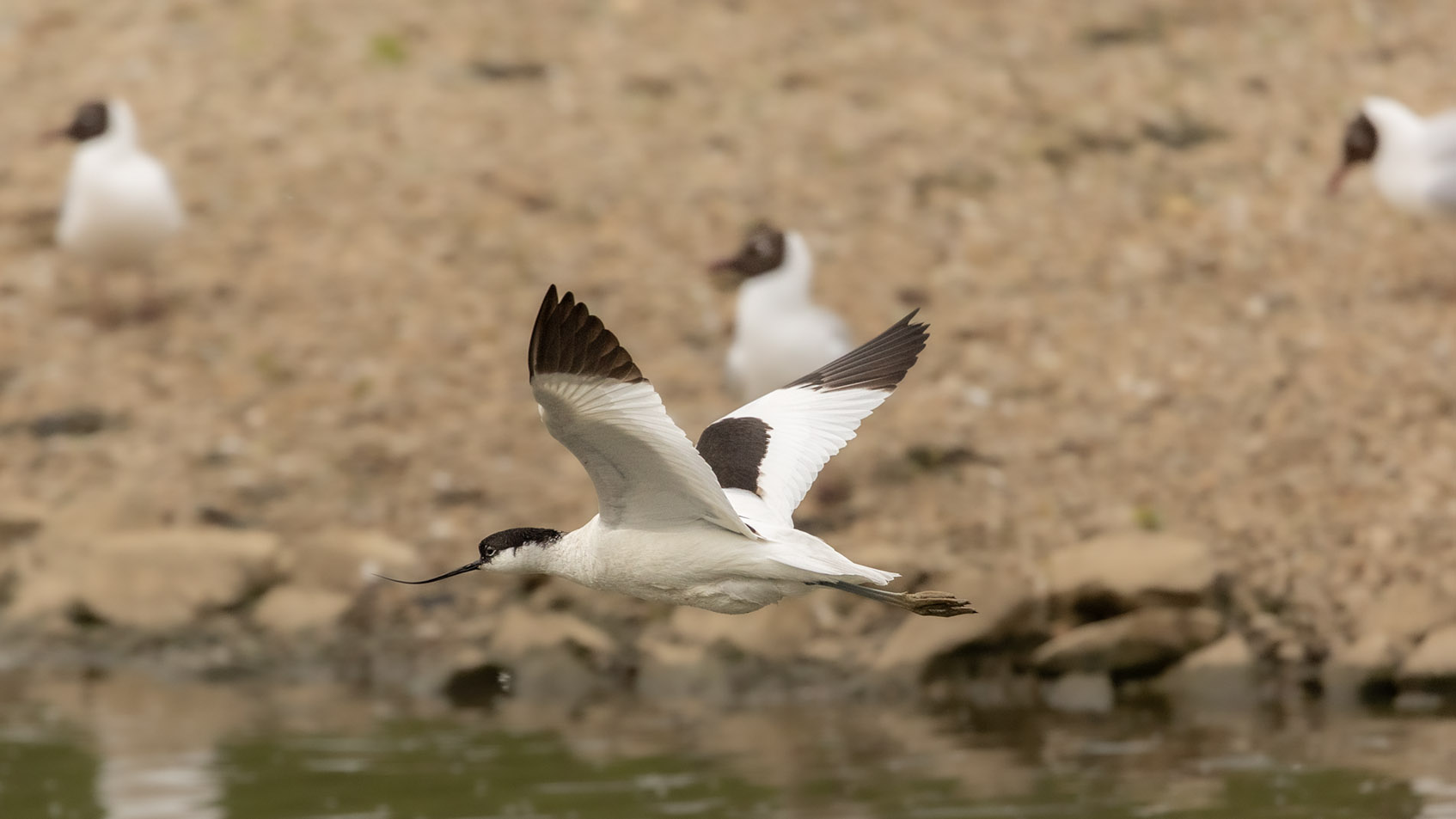
There is then the matter of noise footprint. When used in electronic shutter mode, the EOS R1 is silent, and I mean completely silent. By comparison, the audible ‘snap’ of the 1DX Mark III’s reflex mirror seemed like a percussion player had joined me in the hide. Did it spook more subjects than the R1 in this case?
Probably not, but if I were perched on a mountainside, and my Director from the BBC was asking if Sir David Attenborough could have an update on my Snow Leopard shots for his new documentary, I might reckon I’d take this matter quite seriously.
Then again, it’s worth remembering that the 1DX Mark III does essentially have a mirrorless workaround to this problem. In Live View mode, the mirror is locked in the up position, and unlike older models in the range, the on-sensor AF is virtually as good as the current R-system technology. This means no mirror noise, a super-fast 20fps burst rate, and no focusing compromises.
This brings me neatly onto why I think the last generation of pro DSLRs have a unique and currently unmatched advantage over every other mirrorless camera on the market.

EOS R1 vs EOS 1D X Mark III: conclusion
Many of the shortcomings we see in DSLRs these days, at least when comparing them to the latest mirrorless offerings, are not a flaw in the design. It’s an age thing. Yes, the Nikon D850 isn’t as fast to focus as the newer mirrorless Nikon Z 8, nor is the Nikon D6 able to rattle off shots as rapidly as the Nikon Z 9. But this is to be expected considering how much older those cameras are.
The manufacturers have had far more time for R&D in the intervening years, building on the very finest features of the last pro DSLRs and making them even better. The same is true of the EOS 1DX Mark III; of course the EOS R1 is faster and quieter, but this is as much due to years of extra development than it is because of the differences between the DSLR and mirrorless formats.
Most of the systems we see in Canon’s pro R-Series cameras were trialled on the last 1D EF-mount models. And that’s why I’d sooner choose a 1DX Mark III (or a D6) than the latest models available.
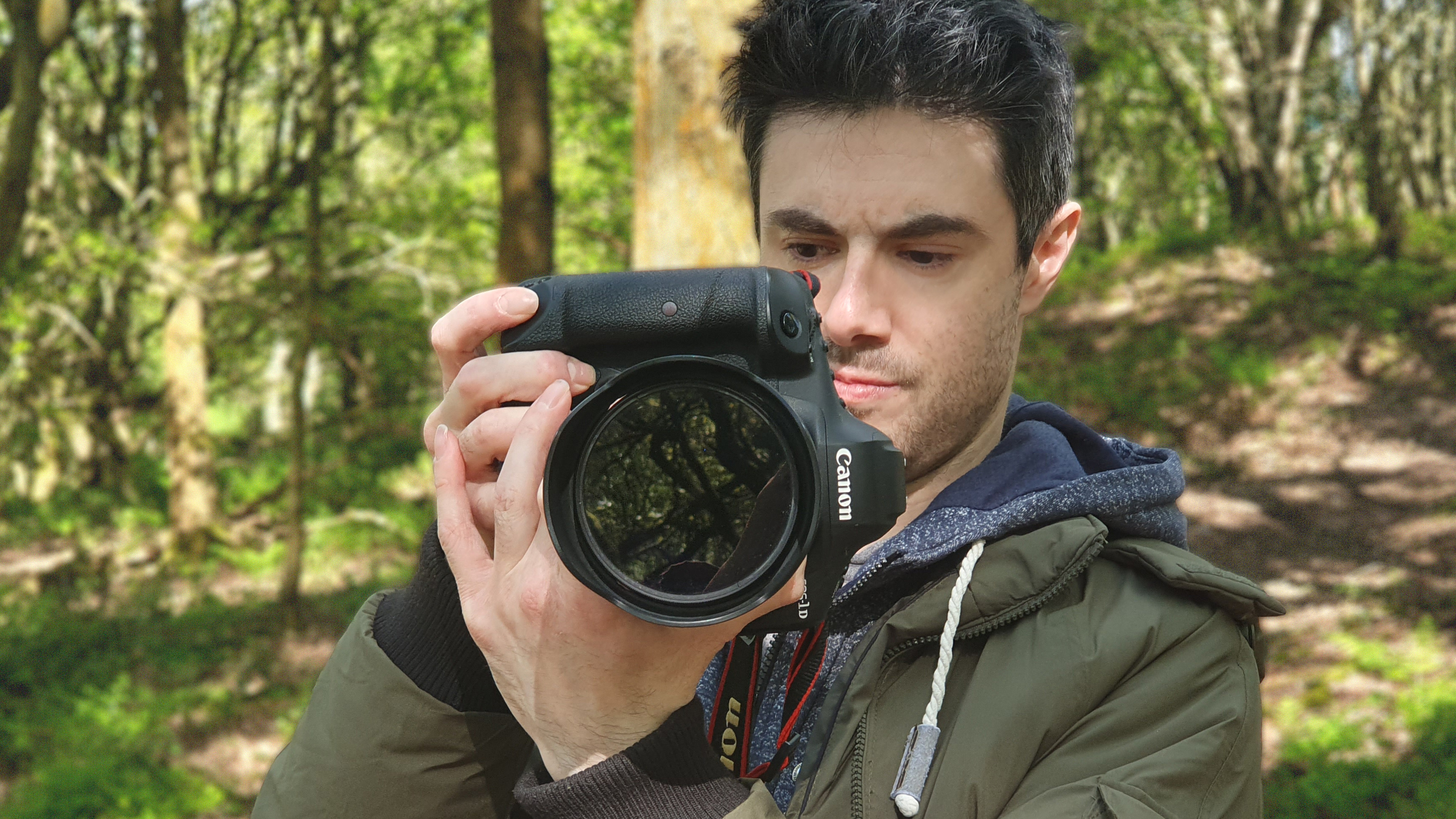
Functionally, there are relatively few differences in tech between the two camera types, meaning you get almost all of the same features with the advantages of an optical viewfinder, almost double the battery life, and deeper handgrips, if they are your preference.
I often think of the last DSLR camera generation as the golden age of digital photography; the technology was prepared for the mirrorless revolution, but the cameras retained the tactile experience of classic types. The EOS R1 might have more firepower, but the EOS 1DX Mark III has more stamina and an unbeatable user experience.
This articles is written by : Nermeen Nabil Khear Abdelmalak
All rights reserved to : USAGOLDMIES . www.usagoldmines.com
You can Enjoy surfing our website categories and read more content in many fields you may like .
Why USAGoldMines ?
USAGoldMines is a comprehensive website offering the latest in financial, crypto, and technical news. With specialized sections for each category, it provides readers with up-to-date market insights, investment trends, and technological advancements, making it a valuable resource for investors and enthusiasts in the fast-paced financial world.