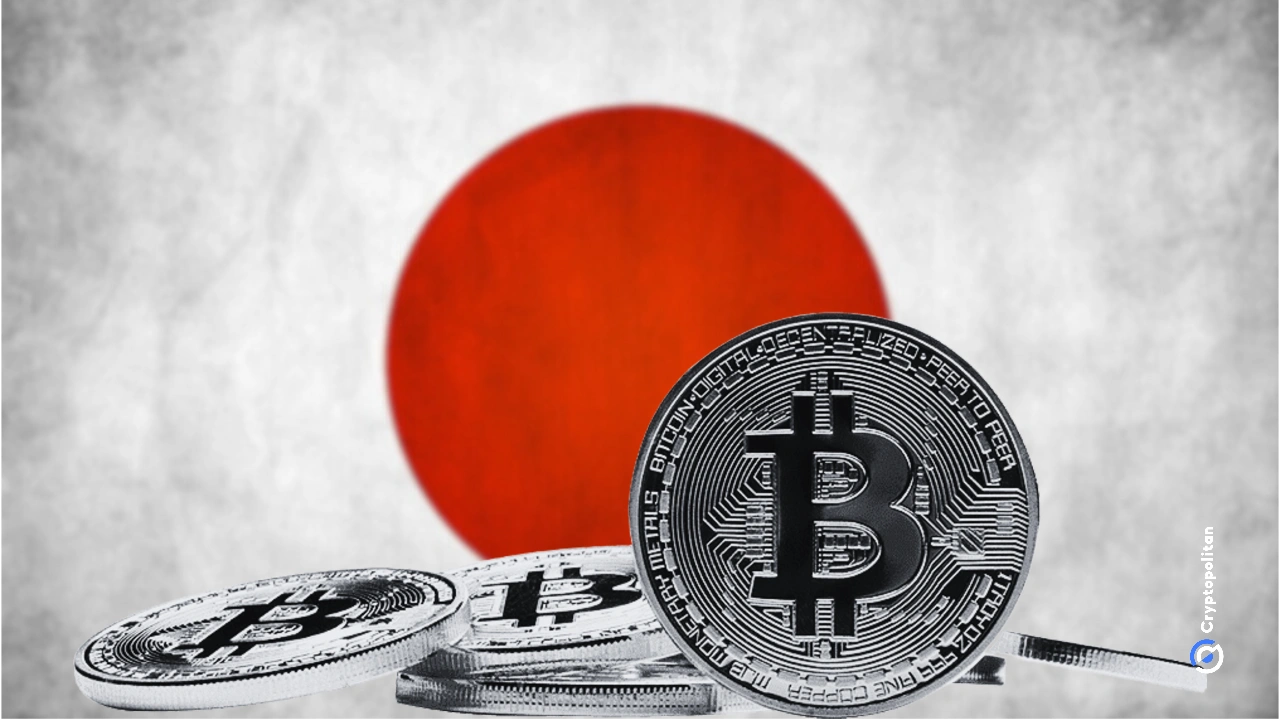
The Japanese government wants to make crypto ETFs legal and reclassify digital assets as financial products under new finance legislation. Japanese Finance Minister Satsuki Katayama made the announcement on Thursday.
The new plan is expected to open regulated crypto exposure to ordinary Japanese brokerage customers.
Katayama believes Japan needs a stronger legal framework and a strong trading ecosystem to boost investor confidence. She made these comments at the Open Quick 2026 seminar in Tokyo, an event hosted by financial data provider QUICK. She also said Japan wants to allow crypto ETFs, just as many countries have done.
The key behind the policy change is an amendment to the legislation governing stocks and bonds, to the Financial Instruments and Exchange Act (FIEA), the law that governs stocks and bonds.
At the moment, Japan treats crypto as a means of payment and is regulated by the Payment Services Act. Changing the classification of crypto from “means of payment’ to “financial product” puts it under the same regulatory framework as listed securities.
Who is ready to sell crypto ETFs in Japan?
Once the amendment process is complete, brokerage firms can begin offering crypto ETFs, and firms are already lining up in anticipation of the new legal framework.
Firms like BI Securities and Rakuten Securities are prepared to start selling crypto ETFs. While firms like Nomura Asset Management, SBI Global Asset Management, Daiwa Asset Management and Mitsubishi UFJ-linked subsidiaries were already studying or designing crypto ETF products ahead of any approval.
Japanese investors would welcome the access, too. An ETF listed on a domestic exchange means they can hold crypto exposure inside ordinary securities accounts, without jumping through the extra hoops of managing separate exchange accounts or private keys.
The tax piece may matter more than the fund structure. Japan taxes profits from crypto trading as miscellaneous income at progressive rates that reach as high as 55%.
The revision would replace that with a flat 20% separate rate, matching how gains on stocks and investment trusts are taxed. The present tax rate has pushed traders and investors to countries with lower tax rates, and this tax cut is aimed at bringing back many of those who fled.
Where does the bill stand?
The law has not been passed yet, though. The amendment has passed the House of Representatives and is in the House of Councilors. Upon passage, the broader framework is expected to take effect in 2027, with the 20% tax rate applying from January 1, 2028.
The push has support beyond the ministry. On June 1, the ruling Liberal Democratic Party submitted a proposal to Katayama, urging a legal framework for crypto ETF trading. The same party panel said the state should promote yen-based stablecoins.
Japan’s cabinet had approved the draft amendment to classify crypto as a financial product in April.
Besides opening up the markets, the government is keen on protecting investors. A unit focused on crypto assets and stablecoins is to be created this month by the Financial Services Agency.
The smartest crypto minds already read our newsletter. Want in? Join them.
This articles is written by : Nermeen Nabil Khear Abdelmalak
All rights reserved to : USAGOLDMIES . www.usagoldmines.com
You can Enjoy surfing our website categories and read more content in many fields you may like .
Why USAGoldMines ?
USAGoldMines is a comprehensive website offering the latest in financial, crypto, and technical news. With specialized sections for each category, it provides readers with up-to-date market insights, investment trends, and technological advancements, making it a valuable resource for investors and enthusiasts in the fast-paced financial world.