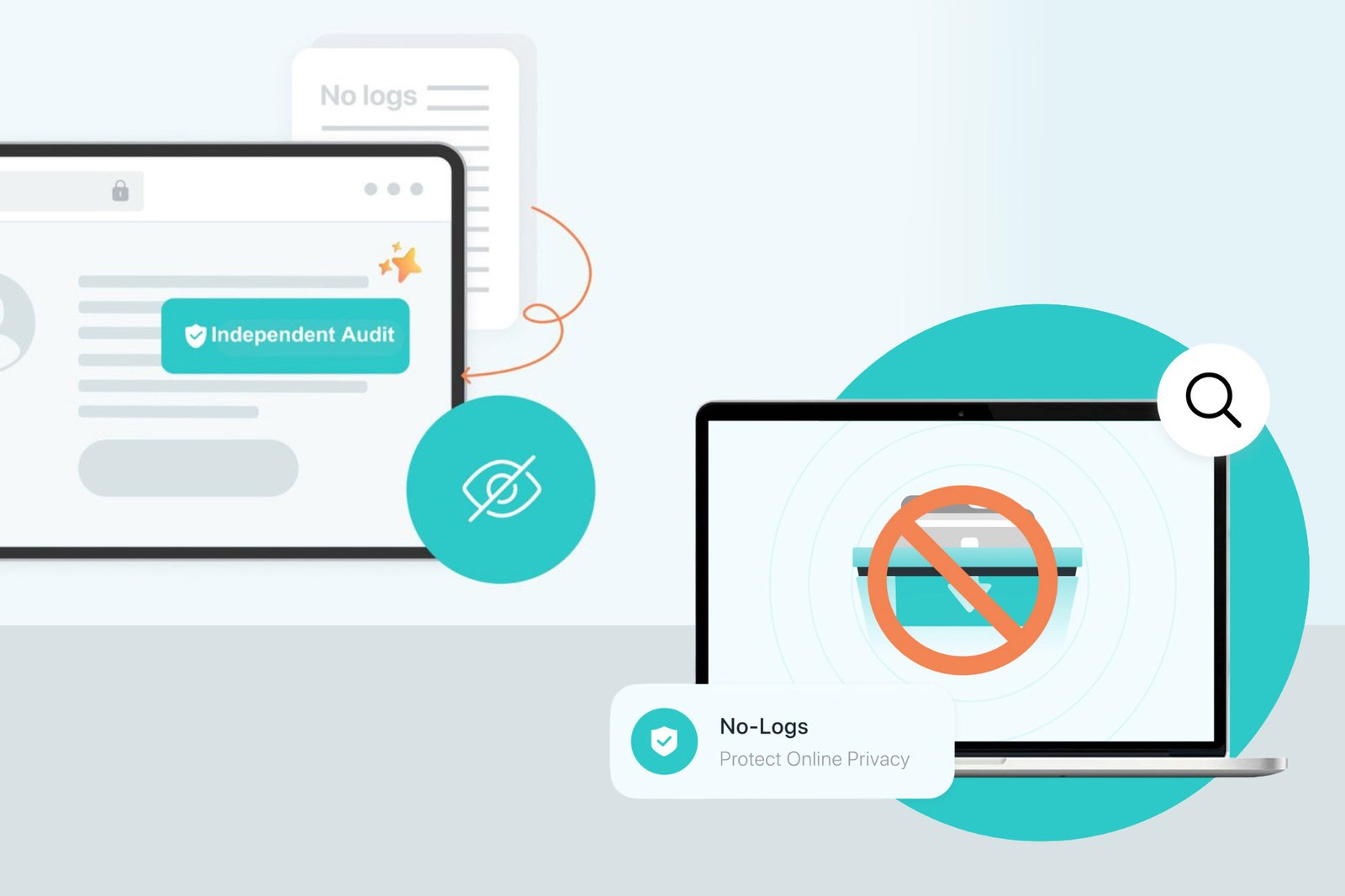
Discover a VPN with no-logs policies you can trust
Every VPN provider worth its subscription fee promises the same thing: we don’t keep logs. It’s printed on homepages, trumpeted in adverts, and cited by reviewers as a mark of trustworthiness. But here’s the uncomfortable truth that the industry doesn’t advertise—for most providers, that promise is completely unverified. You are, quite literally, taking their word for it.
And that word may not be worth very much.
Beware empty promises
When you connect to a VPN, you’re doing something counterintuitive: you’re solving a privacy problem by creating a new one. Instead of your ISP seeing everything you do online, your VPN provider does. You’ve shifted trust, not eliminated it. The entire value proposition rests on the assumption that your VPN provider is handling your data with integrity—not logging your IP address, not recording the sites you visit, not quietly monetising your browsing history to fund its infrastructure.
A “no-logs” policy is supposed to be the guarantee that this trust is warranted. But logging practices are invisible to customers. You cannot audit a server you don’t have access to. You cannot verify a policy you can’t inspect. And the definition of “no-logs” varies so wildly between providers that the phrase has become almost meaningless on its own.
Some providers, for instance, claim not to log browsing history while still collecting connection metadata—timestamps, session durations, data volumes transferred. This might sound harmless. It isn’t. Metadata is extraordinarily revealing. Cross-referenced with other data sources, it can be used to reconstruct a surprisingly detailed picture of your online behaviour and tie it back to your real identity. The word “no-logs” was used, but the spirit of privacy was not honoured.
Worse still, a small number of providers have been caught going further—secretly harvesting and selling user data to third parties, all while maintaining the marketing fiction of a privacy-first service. The lesson is clear: a claim is not a guarantee, and an unaudited promise is not a policy.
So what does a genuine no-logs commitment actually look like?
No-logs guarantees you can trust
The gold standard is an independent audit—a rigorous, third-party examination of a provider’s infrastructure and processes, conducted by a credible organisation with no stake in the outcome. A proper audit doesn’t just take the provider’s word for what it does and doesn’t collect; it examines the technical architecture, reviews data handling practices, and produces a public report that users can evaluate for themselves.
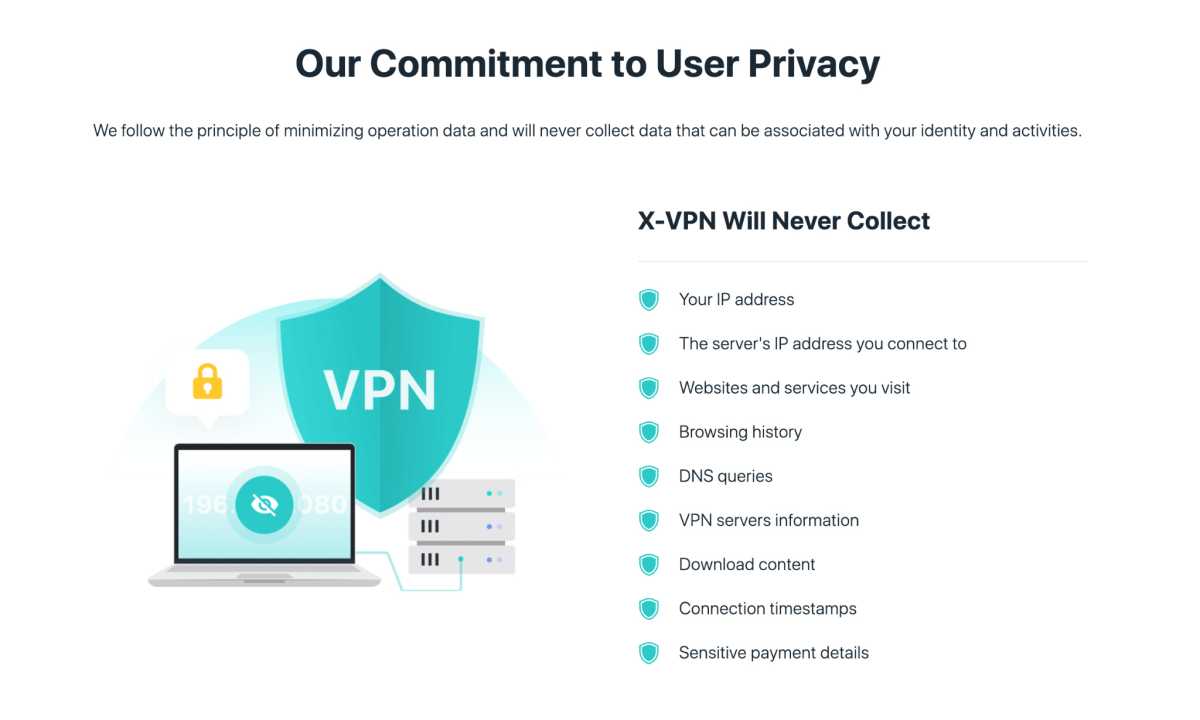
X-VPN offers a useful illustration of what this looks like done properly. In February 2026, the provider completed an independent no-logs audit conducted by Deloitte—one of the world’s most respected auditing firms—under the ISAE 3000 (Revised) assurance standard. The audit confirmed that X-VPN does not collect or store data that could identify users or reveal their online activity. The list of non-collected data is specific and concrete: user IP addresses, destination IP addresses, websites visited, browsing history, DNS queries, downloaded content, connection timestamps, and sensitive payment details.
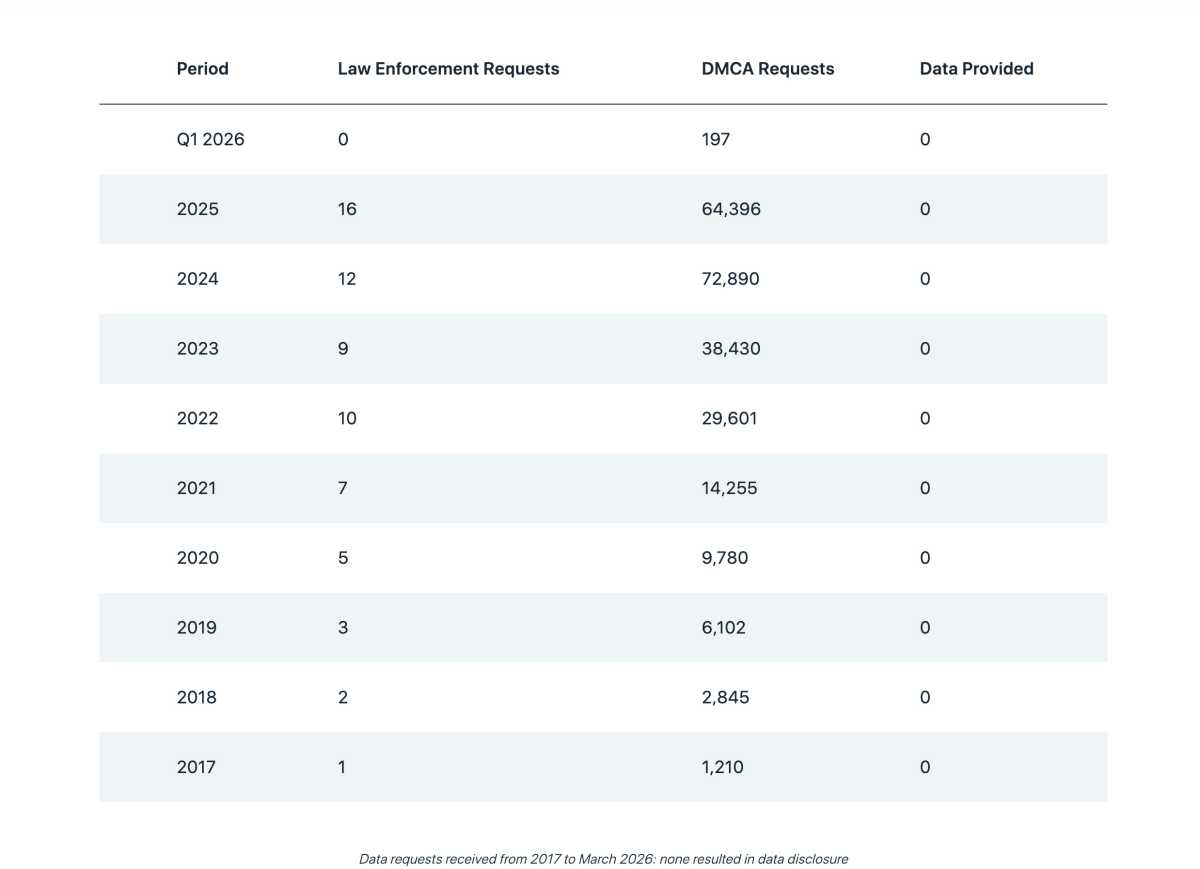
X-VPN
That specificity matters enormously. Vague assurances about “not storing logs” leave enormous wiggle room for providers to collect data that falls outside a narrow definition. A detailed, independently verified list of what is not collected gives users something real to evaluate.
X-VPN’s technical design reinforces these findings. The service runs on RAM-only servers—meaning data is never written to persistent storage and is lost the moment a server powers down—and routes all service outputs to /dev/null, discarding them rather than retaining them as logs. These are architectural choices, not just policy commitments. They make logging structurally difficult, not merely against the rules.
X-VPN
Go with verified, trusted evidence
The broader lesson is about the standard we should demand from an entire industry.
Independent audits provide something that an unverified privacy policy never can: independent evidence that a provider’s systems and practices align with its public commitments. They convert a marketing claim into an accountable statement.
VPN providers have long relied on the fact that most users lack the technical expertise to interrogate their claims. That information asymmetry has allowed vague, unverified “no-logs” promises to flourish as a sales tool rather than a genuine privacy commitment.
The next time you’re evaluating a VPN, ask one simple question: who checked? If the answer is nobody—if the only evidence is the provider’s own assurance—treat that promise with the scepticism it deserves. Your privacy is only as strong as the evidence behind the guarantee protecting it.
This articles is written by : Nermeen Nabil Khear Abdelmalak
All rights reserved to : USAGOLDMIES . www.usagoldmines.com
You can Enjoy surfing our website categories and read more content in many fields you may like .
Why USAGoldMines ?
USAGoldMines is a comprehensive website offering the latest in financial, crypto, and technical news. With specialized sections for each category, it provides readers with up-to-date market insights, investment trends, and technological advancements, making it a valuable resource for investors and enthusiasts in the fast-paced financial world.