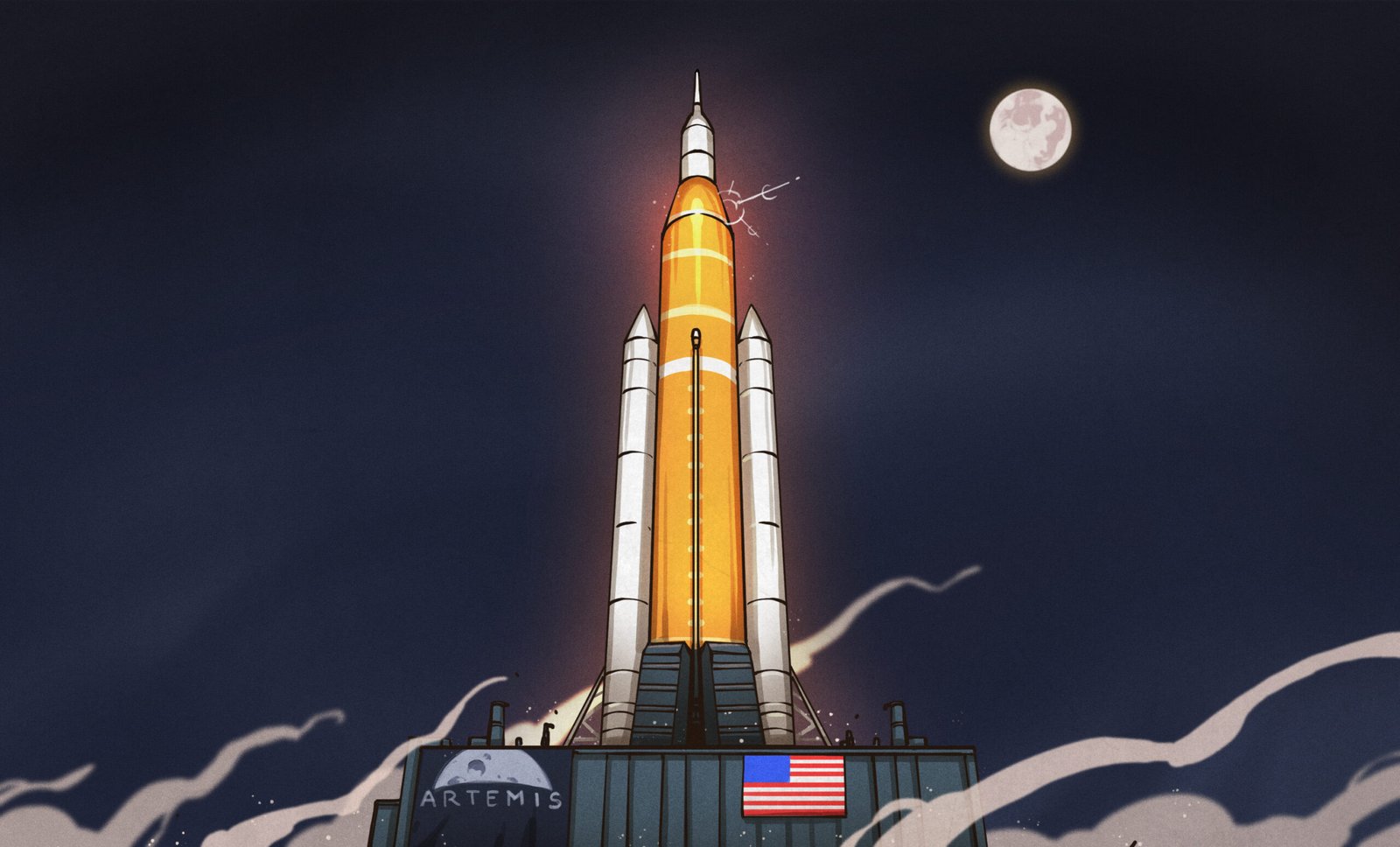
When the Artemis lunar program was first conceived, the third mission would have seen astronauts step foot on the Moon for the first time since Apollo 17 in 1972. But as hard as getting into space is, a sojourn to our nearest celestial neighbor is even more mindbogglingly complex, and so earlier this year it was announced that actually landing on the Moon would be pushed out to the fourth mission.
 In turn Artemis III would take a page out of the Apollo 9 playbook and test out rendezvous and docking procedures with commercial landers while operating in the relative safety of low Earth orbit. Moving the target date for the landing a few years down the road gave all involved parties a little more breathing room, but it also provided a valuable opportunity to gain insight into the performance of the vehicles and systems ahead of the critical moment. In the original timeline, the first time Orion would attempt to dock with the lander would have been just before descending to the lunar surface — leaving precious little time to troubleshoot should anything go wrong.
Yesterday NASA held a press conference to update the public on their progress towards the planned 2027 launch of Artemis III, which included the long-awaited announcement of the crew that will kick the tires on the next-generation lunar landers being developed by SpaceX and Blue Origin
Meet the Artemis III Crew
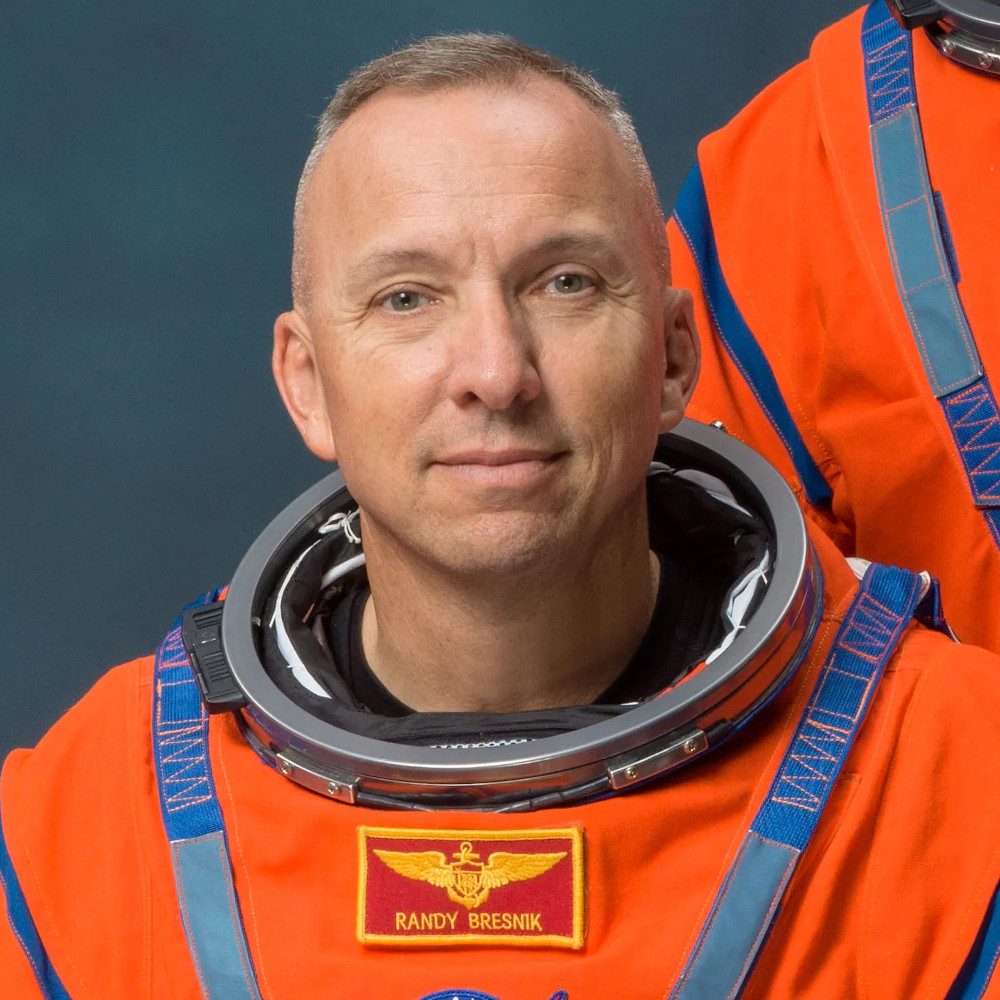
Commander
A graduate of the Naval Fighter Weapons School (TOPGUN) and former F/A-18 Test Pilot, United States Marine Corps Colonel Randy Bresnik served as Mission Specialist aboard the Space Shuttle on STS-129 and Commander of the International Space Station during Expedition 53. He has logged more than 7,000 hours at the controls of nearly 100 types of aircraft, 3,600+ hours aboard spacecraft, and 32+ hours of spacewalk time between five extravehicular activities (EVAs).
Mission Specialist
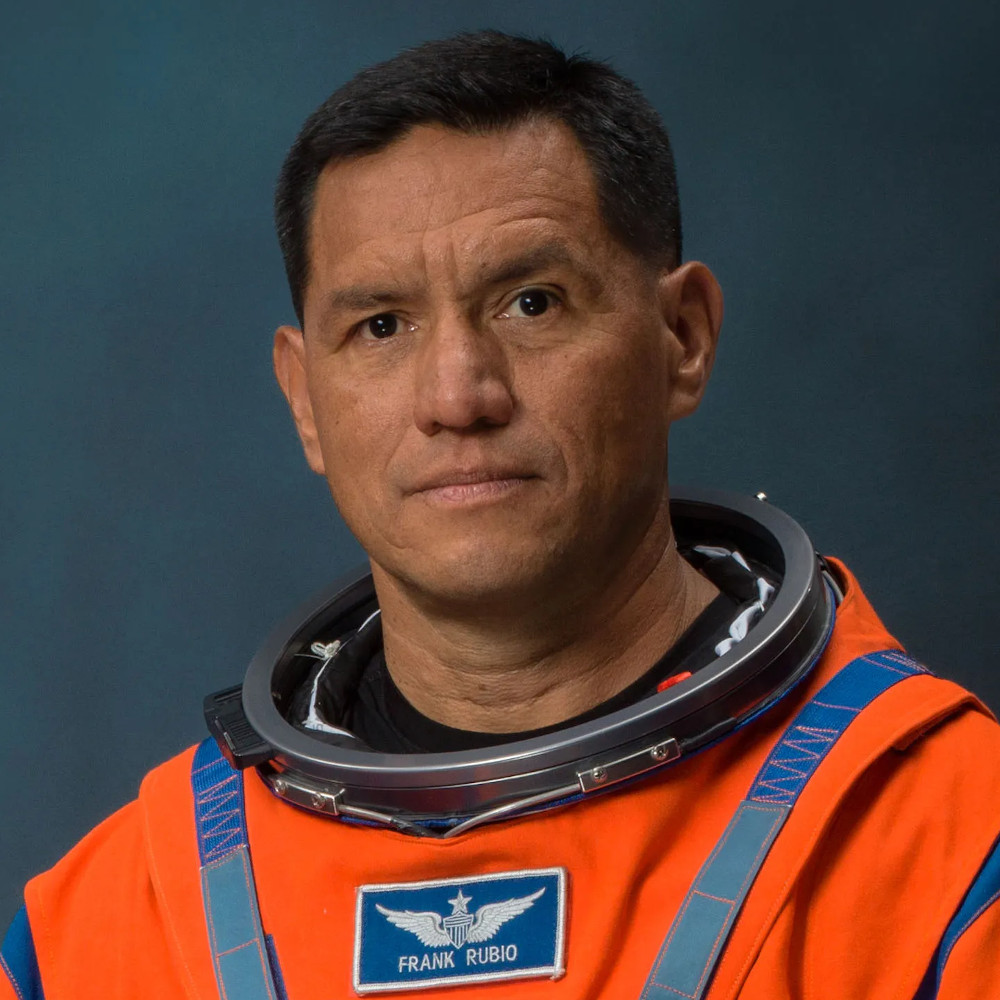
United States Army Colonel Frank Rubio holds a Doctorate of Medicine and logged over 1,100 hours as a UH-60 Black Hawk helicopter pilot, with more than 600 hours of that time under combat conditions in Bosnia, Afghanistan, and Iraq. In 2022 he flew to the International Space Station aboard the Soyuz MS-22 on what was planned as a six month mission. But due to damage to the spacecraft, he ended up remaining on Station for 371 days, setting a new record for the longest spaceflight by an American astronaut.
Pilot
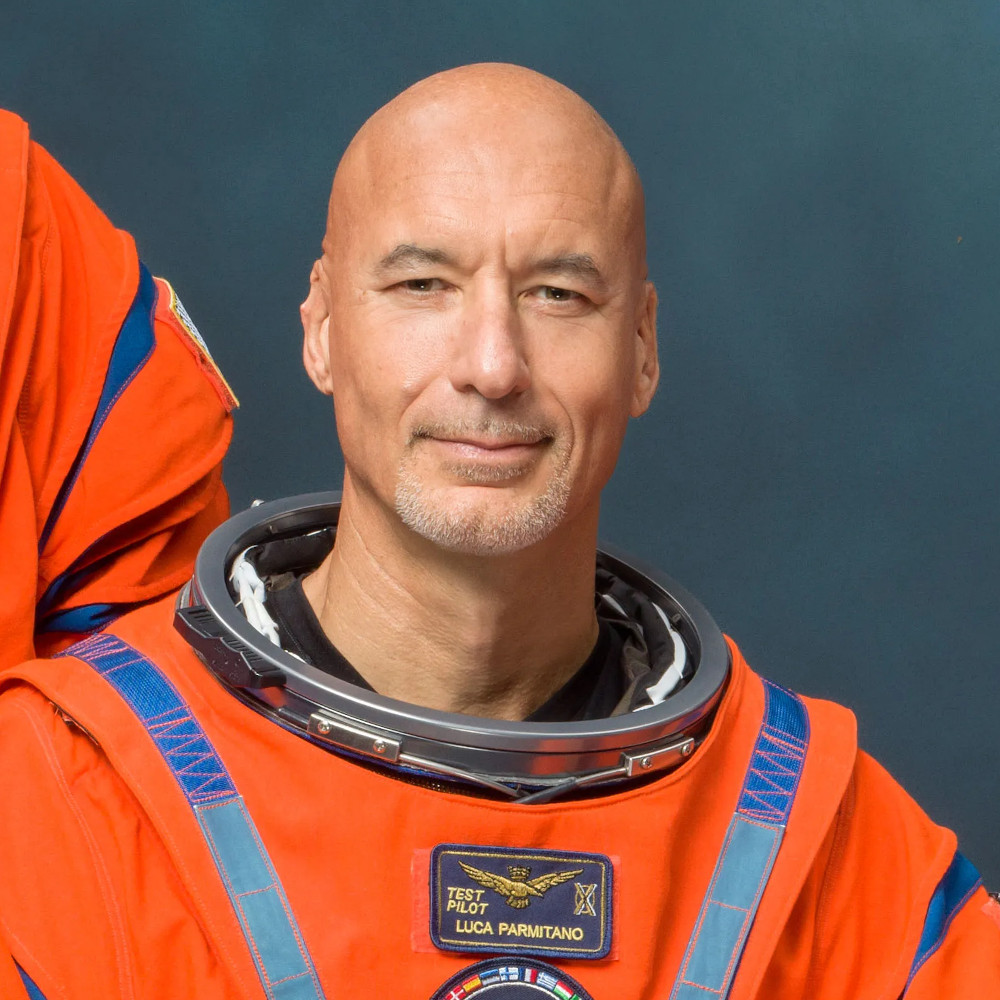
European Space Agency (ESA) astronaut Luca Parmitano is a Colonel and Test Pilot in the Italian Air Force with 2,000+ hours of flying time on over 40 types of aircraft. He served as Flight Engineer on the International Space Station during Expedition 36/37 in 2013, during which time he became the first Italian to conduct an EVA. He successfully navigated a highly dangerous situation during his second EVA when a spacesuit malfunction caused his helmet to fill with water. He returned to the ISS in 2019 as part of Expedition 60/61, bringing his total time in space to just under 367 days.
Mission Specialist
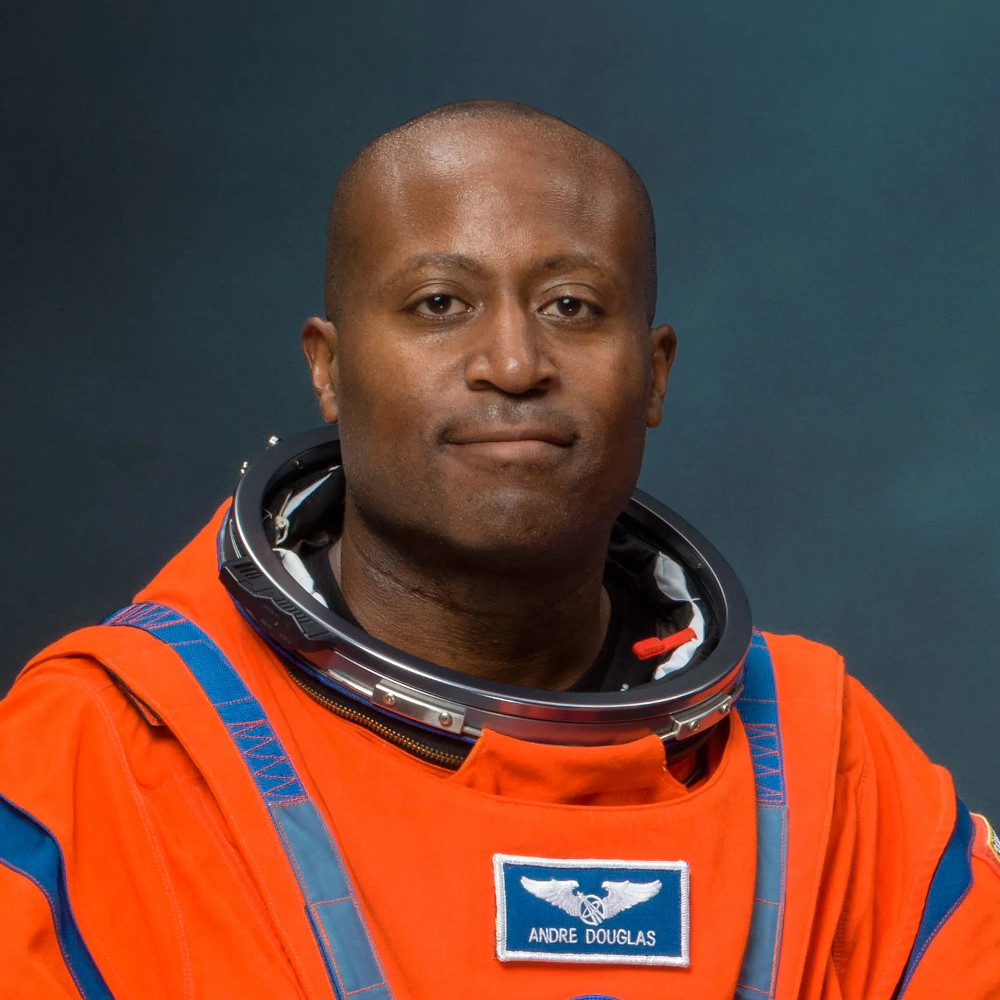
Coast Guard Reserve officer Andre Douglas holds a Bachelor of Science degree in Mechanical Engineering, Master’s degrees in Naval Architecture, Marine Engineering, Electrical Engineering, and Computer Engineering, as well as a Doctoral Degree in Systems Engineering. During his time at the Johns Hopkins University Applied Physics Laboratory, he assisted in the development of NASA’s Double Asteroid Redirection Test (DART) mission and Japan’s Martian Moons eXploration spacecraft. He completed his astronaut training in 2024, and although he served as a backup crew member for Artemis II, this will be his first spaceflight.
One Mission, Three Launches
Although astronauts are by their nature the best of the best, the collected experience and knowledge of the Artemis III crew is truly incredible — and for good reason. This flight will be one of the most challenging and technically complex operations ever conducted in space, perhaps second only to the Apollo Moon landings themselves. In the most ambitious version of the plan, three spacecraft launched by three different booster rockets will conduct a carefully choreographed operation over the course of two weeks.
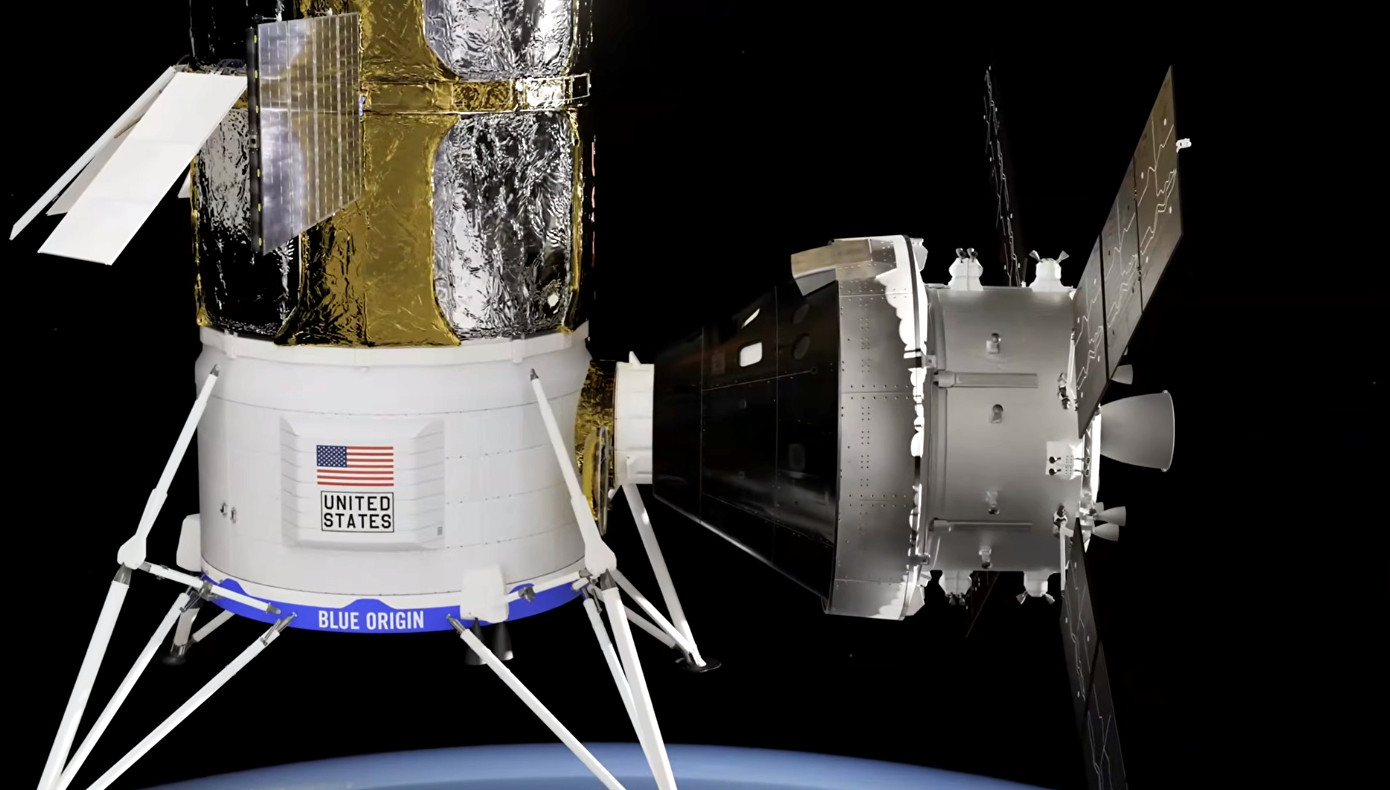
To start the first phase of Artemis III, Blue Origin will use one of their New Glenn rockets to carry the Blue Moon MK2 lander into low Earth orbit. The lander is designed to spend up to 90 days in space, which will give NASA a comfortable window of opportunity to get their Space Launch System rocket and Orion spacecraft ready for liftoff. After launch Orion will rendezvous and dock with the lander, and the crew will spend the next two days performing various tests and demonstrations. If everything goes well, they will ultimately enter the lander itself and don prototypes of the spacesuits that Axiom Space is developing for the Artemis IV crew to wear on the lunar surface.
Meanwhile, SpaceX will be preparing a modified version of their Starship V3 spacecraft for liftoff atop the Super Heavy booster. Once the Orion spacecraft is undocked and clear of the Blue Moon MK2, the prototype Starship Human Landing System (HLS) will launch and meet the capsule in orbit. According to SpaceX representatives, the vehicle itself won’t be too far removed from the version that completed a test flight back in May. Compared to Blue Origin’s lander, which will feature a boilerplate cabin design and functional life support systems, the Artemis III crew won’t be able to enter this early version of HLS.
Likely in expectation that comparisons would be made between the apparent capabilities of the two landers, SpaceX Vice President of Space Operations Jessica Jensen pointed out that many of the systems that will be used in Starship HLS such as the life support and avionics are derived from the flight-proven hardware used on the Crew Dragon — with some components such as the docking system being effectively identical. From the perspective of SpaceX, it’s more important to focus on testing the new hardware and procedures being developed specifically for the Moon.
Given that astronauts will not be able to enter the Starship HLS prototype, it’s expected the crew will spend significantly less time docked to it. After conducting some maneuvers to see how the two vehicles handle in relation to each other, the Orion will depart orbit and head for a splashdown in the Pacific.
Setting Course For Artemis IV
Although the press conference was about the upcoming mission, Jensen did give some brief details on how SpaceX and NASA are working together to refine the procedures for Artemis IV in 2028.

Back when Artemis III was set to touch down on the lunar surface, the plan was for Starship HLS to first enter into a relatively uncommon Near-Rectilinear Halo Orbit (NRHO) around the Moon, where it would eventually be met by the Orion capsule. However this was largely predicated on the idea that the Lunar Gateway Station would also be in NRHO. Now that the construction of Gateway has been abandoned, there’s no reason to rendezvous in that particular orbit.
Instead Orion will now dock with Starship HLS in low Earth orbit, just like it will on Artemis III. From there, Starship will use its own engines to perform the critical trans-lunar injection burn and put both craft on course towards the Moon.
This approach is not only easier to execute, but will require less propellant and therefore fewer refueling flights — directly addressing a common criticism leveled against the Artemis architecture.
High Risk, High Reward
Calling Artemis III ambitious would be an understatement. A mission involving a trio of spacecraft and their respective launch vehicles, two of which being early prototypes, has never been attempted in the history of spaceflight. Getting just one vehicle off the ground is a challenge in itself, and although experienced gained over the decades thanks to the International Space Station has made the subsequent rendezvous between two craft relatively routine, doing it twice during the same mission adds a whole new dimension.
Even the most ardent space fan has to admit it’s exceptionally difficult to believe that the involved parties can put such a bold plan into action in the next ~18 months, especially given the recent New Glenn explosion that has left Blue Origin’s launchpad in shambles. But it will certainly be exciting to see them try.
This articles is written by : Nermeen Nabil Khear Abdelmalak
All rights reserved to : USAGOLDMIES . www.usagoldmines.com
You can Enjoy surfing our website categories and read more content in many fields you may like .
Why USAGoldMines ?
USAGoldMines is a comprehensive website offering the latest in financial, crypto, and technical news. With specialized sections for each category, it provides readers with up-to-date market insights, investment trends, and technological advancements, making it a valuable resource for investors and enthusiasts in the fast-paced financial world.