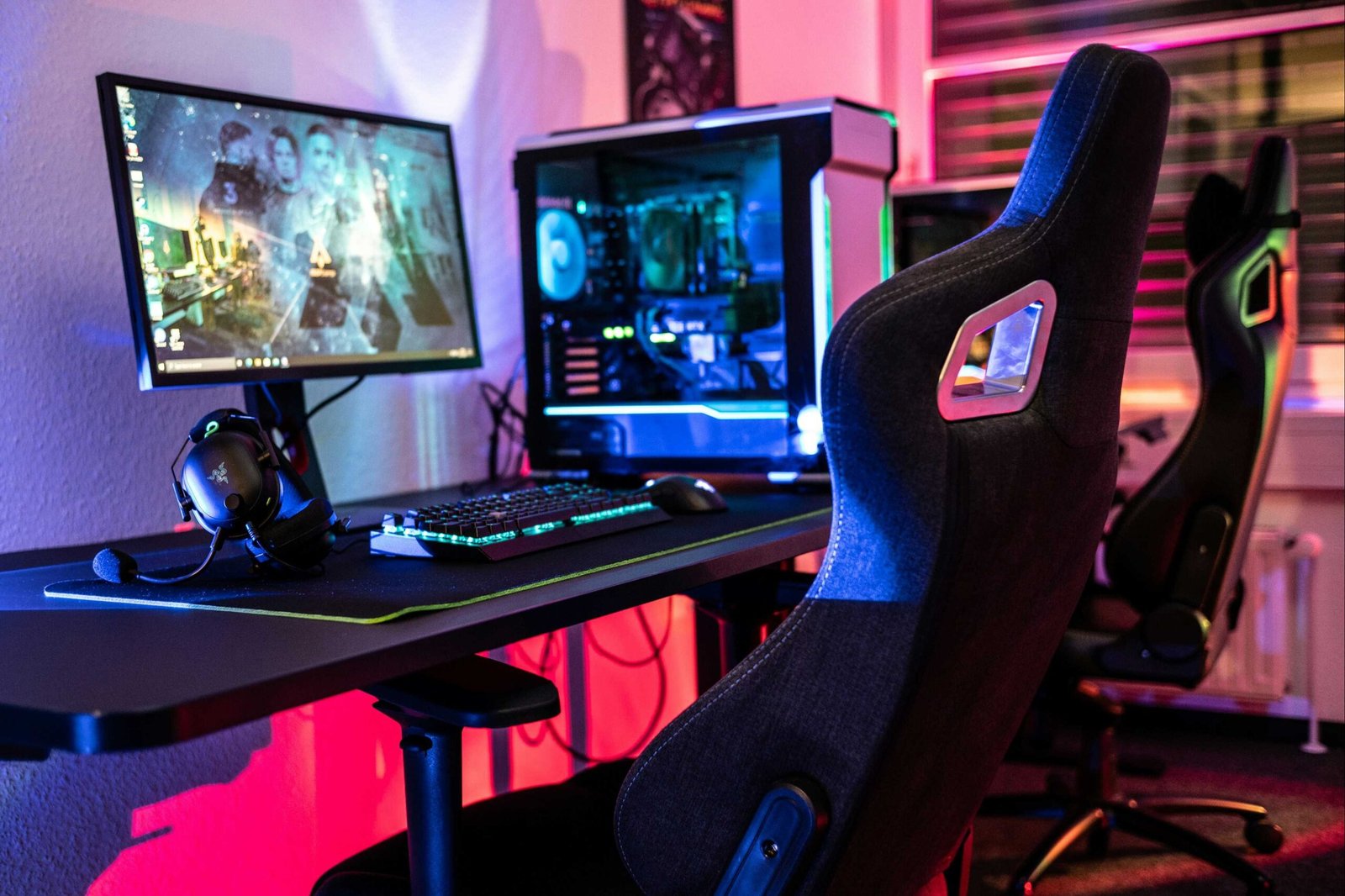
Do you need a new computer? Unfortunately, the market is currently experiencing high prices and uncertainty due to the massive wave of investment in AI. But it’s still possible to get ahold of a decent machine — even if you might have to compromise on your budget or your requirements.
The RAMpocalypse driving up prices
It can hardly have escaped anyone’s notice that the prices of memory chips — both DRAM for RAM, and NAND for storage — have skyrocketed over the past year. Higher-capacity memory modules are four to five times more expensive today than they were a year ago.
Price increases of 400 percent are not an everyday occurrence in any industry, least of all the electronics sector, where prices usually tend to fall over time. These high prices are having knock-on effects, such as higher prices for other products due to increased costs for manufacturers, and financial difficulties for smaller manufacturers who can neither absorb the higher purchase prices nor raise their own prices sufficiently without losing too many customers.

Almost everything that contains memory and storage has become more expensive, particularly computers and components such as graphics cards, but also mobile phones and tablets, games consoles and even routers.
Almost, but not quite, everything. The fact is that there are still product categories where the usual trend towards ever-cheaper electronics continues. A clear example is monitors, where you get much more for your money today than just a few years ago, and that trend looks set to continue.
Do you want to play games with a high refresh rate, vibrant colors, and deep blacks using an OLED display? At the time of writing, for example, you can get 1440p resolution at 240Hz for less than $400 (Gigabyte GO27Q24G).
If, on the other hand, you’re looking for high resolution to ensure text is as sharp as possible, you can get a 4K monitor for $300 or less — for example, the LG 27US550-W and the Samsung Viewfinity S70D. See our roundup of the best monitors for more recommendations.
Other exceptions include cases, power supplies, and coolers. Processors and motherboards held their ground for a long time, but have now also risen in price as manufacturers shift resources towards products for the lucrative data center market.
All signs suggest that memory prices will rise further before stabilizing, and that no price reductions are to be expected before the end of 2027. So don’t count on prices suddenly returning to more normal levels.
Buy now or wait for a sale?

If you’re thinking of buying a pre-built computer and aren’t in a rush, it’s definitely worth keeping an eye out for sales and clearance events, such as Black Friday. However, it’s highly likely that prices for memory and storage will continue to rise, so if you find a computer you’re happy with at a price you can afford, it might be better to go for it rather than wait and hope for a price drop that probably won’t happen for several years.
When it comes to components, it might make sense not to buy everything at once, but to spread your purchases out based on current prices. You might be able to wait for a good deal on a bundle of a motherboard and processor, but buy the RAM as soon as you find a reasonably affordable price.
Your current needs are paramount
What do you need the computer for, and how will you use it? These are the two most important questions to ask before buying a computer. It’s tricky to predict future needs, but the fact that you’re buying a new one at all is probably because what you have now isn’t working satisfactorily.
It might be as simple as needing something modern on which you can install Windows 11, even though your old computer didn’t really have any problems. Or perhaps you’ve taken up a new hobby, such as video editing or programming, which your old machine can’t quite cope with.
The main thing is to ask yourself what you’re really looking for and base your decision on that.
A word of advice: Don’t buy a new computer just because you’ve found a good price. That might sound contradictory given my tip above about waiting for the sales, but I’m referring there to those who need a new computer, just perhaps not right away.
If, on the other hand, you don’t actually need a new computer but happen to find one at a really bargain price, it can be tempting to snap it up. It’s rarely worth it, even if prices continue to rise. When you eventually reach a point where you really do need a new computer, there’s a good chance that the one you bought will already be outdated or no longer suit your changing needs.
For individual components, however, it can be worth keeping an eye out for fantastic deals.
What you actually need
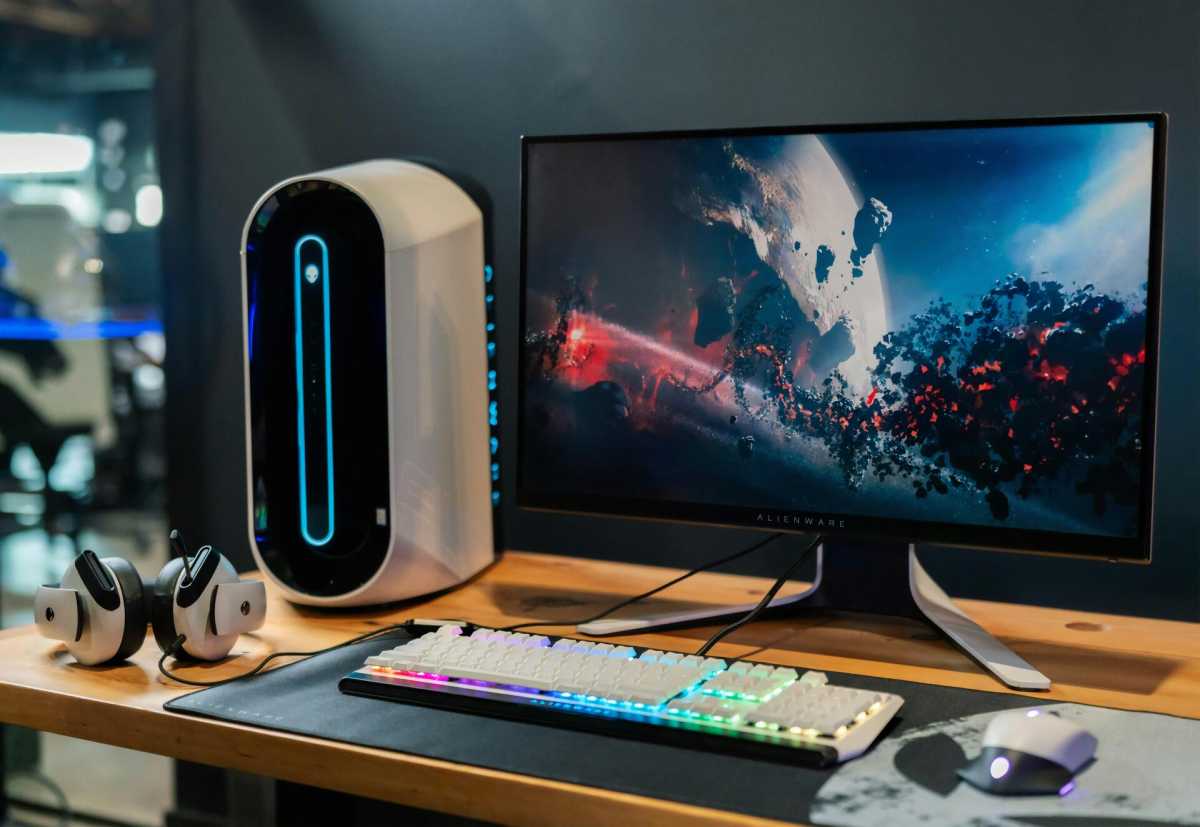
It can be tempting to choose a computer with the highest possible specifications. Nobody wants a slow computer, and it can feel reassuring to go the extra mile, so that it has some headroom and can remain fast enough for longer.
In some cases, this is a good idea, but it can also mean money down the drain. Not all components are equally important, and you’ll never notice some upgrades unless you’re doing something specific that pushes the computer to its limits in that particular area.
Fast SSDs are a prime example. A modern M.2 SSD with PCIe 5.0 can reach speeds of up to 14,000MB/s, but in everyday use on Windows, the difference compared to an older, simpler model with PCI Express 3.0 and speeds of around 2,500MB/s is very small. According to a test carried out by Tom’s Hardware, the difference is negligible in most games, and for tasks such as web browsing, email, chatting and working in Office programs, you would barely notice any difference with an even slower SATA-based SSD.
Below, I’ve put together some tips on how to approach the four most important components, which also have the greatest impact on the price.
Processor
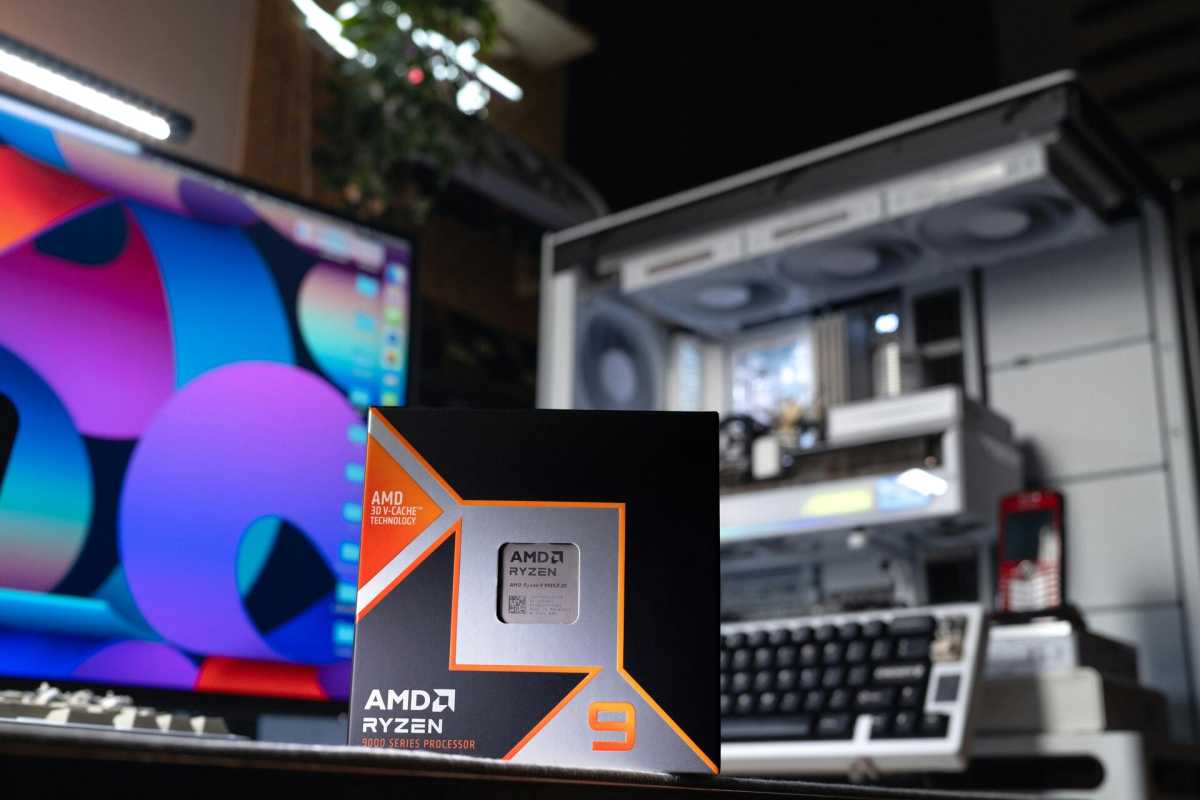
There’s a wide range available from both Intel and AMD. Both sell processors from several generations, which affects peripheral functions such as Wi-Fi and Bluetooth, memory speed, and other features. For most consumers, simpler models are perfectly adequate, but be careful not to end up buying something really slow like an Intel Celeron.
My usual recommendation is to stick to the latest generation, as this means processors that are more efficient and feature the latest technologies. At the time of writing, this means the Intel Core 200 series and the AMD Ryzen 9000 series, but both companies are expected to release a new generation around the turn of the year or in early 2027 — Core 400 (Nova Lake) and Ryzen 10000 (Olympic Ridge).
However, a previous-generation processor may be cheaper, and this is particularly true of pre-built computers, where manufacturers may be running clearance sales to make way for the new generation. If you’re not looking for any specific new features, this can be a smart way to save a bit of money.
Memory
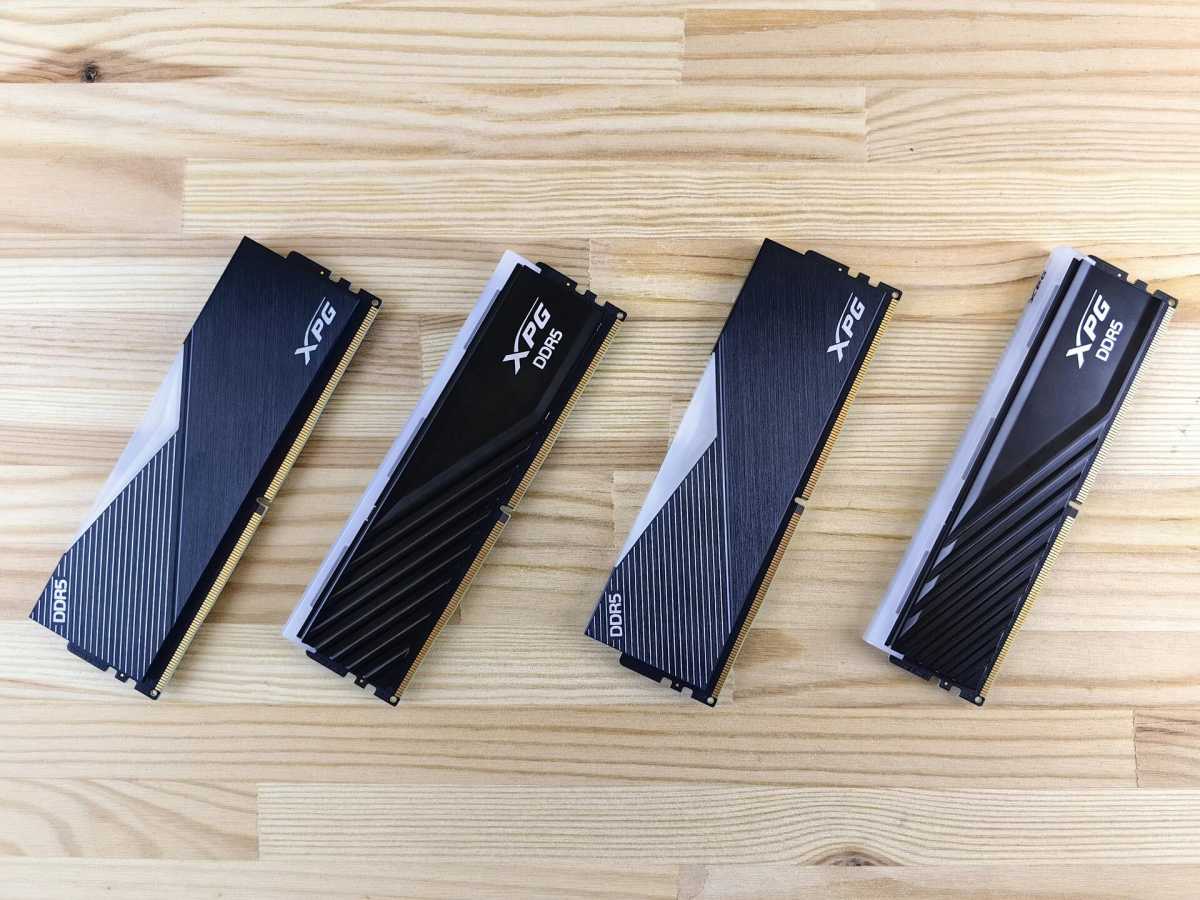
A couple of years ago, my recommendation was simple: Go all out. Memory was so cheap and can make such a big difference if you’re running lots of programs or heavy applications. I opted for 64GB myself when I built a computer in 2019, and I don’t actually do anything that requires even 32GB, but thanks to having so much, I’ve been able to keep all the programs I use open, including virtual machines.
Today, the “memory apocalypse” has made RAM one of the most expensive components, and something many people skimp on so that the computer doesn’t cost an arm and a leg.
Unfortunately, having enough memory is crucial to the user experience, as the computer can become as sluggish as treacle if the memory runs out and the system has to start offloading to the hard drive. Microsoft recently removed a recommendation to have at least 32GB for Windows 11 and has started making efforts to ensure the system runs more smoothly on computers with 8GB, but I still recommend at least 16GB.
The amount of memory is almost always more important than the speed, so I would always recommend 32GB of DDR5 memory at 5,600MT/s over, for example, 16GB at 7,200MT/s.
Graphics card
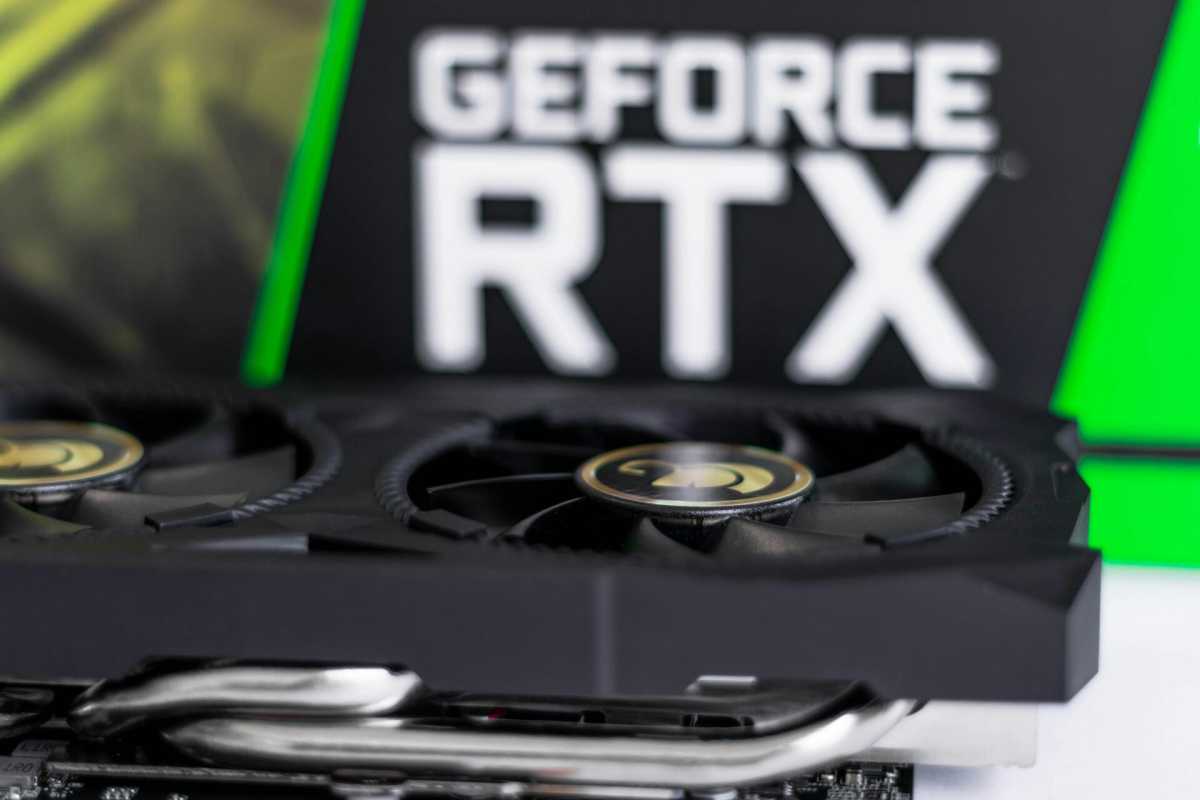
For anyone who enjoys gaming, the graphics card is by far the most important component. In most games, a computer with a basic processor, memory, and storage but a really powerful graphics card is significantly faster than one with top-of-the-range processor, memory and storage but a budget-class graphics card.
A reasonably fast graphics card is also important for those involved in 3D modelling and animation, video editing and AI. However, for those who mostly just use a web browser, it isn’t that important, and it’s often possible to get by with a processor featuring integrated graphics.
Today, there are three graphics card manufacturers. Nvidia is the largest, with AMD and Intel trailing far behind. In the current generation, Nvidia is known for ray tracing and AI-based upscaling and frame generation, while AMD’s RX 9000 series receives high marks for raw performance in rasterized graphics. Intel’s cards have found a niche in the budget segment and offer relatively good value for money.
If you’re thinking of trying Linux instead of Windows, it might be worth choosing a graphics card from AMD rather than Nvidia — and, above all, Intel. This is because the drivers are better and are being developed more rapidly, not least thanks to help from developers at Valve who are working on optimizing the Steam Machine and Steam Deck.
Storage
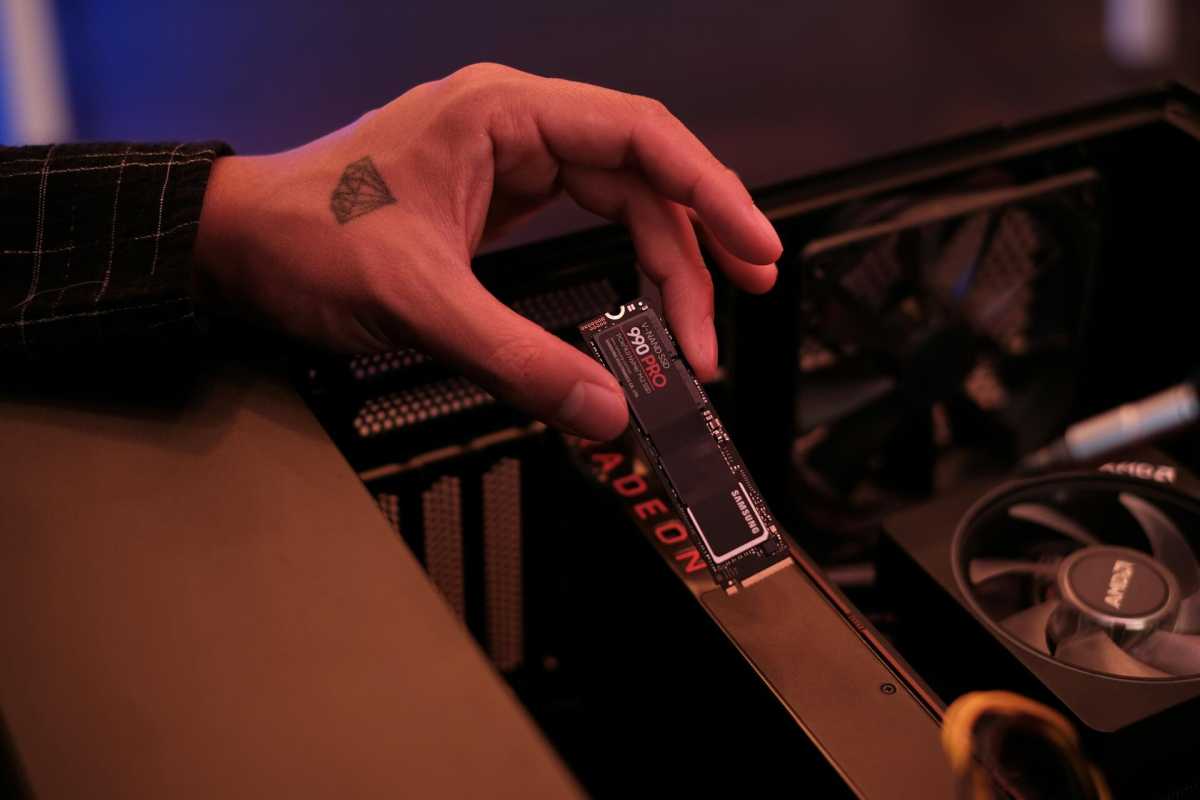
You should definitely have the operating system and all your programs on an NVMe-based SSD, but as I mentioned above, it’s by no means a given that you’ll see any noticeable performance boost by choosing a blazing-fast PCIe 5.0 drive. If you can get hold of an older model at a significantly lower price, that might be more than enough. I’d much rather have a spacious SSD with PCIe 3.0 than a skimpily sized SSD of the latest generation.
See our roundup of the best SSDs for buying advice.
Other specifications
In addition to the above, there are a number of other specifications where models differ. Networking (wireless and wired), Bluetooth, audio, and USB ports are a few examples. Here, users’ needs vary so much that it is difficult to offer any recommendations, with one exception:
Access to Thunderbolt or USB4 ports means you can connect external storage and other devices much faster.
If you have — or are planning to buy — a modern monitor with high resolution and/or a high refresh rate, it is important to ensure that your computer or graphics card supports it. For a 5K monitor with a 144Hz refresh rate, a type that has become available recently, DisplayPort 2.1, or HDMI 2.1 is required, for example. However, the best option is a graphics card with DisplayPort 2.1 UHBR20 — which, at present, is only available in Nvidia’s RTX 50 series — or a computer with Thunderbolt 5.
Upgradability
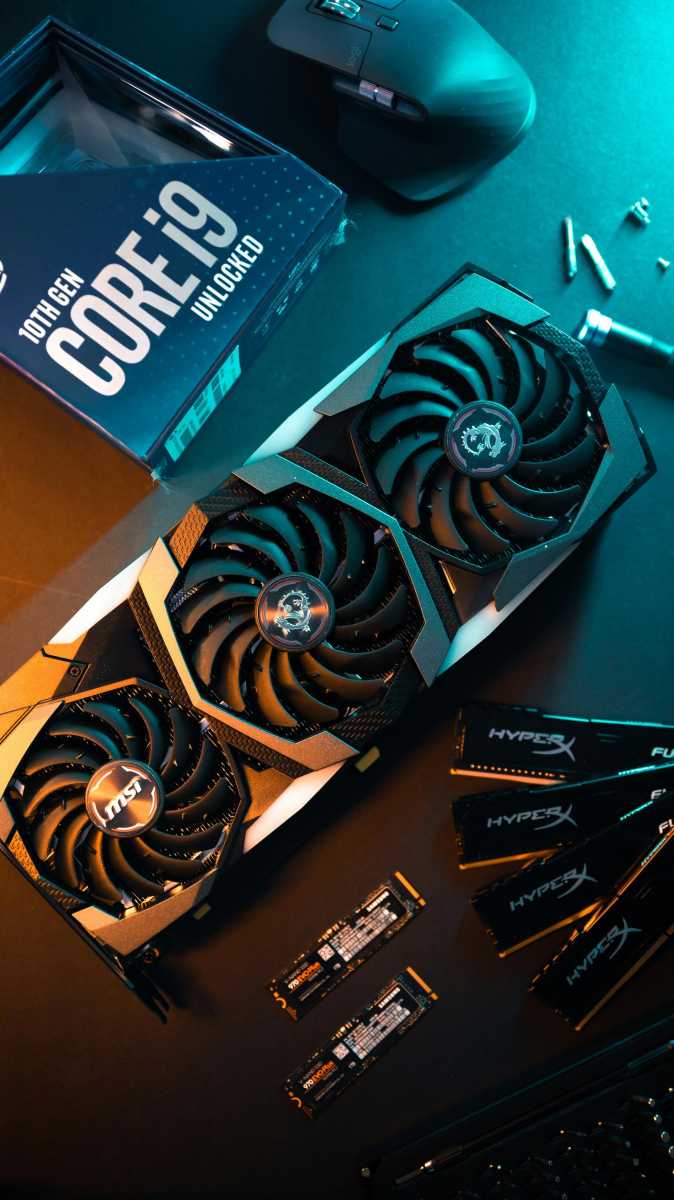
If you need a new computer now but can’t afford to splash out on all the components you’d really like, you can start with the basics and then upgrade later. With desktop computers, this isn’t a problem, and you can, for example, cut back a little on RAM and storage, and hope that prices will have fallen again in a couple of years.
If that’s your plan, it’s important to check what upgrade options you have. How many M.2 slots for SSDs does the motherboard have? Does it have two or four memory slots? Is there Thunderbolt or USB4? What about PCI Express slots?
When it comes to RAM specifically, it might be worth opting for, say, 2 x 16GB rather than 4 x 8GB, even if the latter is slightly cheaper, as you’ll then be able to add more later on without being left with spare memory modules. Some desperate computer buyers have even started buying just one module to begin with, even though this makes the memory half as fast.
Buying used or refurbished
Buying a whole second-hand computer can be a way to save money, but it can also be a nerve-wracking experience. A lot can go wrong, and if you’re not an expert, there’s a great deal to keep track of to avoid ending up with something that doesn’t live up to its price at all.
It’s simpler and safer if you’re looking for a specific computer model and buy from a shop that sells refurbished second-hand machines; this can be a way to get a newer computer than the one you have today at a reasonable price.
Another option is simply to buy certain components second-hand. For example, you could try to get hold of cheaper RAM and storage that way and then fit them into a new computer.
You need to be careful with second-hand storage. An SSD wears out when data is written to it, so an SSD that has been used in a server may be on its last legs without you realizing it. Check the number of terabytes written using programs such as CrystalDiskInfo (Windows) or Smartctl (Linux/Mac), and look up the manufacturer’s specified TBW (“terabytes written”) value.
Related content
This articles is written by : Nermeen Nabil Khear Abdelmalak
All rights reserved to : USAGOLDMIES . www.usagoldmines.com
You can Enjoy surfing our website categories and read more content in many fields you may like .
Why USAGoldMines ?
USAGoldMines is a comprehensive website offering the latest in financial, crypto, and technical news. With specialized sections for each category, it provides readers with up-to-date market insights, investment trends, and technological advancements, making it a valuable resource for investors and enthusiasts in the fast-paced financial world.