Cybersecurity advice is sometimes extremely straightforward. Your password leaked? Change it. Your PC needs updates? Apply them. You want to install pirated software? Don’t.
But more often, cybersecurity advice is a simplification of complex details—and results in opposite instructions from various experts. That’s confusing for many people, and I don’t blame anyone for feeling that way.
One recent example: I tend to recommend that people use a guest Wi-Fi network at home. But a colleague pointed out that Mike Danseglio, a certified ethical hacker and periodic contributor to PCWorld, had told him not to use one. So who was he supposed to believe?
Welcome to Safe Mode, your weekly report for pressing security and privacy news—and what steps to take next. Want this newsletter to come directly to your inbox? Sign up on our website!
I ended up chatting with Mike and ultimately, we weren’t actually in opposition. He and I had approached the issue from different angles. We each had calculated the risk involved (insecure gear on our home network), and then made a call based on how much we trusted the owner or maker of the device. Mike is more hardline about only allowing trusted devices on a home network. I take the view that for most people, they’ll pick features over security—or they won’t be able to tell how secure their gear is. A little extra protection can’t hurt, even if it’s not foolproof.
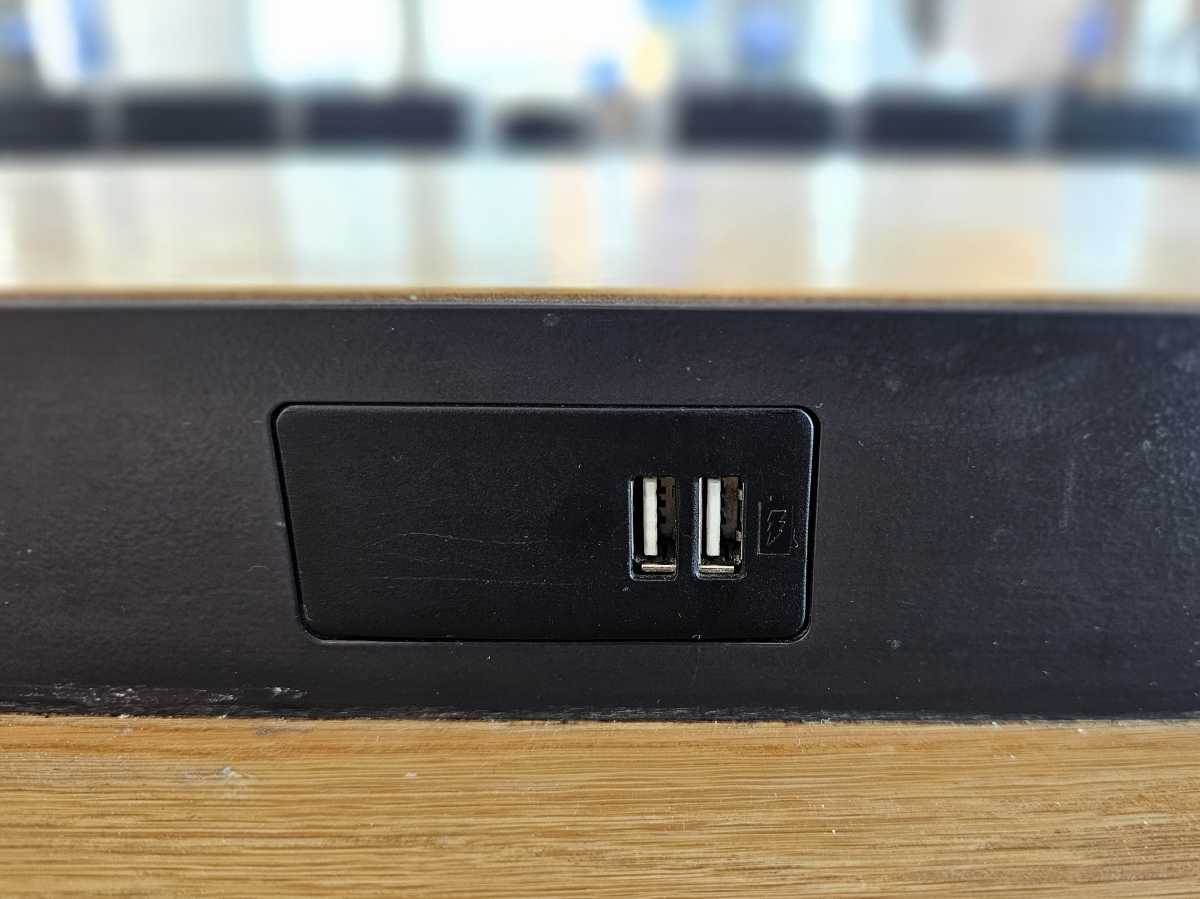
This scenario plays out constantly for cybersecurity topics. I can think of half a dozen off the top of my head. The right length and complexity for passwords. The benefits of a VPN. The dangers of public USB charging ports. The usefulness of two-factor authentication. The risks of public Wi-Fi. The time to retire old tech.
Mark Hachman / Foundry
Experts rarely have genuinely bad takes, where their advice can’t be reasonably defended at all. More often, advice falls on a scale somewhere between ideal behavior and realistic behavior. Ideally, whoever’s handing out recommendations should also explain their thinking—flesh out the context that makes clear where the advice comes from.
That’s usually what happens whenever friends and family come to me, asking for help detangling the cybersecurity advice they’ve read or heard. I put questions right back to them: Where did you hear this? What details were part of the recommendation? How are you trying to apply the information? And when did you start noticing any problems related to this advice?
If they can’t answer, we go back to the original source. If that’s not possible, I try to explain the overall situation, then attempt to reverse-engineer the situations where such advice could apply. Usually, conflicting info makes sense to the person when I provide the bigger picture.
So when an expert tells you what to do, pay attention to more than the sound bite portion—like “Don’t use public Wi-Fi.” Because the real advice was probably “Don’t use public Wi-Fi for sensitive browsing, like checking your bank account app.”
And if you don’t see that nuance in an answer? Ask for it. You’ll learn a lot. Not just about security and tech, but the expert’s level of knowledge, too.
In the news
Sometimes, cybersecurity is just watching defenses crumble a little, then watching new protections patch that gap. This week, we got a boost to Windows security, both right away in the form of better browser software and the promise of more frequent operating system fixes. And experts now have updated tips for how to spot AI-generated people in images.
That of course doesn’t stop the steady cycle of data breaches hitting companies that hold our personal information, as seven million drivers in the US just discovered. Or companies pulling questionable moves to feed ads to Windows users.
PCWorld
The good
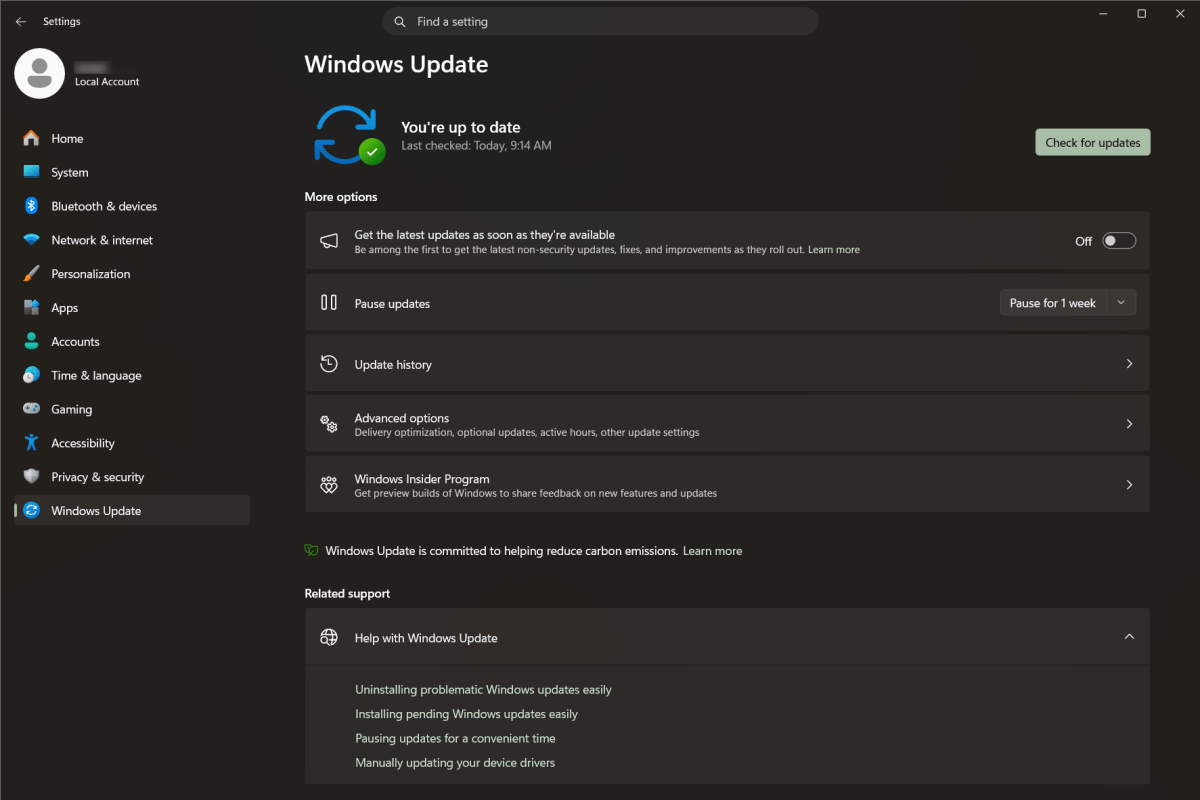
- Microsoft is promising more rapid Windows security updates, as part of using AI to identify vulnerabilities. If you’ve left Windows on its default setting of automatic updates, you won’t have to do a thing to get these stronger protections.
- Alternative web browser Opera can now block clipboard hijacking attacks on PC. This “Paste Protect” feature prevents the pasting of malicious data, along with showing an alert notification in the address bar. It’s worth a try—especially since Opera has other useful features not found in Chrome.
The bad
- A data breach at US insurer AssuranceAmerica has hit almost 7 million drivers. First detected in March 2026, the leak includes names, contact details, auto policy or account info, vehicle details, claims data, and driver’s license numbers. Affected policy holders should keep an eye on financial accounts and be on the alert for phishing attempts.
- LG is apparently sneaking advertisements to Windows users through exploitation of Microsoft’s system for driver installs. Unfortunately, blocking the automatic installation of vendor software would currently also block the install of needed drivers. (And that creates its own problems.)
The helpful
- Not sure how to spot AI-generated images of people? Scientific American spoke with experts who gave updated tips on what to look for. (Turns out being a little weird is what makes us human.)
Tip of the week
appshunter.io / Unsplash
LastPass isn’t the only company who’s lost a settlement lawsuit—Comcast (aka Xfinity) is also having to pay customers whose data was lost in a 2023 breach. Those affected have until September 14 to file for their share of the $117.5 million settlement fund.
Not sure if you qualify? CNBC’s report on the settlement includes instructions on how to look up your status.
This articles is written by : Nermeen Nabil Khear Abdelmalak
All rights reserved to : USAGOLDMIES . www.usagoldmines.com
You can Enjoy surfing our website categories and read more content in many fields you may like .
Why USAGoldMines ?
USAGoldMines is a comprehensive website offering the latest in financial, crypto, and technical news. With specialized sections for each category, it provides readers with up-to-date market insights, investment trends, and technological advancements, making it a valuable resource for investors and enthusiasts in the fast-paced financial world.