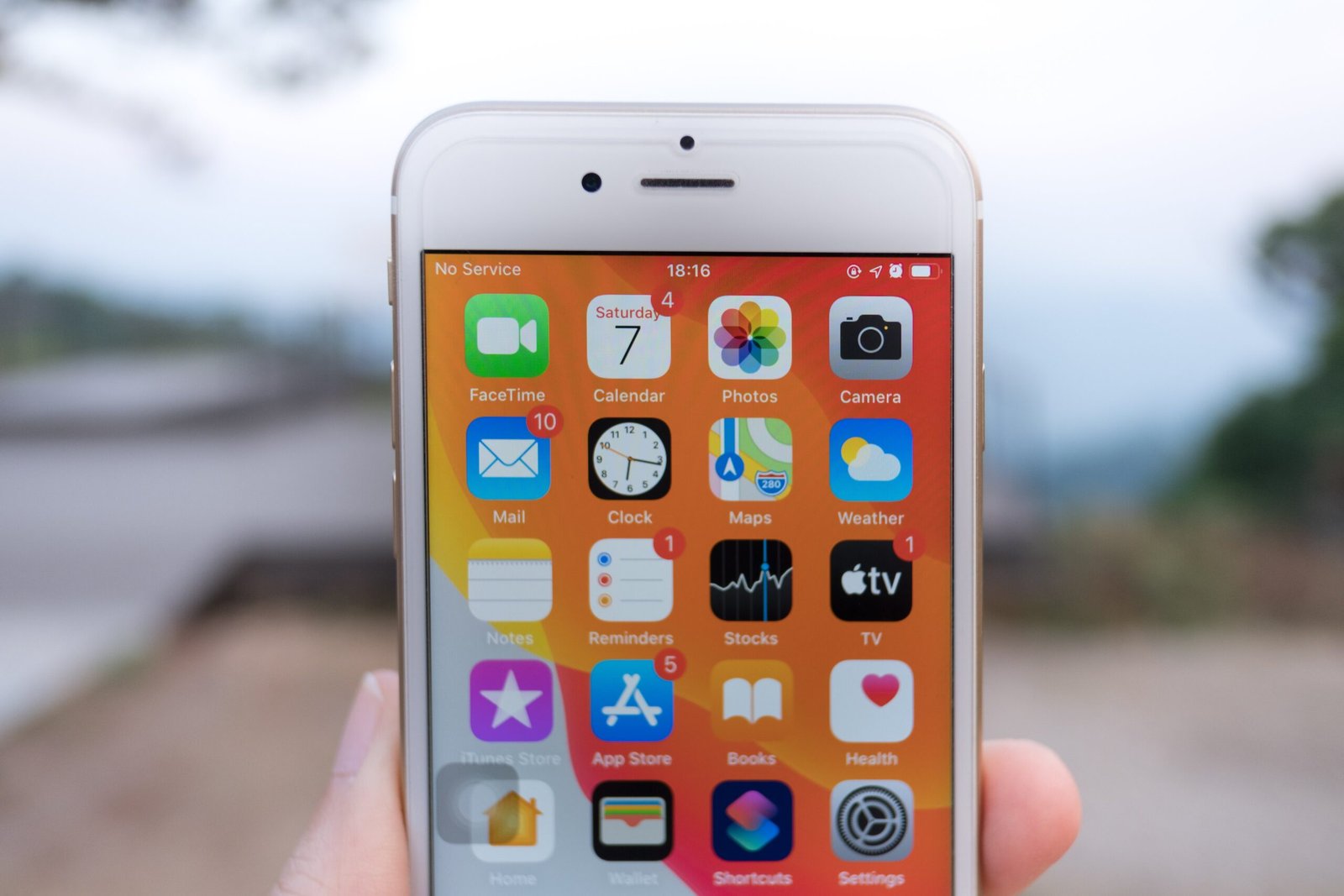
I’m always a little surprised any time I hit a dead zone. It’s 2026; we’ve had cell phones since the ’80s; modern 5G connections can rival home internet speeds; and yet, there are still way too many parts of this country that aren’t covered by cellular networks. While those cellular networks might not necessarily expand to cover the entire country any time soon, it is possible that, in the near future, you’ll be hard-pressed to find a part of the U.S. where you can’t make a phone call.
These carriers are working to end dead zones in America
On Thursday, Verizon published a press release featuring a pretty significant announcement: The big three cellular networks (AT&T, T-Mobile, and Verizon) are pooling their resources to try to end dead zones in America. The idea is to expand satellite communications across all three networks to directly address coverage gaps across the country, especially in “unserved and underserved communities.” That’s particularly important for remote areas of the States where there is little to no traditional cell service.
While the press release shies away from saying the joint venture will end dead zones entirely, it does stress that the plan is to “nearly eliminate” them in the U.S. But the goal goes beyond coverage gaps, too. By increasing satellite communications and, therefore, increasing redundancy in coverage, the networks believe they’ll improve reliability in emergencies: When everyone is trying to call and text across cell networks at once, they slow down or stop working entirely. By rolling out a more robust satellite network, there will be another means of communication during these high-demand situations. According to the press release, the networks will also work with rural mobile network operators to expand services to their customer bases.
Satellite communications are all the rage right now. Cellular networks, as well as smartphone manufacturers, have been rolling out expanded support in recent years. Apple, for example, now lets iPhone users text their contacts over satellite when they have no cell service, while T-Mobile offers similar services for its customers via Starlink. Of course, satellite service isn’t necessarily the same as cellular service: Because the signal needs to travel all the way up to a satellite orbiting the Earth, it takes a lot longer than your standard cell signal. As such, I’m not sure that somebody tapping into satellite coverage in a rural area of the U.S. is going to have as reliable an experience as another user connecting through 4G or 5G networks.
Still, satellite communications have literally saved lives in situations where cell service was not available. If the networks want to band together to create a dedicated network of satellite communications, I’m certainly not opposed.
This articles is written by : Nermeen Nabil Khear Abdelmalak
All rights reserved to : USAGOLDMIES . www.usagoldmines.com
You can Enjoy surfing our website categories and read more content in many fields you may like .
Why USAGoldMines ?
USAGoldMines is a comprehensive website offering the latest in financial, crypto, and technical news. With specialized sections for each category, it provides readers with up-to-date market insights, investment trends, and technological advancements, making it a valuable resource for investors and enthusiasts in the fast-paced financial world.