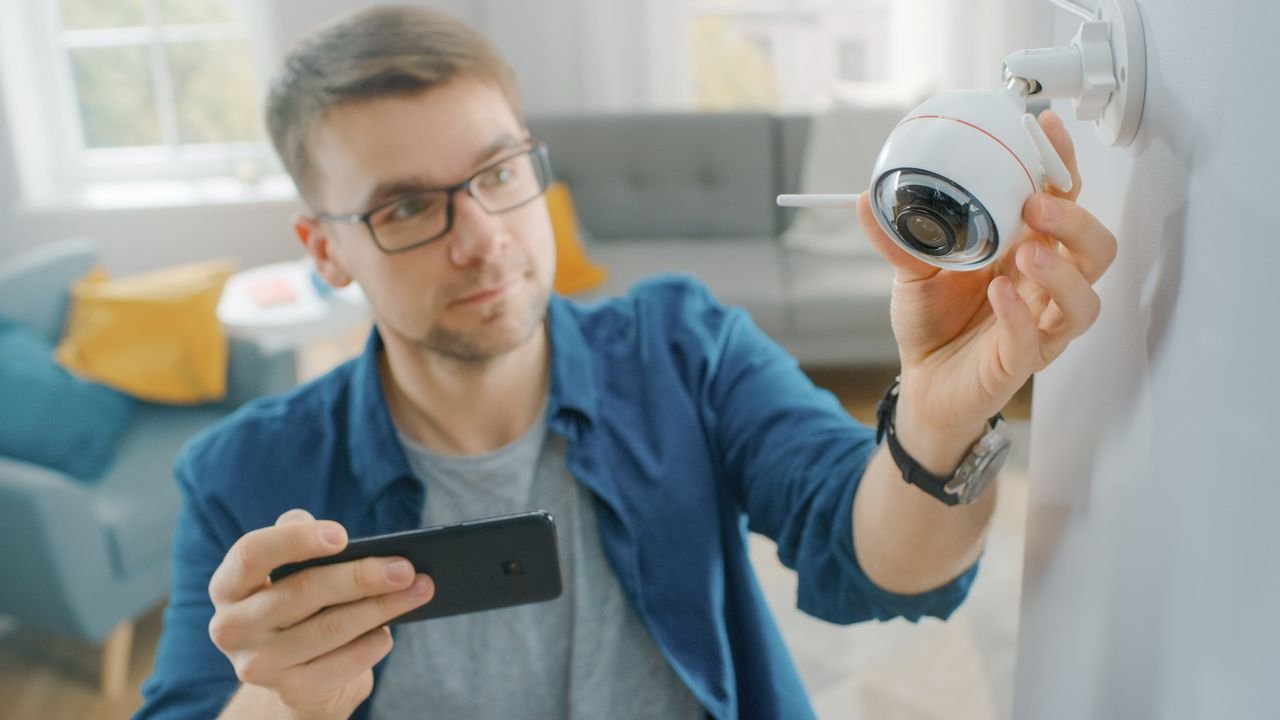
When Jon Woodard proudly installed the latest security technology on his Oxfordshire home, including a Ring video doorbell and a security camera on his shed, little did he realise that it would result in a landmark case that was to set him back thousands of pounds in damages.
The dispute began innocently enough with an invitation from Mr Woodard to his neighbour, Dr Mary Fairhurst, for a tour of his newly renovated home during which he showcased his then cutting-edge security setup. But it soon descended into an acrimonious battle when, in the words of the judgement, Dr Fairhurst was “alarmed and appalled” to discover that the camera mounted on Mr Woodard’s shed pointed directly at her property.
As well as objecting to live video footage being streamed directly to Mr Woodard’s smartphone, the court heard how she found the audio data which captured her private conversations “even more problematic and detrimental than video data.” And when the case landed in Oxford County Court, Judge Melissa Clarke upheld claims that the devices “unjustifiably invaded” Fairhurst’s privacy and their use breached the Data Protection Act 2018 as well as UK General Data Protection (GDPR) legislation.
Crucially, the court singled out the audio data collected by the cameras as being “more problematic and detrimental than video data” because it captured conversations from people who were entirely unaware that a device was listening or that audio was being processed. As a result, Mr Woodard was ordered to pay damages and a fine believed to total up to £100,000.
Speaking at the time of the case in October 2021, digital privacy expert Hannah Hart of Pro Privacy told the BBC: “While this case doesn’t set a legal precedent, it does continue an ongoing conversation about our changing attitude towards domestic surveillance — and how normalised it has become in our communities.”
Navigating legal boundaries of home surveillance
Five years on from the landmark case and the risk of falling foul of the law with home security equipment has only grown as new technology such as facial recognition has become commonplace, and users have turned to social media to post video footage taken with their security cameras and video doorbells.
In very broad terms, those using this kind of surveillance technology must have a lawful basis for doing so
Lisa Sweetman, Knights
And while understanding what you can and can’t do with domestic cameras does vary between regions, in most countries there is legislation in place to protect the privacy of individuals whose images and, potentially voices, are captured on these devices. As Lisa Sweetman, Partner in the Commercial Team specialising in Data Protection at legal firm Knights told TechRadar: “In very broad terms, those using this kind of surveillance technology must have a lawful basis for doing so and should or must, in certain cases, conduct a data protection impact assessment, or risk assessment, to ensure they are aware of and can mitigate the associated risks to other people’s privacy.”
According to Sweetman, this means, legally speaking, that users must tell people that this technology is in use, through clear signage supported by a more detailed privacy notice on their property. Also, that “users must be prepared to respond to people’s questions and requests regarding the uses of their data.” And while there is an exception made in the data protection regulations for purely personal household use, known as the ‘domestic purposes exemption’, its application is, claims Sweetman, limited.
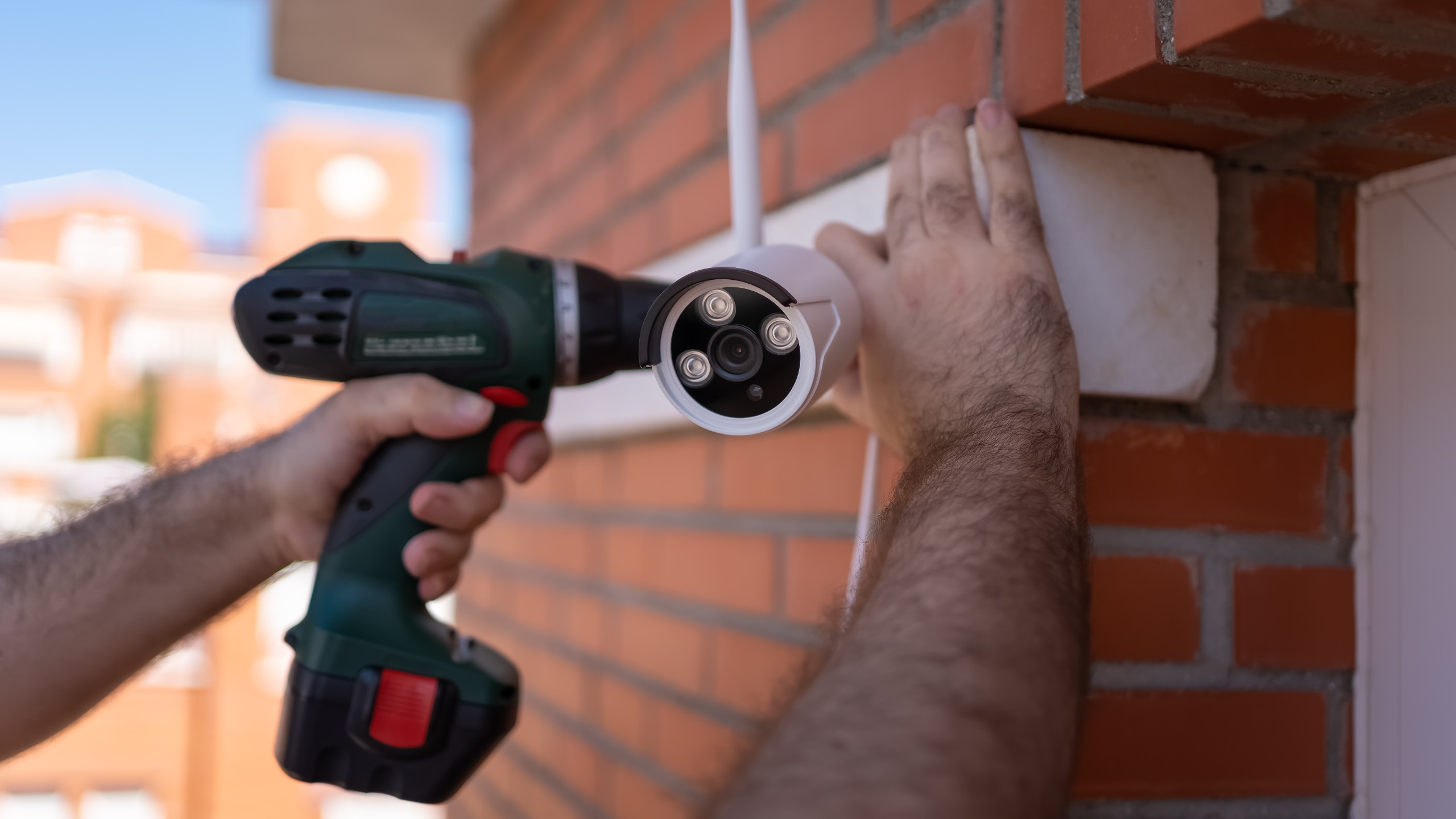
“It is recommended that if a user wishes to rely on the domestic exemption from data protection law, they should ensure that the field of view of the camera does not extend beyond the perimeters of their property,” says Will Richmond-Coggan, Partner and Head of Data and Privacy Disputes at legal firm Freeths. “Where that is not possible, or where the homeowner specifically wishes to keep an eye on their car parked in the road, they should proceed on the basis that they are operating CCTV in a public space and they are therefore potentially to be regarded as a controller of any personal data collected.”
According to Richmond-Coggan, this means ‘doing all the same things that a business would do, including making some clear decisions about what the data is used for, how long (if at all) it is retained and the circumstances in which it might be shared.’ Regarding sharing footage with neighbours to guard against scammers, car thieves and burglars, Richmond-Coggan advises creating a “written data sharing agreement which commits each of them to common standards of safeguarding in relation to the information and how it is used.”
Increasing number of complaints to ICO
Regarding ‘accidental spillage’, where footage beyond your property’s boundary is captured, the ICO (Information Commissioner’s Office), which is responsible for enforcing data protection regulations in the UK, offers useful advice for the public in its guidance on home CCTV systems.
“Incidental capture of neighbouring property is not automatically unlawful, but it can be a trigger point,” an ICO spokesperson told TechRadar. “Where cameras record beyond the homeowner’s boundary, the owner should minimise intrusion where possible — for example by adjusting the camera angle or using privacy masking features (on the camera).”
Incidental capture of neighbouring property is not automatically unlawful, but it can be a trigger point
ICO spokesperson
According to its Annual Report for 2025/2026, the ICO received 76,743 data protection complaints in 2025/2026, up from 42,315 in the previous year. “The ICO takes concerns about misuse of personal information seriously whether they relate to organisations or individuals,” said an ICO spokesperson. “We regularly receive and consider complaints about domestic CCTV and smart doorbells.”
However, although the ICO has a range of regulatory powers where data protection law applies, including potentially fining users for a breach, it encourages “people to resolve concerns directly wherever possible”.
Posting footage on social media
Whereas CCTV footage from security cameras and video doorbells used to be confined to personal use, the growth of social media has seen an explosion of people uploading footage to platforms such as Facebook, TikTok or local community groups to identify supposedly ‘suspicious figures’.
Doing so, though, carries severe legal hazards, Knights’ Lisa Sweetman advises. “Uploading footage from a video doorbell to social media is not automatically unlawful, but it can raise significant privacy concerns… Ultimately, the fact that someone appears in footage recorded on your property does not give you the right to publish it on social media.”

Warning against the dangers of speculating about someone’s behaviour, Gavin Wilson, Director of Physical Security and Risk at cyber and physical security company Toro Solutions, cautions: “We need to remember a camera only give you part of the picture. It can show you that someone was outside a property at a particular time, but it can’t necessarily tell you who they are, why they were or whether they’ve done anything wrong.” Wilson advises users who think they have “captured criminal activity to keep the original footage and give it to the police, rather than posting it online asking people to identify or accuse the individual.”
Not only can uploading video to social media potentially breach data protection laws, you also run the risk of falling foul of other laws too. For example, in the UK under the Defamation Act 2013, you could be sued if footage causes, or is likely to cause, serious harm to a person’s reputation (unless you can prove it is in the public interest) while if the video targets a specific individual, it can cross the line into criminal or civil harassment under the Protection From Harassment Act 1997 — especially if your post encourages followers to track down, abuse, or ‘dox’ the person featured.
Ultimately, the fact that someone appears in footage recorded on your property does not give you the right to publish it on social media
Lisa Sweetman, Knights
“People should think carefully about uploading footage to social media as it can raise additional data protection and potential considerations around defamation or harassment — particularly if identifiable individuals are shown without consent and the footage is shared beyond personal use,” an ICO spokesperson told TechRadar. “Children’s personal information warrants particular care and protection. Any sharing should have a clear and justifiable reason and should not unnecessarily infringe the privacy rights of those captured.”
Finally, if you record and upload footage of an accident, a crime scene, an ongoing police investigation, or a court trial, your post could severely compromise legal proceedings. For instance, publishing videos of suspects or witnesses online can prejudice a future jury, leading to charges of contempt of court or interfering with the course of justice.
Growth of facial recognition technology and AI
Importantly, when installing home security cameras and video doorbells, homeowners must carefully balance their own security needs with the privacy rights of those around them. As Ali Park, country manager at security camera manufacturer Reolink, points out, “a security camera should be there to protect your home, not to create a permanent record of everyone who happens to pass.”
To help users stay compliant, modern devices incorporate built-in features such as privacy masking and activity zones that allow owners to black out public areas or neighbouring properties. “Most modern cameras allow people to adjust viewing angles, create privacy zones or limit motion detection to specific areas, and I would use those settings wherever possible,” explains Everett Lupton of law firm Slaughter & Lupton. “Audio recording can also raise privacy concerns, so people should understand exactly what their devices record.”

One area that is attracting particular attention right now is the rapid emergence of both facial recognition and AI technologies, not just inside commercial security devices, but increasingly in home devices too. “Considerable care should be used in deploying facial recognition technology in a domestic setting for security,” argues Freeths’ Will Richmond-Coggan. “It involves processing of special category biometric identifiers, and it is unlikely that a domestic user will be able to meet the stringent requirements around such use, particularly where the data is likely to be shared with the third-party provider of the facial recognition technology.”
Given the intrusive nature of facial recognition, Knights’ Lisa Sweetman says a DPIA (Data Protection Impact Assessment) would be required to use facial recognition technology to identify potential criminals. “Using facial recognition simply to identify known burglars will be difficult to justify unless there is a clear and lawful basis for doing so and appropriate safeguards are in place.”
Considerable care should be used in deploying facial recognition technology in a domestic setting for security
Will Richmond-Coggan, Freeths
Nor is it just a privacy issue, argues Reolink’s Ali Park. There are also concerns over levels of accuracy. “Facial recognition is still very new and has a few teething issues,” he says. “Because of those exact privacy and accuracy questions, we don’t offer facial recognition in our products.”
Toro Solutions’ Gavin Wilson agrees: “Facial recognition can be a useful security aid, but it isn’t proof of identity and people shouldn’t assume that because the security camera has produced a match, it must be correct.”
Regarding artificial intelligence and the rising risk of ‘deep fakes’, it’s important that if CCTV is used in a criminal case that it hasn’t been altered in any way. “There are a number of factors that can help establish authenticity. These include retaining the original recording, preserving metadata such as the date, time and device information, maintaining a clear record of how the footage has been handled and ensuring any copies can be traced to the original source”, says Knights’ Lisa Sweetman. “As the use of AI-generated content becomes more widespread, maintaining an auditable record of where the footage came from, how it has been stored and whether it has been altered is likely to become increasingly important.”
Taking common sense measures
Home security cameras and video doorbells are undeniably invaluable assets for protecting your home, offering vital reassurance against package thieves and intruders. Making sure that you use them properly largely comes down to taking a few precautionary, common-sense measures during set up and use.
For example, when configuring your hardware, rather than letting a lens sweep wide across shared streets or adjacent gardens, use the camera’s built-in tools such as privacy masking to black out areas outside of your property. Users should also remain conscious of recording external audio, while storing footage on local MicroSD cards or hard drives rather than defaulting to external cloud storage is advisable to ensure personal data control.
The most sensible approach is to collect the minimum footage necessary for the safety of you and yours
Ali Park, Reolink
When it comes to deciding what to do with captured files after an event occurs, it’s best to exercise caution. While capturing film for home security Is lawful, posting identifiable images on social media platforms can cross the line, leaving users exposed to potential legal action. If you must post footage publicly, then it’s best to use technology to blur people’s faces to protect those not involved with an incident – especially children whose personal information demands maximum protection under data protection law.
Ultimately, high-tech security shouldn’t feel high-stress. Treat your camera as a targeted perimeter shield rather than a public broadcasting network. Concludes Reolink’s Ali Park: “The most sensible approach is to collect the minimum footage necessary for the safety of you and yours, manage it responsibly and store this footage for as little time as possible.”
This articles is written by : Nermeen Nabil Khear Abdelmalak
All rights reserved to : USAGOLDMIES . www.usagoldmines.com
You can Enjoy surfing our website categories and read more content in many fields you may like .
Why USAGoldMines ?
USAGoldMines is a comprehensive website offering the latest in financial, crypto, and technical news. With specialized sections for each category, it provides readers with up-to-date market insights, investment trends, and technological advancements, making it a valuable resource for investors and enthusiasts in the fast-paced financial world.