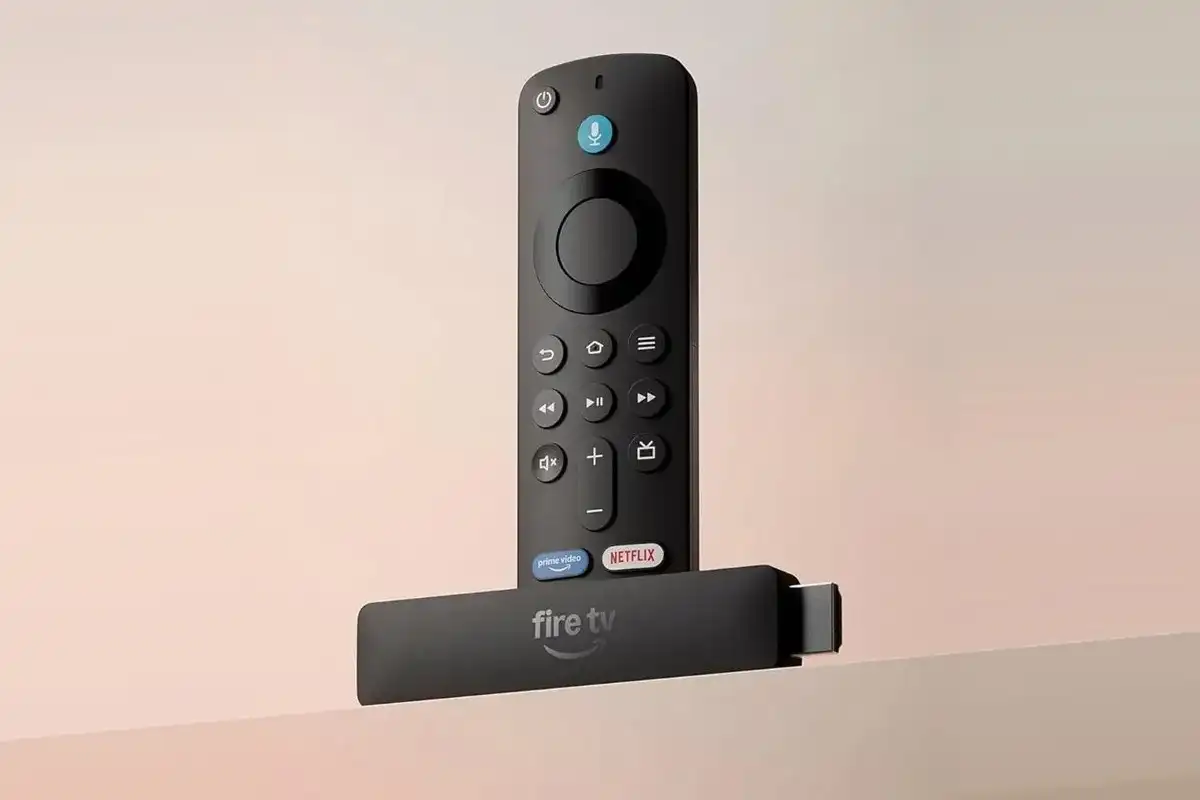
Like it or not, Amazon is starting to phase out the Fire TV operating system it’s been using for more than a decade.
On both the new Fire TV Stick HD and the Fire TV Stick 4K Select that launched last fall, Amazon is shipping a new operating system called Vega. Going forward, the company says it won’t launch any new Fire TV Stick models based on its former Android OS, as it’s sticking with Vega going forward.
That’s a problem, because right now Vega is worse than the Android operating system it’s replacing, with a smaller app selection, missing features, and more restrictions. Vega might suit Amazon’s business goals, but there’s little in it for Amazon’s users.
Vega’s app issues
Because Vega isn’t based on Android anymore, streaming services must release entirely new apps to support it.
In fairness, most major streamers have already done so. Netflix, YouTube, Hulu, Disney+, HBO Max, Paramount+, Peacock and many others already work fine on the new Fire TV Stick HD or Fire TV Stick 4K Select.
But for the services that don’t yet support Vega, things get a little weird.
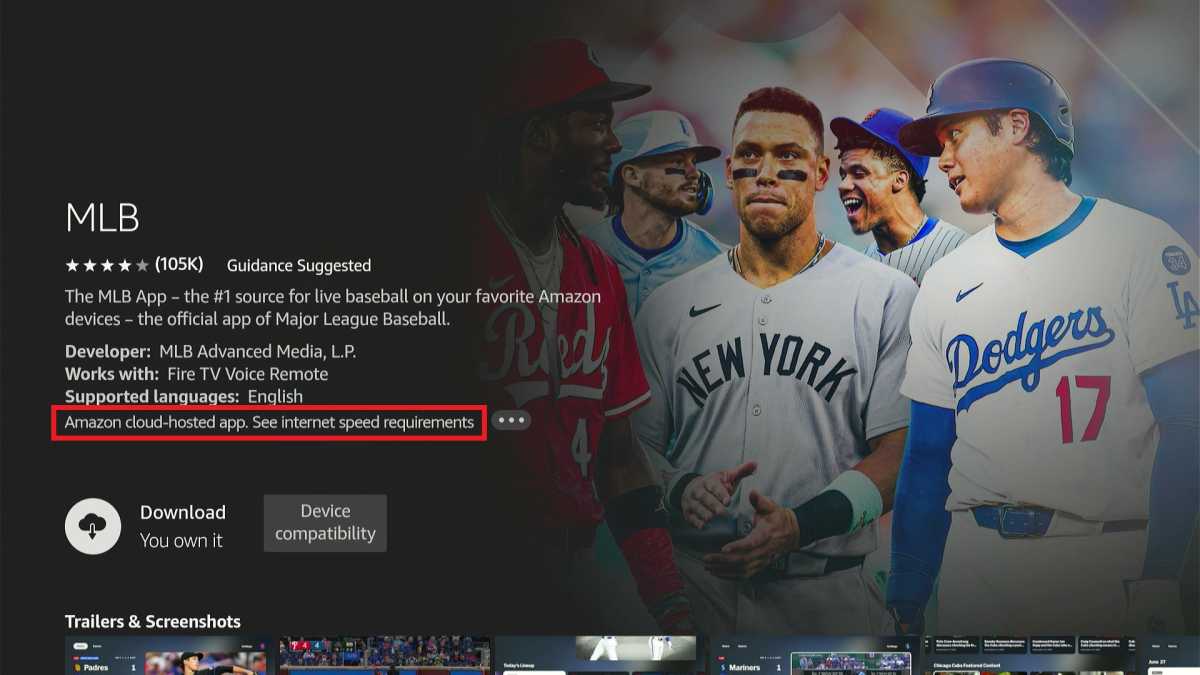
In some cases, Amazon is streaming popular apps from its own servers as a workaround, as noted with an “Amazon cloud-hosted app” disclaimer on the app’s store page. The cloud-hosted apps I’ve come across so far include the Roku Channel, MLB, NFL, Fox Sports, Crunchyroll, Acorn TV, CuriosityStream, Xfinity Stream, and Frndly TV.
Jared Newman / Foundry
Streaming an app from the cloud is worse than having it installed on your device. Simply navigating the interface uses 8 Mbps of data, and you might notice some latency and visual artifacts as you click around. Cloud-based apps work as a stopgap, but they’re not ideal.
Meanwhile, a number of apps are missing from the Fire TV’s Vega OS outright:
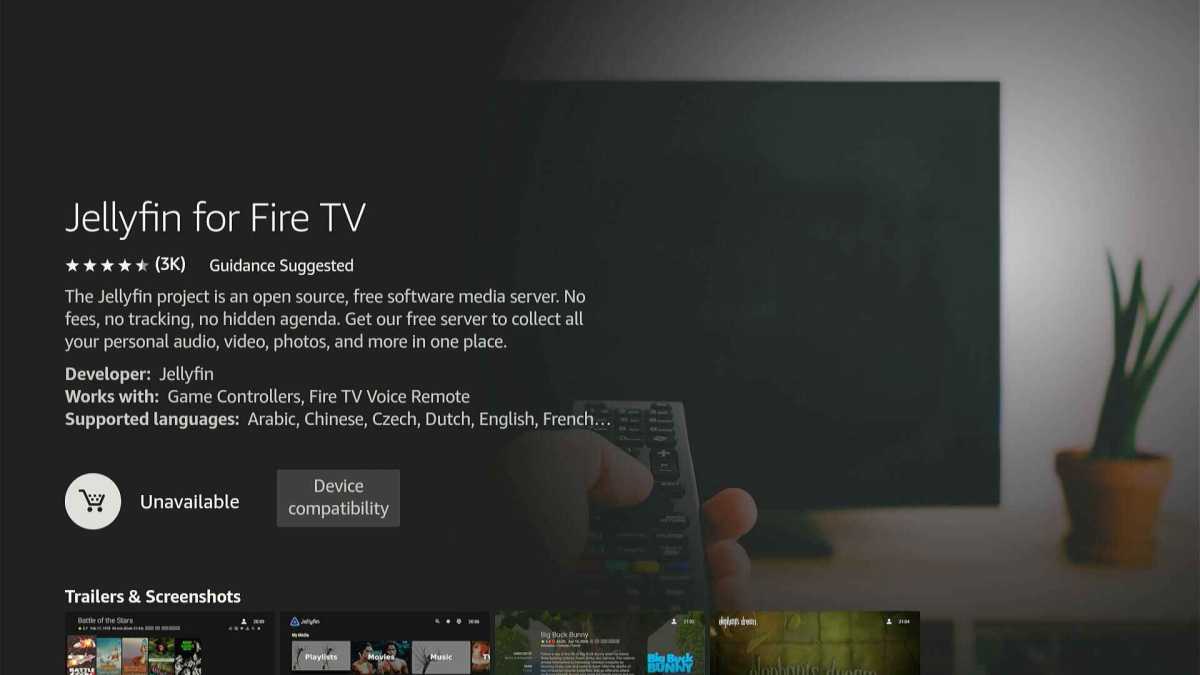
- Several over-the-air DVR apps are absent from the platform, including Tablo, HDHomeRun, Channels DVR, and Jellyfin.
- The selection of utility apps is far smaller, with just a couple of VPN options, no file managers, and no screen mirroring options.
- Vega doesn’t offer any games for download, only cloud-based streaming from Xbox or Amazon’s Luna service. (Even if you prefer streaming, GeForce Now and Volley are absent as sources.)
Jared Newman / Foundry
Whereas the Android-based version of Fire TV was more of an open platform for TV apps, Vega is more narrowly focused on streaming services, at least for now.
You may also run into some bugs that don’t affect other Fire TV devices. When I tried playing a video from my Plex media server, for instance, the app repeatedly froze up on a buffering screen.
Missing features
In its zeal to get Vega off the ground, Amazon also left behind some features found on Android-based Fire TV devices.
Elias Saba at AFTVNews has done a great job documenting these omissions. I’ll just call out some highlights:
- There’s no “Auto Offload” setting that frees up storage space from unused apps. Users will have to aggressively manage their storage on the Fire TV Stick 4K Select and Fire TV Stick HD, as they only include about 4 GB of usable space.
- Amazon’s live TV guide is missing category filters and picture-in-picture live channel previews.
- Dialogue boost and volume leveling features are missing.
- Alexa Home Theater support is absent, so you can’t play TV audio through Echo speakers.
- There’s no support for Matter Casting, the alternative to Chromecast and AirPlay that Amazon itself is supposed to be championing.
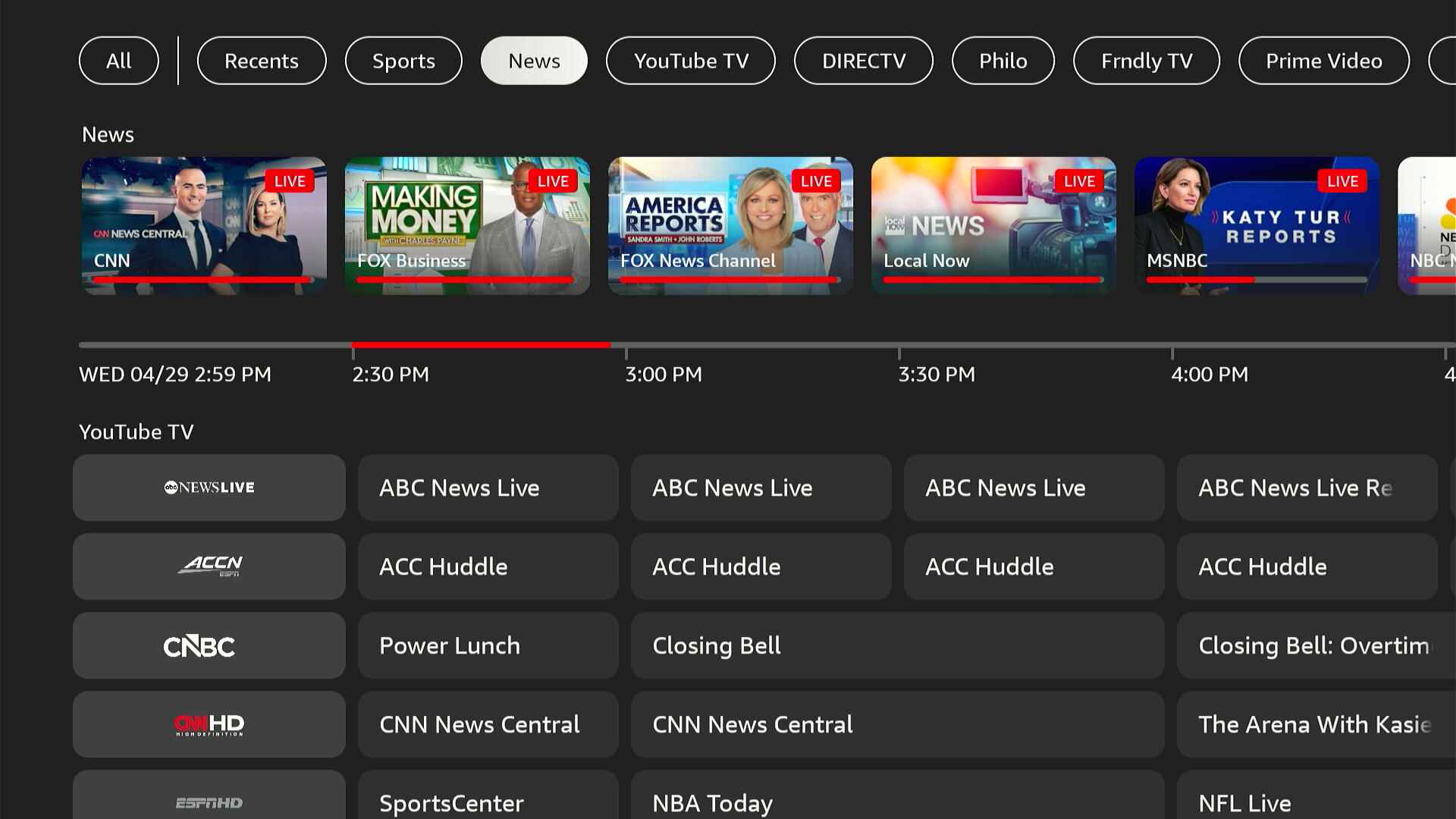
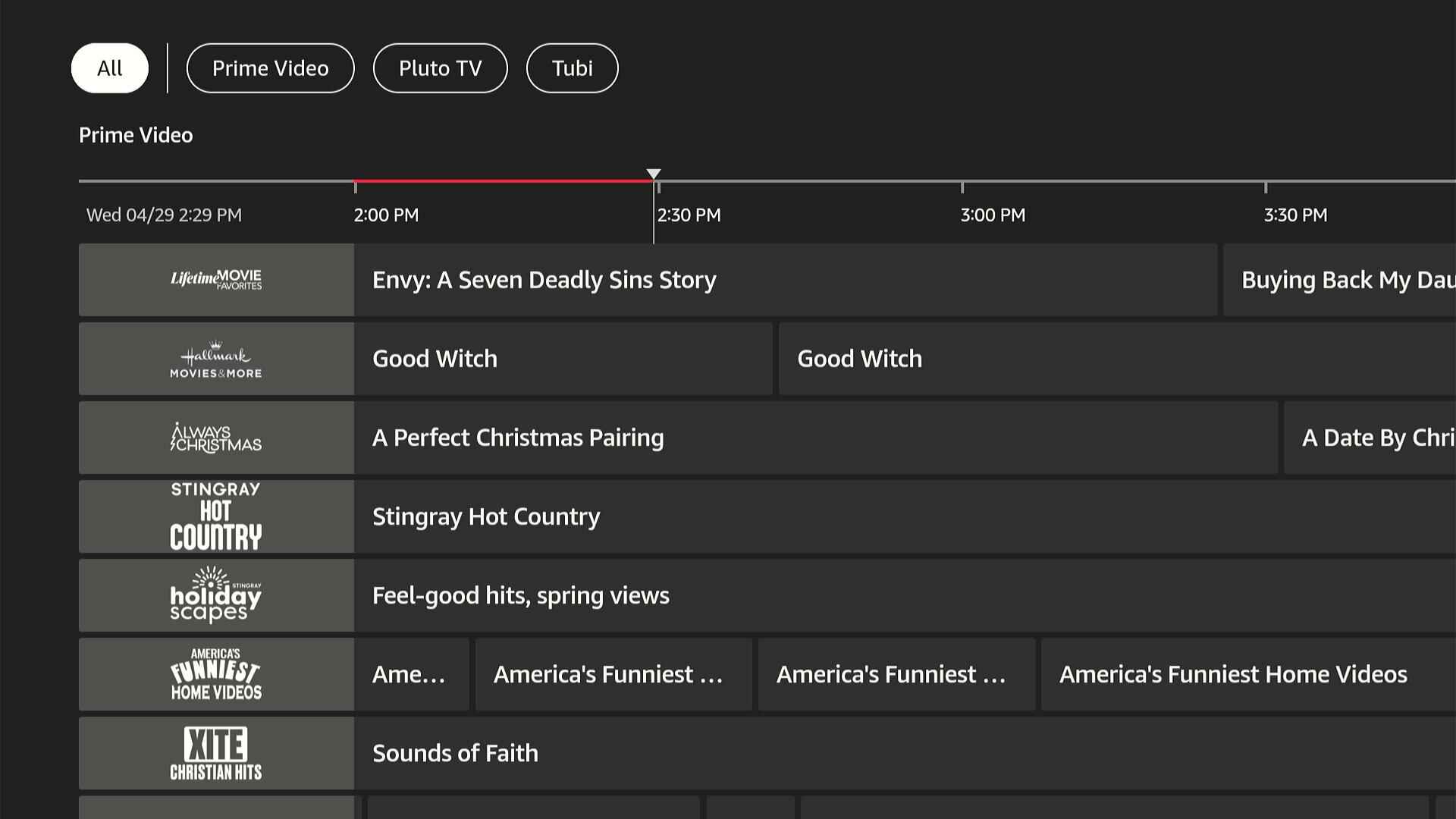
Saba pointed out these missing features back in October when the Fire TV Stick 4K Select first launched. Six months later, Amazon hasn’t addressed any of them.
No more sideloading
The other big limitation with Vega is one that will never change: You’re not allowed to install apps from outside of Amazon’s Appstore.
Granted, sideloading is often used to facilitate piracy, and Amazon has started blocking piracy apps on its Android-based Fire TV devices as well. Regardless of operating system, the company’s official stance is that sideloading is only meant for developers to test their apps.
But sideloading also has some legitimate uses. It’s the only way to use the popular media player app Kodi on Fire TV (though Kodi itself can facilitate piracy through third-party plugins), and it’s allowed users to install Android apps that otherwise aren’t available on Amazon’s platform.
Those workarounds won’t be available on Vega-based Fire TV devices, where the only way to sideload is by becoming a registered developer.
Cost cutting
While Amazon says the new Vega OS is more efficient than Android, resulting in a speedier interface, it’s also an excuse to cut costs.
The Fire TV Stick 4K Select, for instance, has half the RAM of the Android-based 4K Plus model, which can mean more waiting around when switching between apps.
Meanwhile, the new Fire TV Stick HD no longer ships with a power adapter. Amazon says you should just plug the device into your TV’s USB port instead, but that can result in longer startup times if your TV doesn’t deliver power to the port when it’s turned off. And if you need an HDMI extender due to the shape of your TV’s input panel, that’s now offered separately.
To be fair, the Fire TV Stick 4K Select is $10 cheaper than the 4K Plus model, at $40 instead of $50, though it’s also missing Dolby Vision and Atmos audio. The Fire TV Stick HD, however, has the same $30 sticker price despite the missing adapters.
What it means for you
Amazon’s Vega OS only runs on the 2025 Fire TV Stick 4K Select and the 2026 Fire TV Stick HD. All other Fire TV devices still use previous Android-based OS, and Amazon hasn’t announced any plans to swap operating systems on existing devices.
For now, that means you can keep buying Android-based Fire TV devices, including the Fire TV Stick 4K Plus, Fire TV Stick 4K Max, and Fire TV Cube. Amazon says it will support these devices with security updates through at least 2030, or for at least four years from when you buy them on its website.
Long-term, though, Amazon is motivated to leave its Android-based OS behind. Doing so will mean less dependence on Google for development, more control over costs, and more ways to dictate what customers can do with their devices.
What those customers get in exchange, though, is less than what they were getting before.
Sign up for Jared’s Cord Cutter Weekly newsletter for more streaming TV advice.
This articles is written by : Nermeen Nabil Khear Abdelmalak
All rights reserved to : USAGOLDMIES . www.usagoldmines.com
You can Enjoy surfing our website categories and read more content in many fields you may like .
Why USAGoldMines ?
USAGoldMines is a comprehensive website offering the latest in financial, crypto, and technical news. With specialized sections for each category, it provides readers with up-to-date market insights, investment trends, and technological advancements, making it a valuable resource for investors and enthusiasts in the fast-paced financial world.