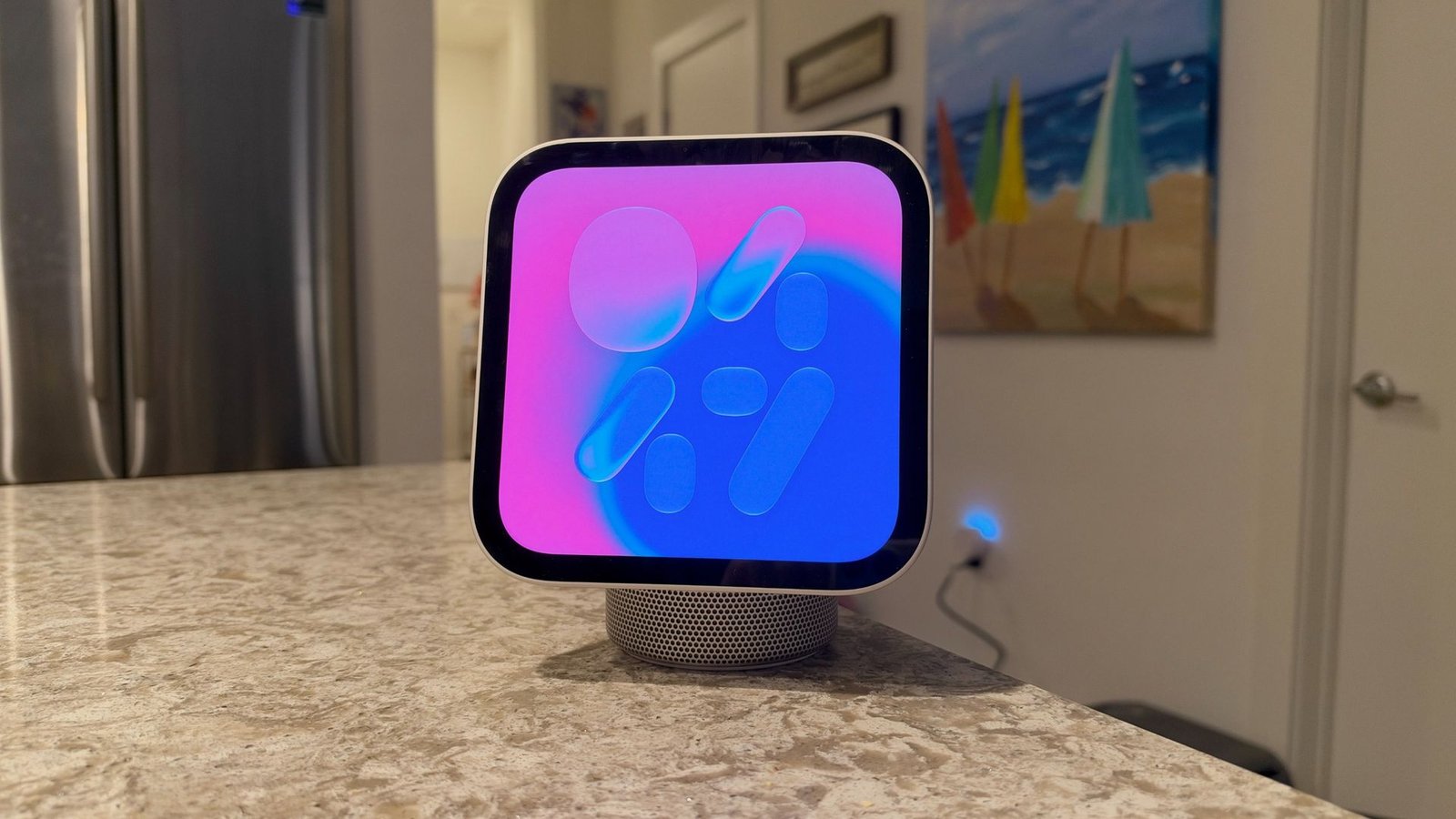
Apple’s HomeView has been a long time coming, and it follows the Cupertino-based tech giant’s familiar approach of arriving when it believes it can make the biggest impact and deliver the best user experience, rather than rushing to be first. It’s been a trend this fall, with the arrival of the iPhone Duo and Apple’s first touchscreen Macs.
But HomeView doesn’t exist in a vacuum. It’s launching alongside the HomePod mini 2 and a new Apple TV 4K, and central to all three is Siri AI. As Apple’s first smart display, it’s also entering a crowded category that Amazon and Google have competed in for years, alongside dedicated smart calendars like Skylight and even digital photo frames.
I’ve been living with two HomeViews for over a week now, and it’s a pretty formidable first showing, especially at $299, which, in the grand scheme of Apple products, is actually pretty affordable. Unsurprisingly, Apple’s approach is different from the competition. Deep ecosystem integration is a huge advantage, but perhaps more importantly, HomeView isn’t a smart display that constantly craves your attention or demands interaction.
Home life is super busy, you know, it’s complicated, it’s complex, and people are moving around, and we wanted a device that was really designed specifically for that environment
Matthew Costello
That, it turns out, is very much by design.
“Home life is super busy, you know, it’s complicated, it’s complex, and people are moving around, and we wanted a device that was really designed specifically for that environment,” Matthew Costello, Apple’s Vice President of Hardware Engineering, told me during an interview with TechRadar about HomeView and Apple’s broader smart home ambitions.
Costello was joined by Cecilia Dantas, Home Product Marketing, and across our conversation, it became clear that Apple’s ambitions extend well beyond adding another screen to its lineup. The challenge was bringing together the hardware, software, and intelligence in something that feels natural in a shared space.
Why now? It starts with Siri AI
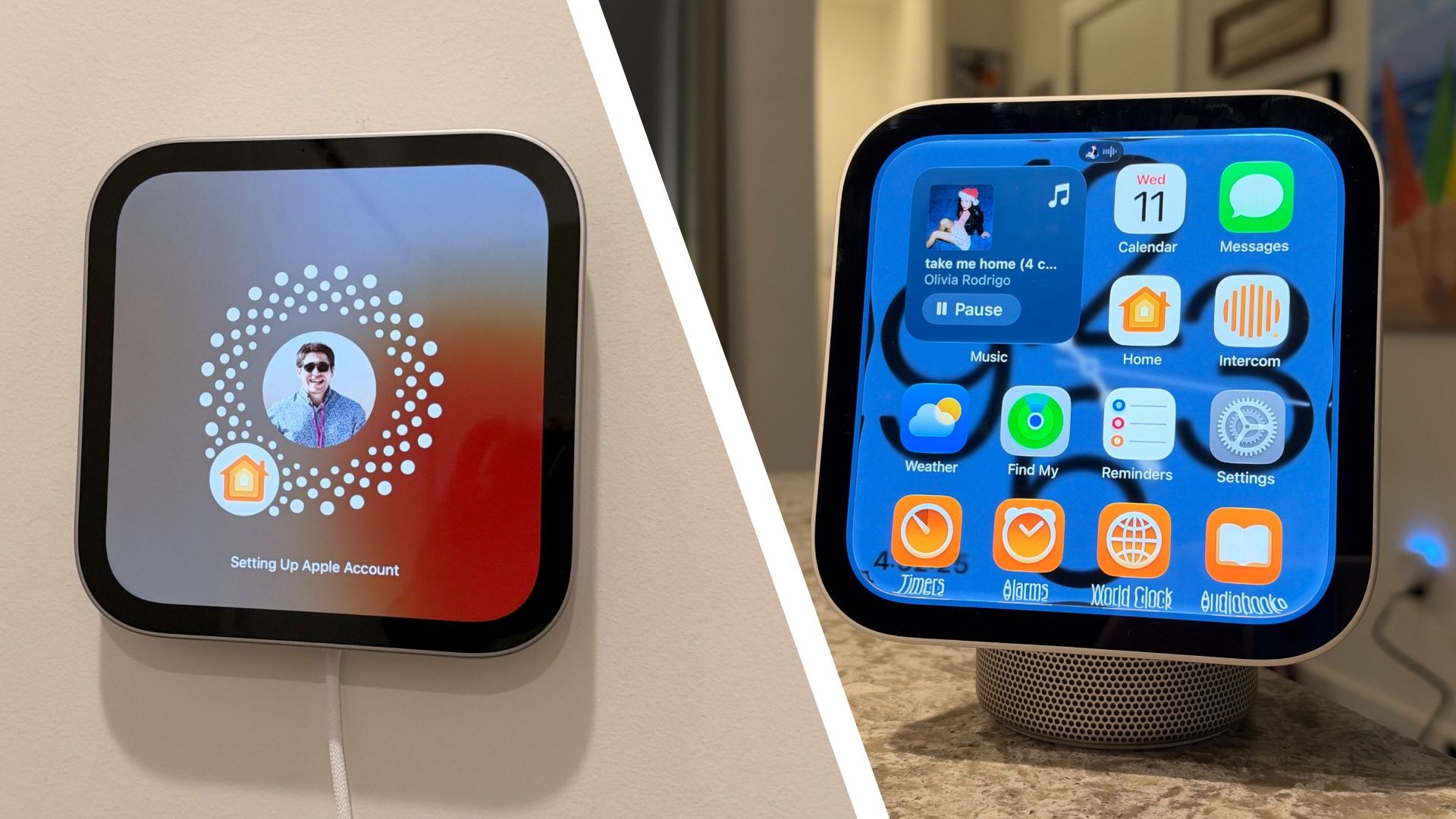
Apple has been making smart home products for years, but HomeView represents a turning point. Siri AI can now draw on the personal context stored on your iPhone, and Apple is extending that intelligence into devices designed for an entire household.
Taking advantage of the iPhone as your personal AI hub
Matthew Costello
Costello pointed to the evolution of Siri AI and “taking advantage of the iPhone as your personal AI hub” as a major catalyst. Bringing that capability and “tying that into a device that is communal in nature in a home, we thought was a really important moment,” he said.
It’s a significant part of why HomeView exists now rather than a few years ago, and Siri wasn’t simply something Apple added after developing the hardware.
“But it really was constructed around Siri.”
Costello sees AI as a fundamental shift in how people interact with technology, and Apple’s goal is to make that technology feel intuitive rather than complicated. Siri AI can now answer questions using broad world knowledge, handle conversational follow-ups, and take actions across thousands of integrated apps.
But it’s the personal context that makes HomeView particularly interesting. Costello noted that Siri can now help with personal questions by “drawing on what’s already on your device,” including years of messages, mail, notes, photos, and calendar information stored on your iPhone.
That means HomeView can answer questions without you having to explain every bit of context. During my testing, I asked Siri to find a song a friend had recommended in Messages. It found the recommendation, and I could ask it to play the song without picking up my phone.
It took around 10 to 15 seconds, so there’s still room for improvement, but the experience showed the potential of having that intelligence available throughout the home.
And HomeView can also understand what’s happening on its screen. If you’re following a recipe, for example, you can ask about substituting an ingredient without explaining which recipe you’re looking at.
Apple also tailored Siri AI to play to the strengths of each device, with HomePod mini 2 focusing on personalized audio and Apple TV 4K introducing hands-free Siri.
There’s another piece to the timing. Apple’s new Home Collection introduces a tier of accessories developed in closer collaboration with partners, building on Matter and Works with Apple Home to offer deeper integration.
For Costello, a more capable Siri and a more integrated smart home ecosystem marked the right moment to introduce HomeView.
The engineering behind something that looks deceptively simple
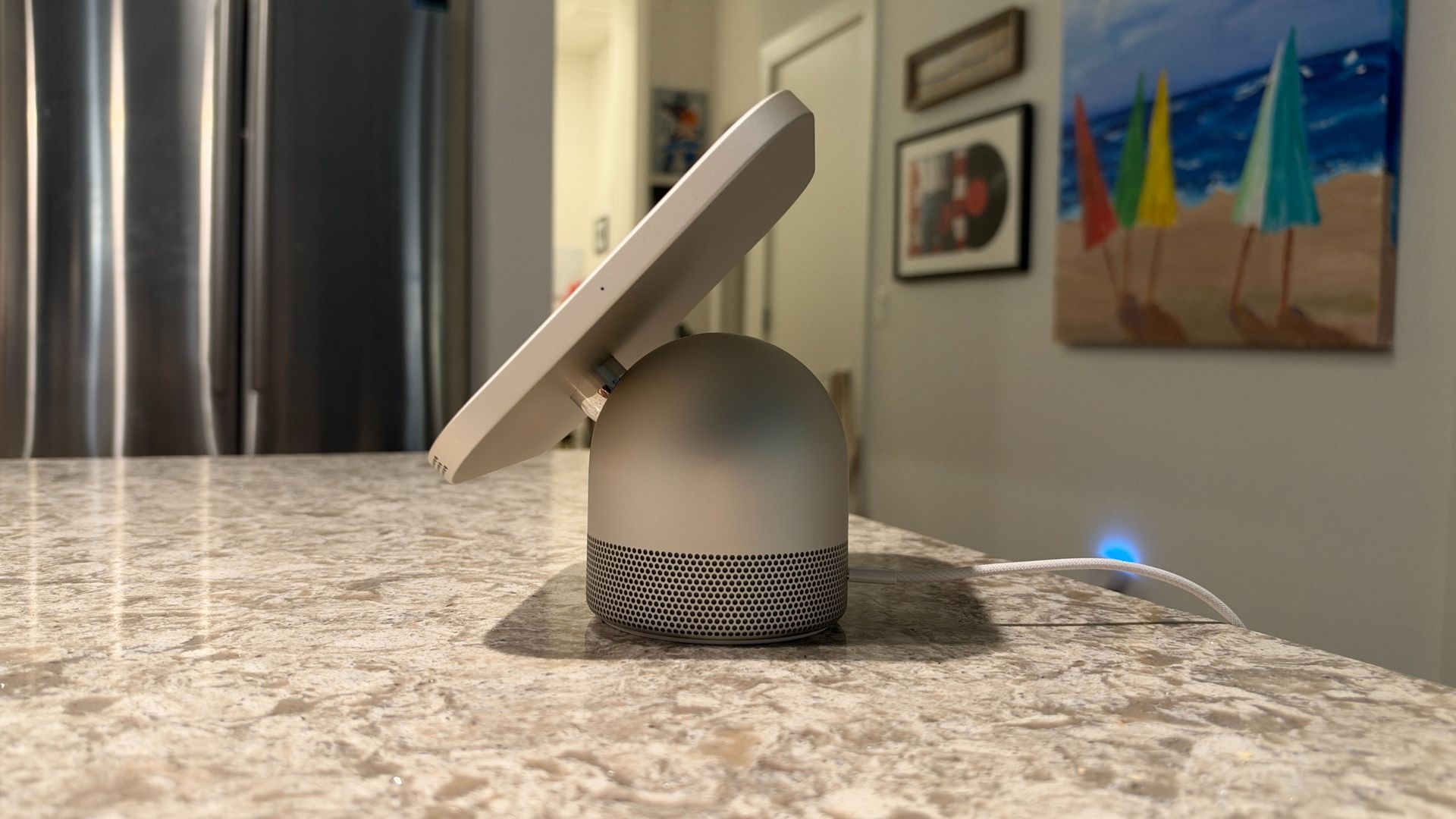
The standard HomeView has a square 7-inch Liquid Retina display perched above a circular speaker base, while the wall-mounted version offers a much slimmer profile. Both look relatively simple, but the decisions behind that design shaped nearly every aspect of the hardware.
“Together with our Design Studio, we went on a long journey of exploration to figure out: How do you create something that’s a unique form for the home?” Costello said.
And it all started with the display. Costello explained that Apple needed a shape and aspect ratio for the screen “that was unique from other form factors we have inside of Apple.”
“So we ended up with the aspect ratio you see today,” he said. “That then drove a lot of decisions around where things were placed.”
Even stability was a consideration. The base needed enough weight and substance to keep HomeView from tipping over when someone pressed the touchscreen, without sacrificing its relatively elegant appearance.
How do you create something that’s a unique form for the home?
Matthew Costello
Then there’s the audio, which has been one of the biggest surprises during my time with HomeView.
Apple uses a split-audio architecture, with higher-frequency speakers in the display and a lower-frequency woofer in the base, supported by two force-canceling passive radiators.
“Getting the display right with the audio, and then the split-audio architecture between having the sort of higher-frequency speakers in the head and then the lower-frequency woofer in the base was something we worked through,” Costello said.
But the wall-mounted version presented another challenge. Without the larger speaker base, Apple needed to deliver a complementary experience from a much slimmer enclosure.
“How do you then extend that to the wall-mounted version as well?” Costello continued, noting the challenge of figuring out how to make the two designs “complementary in nature.”
Having tested both, I think Apple has done a particularly good job. The standard HomeView delivers impressive bass and a wide soundstage, easily filling my kitchen and adjoining living room. The wall-mounted version can’t match that low-end performance, but its two custom drivers still deliver surprisingly spacious audio.
And while the four-microphone array might sound like a significant challenge, Costello said Apple already had considerable experience with that technology from HomePod. Instead, the display, audio system, and the relationship between the camera and screen border required more attention.
“It was a really fun, hard-fought journey to get to where we ended up,” he said fondly about working with Apple’s Design Studio.
A personal device that’s designed to be shared
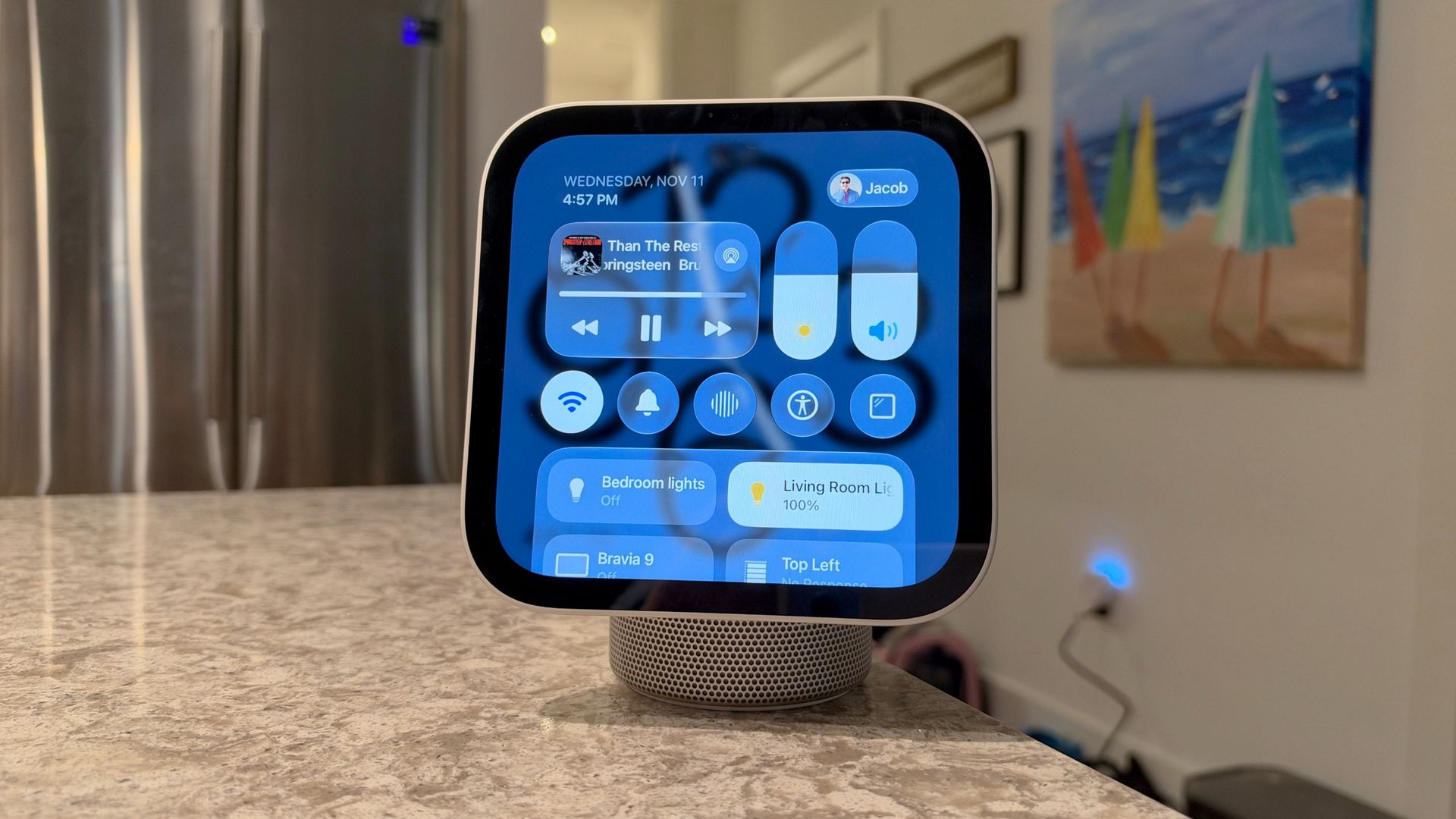
Unlike an iPhone or iPad, HomeView isn’t designed for just one person. It can sit in a kitchen or living room where multiple household members come and go, and the experience needs to adapt without anyone having to sign in or switch profiles.
“We really custom-built this user interface for the home, so the apps and experiences that matter most in the home setting are really front and center,” Costello said.
That means a curated collection of apps, customizable clock faces, and information designed to be glanceable from across the room.
“There’s no logging in, logging out, which is super cool,” Costello said. “It recognizes you and your information, and when you step away, it’s gone.”
But making that work while protecting everyone’s personal information required a different approach to privacy.
HomeView uses Apple’s A18 chip and secure exclaves, protected processing environments that isolate camera and microphone data from the rest of the operating system.
So we kind of think of this as the vault for which no one has a key
Matthew Costello
“So data that is processed and analyzed in the secure exclaves can’t be accessed by the operating system itself, any apps, the user, or Apple. So we kind of think of this as the vault for which no one has a key,” Costello said.
That protection is only one part of the process. HomeView also checks that your paired iPhone is present on the network and has been unlocked recently before displaying personal information.
Dantas explained that messages, calendars, and other personal content are retrieved from your iPhone rather than permanently stored on HomeView.
“It comes from your iPhone,” she said. “If you leave, you take your iPhone with you, it goes with you, and it’s not kept on the device at all.”
I saw that protection in action during my testing. While I was looking at my messages, my dad walked into HomeView’s camera view, and the device immediately stopped displaying my personal information until it could recognize me again.
It’s a small interaction, but one that matters when you’re putting a connected screen in a shared space. HomeView also includes an indicator light for when the camera feed is actively being used, such as during FaceTime calls, and Siri AI can use on-device processing or Private Cloud Compute, which Apple says doesn’t store requests or make that data accessible to the company.
It’s the little things
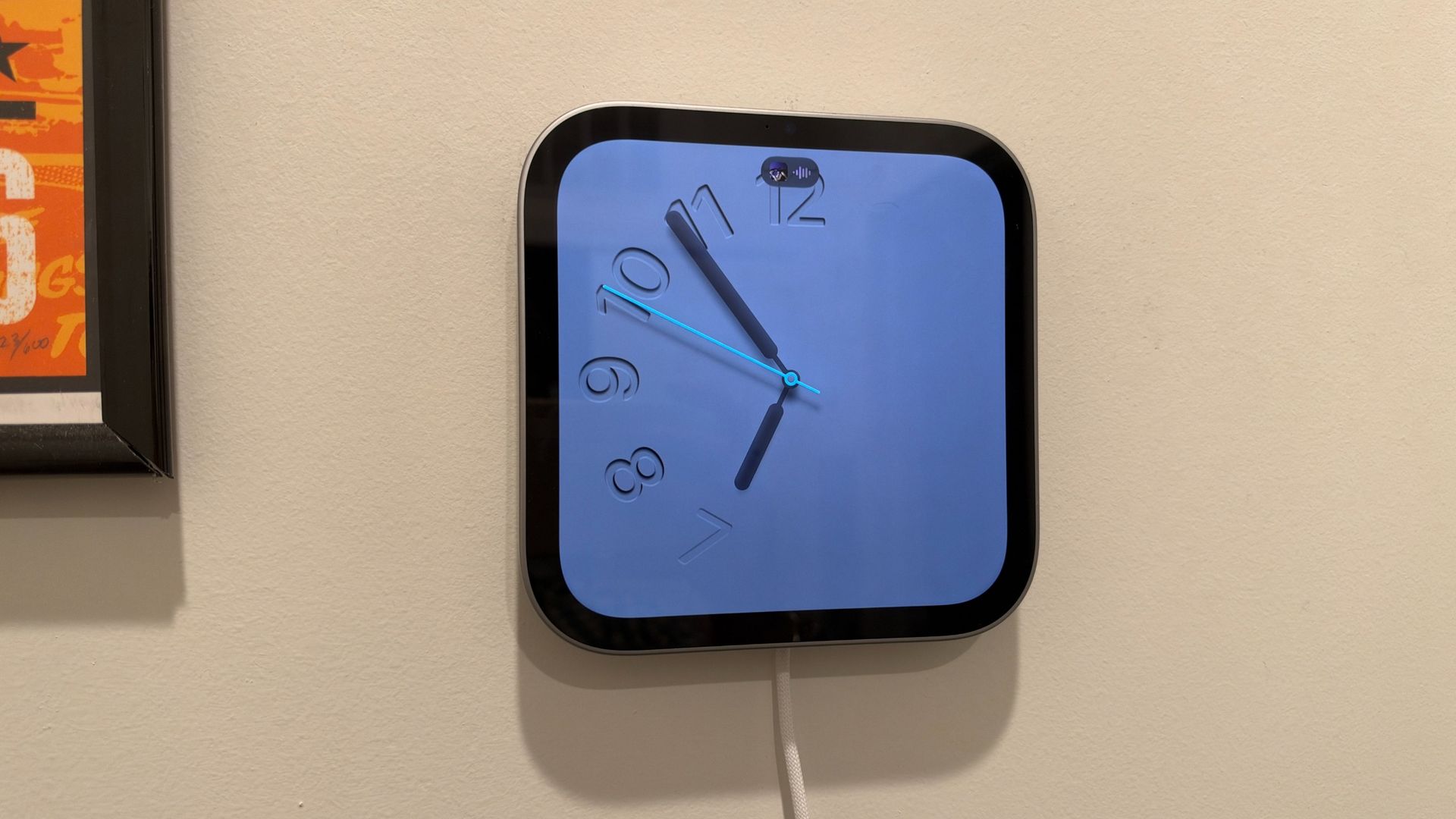
HomeView is packed with technology, but some of the most impressive engineering isn’t necessarily the kind you’ll notice immediately.
Costello, who also represents Apple’s acoustics organization, is understandably proud of the audio performance. But one of his favorite achievements is something entirely different.
“I really love the fact that this is the lowest light performance we’ve ever engineered into a product, so it’s down to 0.3 nits,” he said.
“So officially, I represent the most dim product ever inside of Apple,” Costello joked. “So I don’t know if that’s a good or bad thing, but I’m super happy about that.”
Give you exactly what you need in the moment
Cecilia Dantas
It’s a pretty funny distinction, but also an important one. HomeView is designed to stay in your home throughout the day and night, and a screen that can become exceptionally dim is especially useful if you’re placing it beside your bed.
For Dantas, it’s less about a particular spec and more about the moments the device can create. She uses a shared family photo album as one of her HomeView faces, and pictures added by other family members can appear unexpectedly throughout the day.
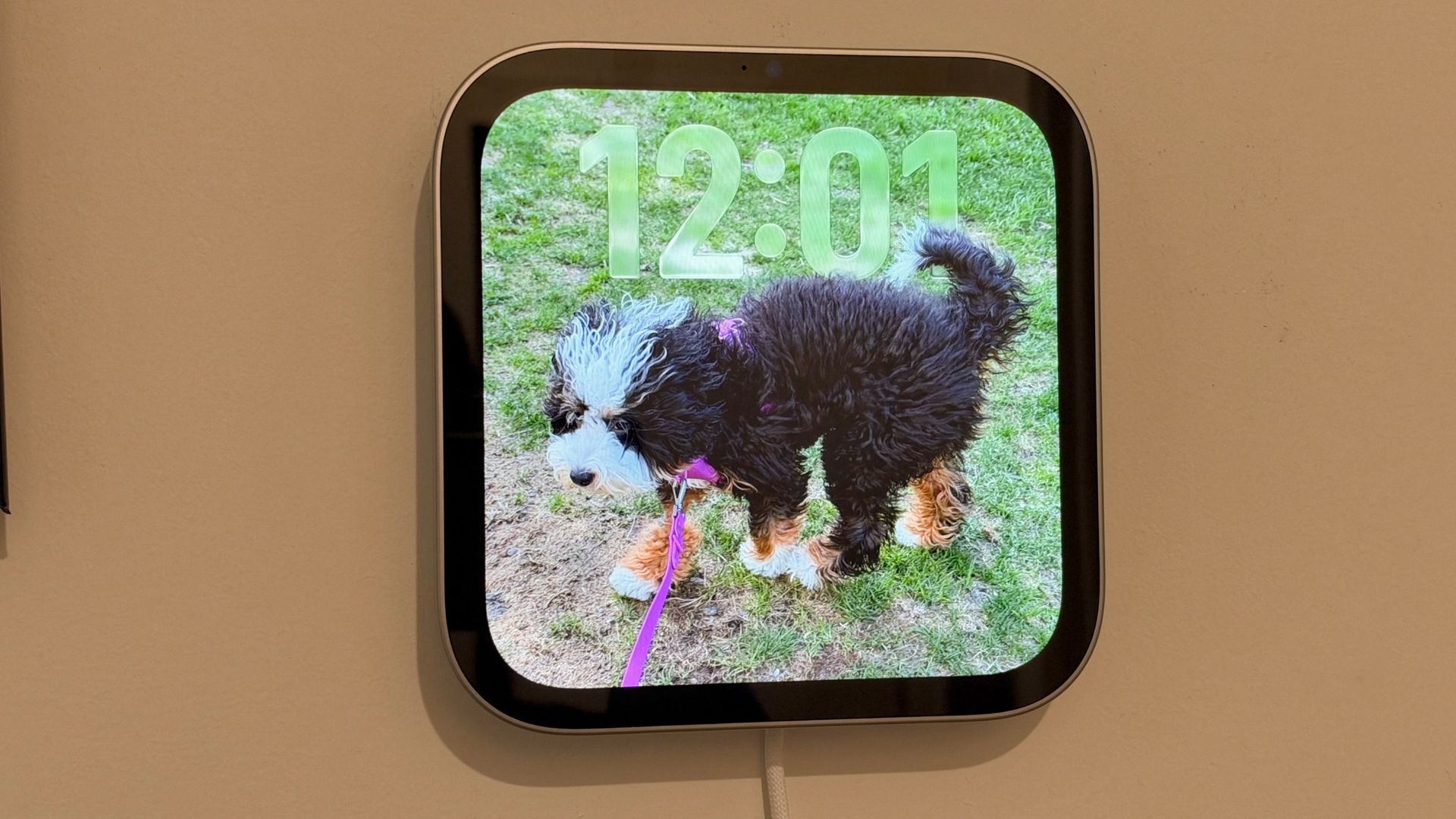
“I’m really proud of the moments of connection that it brings,” she said. “It is delightful to see the photos come up.”
It’s a reminder that all of the engineering, from the custom audio architecture to Siri AI and the privacy protections, ultimately serves a much simpler purpose. HomeView isn’t designed to be another screen constantly demanding attention, but something that fits naturally into the rhythms of everyday life.
As Dantas put it during our conversation, Apple’s goal was to “give you exactly what you need in the moment” and “to do that with absolute simplicity.”
This articles is written by : Nermeen Nabil Khear Abdelmalak
All rights reserved to : USAGOLDMIES . www.usagoldmines.com
You can Enjoy surfing our website categories and read more content in many fields you may like .
Why USAGoldMines ?
USAGoldMines is a comprehensive website offering the latest in financial, crypto, and technical news. With specialized sections for each category, it provides readers with up-to-date market insights, investment trends, and technological advancements, making it a valuable resource for investors and enthusiasts in the fast-paced financial world.