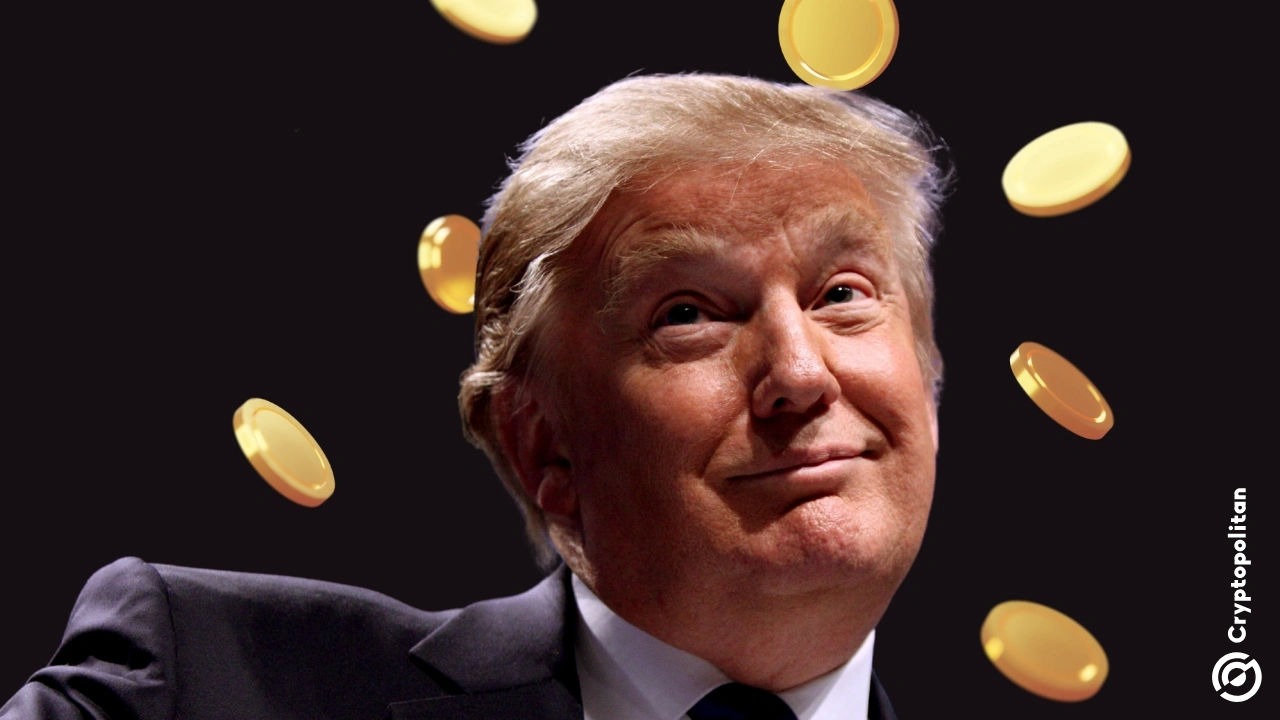
The U.S. will wait three days before introducing new tariffs on Canadian goods as negotiations between the two countries continue. President Donald Trump commented, “I have paused the 50% Tariffs against Canada that were scheduled to kick in tomorrow morning for a three-day period.”
He further contended that the countries have already struck a deal and are now working through the remaining paperwork.
Canadian Prime Minister Mark Carney also noted that the talks have moved forward considerably, though important work remains. Tuesday marked Trump and Carney’s second call this week, anchoring previous weeks of negotiations since July. Initially, the American president had set the new Canadian levy deadline for 19th August.
Trump had hinted that a deal could renew the Keystone XL pipeline project
The two nations have mainly been divided on U.S. auto tariffs and Canada’s provincial bans on American alcohol. In a post on the White House site, Trump said Canada pledged to attend to U.S. complaints about dairy, booze, and car duties.
He also hinted that a definitive trade agreement could facilitate the revival of the Keystone XL project, an oil pipeline intended to connect Alberta to the United States that was rejected during the Obama and Biden tenures.
So far, however, the pipeline has faced long-standing opposition from environmentalists and Indigenous communities, but Trump has repeatedly called for bringing the project back. It would carry about 830,000 barrels of oil daily.
The U.S. Trade Representative Jamieson Greer’s office also gave its statement. It noted that the U.S.-Canada deal should expand market access for U.S. goods while aligning the two countries on digital trade and economic security. It further noted that the agreement will have “many important provisions that will continue to protect our market and American workers, along with our Canadian partners.”
Canada’s Carney, more recently, nonetheless, has insisted that they will prioritize creating an economy that is stronger, more self-reliant, and better able to compete globally. Though the Canadian negotiators and cross-border businesses have welcomed the three-day extension after repeatedly warning that the new tariffs would harm both economies.
Sources say the two nations were considering 15% levies
Trump’s latest proposed tariffs targeted Canadian wine, dairy, cement, apparel, and hockey gear, adding to existing U.S. levies on Canadian steel, aluminum, autos, and lumber. Canada’s focus remains on securing a trade pact that rolls back or slashes U.S. tariffs in these core areas.
Meanwhile, the U.S. wants Canada to lift its retaliatory auto tariffs and open up its dairy quotas to allow more American cheese imports. The U.S. is also asking Canada to lift the ban on American booze that most provinces rolled out last year to push back against Trump’s tariffs.
Before the Wednesday deadline, U.S. and Canadian negotiators were working on a deal that could bring tariffs on Canadian autos down from 25% to 15%, according to sources. However, insiders also claimed that the two were split over which vehicles receive the lower rates, with the U.S. holding out for cars that use mostly American components.
Furthermore, Canada must secure the cooperation of provincial premiers to resume the sale of American alcohol, as liquor regulation falls strictly under provincial, not federal, jurisdiction. Ontario Premier Doug Ford, whose jurisdiction is most heavily impacted by United States automotive tariffs, has this far, indicated a willingness to rescind the restrictions only upon achieving an equitable agreement.
The three-day pause gives negotiators a narrow window to resolve the remaining disagreements before the higher tariffs potentially take effect. A failure to reach an agreement could revive concerns among manufacturers and businesses that rely heavily on cross-border supply chains.
The United States and Canada have deeply integrated economies, with billions of dollars in goods moving between the two countries each month. Higher tariffs could therefore increase costs for businesses and consumers while disrupting industries that depend on parts and raw materials from across the border.
For Canada, the negotiations also come as Ottawa seeks to reduce its dependence on the U.S. market by expanding trade relationships elsewhere.
Carney has increasingly emphasized economic resilience and diversification, suggesting that Canada wants any agreement with Washington to strengthen its position rather than leave the country vulnerable to future tariff threats.
The next three days could therefore prove critical in determining whether the two sides can turn the latest progress into a broader and lasting trade agreement.
If you’re reading this, you’re already ahead. Stay there with our newsletter.
This articles is written by : Nermeen Nabil Khear Abdelmalak
All rights reserved to : USAGOLDMIES . www.usagoldmines.com
You can Enjoy surfing our website categories and read more content in many fields you may like .
Why USAGoldMines ?
USAGoldMines is a comprehensive website offering the latest in financial, crypto, and technical news. With specialized sections for each category, it provides readers with up-to-date market insights, investment trends, and technological advancements, making it a valuable resource for investors and enthusiasts in the fast-paced financial world.