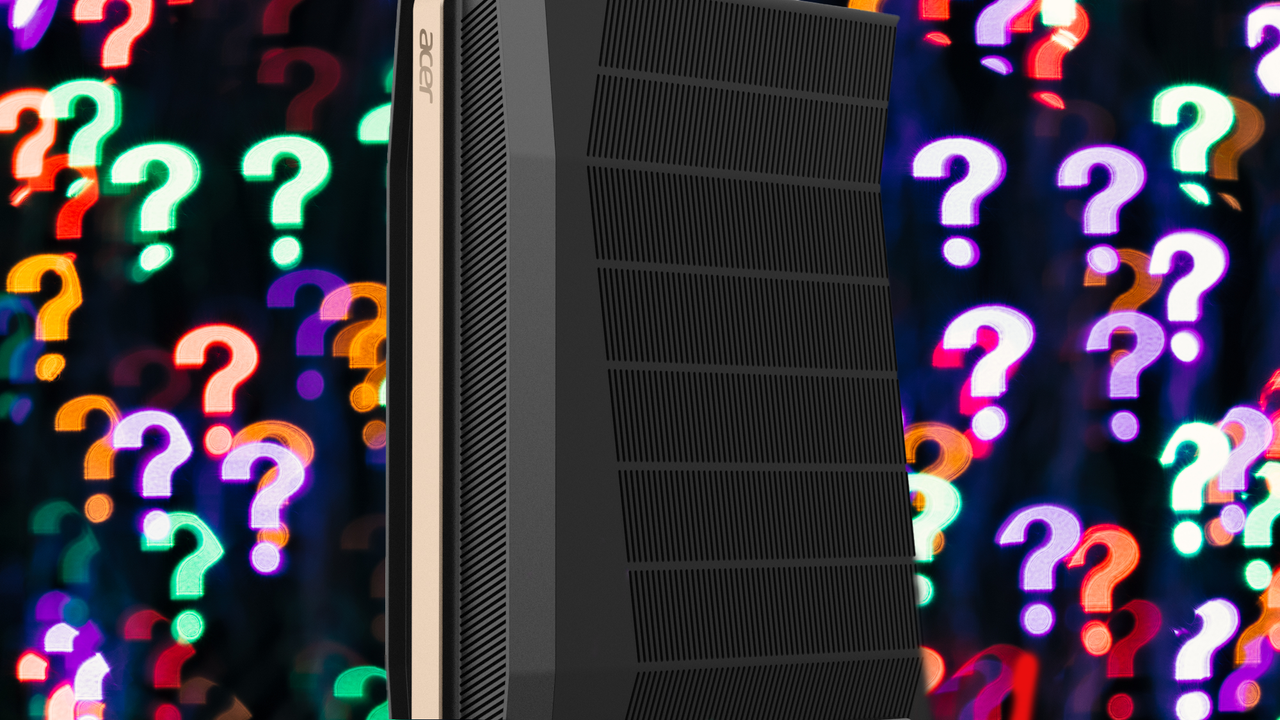
At IFA 2026, Acer announced its upcoming Small Form Factor (SFF) PC, built on Nvidia’s new RTX Spark chip, and from what Acer (and Nvidia) has shown, I should be buzzing with excitement.
After all, it ticks a lot of boxes for me; it’s compact, beautifully designed, and thanks to the RTX Spark, it should also be very, very powerful. And yet, much like the recent announcement of the latest Mac mini with Apple’s new M6 chip, I just don’t feel excited at all.
Despite sharing the same ‘RTX’ branding as Nvidia’s gaming GPUs, it’s clear that early devices using the RTX Spark will be of little interest to consumers like you and me, and are instead aimed at people who need to run heavy-duty local AI tasks.
Even though Acer states that RTX Spark devices are “designed for creators, AI developers and gamers,” the brief information provided focuses solely on the AI capabilities, with Acer saying that its RTX Spark device “is built to deliver up to 1 petaflop of AI performance and up to 128 GB of high-speed unified memory, delivering a combination of compute and data privacy.”
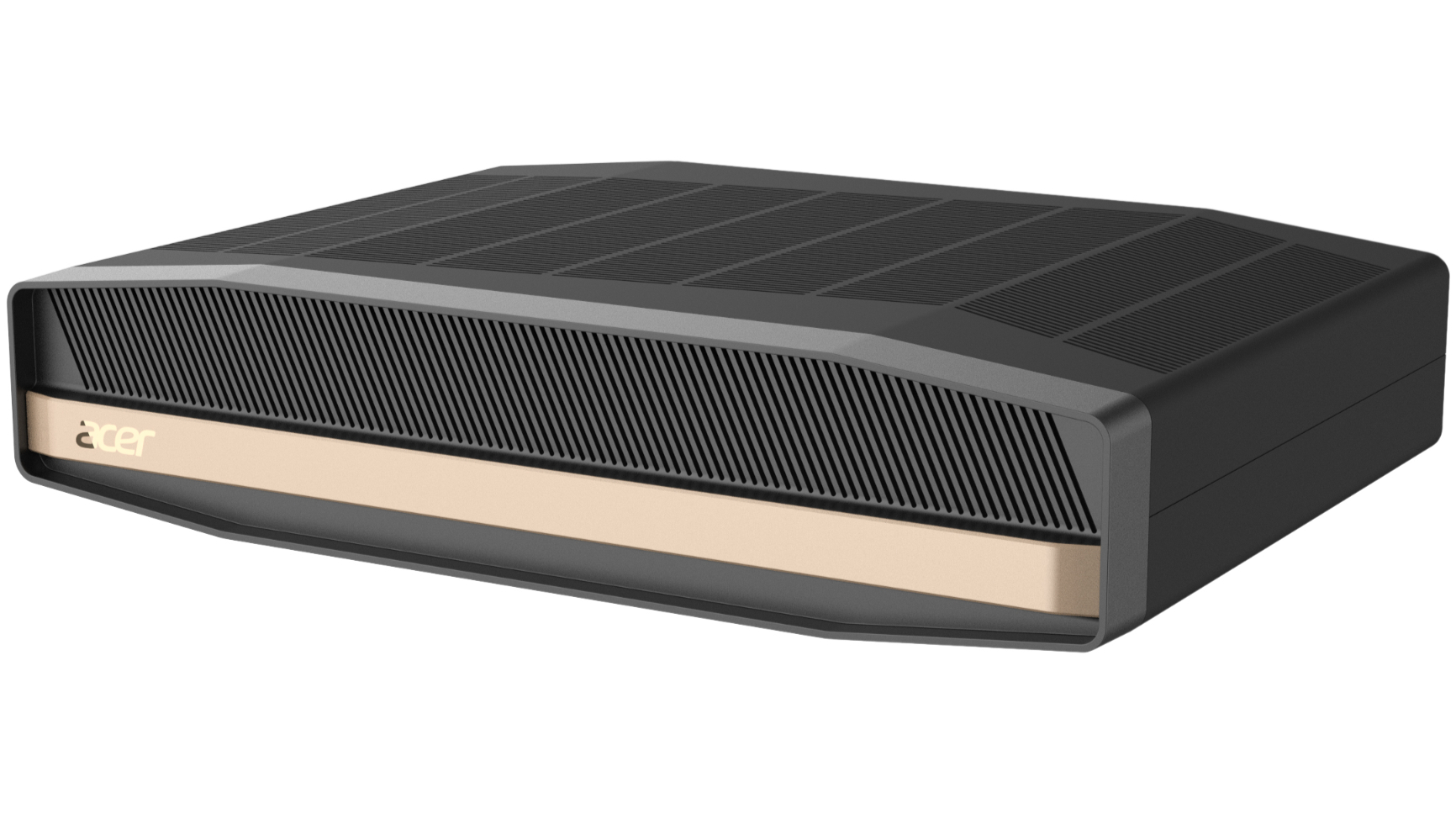
Terms like “1 petaflop of AI performance” are a sure-fire way to make any interest I might have in a device evaporate faster than PC gamer’s tears on a red-hot AI data center. It certainly doesn’t make me feel like the product is aimed at me, despite the RTX branding, brief mention of gamers, and stylish design.
I’ve written a lot in the past about my love of small form factor PCs, mainly when it comes to gaming, as these compact computers can be great alternatives to games consoles, as they can sit in your lounge and plug into your TV without looking out of place. RTX Spark devices, such as Acer’s, could potentially combine Nvidia’s gaming technology with compact designs, something I’ve always wanted. So why am I just not excited?
AI above everything else
There’s a simple reason: AI. Now, this isn’t about my general distaste of generative AI, or the fact that things like Google’s AI Overviews are taking written content from websites, such as this one, and featuring them elsewhere without compensation — it’s because from what I’ve seen of RTX Spark hardware so far seems to be lazer-focused on local AI capabilities, which is something that simply doesn’t appeal to mainstream users.
If these were products solely aimed at AI developers, I wouldn’t mind, but it feels like RTX Spark has been teased by Nvidia to be something that consumers, especially gamers, would also be interested in. Hopefully as we get closer to the release of the first batch of RTX Spark devices, we’ll be given some non-AI reasons to be excited.
At the moment, though, I feel the same way about RTX Spark PCs as I do with Apple’s new-announced M6 Mac mini.
Mini heartbreak
Recent Mac minis have been some of my absolute favorite products, and up until a few weeks ago, if anyone was looking for an affordable desktop PC, I would almost always just tell them to buy a Mac mini. They were powerful, well-built, had an impressively small form factor which allowed you to install them almost anywhere, and launching at $599 / £599 / AU$999, you’d be hard pushed to find a better value small form factor PC.
In fact, I awarded a very rare five stars in my Mac mini (M4, 2024) review. So, I should be over the moon with the new model, especially as it’ll be the first device to pack Apple’s M6 chip — quite an achievement for the little PC that could.
And yet, I feel a bit deflated. The latest Mac mini will come with a higher price tag, something that feels all to familiar at the moment, and now starts at $899 / £899 / AU$1,449, a considerable jump up from what the previous model launched at, and instantly makes the Mac mini less of an easy recommendation.
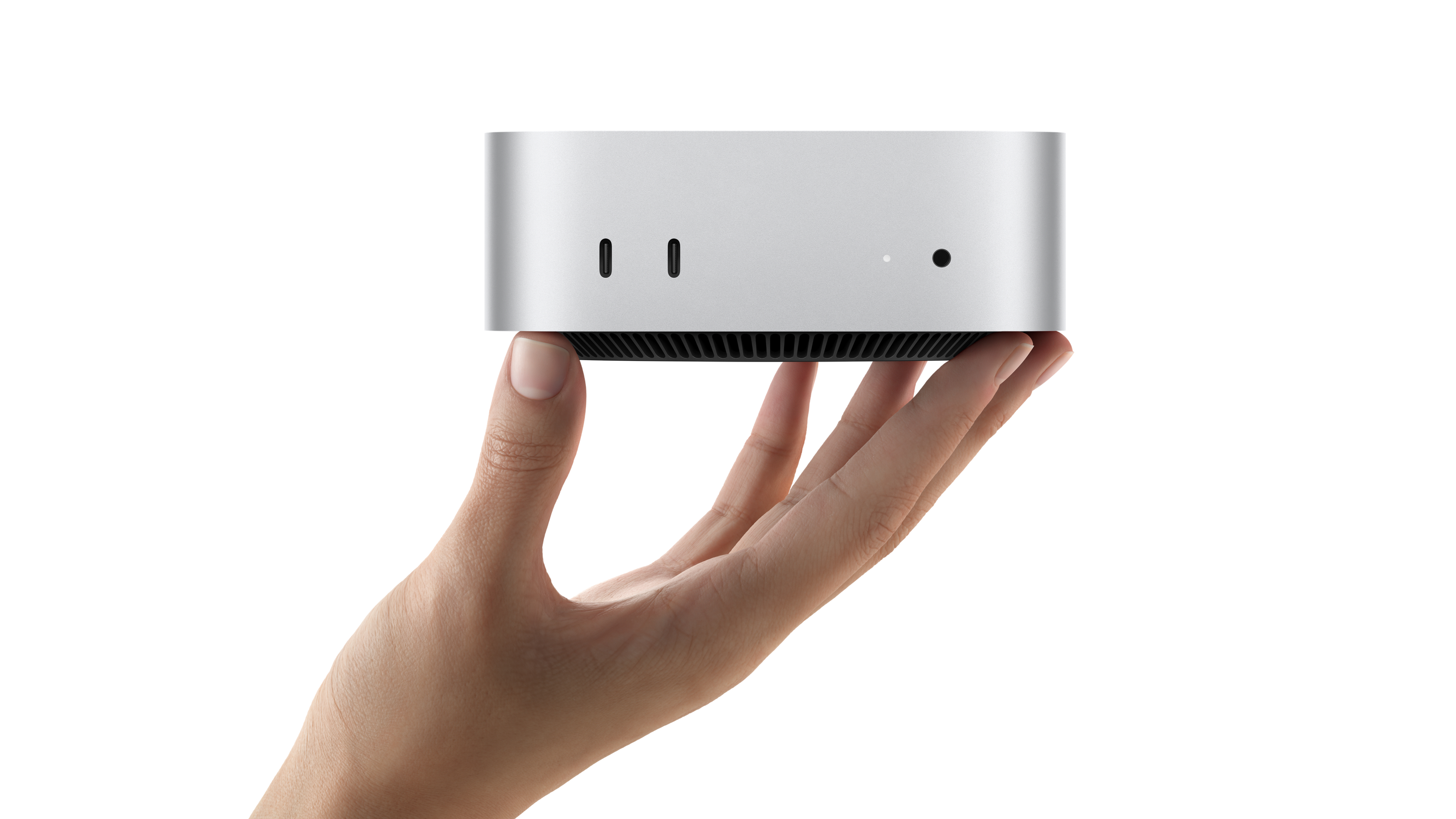
One of the reasons why it’s been hard to get hold of a Mac mini recently is because a lot of people are bulk buying the tiny PCs to run OpenClaw and other local AI tools on them. Apple appears to be leaning into this popularity (I can’t blame them for that, to be honest), with a big focus of the Mac mini, and the M6 chip, being improvements to AI performance (Apple claims four times the AI performance of the previous model).
That’s all well and good, I guess, but that AI focus, along with the price increase, means one of my favorite bits of hardware doesn’t feel like it’s aimed at me any more. I’ll be less likely to recommend it to people as even if it turns out that it’s a great bit of gear, the new price means it won’t be for everyone. And I personally don’t know anyone who is looking for a Mac mini to do heavy AI tasks with it.
It’s the same with RTX Spark devices. We’ve not had price announcements, but Acer’s RTX Spark PC not only features cutting-edge Nvidia hardware, but “up to 128 GB of high-speed unified memory.” There’s little doubt that it’ll be very expensive.
So, it leaves me wondering who the RTX Spark PCs and new Mac mini are really for. The Mac mini had a real chance to become a mainstream hit, but its higher price will put a stop to that (the cheaper MacBook Neo now has a better chance), and I can’t imagine anyone except developers who need to run local AI models being interested in RTX Spark, despite the stylish designs.
Bascially, I’d like the likes of Nvidia and Apple to remember us consumers who don’t have a huge amount of cash, have little interest in AI, and are feeling increasingly left behind.
This articles is written by : Nermeen Nabil Khear Abdelmalak
All rights reserved to : USAGOLDMIES . www.usagoldmines.com
You can Enjoy surfing our website categories and read more content in many fields you may like .
Why USAGoldMines ?
USAGoldMines is a comprehensive website offering the latest in financial, crypto, and technical news. With specialized sections for each category, it provides readers with up-to-date market insights, investment trends, and technological advancements, making it a valuable resource for investors and enthusiasts in the fast-paced financial world.