- New Incogni research has found that the privacy preferences of Americans don’t really align with what they say
- Many of those with ‘nothing to hide’ will happily snoop on the phones of their family members and partners
- But those same people tend to get twitchy when handing over their phone to strangers, or their data to the government
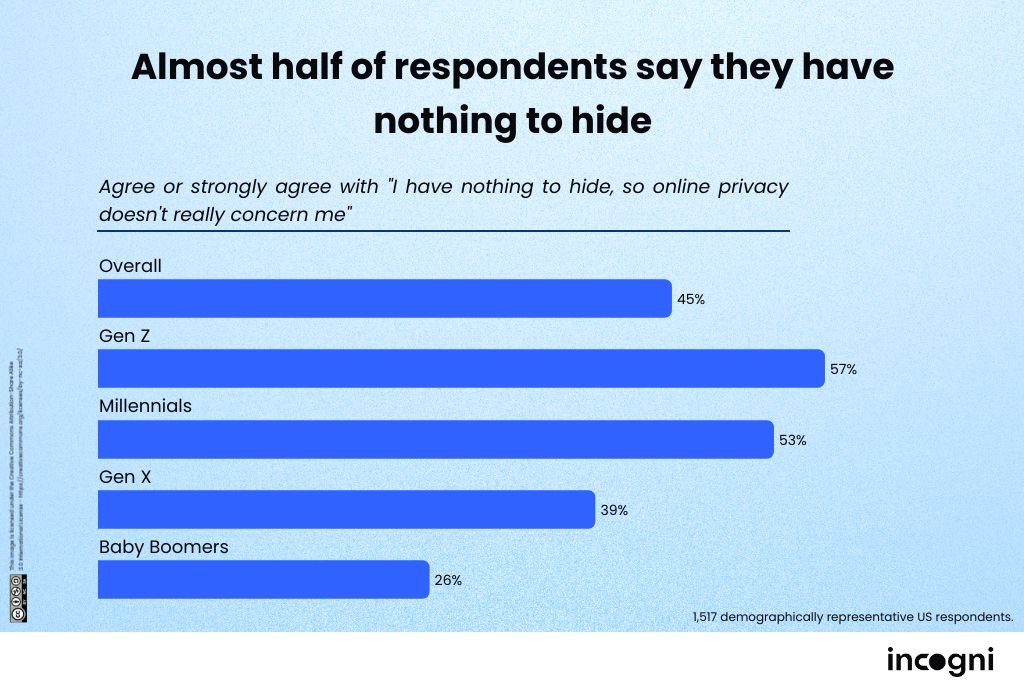
A new survey by Incogni has found almost half of Americans say they have ‘nothing to hide’ when it comes to their privacy, but almost immediately change their perspective when it comes to strangers looking at their phone – or sharing their private messages with the federal government.
Even when offered substantial sums of money, many of those with nothing to hide still wouldn’t hand over their devices, and their personal habits such as covering cameras or installing privacy screens show a level of contradiction in what they say, and how they behave.
Of those surveyed as part of Incogni’s research, Gen Z were the most likely to say they had nothing to hide at 57%, whereas just 26% of Baby Boomers offered the same response.
Americans don’t want strangers or the government accessing their phones
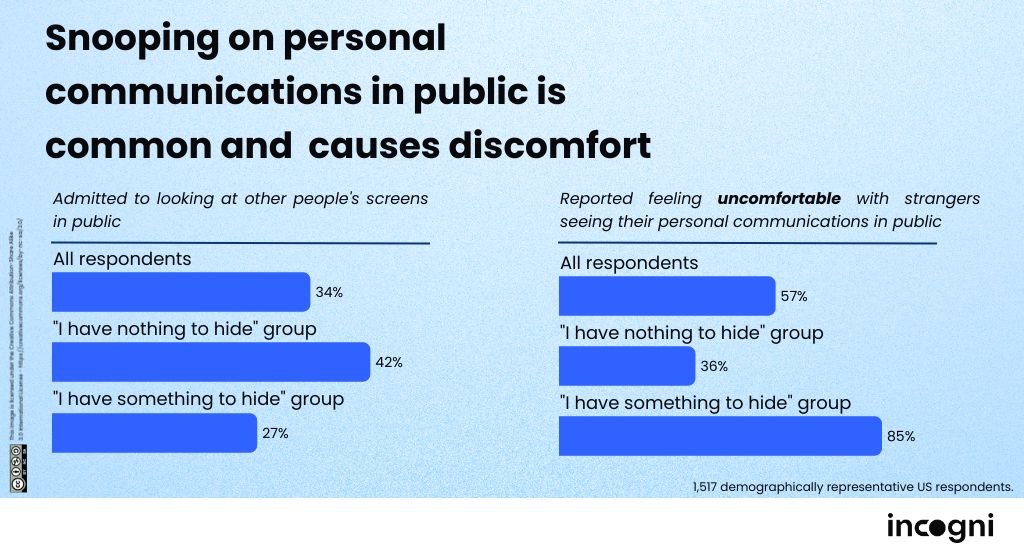
As it turns out, those who fell into the 45% of respondents who said they had nothing to hide were more likely to snoop on other people’s devices. In fact, when polled on whether they looked at other people’s devices in public, people with nothing to hide were double as likely (42%) to snoop compared to their something to hide counterparts (27%).
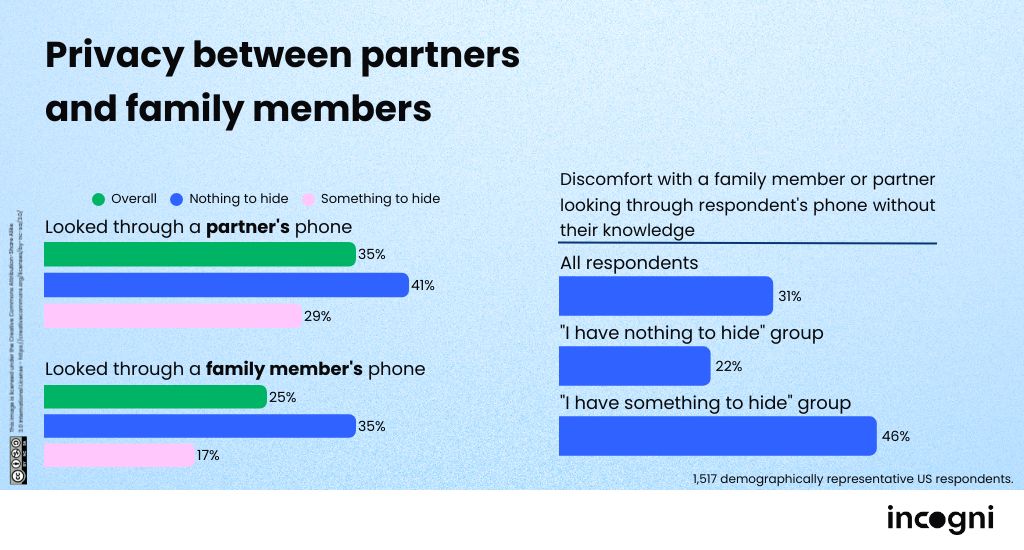
Those with nothing to hide were also more likely to look through the phones of their partners and family members without permission. In fact, 41% who fell into this category admitted to snooping on their partners phones, and 35% had looked through their family members’ phones.
Despite claiming to have nothing to hide, 39% still covered their cameras with tape, stickers, or sliding covers – especially those of Gen Z. Over a quarter of respondents also said that they deliberately obscure their personal information when signing up to online services with fake names, false dates of birth, and masked emails.
But the most interesting data comes from paying for privacy. 41% of those who said they have nothing to hide would pay more for a product if it was better for their privacy. But when offered money in return for handing over their phone to a stranger, 60% of respondents refused any amount of money. 20% said it would take an amount of $1 million or more, and just 6% offered access for $100 or less.
When breaking these numbers down by group, 58% of those with nothing to hide would not let a stranger access their unlocked phone for any amount of money.
Even when offered three months of their salary, just 26% of respondents would hand over their SMS, chat-app, and email messages with law enforcement. This number drops to 25% with Big Tech companies, 24% for local government, and a staggering 21% for the federal government.
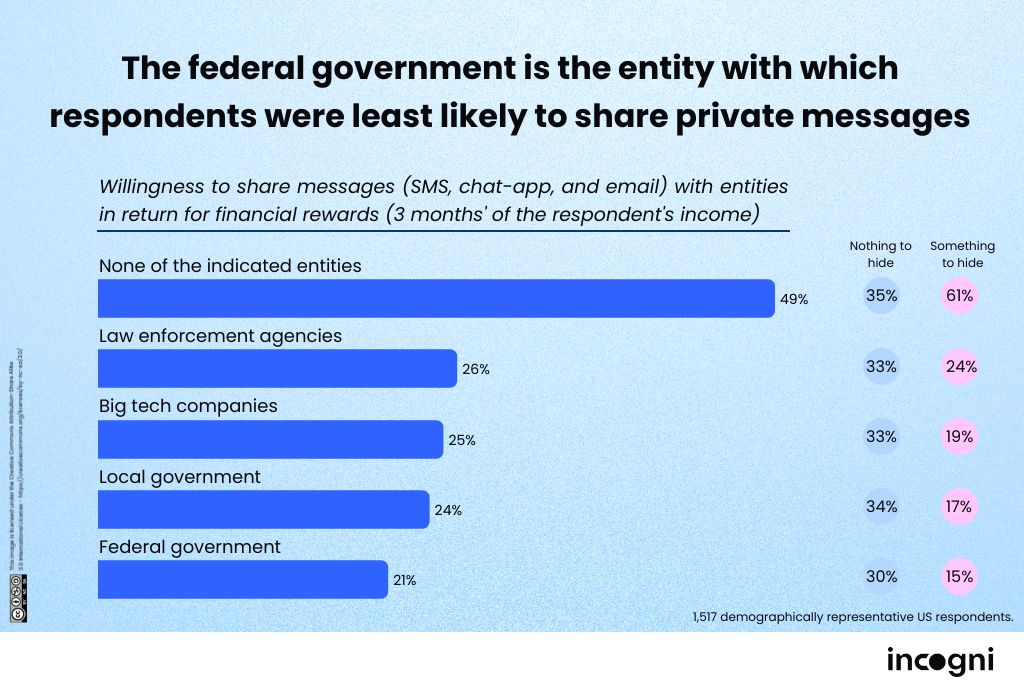
Incogni theorizes that those who said they have nothing to hide may be equating privacy with secretiveness and secretiveness with guilt. It may also be true that many people fail to see how their seemingly innocent data, such as an email address or phone number, should be kept private.
As numerous data breaches have shown, the leaking of such information can lead to phishing emails, scams, and general harassment or doxxing. Incogni says that people fail to see why this information should stay private, especially in an era when social media and the websites we use hoover up as much information as possible to be sold to advertisers and third-parties.
“The findings suggest that the “nothing to hide” argument may therefore say less about how much people actually value privacy than about how difficult it is to see the consequences of losing it,” the report concludes.
This articles is written by : Nermeen Nabil Khear Abdelmalak
All rights reserved to : USAGOLDMIES . www.usagoldmines.com
You can Enjoy surfing our website categories and read more content in many fields you may like .
Why USAGoldMines ?
USAGoldMines is a comprehensive website offering the latest in financial, crypto, and technical news. With specialized sections for each category, it provides readers with up-to-date market insights, investment trends, and technological advancements, making it a valuable resource for investors and enthusiasts in the fast-paced financial world.